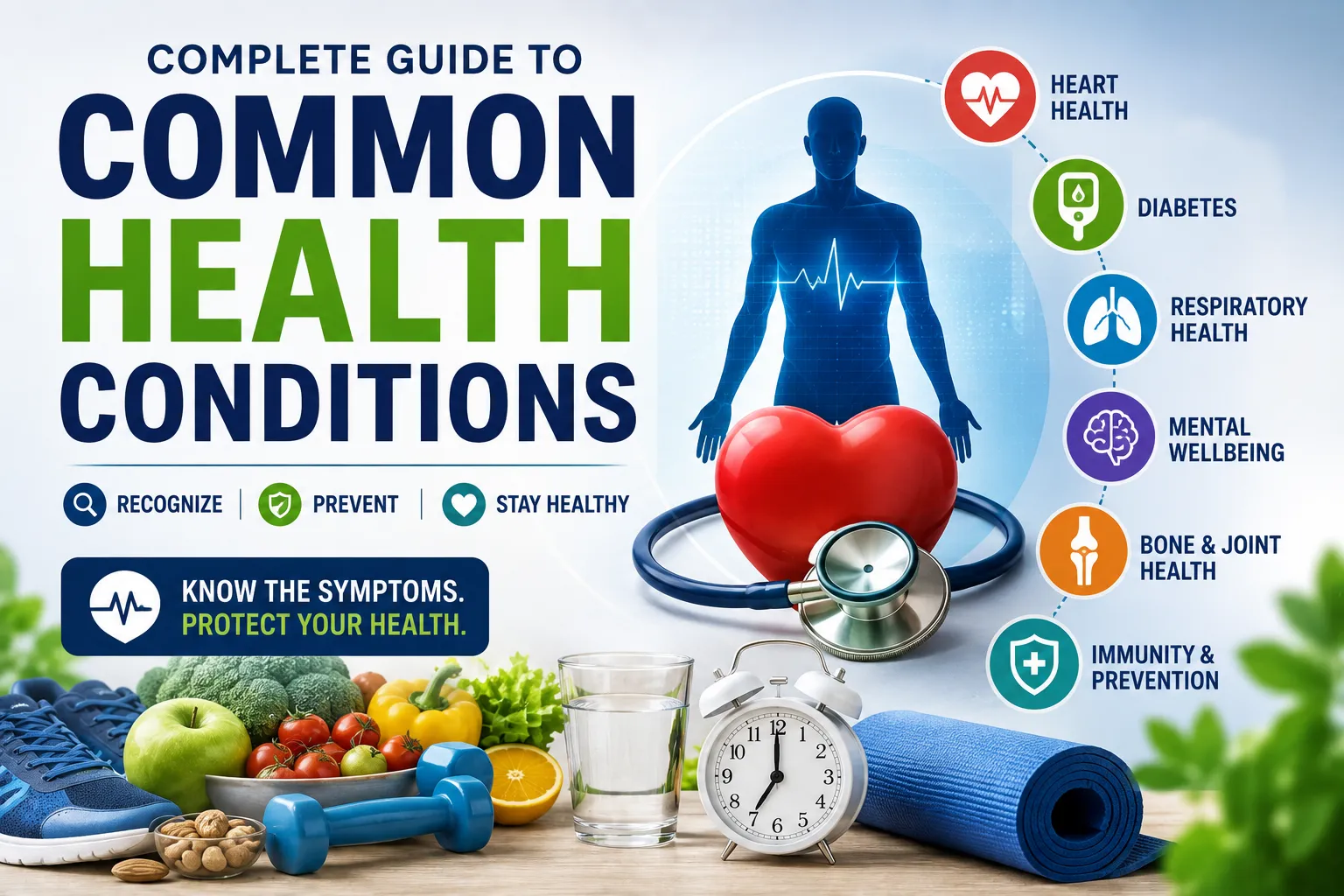

Complete Guide to Common Health Conditions
Health problems can affect anyone, at any age. Some conditions are temporary and resolve with rest or simple treatment, while others can persist for years and require ongoing medical care.
Understanding common health conditions can make it easier to recognize warning signs, reduce preventable risks and know when professional medical advice may be necessary.
This guide covers some of the most common categories of health conditions, their typical symptoms, major risk factors and practical prevention strategies. It is intended for general education and should not replace diagnosis or treatment from a qualified healthcare professional.
Understanding common conditions is also part of a broader approach to healthy living and long-term wellness.
What Is a Health Condition?
A health condition is a problem or change that affects the normal functioning of the body or mind.
Health conditions can be broadly divided into several categories:
- Infectious diseases, caused by organisms such as viruses, bacteria, fungi or parasites
- Chronic conditions, which can persist for months or years
- Acute conditions, which often develop suddenly and may require immediate attention
- Mental health conditions, affecting mood, thoughts, behavior or emotional wellbeing
- Genetic conditions, linked partly or primarily to inherited genetic changes
- Injuries, resulting from accidents, falls, violence or other physical events
Some conditions fit into more than one category.
For example, diabetes is generally a chronic condition, while pneumonia may be an acute infectious illness.
Why Prevention Matters
Prevention is not about guaranteeing that someone will never become sick.
Genetics, age, environment, socioeconomic circumstances and other factors can influence health. Health is shaped by a combination of individual characteristics, physical surroundings and social and economic conditions.
However, many major health conditions share modifiable risk factors.
For noncommunicable diseases, major risks include tobacco use, physical inactivity, unhealthy diets, harmful alcohol use and air pollution.
Understanding these major risk factors for disease can help people focus on areas where meaningful risk reduction may be possible.
Reducing these risks can lower the likelihood of developing several diseases at the same time.
Cardiovascular Disease
Cardiovascular disease refers to conditions affecting the heart and blood vessels.
It includes:
- Heart disease
- Heart attacks
- Stroke
- Heart failure
- Peripheral artery disease
- Some disorders affecting heart rhythm
Cardiovascular diseases are among the world’s leading causes of death.
For people interested specifically in reducing cardiovascular risk, the heart disease prevention guide provides a more focused look at practical prevention strategies.
Common Risk Factors
Important risk factors include:
- High blood pressure
- High cholesterol
- Tobacco use
- Physical inactivity
- Unhealthy diet
- Diabetes
- Excess body weight
- Harmful alcohol use
- Air pollution
- Family history
Some risk factors cannot be changed, such as age and inherited characteristics.
Others can be modified.
Prevention
Prevention generally focuses on:
- Not smoking
- Staying physically active
- Eating a balanced diet
- Managing blood pressure
- Managing cholesterol
- Maintaining a healthy weight where appropriate
- Limiting harmful alcohol use
- Managing diabetes
- Attending recommended health checks
Many cardiovascular diseases can be prevented or their risks reduced by addressing major risk factors and the environments that influence them.
High Blood Pressure
Hypertension, commonly known as high blood pressure, occurs when pressure in the blood vessels remains abnormally high.
It is often called a “silent” condition because many people have no obvious symptoms.
Untreated hypertension can increase the risk of complications including:
- Heart disease
- Stroke
- Kidney disease
- Other cardiovascular problems
For a more detailed explanation of this important cardiovascular risk factor, see the complete guide to high blood pressure.
Prevention and Management
Helpful measures can include:
- Limiting excessive sodium intake
- Eating a balanced diet
- Exercising regularly
- Avoiding tobacco
- Maintaining a healthy weight
- Limiting harmful alcohol consumption
- Monitoring blood pressure
- Taking prescribed medication as directed
Because hypertension can occur without noticeable symptoms, measuring blood pressure is important.
Diabetes
Diabetes is a chronic condition involving elevated blood glucose.
The major types include:
- Type 1 diabetes
- Type 2 diabetes
- Gestational diabetes
Type 1 diabetes is associated with an autoimmune process that damages insulin-producing cells.
Type 2 diabetes is influenced by a combination of genetic, metabolic and lifestyle factors.
Gestational diabetes develops during pregnancy.
Common Symptoms
Possible symptoms of diabetes include:
- Increased thirst
- Frequent urination
- Increased hunger
- Unexplained weight changes
- Fatigue
- Blurred vision
- Slow-healing wounds
- Recurrent infections
Some people, particularly those with type 2 diabetes, may have few symptoms for a long time.
Prevention
Type 1 diabetes cannot currently be prevented through lifestyle changes.
For type 2 diabetes, however, healthy eating, regular physical activity, maintaining a healthy weight where appropriate and early identification of elevated blood glucose can help reduce risk.
Asthma
Asthma is a chronic respiratory condition in which the airways become inflamed and narrowed, making breathing more difficult.
Symptoms can include:
- Wheezing
- Coughing
- Chest tightness
- Shortness of breath
Symptoms can vary considerably between individuals.
Some people experience occasional symptoms, while others have more persistent problems.
Common Triggers
Potential triggers include:
- Dust
- Smoke
- Air pollution
- Allergens
- Respiratory infections
- Cold air
- Exercise
- Strong odors
Treatment can help control symptoms and reduce the likelihood of serious attacks.
People with asthma should work with a healthcare professional to understand their triggers and follow their prescribed management plan.
Chronic Obstructive Pulmonary Disease
Chronic obstructive pulmonary disease (COPD) is a group of chronic lung conditions that cause persistent breathing difficulties.
Common symptoms include:
- Long-term cough
- Increased mucus production
- Shortness of breath
- Wheezing
- Reduced exercise tolerance
Tobacco smoke is a major risk factor, but long-term exposure to air pollution, occupational dust and fumes can also contribute.
Chronic respiratory diseases are one of the major groups of noncommunicable diseases.
Prevention
The most important preventive measure for smokers is avoiding tobacco and seeking help to quit.
Reducing exposure to harmful workplace substances and indoor or outdoor air pollution can also be important.
Cancer
Cancer is not one single disease.
It is a broad group of diseases in which abnormal cells grow uncontrollably and can invade surrounding tissues or spread to other parts of the body.
Common types include:
- Breast cancer
- Lung cancer
- Colorectal cancer
- Prostate cancer
- Cervical cancer
- Skin cancers
- Liver cancer
- Stomach cancer
Cancer Risk Factors
Risk varies considerably by cancer type.
Factors can include:
- Tobacco use
- Excessive alcohol consumption
- Certain infections
- Ultraviolet radiation
- Air pollution
- Excess body weight
- Physical inactivity
- Diet
- Genetic factors
- Age
- Family history
Not all cancers are preventable.
However, reducing established risk factors and participating in appropriate screening can help prevent some cancers or identify them earlier.
For a more focused discussion of modifiable prevention measures, see healthy habits that may reduce cancer risk.
Common Respiratory Infections
Respiratory infections can be caused by viruses or bacteria.
Examples include:
- Common colds
- Influenza
- COVID-19
- Some forms of pneumonia
- Bronchitis
Symptoms can include:
- Cough
- Sore throat
- Runny nose
- Fever
- Fatigue
- Body aches
- Difficulty breathing in more serious cases
Reducing Infection Risk
Helpful measures include:
- Washing hands regularly
- Improving ventilation
- Avoiding close contact with people who are seriously ill when possible
- Staying home when sick where practical
- Following locally recommended vaccination guidance
- Covering coughs and sneezes
- Avoiding unnecessary touching of the face
People at higher risk of complications should seek medical advice when appropriate.
Good hand hygiene is another practical way to reduce opportunities for infectious organisms to spread. Personal hygiene and illness prevention therefore form an important part of infection prevention.
Common Digestive Conditions
The digestive system can be affected by numerous conditions.
Some common problems include:
- Acid reflux
- Constipation
- Diarrhea
- Irritable bowel syndrome
- Gastroenteritis
- Peptic ulcers
- Inflammatory bowel diseases
Symptoms can overlap between conditions, which makes self-diagnosis unreliable.
Acid Reflux
Acid reflux occurs when stomach contents move upward into the esophagus.
Typical symptoms may include:
- Heartburn
- Sour or bitter taste
- Regurgitation
- Burning discomfort in the chest or upper abdomen
Persistent symptoms should be discussed with a healthcare professional because frequent reflux may require evaluation and treatment.
Constipation
Constipation can involve:
- Infrequent bowel movements
- Hard stools
- Difficulty passing stools
- A feeling of incomplete emptying
Adequate fluid intake, dietary fiber and physical activity can support normal bowel function for many people.
Persistent or severe constipation requires medical evaluation.
Obesity and Overweight
Overweight and obesity involve excess body fat that can increase the risk of various health problems.
They are associated with increased risk of conditions including:
- Type 2 diabetes
- Cardiovascular disease
- High blood pressure
- Certain cancers
- Sleep-related breathing disorders
- Musculoskeletal problems
However, body weight is influenced by much more than personal choices.
Health is shaped by social, economic, environmental, genetic and behavioral factors.
A health-focused approach should therefore avoid stigma and concentrate on sustainable habits and appropriate medical support.
High Cholesterol
Cholesterol is a substance the body needs, but elevated levels of certain blood lipids can increase cardiovascular risk.
High cholesterol often produces no obvious symptoms.
That makes testing important for people who have been advised to have their cholesterol checked.
Management may involve:
- Dietary changes
- Physical activity
- Weight management where appropriate
- Smoking cessation
- Medication when indicated
Treatment decisions depend on overall cardiovascular risk rather than a single number alone.
Anemia
Anemia occurs when the blood does not have enough healthy red blood cells or hemoglobin to meet the body’s needs.
Possible symptoms include:
- Fatigue
- Weakness
- Dizziness
- Shortness of breath
- Pale skin
- Reduced exercise tolerance
Iron deficiency is one possible cause, but anemia can also result from blood loss, vitamin deficiencies, chronic disease, inherited conditions and other causes.
This is why taking iron supplements without determining the cause of anemia is not always appropriate.
Arthritis
Arthritis describes a broad range of conditions affecting joints.
Common types include:
- Osteoarthritis
- Rheumatoid arthritis
- Gout
- Other inflammatory joint diseases
Symptoms may include:
- Joint pain
- Stiffness
- Swelling
- Reduced movement
- Warmth around an affected joint
Treatment depends on the type and severity.
Physical activity, appropriate exercise, weight management where relevant and medical treatment can all have roles.
Osteoporosis
Osteoporosis is a condition in which bones become weaker and more vulnerable to fractures.
Risk increases with factors such as:
- Older age
- Certain medications
- Hormonal changes
- Family history
- Low bone density
- Inadequate nutrition
- Physical inactivity
Prevention and management may include adequate calcium and vitamin D intake, weight-bearing activity, avoiding tobacco and addressing other risk factors.
People at increased risk may require bone-density testing or medical treatment.
Kidney Disease
The kidneys filter waste from the blood and perform several important functions.
Chronic kidney disease can develop gradually and may not cause obvious symptoms during its early stages.
Potential risk factors include:
- Diabetes
- High blood pressure
- Cardiovascular disease
- Family history
- Certain medications or toxins
- Other underlying conditions
Controlling blood pressure and blood glucose can help reduce kidney-disease risk in people with those conditions.
People with kidney problems should also be cautious about medications and supplements because some substances can affect kidney function.
For a more detailed look at kidney function, urinary health, common problems and prevention, see the Complete Guide to Kidney and Urinary Health.
Liver Disease
The liver plays an important role in metabolism, digestion, detoxification and many other bodily processes.
Liver disease can have numerous causes, including:
- Viral hepatitis
- Alcohol-related liver disease
- Metabolic dysfunction-associated liver disease
- Certain medications
- Toxins
- Genetic disorders
Possible symptoms can include:
- Fatigue
- Abdominal discomfort
- Nausea
- Jaundice
- Dark urine
- Swelling
- Changes in appetite
Some liver conditions can progress with few symptoms, making appropriate testing important for people at risk.
For readers specifically interested in prevention, the guide on how to reduce the risk of common chronic liver diseases explores major risk-reduction strategies in greater detail.
Alcohol is one potentially modifiable contributor to liver disease and other health problems, so understanding how alcohol affects long-term health can be useful when considering overall disease risk.
Mental Health Conditions
Mental health is an essential part of overall health.
Common mental health conditions include:
- Anxiety disorders
- Depression
- Post-traumatic stress disorder
- Bipolar disorder
- Eating disorders
- Obsessive-compulsive disorder
Symptoms can vary widely.
Depression
Possible symptoms include:
- Persistent sadness
- Loss of interest
- Changes in sleep
- Changes in appetite
- Fatigue
- Difficulty concentrating
- Feelings of worthlessness or hopelessness
Anxiety
Anxiety disorders can involve excessive fear or worry that interferes with everyday life.
Symptoms may include:
- Persistent worry
- Restlessness
- Irritability
- Difficulty concentrating
- Sleep problems
- Physical symptoms such as a racing heart
Mental health conditions are medical conditions, not simply signs of weak character.
Professional treatment can include psychotherapy, medication or a combination of approaches depending on the condition and individual circumstances.
Skin Conditions
The skin can be affected by many common conditions.
Examples include:
- Acne
- Eczema
- Psoriasis
- Fungal infections
- Contact dermatitis
- Hives
- Skin infections
Some skin conditions are temporary, while others require long-term management.
Persistent, rapidly changing or unusual skin lesions should be evaluated by a healthcare professional.
Changes in a mole or other skin lesion—particularly changes in size, shape, color or behavior—should not be ignored.
Allergies
Allergies occur when the immune system reacts to a substance that is usually harmless to most people.
Common triggers include:
- Pollen
- Dust mites
- Certain foods
- Animal dander
- Insect venom
- Medicines
Symptoms can include:
- Sneezing
- Runny nose
- Itching
- Rash
- Swelling
- Wheezing
A severe allergic reaction can become a medical emergency.
Difficulty breathing, swelling of the throat or tongue, fainting or signs of severe systemic reaction require urgent medical attention.
Headaches and Migraine
Headaches are extremely common and can have many causes.
Migraine is a neurological condition that can cause intense headaches and other symptoms.
A migraine may involve:
- Throbbing head pain
- Nausea
- Vomiting
- Sensitivity to light
- Sensitivity to sound
- Visual disturbances
Some people have identifiable triggers, while others do not.
Frequent or unusually severe headaches should be discussed with a healthcare professional.
A sudden, extremely severe headache—especially one that develops rapidly—requires urgent evaluation.
Sleep Disorders
Sleep plays an important role in physical and mental wellbeing.
Common sleep problems include:
- Insomnia
- Sleep apnea
- Restless legs syndrome
- Circadian rhythm disorders
Persistent sleep problems can affect:
- Concentration
- Mood
- Memory
- Energy
- Work performance
- Overall health
Healthy sleep habits can help, but ongoing problems may require professional evaluation.
Loud snoring combined with pauses in breathing or significant daytime sleepiness can be signs of sleep apnea.
Infectious Diseases
Unlike noncommunicable diseases, infectious diseases can be caused by organisms that can sometimes spread between people, animals or environments.
These include:
- Influenza
- Tuberculosis
- Malaria
- HIV
- Hepatitis
- Respiratory infections
- Certain gastrointestinal infections
Prevention strategies vary by disease.
They can include:
- Vaccination
- Hand hygiene
- Safe food preparation
- Safe drinking water
- Vector control
- Appropriate sexual-health practices
- Infection-control measures
Travelers should also consider destination-specific health recommendations.
Oral Health Conditions
Oral health is often overlooked when people think about general health.
Common oral conditions include:
- Tooth decay
- Gum disease
- Tooth sensitivity
- Oral infections
- Oral cancers
Prevention includes:
- Brushing teeth regularly with fluoride toothpaste
- Cleaning between teeth
- Limiting frequent sugary foods and drinks
- Avoiding tobacco
- Having appropriate dental checkups
Persistent mouth sores, unexplained bleeding, swelling or unusual changes should be professionally assessed.
Common Causes of Poor Health
There is rarely one universal cause of disease.
Health is shaped by multiple interacting factors.
Genetics
Inherited characteristics can influence disease susceptibility.
Family history and inherited characteristics can provide important clues about individual risk, although genetics does not determine the outcome of most common conditions. How genetics can influence individual health risks provides a broader explanation of this relationship.
Age
The risk of many chronic conditions changes as people grow older.
Lifestyle
Diet, physical activity, tobacco and alcohol can influence disease risk.
Environment
Air quality, water quality, housing, workplace conditions and other environmental exposures can affect health.
Social Conditions
Income, education, employment, social support and access to healthcare can all influence health outcomes.
These social, environmental and economic determinants can have substantial effects on health.
The Major Prevention Strategies
Although individual diseases require different approaches, several prevention principles apply broadly.
1. Avoid Tobacco
Tobacco use increases the risk of numerous diseases, including cardiovascular disease, cancer and chronic respiratory conditions.
Avoiding tobacco is one of the most important steps people can take to reduce preventable disease risk.
Second-hand smoke also presents health risks.
2. Eat a Balanced Diet
A healthy diet should provide adequate nutrition while emphasizing variety, balance and moderation.
A practical eating pattern can include:
- Vegetables
- Fruits
- Whole grains
- Beans and other legumes
- Nuts and seeds
- Appropriate protein sources
- Healthy fats
- Adequate fluids
The exact dietary pattern can vary according to culture, availability, health conditions and individual needs.
3. Stay Physically Active
Regular physical activity supports cardiovascular health, metabolic health, muscles and bones.
It can also contribute to mental wellbeing.
People should choose activities appropriate for their age, abilities and health status.
Someone who has been inactive for a long time can begin gradually rather than attempting an extreme exercise routine immediately.
4. Maintain Healthy Sleep Habits
Good sleep supports:
- Concentration
- Mood
- Immune function
- Metabolism
- Physical recovery
Try to maintain a consistent sleep schedule and create an environment that supports restful sleep.
Persistent insomnia or suspected sleep apnea deserves professional attention.
5. Limit Harmful Alcohol Use
Alcohol consumption can contribute to various health problems.
Harmful alcohol use is one of the major modifiable risk factors for noncommunicable diseases.
People who drink should understand that reducing consumption can reduce associated risks.
6. Maintain Healthy Blood Pressure
Because high blood pressure may have no noticeable symptoms, regular measurement can be valuable.
If you are diagnosed with hypertension, follow the treatment plan provided by your healthcare professional.
Do not stop blood-pressure medication simply because you feel well.
7. Manage Blood Sugar and Cholesterol
For people at risk of diabetes or cardiovascular disease, monitoring blood glucose and cholesterol can help identify problems early.
Lifestyle changes and medication may both be appropriate depending on individual risk.
8. Keep Up With Vaccinations
Vaccination is an important tool for preventing infectious diseases.
Recommended vaccines vary according to age, location, occupation, pregnancy status, medical conditions and travel plans.
Follow the immunization schedule recommended by your local health authorities and healthcare provider.
9. Get Appropriate Health Screenings
Screening aims to identify certain diseases or risk factors before symptoms become obvious.
Examples can include screening for:
- High blood pressure
- Certain cancers
- Diabetes
- High cholesterol
- Certain infectious diseases
Screening recommendations vary by country and individual risk.
A healthcare professional can help determine which tests are appropriate. Understanding essential health screenings for men and women can also help readers understand why routine screening is an important part of preventive care.
10. Protect Your Mental Wellbeing
Mental health prevention can involve:
- Maintaining supportive relationships
- Getting adequate sleep
- Staying physically active
- Managing stress
- Seeking help early
- Limiting harmful substance use
- Taking breaks when necessary
Mental health deserves the same attention as physical health.
Prevention Is Not About Perfection
Health advice can sometimes become overwhelming.
People may feel that they need a perfect diet, an intense exercise program, flawless sleep and complete control over every risk factor.
That is unrealistic.
Health is influenced by circumstances that individuals cannot always control.
A more practical approach is to focus on meaningful improvements.
For example:
- If you smoke, consider quitting.
- If you rarely exercise, begin with manageable movement.
- If your diet contains excessive processed foods, introduce more nutritious options.
- If you have not checked your blood pressure recently, consider having it measured.
- If you are struggling emotionally, talk to someone you trust or seek professional support.
Small improvements can become sustainable habits.
When to Seek Medical Care
Not every symptom requires emergency treatment, but certain warning signs should never be ignored.
Seek urgent medical attention for symptoms such as:
- Severe difficulty breathing
- Severe chest pain or pressure
- Sudden weakness or paralysis
- Sudden difficulty speaking
- Loss of consciousness
- Severe uncontrolled bleeding
- A severe allergic reaction
- Sudden confusion
- A seizure that is new or prolonged
- Serious injury
- Sudden, extremely severe headache
These symptoms can have multiple causes, some of which require immediate treatment.
When in doubt about a potentially serious symptom, seek appropriate medical advice rather than attempting to diagnose yourself online.
Why Self-Diagnosis Can Be Misleading
Many health conditions share similar symptoms.
Fatigue, for example, can occur with:
- Sleep deprivation
- Anemia
- Infection
- Depression
- Thyroid disorders
- Diabetes
- Medication effects
- Many other conditions
Similarly, headaches can have numerous causes.
Searching symptoms online can provide useful educational information, but it cannot replace a proper medical history, examination or appropriate testing.
Avoid assuming that a symptom automatically means you have the condition you read about.
Prevention vs Early Detection
Prevention and early detection are related but different.
Primary prevention aims to reduce the chance of disease developing.
Examples include:
- Avoiding tobacco
- Eating a healthy diet
- Exercising
- Vaccination
- Reducing harmful exposures
Early detection aims to identify a condition before it causes serious complications.
Examples include:
- Blood-pressure checks
- Certain cancer screenings
- Diabetes testing
- Cholesterol testing
Prevention, detection, screening and treatment all have important roles in reducing the burden of noncommunicable diseases.
Living With a Chronic Condition
A diagnosis of a chronic condition does not necessarily mean that someone cannot live a fulfilling life.
Many chronic conditions can be managed successfully.
Management may involve:
- Medication
- Lifestyle changes
- Monitoring
- Regular appointments
- Rehabilitation
- Nutrition support
- Mental-health support
- Learning to recognize warning signs
The goal is often to control symptoms, prevent complications and maintain quality of life.
Do not change prescribed treatment without discussing the decision with your healthcare provider.
The Importance of Regular Checkups
A routine health visit can provide an opportunity to discuss:
- Blood pressure
- Weight
- Lifestyle
- Family history
- Vaccinations
- Medications
- Mental wellbeing
- Screening needs
- New or persistent symptoms
The appropriate frequency of checkups depends on age, health status and risk factors.
People with chronic conditions may need more regular monitoring.
Understanding Family History
Family history can provide important clues about disease risk.
Tell your healthcare provider if close relatives have experienced conditions such as:
- Heart disease
- Stroke
- Diabetes
- Certain cancers
- High blood pressure
- Genetic disorders
Family history does not guarantee that you will develop a particular condition.
It can, however, help healthcare professionals identify people who may benefit from earlier or more frequent monitoring.
Health Conditions Can Overlap
Diseases do not always occur independently.
A person with diabetes may also develop high blood pressure.
Someone with obesity may have an increased risk of diabetes, cardiovascular disease and sleep apnea.
A person with chronic lung disease may experience anxiety or depression related to persistent symptoms.
This is why healthcare increasingly focuses on the whole person rather than treating every diagnosis in isolation.
Major noncommunicable diseases also share several common risk factors, including unhealthy diets, physical inactivity, tobacco use and harmful alcohol use.
A Simple Health-Prevention Checklist
Use this as a general starting point:
- Avoid tobacco.
- Stay physically active.
- Eat a varied, balanced diet.
- Limit harmful alcohol use.
- Get adequate sleep.
- Monitor blood pressure when appropriate.
- Follow recommended vaccination schedules.
- Attend appropriate screening appointments.
- Maintain good oral hygiene.
- Protect your mental wellbeing.
- Know your family medical history.
- Take prescribed medicines as directed.
- Discuss supplements and herbal products with a healthcare professional when appropriate.
- Seek medical attention for persistent or concerning symptoms.
This checklist is not a substitute for individualized medical care, but it can provide a useful framework for thinking about prevention.
Health Knowledge Is Part of Prevention
Understanding common health conditions does not mean learning to diagnose yourself.
It means becoming familiar with major risk factors, recognizing when something may need attention and knowing which habits can support long-term health.
The world’s major noncommunicable diseases—including cardiovascular diseases, cancers, chronic respiratory diseases and diabetes—share several preventable risk factors and continue to account for a substantial proportion of deaths worldwide.
At the same time, prevention should never become a source of blame. Genetics, environment, income, education, access to healthcare and other circumstances can strongly influence health outcomes.
The most useful approach is therefore practical rather than perfectionist: reduce the risks you can control, monitor important health indicators, follow evidence-based treatment when needed and seek professional advice when symptoms or risk factors warrant it.
Good health is not about avoiding every illness.
It is about giving yourself the best possible chance to prevent disease, detect problems early and receive appropriate care when something does go wrong.
Continue Reading
Similar Posts
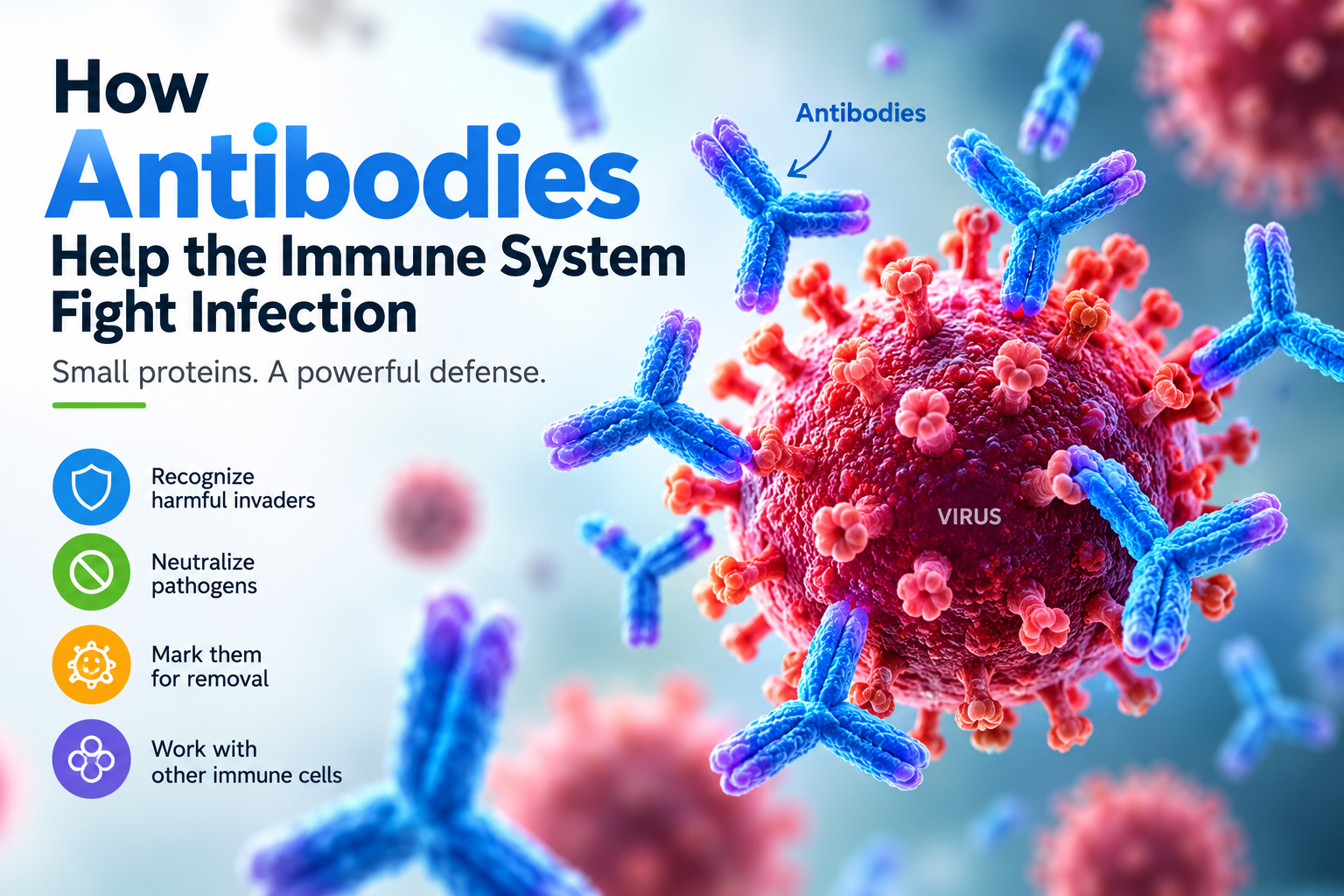
How Antibodies Help the Immune System Fight Infection
Understanding how antibodies work provides a clearer picture of why people develop immunity after certain infections or vaccinations and why the immune system can respond more effectively when it encounters a familiar pathogen again.
Read article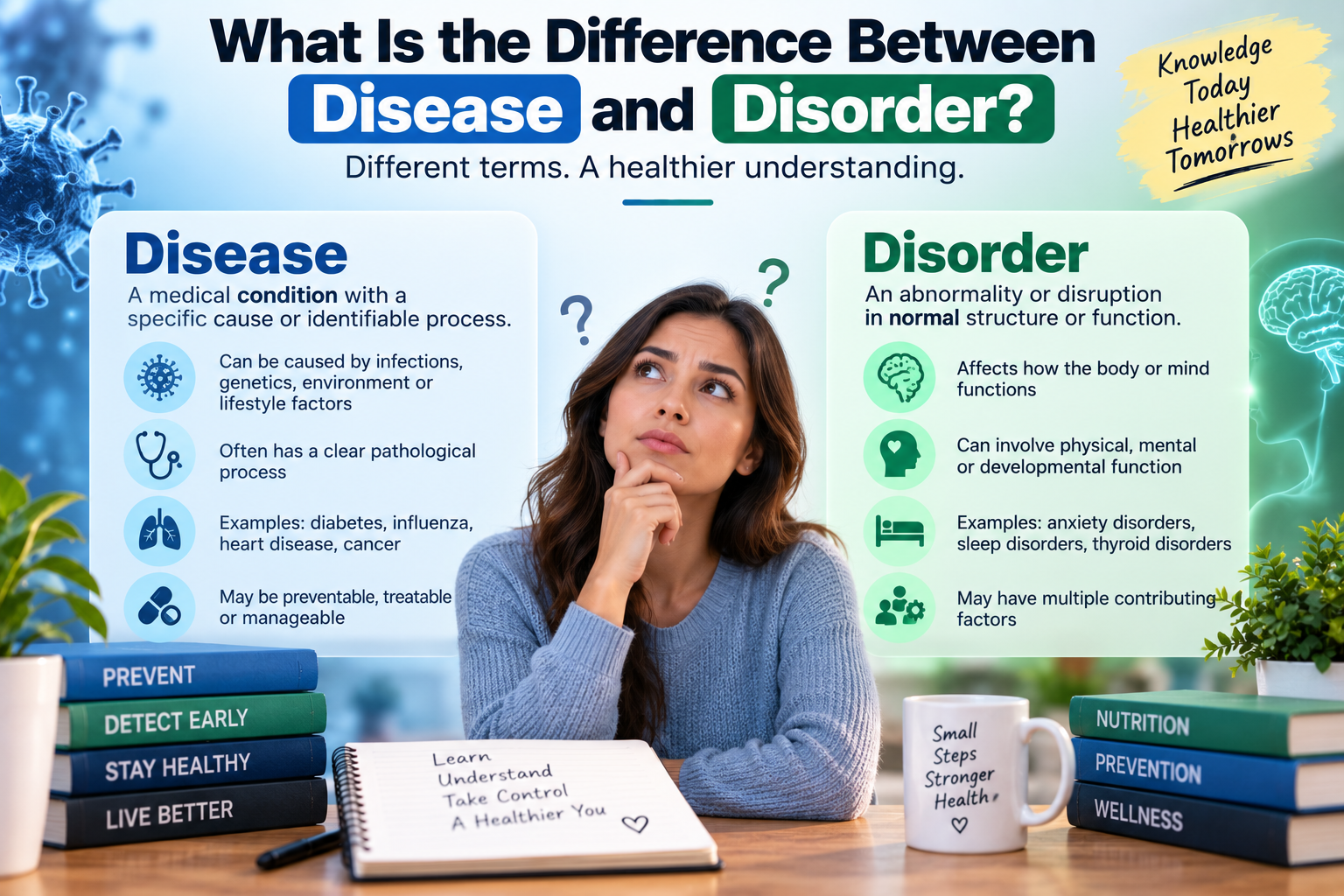
What Is the Difference Between Disease and Disorder
Understanding the distinction can make health information easier to interpret and help explain why doctors sometimes use one term rather than the other.
Read article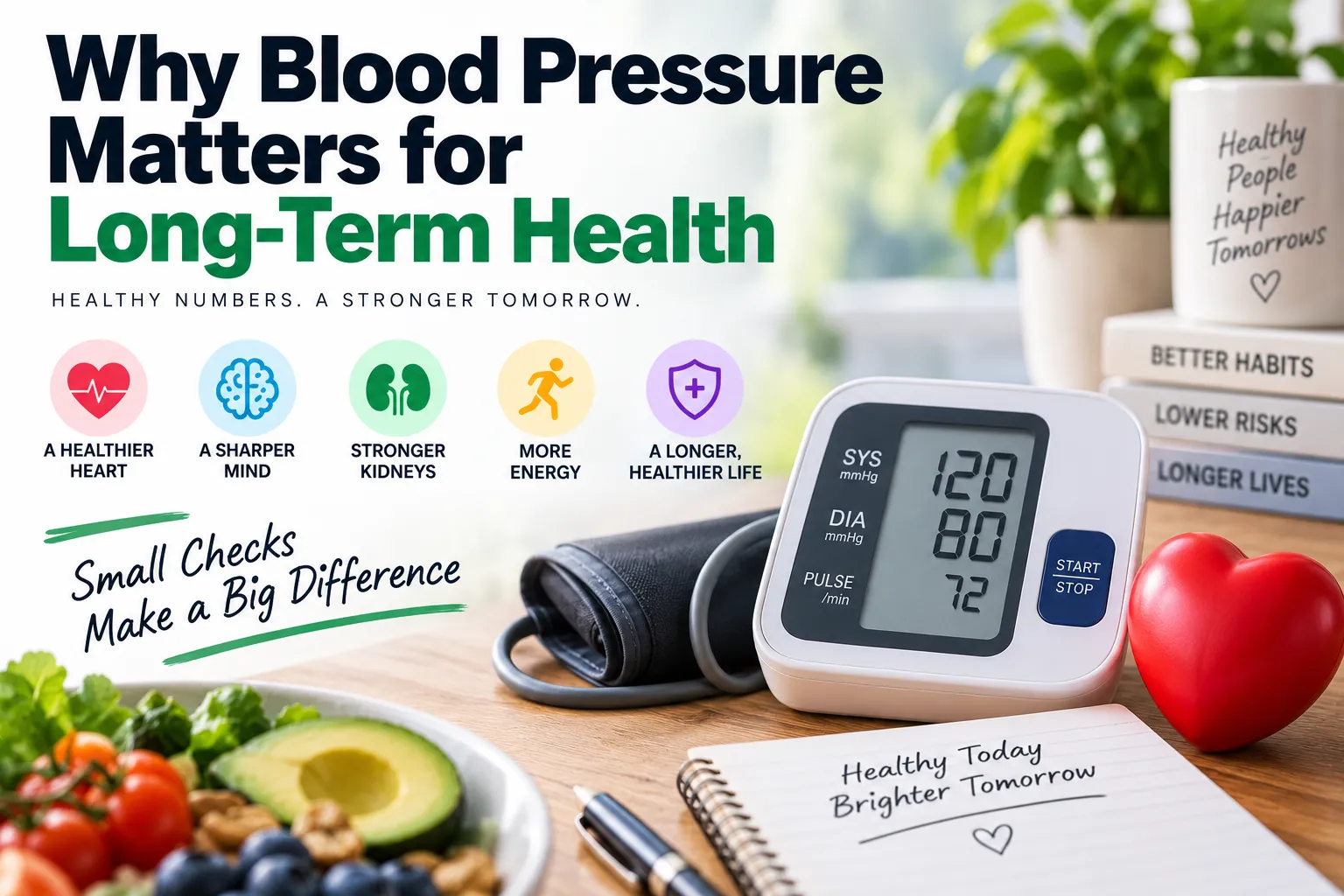
Why Blood Pressure Matters for Long-Term Health
Understanding why blood pressure matters can make it easier to recognize the importance of routine screening, healthy habits and appropriate treatment.
Read article

Join 10,000+ Readers Building Healthier Habits
Get actionable wellness tips every week plus our newest articles delivered straight to your inbox.