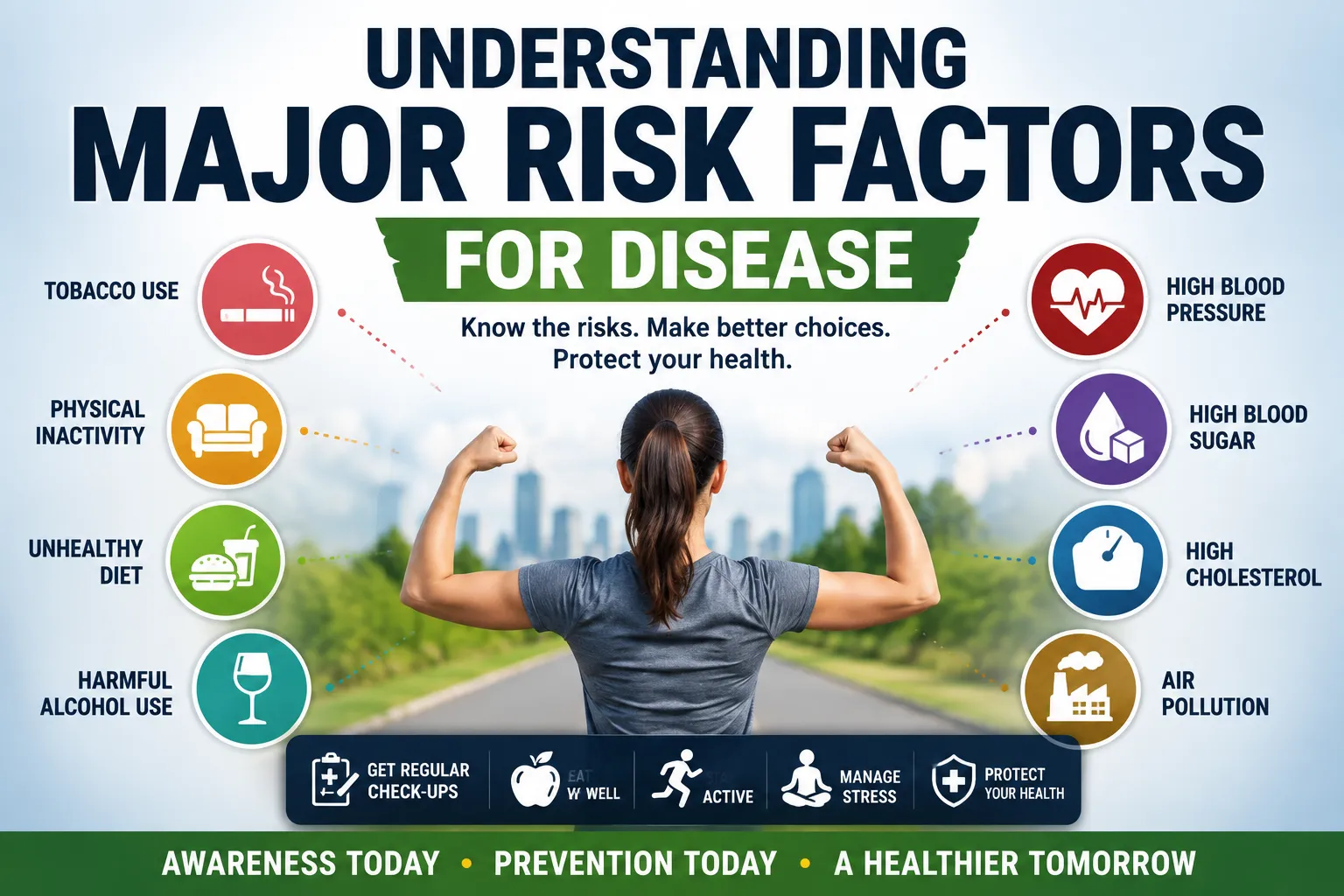

Understanding Major Risk Factors for Disease
Disease rarely has a single cause.
For many common health conditions, illness develops through an interaction between genetics, age, environment, lifestyle, existing health conditions, and access to healthcare. Some risk factors cannot be changed, while others can be reduced through everyday choices, preventive care, and appropriate treatment.
Understanding these factors is important because having a risk factor does not mean that someone will definitely develop a disease. It means the likelihood may be higher than it would otherwise be.
The distinction matters. Risk is about probability, not certainty.
For many major noncommunicable diseases—including heart disease, stroke, cancer, diabetes, and chronic respiratory diseases—several risk factors can be identified and, in many cases, modified. Major preventable contributors include tobacco use, physical inactivity, unhealthy diets, harmful alcohol use, and air pollution.
Understanding risk factors is an important part of healthy living and what it includes, because healthy living involves more than individual habits alone.
What Is a Disease Risk Factor?
A risk factor is an attribute, characteristic, behavior, or exposure associated with an increased likelihood of developing a particular disease.
Risk factors can take many forms.
For example:
-
Smoking increases the risk of numerous diseases.
-
High blood pressure increases the risk of cardiovascular complications.
-
Certain inherited genetic changes can increase susceptibility to particular conditions.
-
Long-term exposure to air pollution can contribute to respiratory and cardiovascular disease.
-
Increasing age is associated with a higher risk of many chronic conditions.
-
Certain infections can increase the risk of specific cancers or other diseases.
Risk factors can also interact. Someone may have several factors that collectively increase their overall risk more than any one factor alone.
Modifiable and Non-Modifiable Risk Factors
One of the most useful ways to understand disease risk is to divide risk factors into two broad categories.
Modifiable risk factors
These are factors that can potentially be changed or reduced.
Examples include:
-
Tobacco use
-
Physical inactivity
-
Unhealthy dietary patterns
-
Harmful alcohol consumption
-
High blood pressure
-
High cholesterol
-
Elevated blood glucose
-
Certain environmental exposures
Non-modifiable risk factors
These are characteristics that generally cannot be changed.
Examples include:
-
Age
-
Family history
-
Genetic characteristics
-
Biological sex
-
Some conditions present from birth
The distinction does not mean that people are responsible for every aspect of their health. Health is also strongly influenced by circumstances such as income, education, housing, working conditions, environmental exposure, and access to healthcare.
Tobacco Use Is a Major Preventable Risk
Tobacco remains one of the most important preventable contributors to disease.
Smoking and exposure to secondhand smoke are associated with numerous health problems, including cardiovascular disease, respiratory disease, and several forms of cancer.
Tobacco use is one of the major behavioral risk factors for noncommunicable diseases.
The risk is not limited to cigarettes. Other tobacco products can also expose users to harmful substances.
For people who smoke, quitting can substantially improve health prospects. The earlier someone quits, the greater the potential benefit, but stopping later in life can still be valuable.
Reducing exposure to secondhand smoke is also important, particularly for children and other people who do not smoke themselves.
Physical Inactivity Can Increase Disease Risk
Modern lifestyles can make it easy to spend much of the day sitting.
Insufficient physical activity is associated with increased risk of several major noncommunicable diseases, including cardiovascular disease, diabetes, and some cancers.
Physical activity does not necessarily mean intense gym workouts.
Depending on an individual’s abilities and circumstances, it can include:
-
Walking
-
Cycling
-
Swimming
-
Dancing
-
Gardening
-
Recreational sports
-
Strength exercises
-
Active household tasks
The important principle is to reduce prolonged inactivity and incorporate regular movement into daily life.
People who have been inactive for a long time or have significant health conditions should choose activity appropriate to their circumstances and seek professional advice when necessary.
Diet Can Influence Long-Term Health
Food choices can affect several pathways involved in disease risk.
An unhealthy dietary pattern may contribute to excess calorie intake, elevated blood pressure, abnormal blood lipids, elevated blood glucose, and unhealthy weight gain.
A health-supporting dietary pattern generally emphasizes a variety of nutrient-rich foods, such as:
-
Vegetables
-
Fruits
-
Whole grains
-
Beans and lentils
-
Nuts and seeds
-
Fish and other nutritious protein sources
-
Foods containing healthy unsaturated fats
The objective is not to create a perfect diet.
Instead, long-term dietary patterns matter more than one meal or one food.
Harmful Alcohol Use Raises Health Risks
Alcohol consumption can affect health in multiple ways.
Alcohol is associated with a range of health problems, including certain cancers, cardiovascular conditions, liver disease, and injuries.
Risk can vary depending on factors such as:
-
Amount consumed
-
Frequency of consumption
-
Drinking patterns
-
Age
-
Existing health conditions
-
Medication use
Some people should avoid alcohol altogether, including individuals for whom drinking presents a particular medical or safety risk.
Understanding how alcohol affects long-term health provides additional context for why alcohol consumption can be an important part of an individual’s overall risk profile.
High Blood Pressure Can Be a Silent Risk
High blood pressure, or hypertension, is particularly important because people can have it without obvious symptoms.
Over time, uncontrolled high blood pressure can increase the risk of serious cardiovascular complications.
Because hypertension may not produce noticeable warning signs, checking blood pressure is an important part of preventive healthcare.
If high blood pressure is diagnosed, lifestyle changes and, when necessary, prescribed medication can help control it.
This is one reason preventive healthcare matters even when a person feels healthy.
High Cholesterol Can Affect Cardiovascular Risk
Cholesterol is essential to normal bodily functions, but abnormal blood lipid levels can contribute to cardiovascular disease.
Diet, physical activity, genetics, age, and other factors can influence cholesterol levels.
Some people with healthy lifestyles can still have elevated cholesterol because of inherited characteristics or other medical factors.
That is why knowing personal risk factors and discussing appropriate testing with a healthcare professional can be important.
Elevated Blood Glucose Matters
Persistently elevated blood glucose can be associated with diabetes and its complications.
Risk can be influenced by:
-
Genetics
-
Body composition
-
Physical activity
-
Dietary patterns
-
Age
-
Certain medical conditions
-
Some medications
Type 2 diabetes risk can sometimes be reduced through lifestyle changes, although genetics and other factors also play important roles.
People who have risk factors for diabetes may benefit from discussing appropriate screening with a healthcare professional.
Overweight and Obesity Can Affect Disease Risk
Body weight is only one part of health, but excess body fat—particularly when associated with metabolic abnormalities—can increase the risk of several chronic conditions.
Importantly, weight should not be viewed in isolation.
Health professionals may consider factors such as:
-
Blood pressure
-
Blood glucose
-
Cholesterol
-
Physical fitness
-
Waist circumference
-
Family history
-
Existing medical conditions
The goal of prevention should be better health rather than simply achieving a particular appearance.
Air Pollution Is an Environmental Risk Factor
Disease risk is not determined solely by personal behavior.
Air pollution is an important environmental exposure associated with health risks, particularly for cardiovascular and respiratory conditions.
Air pollution can come from several sources, including traffic, industrial activity, household fuels, and other forms of combustion.
This illustrates why disease prevention also requires healthy environments and effective public-health policies.
Genetics and Family History Matter
Some disease risks are influenced by inherited genetic characteristics.
A family history of a particular condition may indicate an increased susceptibility, although it does not guarantee that someone will develop the disease.
Genetics can influence the risk of conditions such as:
-
Certain cancers
-
Cardiovascular disease
-
Diabetes
-
Some neurological disorders
-
Inherited metabolic conditions
Family history can therefore be useful information when discussing health with a healthcare professional.
For some conditions, particularly those involving strong inherited patterns, genetic counseling or testing may be appropriate.
For a deeper look at this subject, see how genetics can influence individual health risks.
Age Changes the Risk of Many Diseases
Age is another major non-modifiable risk factor.
The likelihood of developing many chronic diseases increases with age, partly because biological changes accumulate over time.
However, aging does not mean that illness is inevitable.
Healthy behaviors, preventive healthcare, treatment of existing risk factors, and appropriate screening can all contribute to healthier aging.
People of different ages also face different risk profiles, which is why prevention strategies should be individualized rather than based solely on age.
Maintaining healthy behaviors throughout life can also support healthy aging.
Infections Can Also Cause Long-Term Disease
Not all disease risk factors involve lifestyle.
Certain infectious agents can contribute to chronic disease.
For example, some viral or bacterial infections can increase the risk of particular cancers or other long-term conditions.
This is one reason vaccination, infection prevention, testing, and appropriate treatment can be important components of disease prevention.
The broader lesson is that disease prevention involves multiple layers rather than simply eating well and exercising.
Social and Economic Conditions Affect Health
Health risks are also shaped by the circumstances in which people live.
These can include:
-
Income
-
Education
-
Housing
-
Employment
-
Working conditions
-
Social support
-
Physical environment
-
Access to resources
These factors can influence exposure to health risks and people’s ability to make healthy choices.
For example, telling someone to eat a healthier diet is less useful if nutritious food is unavailable or unaffordable.
Likewise, encouraging physical activity can be difficult where people lack safe spaces for exercise.
Understanding these factors helps avoid placing all responsibility for disease prevention on individuals.
Stress and Mental Health Can Influence Overall Health
Mental and physical health are closely connected.
Long-term stress can affect sleep, behavior, blood pressure, eating patterns, and other aspects of health.
Mental health conditions can also make it harder to maintain routines involving exercise, nutrition, medication adherence, or preventive care.
This does not mean that stress directly causes every physical disease. Rather, mental health is one component of a much broader network of biological, behavioral, and social factors.
Supporting mental health can therefore be an important part of comprehensive disease prevention.
Occupational and Environmental Exposures Matter
Some people encounter health risks because of where they work or live.
Examples can include exposure to:
-
Dust
-
Chemicals
-
Excessive noise
-
Radiation
-
Air pollutants
-
Hazardous materials
-
Extreme temperatures
Workplace safety measures and appropriate protective equipment can reduce exposure to certain hazards.
People who regularly work around potentially harmful substances should follow occupational safety procedures and seek professional guidance when exposure is suspected.
Why Risk Factors Often Work Together
Disease risk is rarely a simple equation.
Consider someone who has a family history of cardiovascular disease. Genetics may increase their susceptibility, but other factors—such as smoking, high blood pressure, inactivity, or high cholesterol—may further affect their overall risk.
Conversely, someone with a strong family history may be able to reduce some modifiable risks through healthy behaviors and appropriate medical care.
This is why looking at the whole risk profile is more useful than focusing on one factor in isolation.
Prevention Starts With Knowing Your Risk Profile
There is no single checklist that works equally well for everyone.
A useful starting point is understanding:
-
Your age
-
Family medical history
-
Existing health conditions
-
Blood pressure
-
Relevant cholesterol levels
-
Blood glucose when appropriate
-
Tobacco exposure
-
Alcohol consumption
-
Physical activity
-
Dietary patterns
-
Weight and other relevant measures
-
Medications
-
Occupational exposures
-
Environmental exposures
A healthcare professional can help determine which factors are particularly important for an individual and whether screening or other preventive measures are appropriate.
Screening Can Detect Problems Before Symptoms Appear
Some diseases can be easier to manage when detected early.
Screening involves checking people who may not have symptoms to identify disease or increased risk.
Depending on a person’s age, sex, medical history, family history, and other factors, appropriate preventive services may include assessments for conditions such as:
-
High blood pressure
-
Diabetes
-
Certain cancers
-
Abnormal cholesterol
-
Other health problems
Screening recommendations vary between countries and individuals, so people should follow guidance from qualified healthcare professionals and relevant public-health authorities rather than assuming that every available test is necessary.
A more detailed look at essential health screenings for men and women explains why appropriate screening depends on individual circumstances.
Reducing Risk Does Not Mean Eliminating Risk
One of the most important concepts in disease prevention is that risk reduction is not risk elimination.
Someone can exercise regularly, eat a balanced diet, avoid tobacco, and still develop a disease.
Likewise, having an unhealthy risk factor does not guarantee that a person will become ill.
Genetics, chance, environmental exposures, aging, infections, and other factors can all play roles.
The purpose of prevention is therefore not to promise perfect health. It is to reduce avoidable risks and identify problems early enough to improve outcomes where possible.
Practical Ways to Reduce Common Disease Risks
Although prevention needs to be individualized, several broad strategies have strong relevance across many chronic diseases.
Avoid tobacco
If you smoke, consider evidence-based cessation support rather than relying solely on willpower.
Stay physically active
Build regular movement into daily life according to your abilities and health status.
Eat a balanced diet
Prioritize a variety of nutrient-rich foods and limit excessive amounts of salt, added sugars, and unhealthy fats.
Maintain healthy blood pressure
Have your blood pressure checked and follow medical advice if it is elevated.
Monitor relevant metabolic health
Depending on your circumstances, this may include cholesterol and blood glucose testing.
Limit harmful alcohol use
Avoid excessive consumption and discuss alcohol with a healthcare professional if you have concerns about its effect on your health.
Protect yourself from environmental hazards
Reduce exposure to tobacco smoke, polluted air, hazardous chemicals, and other preventable environmental risks when possible.
Keep recommended vaccinations current
Vaccination can help prevent certain infectious diseases and their complications.
Get appropriate preventive care
Do not wait for symptoms before discussing relevant screening and risk factors with a healthcare professional.
The Most Important Risk Factors Are Not Always Visible
Some of the most significant health risks can exist without obvious symptoms.
High blood pressure may cause no warning signs. Elevated cholesterol can go unnoticed. Early metabolic changes may not make someone feel sick.
This is why preventive healthcare matters.
Feeling healthy today does not necessarily mean every important health measure is within a healthy range.
At the same time, an abnormal measurement does not automatically mean that serious disease is present. Tests and measurements need to be interpreted in the context of the individual.
Prevention Is About More Than Personal Choices
Understanding disease risk changes the way prevention should be viewed.
Some risks are directly modifiable. Others are inherited or associated with aging. Still others arise from environmental and social conditions that individuals cannot easily control.
The strongest prevention strategy therefore combines healthy everyday behaviors, appropriate medical care, early detection, safer environments, and access to reliable health information.
Knowing these factors does not mean living in fear of disease. It means having better information about where prevention can make a difference.
The goal is not to control every possible risk. It is to recognize the risks that can be changed, monitor the ones that cannot, and take sensible steps that support better health over the long term.
Continue Reading
Similar Posts
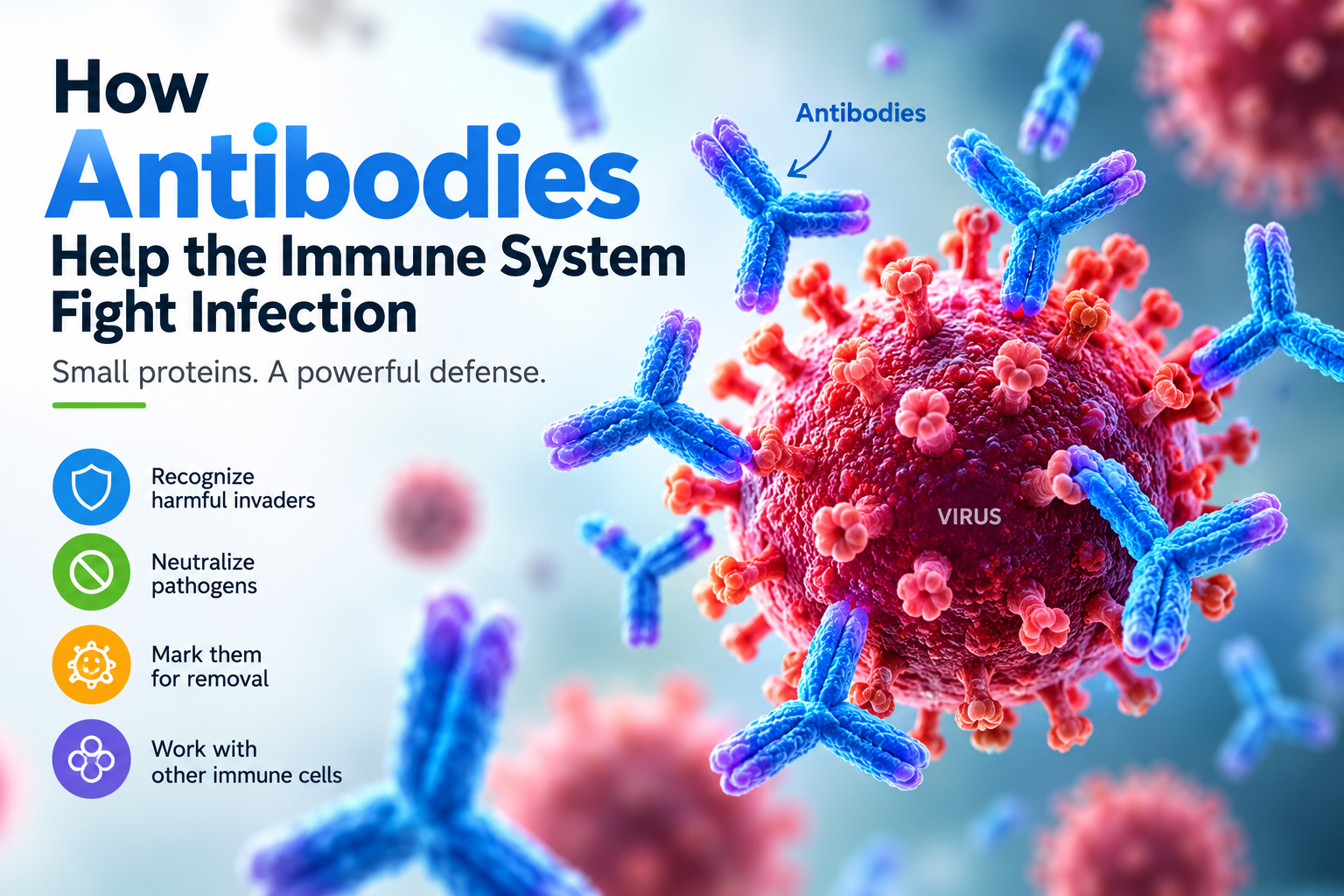
How Antibodies Help the Immune System Fight Infection
Understanding how antibodies work provides a clearer picture of why people develop immunity after certain infections or vaccinations and why the immune system can respond more effectively when it encounters a familiar pathogen again.
Read article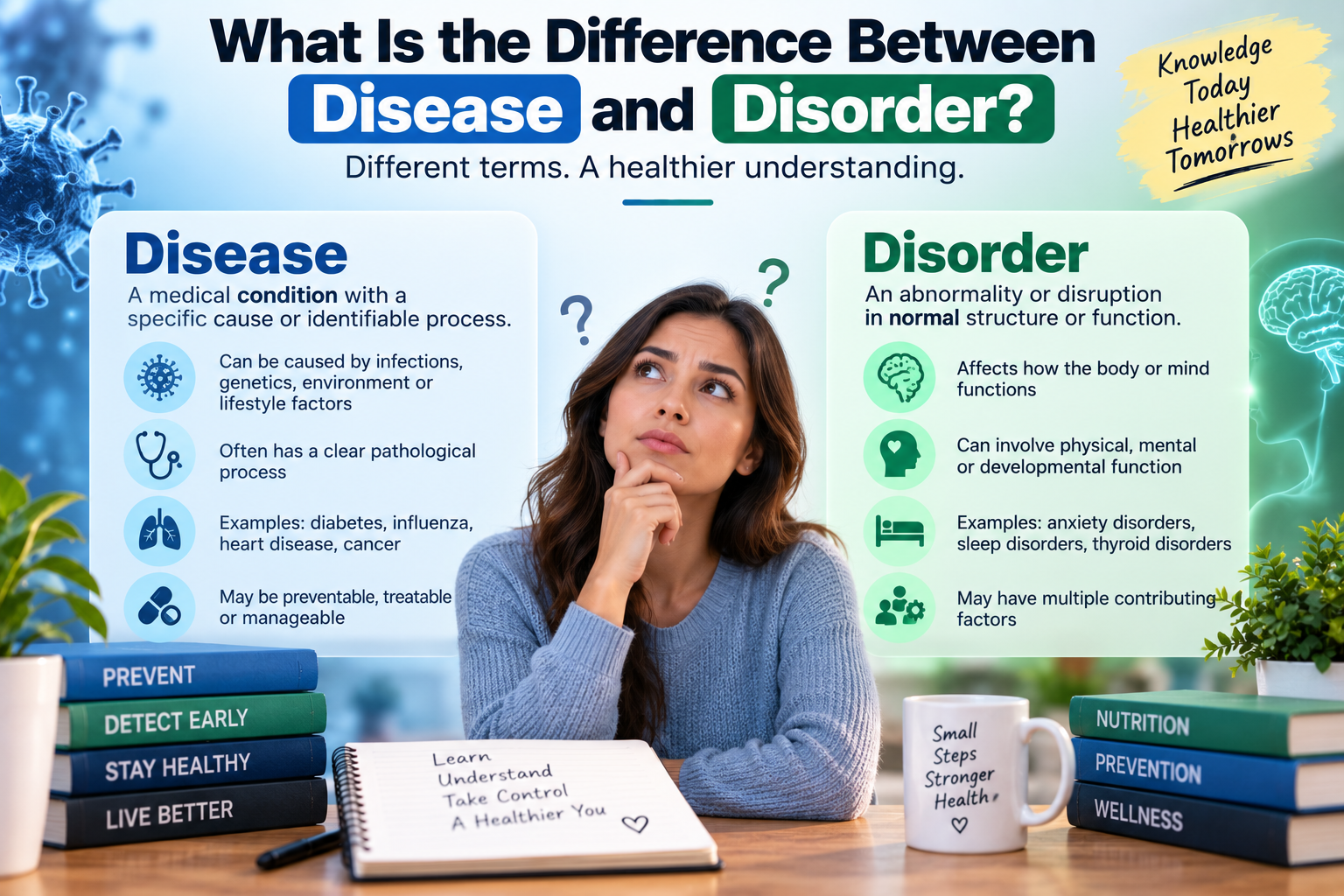
What Is the Difference Between Disease and Disorder
Understanding the distinction can make health information easier to interpret and help explain why doctors sometimes use one term rather than the other.
Read article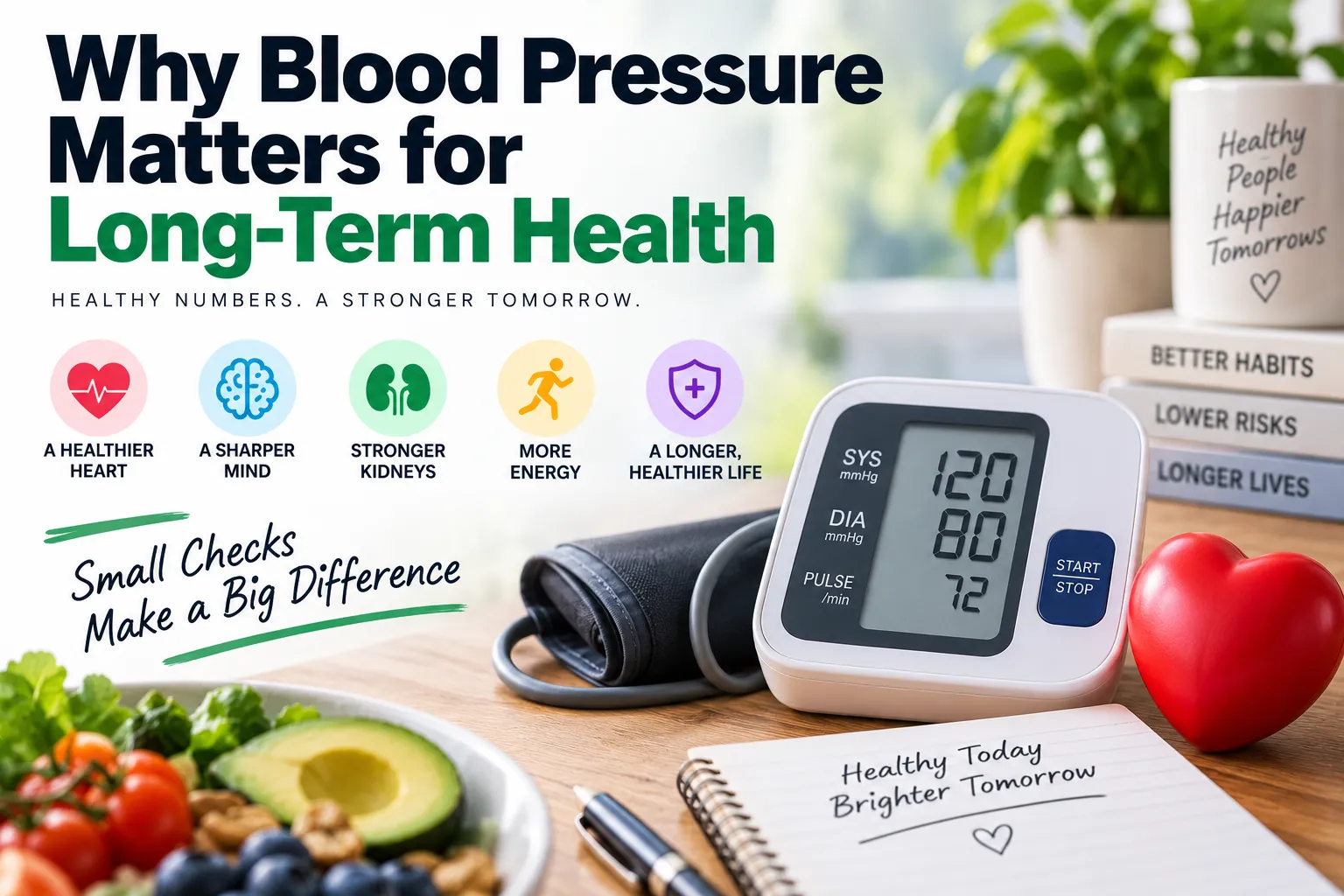
Why Blood Pressure Matters for Long-Term Health
Understanding why blood pressure matters can make it easier to recognize the importance of routine screening, healthy habits and appropriate treatment.
Read article

Join 10,000+ Readers Building Healthier Habits
Get actionable wellness tips every week plus our newest articles delivered straight to your inbox.