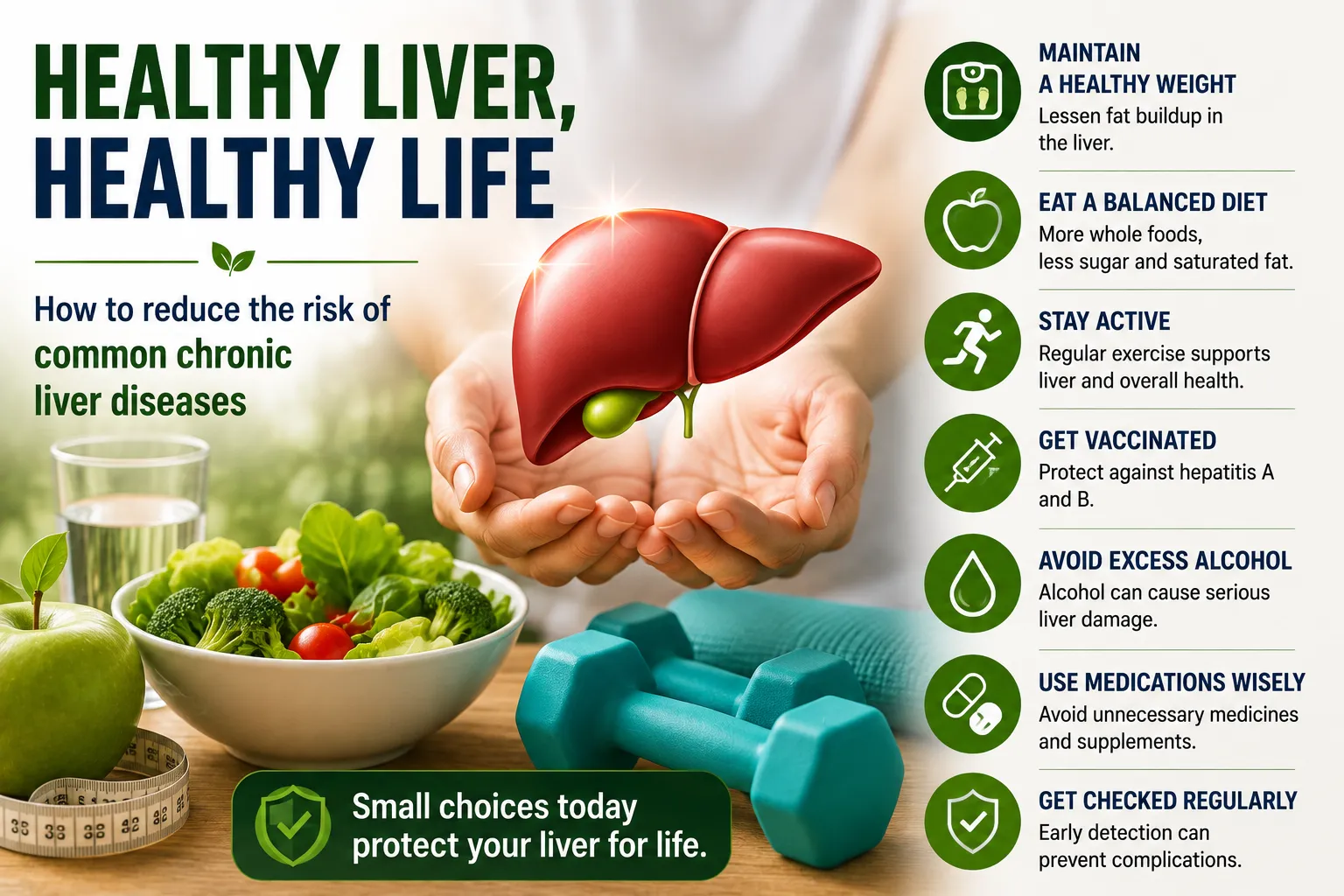

How to Reduce the Risk of Common Chronic Liver Diseases
The liver quietly performs hundreds of jobs every day. It helps process nutrients, produces important proteins, stores energy, breaks down substances the body no longer needs, and plays a central role in digestion and metabolism.
Because it works largely in the background, liver health can be easy to overlook.
Many chronic liver diseases can develop gradually, sometimes causing few or no noticeable symptoms in their early stages. Long-term liver injury can eventually lead to fibrosis, cirrhosis, liver failure, or liver cancer. Common causes include metabolic dysfunction-associated steatotic liver disease (MASLD), alcohol-associated liver disease, and chronic viral hepatitis.
The encouraging news is that several important risk factors can be addressed.
Healthy eating, regular physical activity, maintaining a healthy weight, preventing viral hepatitis, using medicines responsibly, and avoiding unnecessary exposure to substances that can damage the liver can all contribute to better long-term liver health.
For a broader overview of major conditions, their risk factors, and practical prevention strategies, see our complete guide to common health conditions.
What Are Chronic Liver Diseases?
Chronic liver disease describes liver damage or inflammation that persists over a prolonged period.
There are many different types, including:
- Metabolic dysfunction-associated steatotic liver disease (MASLD)
- Alcohol-associated liver disease
- Chronic hepatitis B
- Chronic hepatitis C
- Autoimmune liver diseases
- Genetic liver disorders
- Drug- or supplement-induced liver injury
Some causes can be prevented or reduced through lifestyle and public-health measures, while others are influenced by genetics or immune-system disorders and require medical management.
The goal of prevention is therefore not to eliminate every possible risk but to address the factors that can realistically be changed.
Why Liver Disease Can Go Unnoticed
One of the challenges with liver disease is that significant damage can develop without obvious symptoms.
MASLD, for example, often causes few or no symptoms, even when liver damage is progressing.
Someone may therefore feel perfectly well while having risk factors such as obesity, type 2 diabetes, abnormal blood fats, or metabolic syndrome.
This is one reason managing overall metabolic health is important even when there are no obvious liver symptoms.
Maintain a Healthy Weight
Excess body weight—particularly when accompanied by metabolic problems—is an important risk factor for fatty liver disease.
Overweight and obesity are associated with fatty liver disease, while insulin resistance, type 2 diabetes, abnormal blood fats and metabolic syndrome can further increase risk.
Maintaining a healthy weight can therefore be one of the most useful long-term strategies for protecting liver health.
That does not mean pursuing rapid or extreme weight loss.
Gradual, sustainable changes are generally more appropriate.
Even Modest Weight Loss Can Help
For people who already have fatty liver disease and are overweight or have obesity, weight loss can reduce fat accumulation in the liver.
Losing at least 3% to 5% of body weight may reduce liver fat, while greater weight loss may be needed to reduce inflammation and fibrosis.
The exact target should be individualized.
The broader lesson is that meaningful improvements do not necessarily require reaching an idealized body weight.
Even modest changes can have metabolic benefits.
Avoid Crash Diets
Trying to lose weight extremely quickly is not a good strategy for liver health.
Rapid weight loss and malnutrition can make liver disease worse.
Instead of extreme calorie restriction, focus on sustainable changes such as:
- Smaller portions
- More vegetables
- More whole foods
- Regular physical activity
- Fewer sugary drinks
- Less highly processed food
- Consistent eating patterns
The goal is to create habits that can be maintained for years rather than a diet that lasts a few weeks.
Eat More Whole Foods
A liver-friendly eating pattern does not need to be complicated.
Dietary approaches that emphasize foods such as fruits, vegetables and whole grains while limiting foods high in saturated and trans fats and reducing large amounts of added sugars can support better metabolic health.
A practical plate might include:
- Plenty of vegetables
- A source of protein
- Whole grains or another high-fiber carbohydrate
- Healthy sources of fat
- Fruit as an option for dessert or snacks
The emphasis should be on the overall dietary pattern rather than a single “liver-cleansing” food.
Reduce Sugary Drinks
Sweetened beverages can provide substantial amounts of sugar and calories without creating much fullness.
Avoiding drinks containing large amounts of simple sugars, including sweetened soft drinks and other sugary beverages, can be a practical dietary change when addressing fatty liver disease.
Replacing sugary drinks with water or unsweetened beverages can therefore be a practical dietary change.
This can also support weight management and metabolic health.
Be Careful With Alcohol
Alcohol is processed by the liver, and excessive alcohol consumption can cause liver injury.
Alcohol-associated liver disease can progress from fat accumulation to inflammation and, in some people, scarring and cirrhosis.
For people who already have alcohol-associated liver disease, completely stopping alcohol consumption may be recommended by their healthcare professional.
For people without liver disease, decisions about alcohol should take individual health circumstances into account.
If you have liver disease, asking a healthcare professional specifically about alcohol is particularly important.
Exercise Regularly
Physical activity is another important part of liver-health prevention.
Exercise can help with weight management and metabolic health, and physical activity can benefit fatty liver disease even without weight loss.
Activities can include:
- Brisk walking
- Cycling
- Swimming
- Dancing
- Jogging
- Strength training
- Recreational sports
The best activity is often the one you can perform consistently.
Combine Aerobic Exercise With Strength Training
A balanced fitness routine can include both cardiovascular and resistance exercise.
Aerobic activities can help improve cardiovascular fitness and energy expenditure, while strength training supports muscle mass and physical function.
You do not necessarily need expensive equipment.
Bodyweight exercises, resistance bands, walking hills, or appropriately selected weights can all be useful.
If you have not exercised regularly, start gradually and increase activity over time.
Manage Blood Sugar
Metabolic health and liver health are closely connected.
Insulin resistance and type 2 diabetes increase the likelihood of developing fatty liver disease.
Managing blood glucose through appropriate nutrition, physical activity, weight management and prescribed treatment can therefore be part of protecting the liver.
If you have diabetes or prediabetes, regular medical follow-up is important.
Pay Attention to Cholesterol and Triglycerides
Abnormal levels of blood fats are also associated with fatty liver disease.
High triglycerides and abnormal cholesterol levels are among metabolic factors associated with fatty liver disease.
That makes cholesterol and triglyceride management relevant beyond cardiovascular health.
If blood tests show abnormal levels, work with a healthcare professional to determine whether dietary changes, physical activity, medication or a combination is appropriate.
Prevent Hepatitis B
Chronic hepatitis B is an important cause of chronic liver disease, cirrhosis and liver cancer.
The good news is that hepatitis B can be prevented with vaccination.
Hepatitis B vaccination is a central part of prevention because chronic hepatitis B can persist for years and may cause serious liver complications.
Ask a healthcare professional whether you are vaccinated or need vaccination according to the recommendations where you live.
Understand How Hepatitis B Spreads
Hepatitis B can spread through contact with infected blood and certain body fluids.
Transmission routes include mother-to-child transmission during birth, sexual contact, unsafe injections and exposure to contaminated sharp instruments.
Practical prevention includes:
- Getting vaccinated
- Using sterile injection equipment
- Avoiding shared needles
- Practicing safer sex
- Ensuring tattoo and piercing equipment is properly sterilized
- Following appropriate infection-control practices
Hepatitis C Can Often Be Cured
Unlike hepatitis B, there is currently no vaccine for hepatitis C.
However, hepatitis C is now highly treatable, with antiviral medications capable of curing most infections.
This makes testing particularly important.
A person can have chronic hepatitis C without knowing it and may continue to experience liver damage over time.
Testing can identify an infection before serious complications develop.
Know When Hepatitis C Testing Is Appropriate
Testing may be recommended for adults and for people with certain risk factors, including current or previous injection-drug use, HIV infection, abnormal liver tests or known liver disease, and certain past blood or organ exposures.
People who may have been exposed should discuss testing with a healthcare professional.
Finding hepatitis C early can lead to treatment that prevents ongoing liver injury.
Do Not Share Items That Can Carry Blood
Small amounts of blood can potentially transmit bloodborne infections.
Avoid sharing personal items that may come into contact with blood, including:
- Needles
- Razors
- Toothbrushes
- Nail clippers
- Certain glucose-monitoring equipment
This is a simple but important part of preventing hepatitis C transmission.
Choose Licensed Tattoo and Piercing Facilities
Tattooing and body piercing can involve blood exposure.
Using an unlicensed or informal service increases the risk of unsafe equipment and infection.
Look for providers that follow appropriate infection-control and sterilization procedures.
Don’t Assume Herbal Products Are Safe
“Natural” does not automatically mean harmless.
Certain herbal products and dietary supplements can cause liver injury.
This is particularly important when products contain multiple ingredients or make aggressive claims about detoxification, weight loss, bodybuilding or rapid health improvements.
Before taking a supplement regularly, discuss it with a qualified healthcare professional.
Be Careful With Over-the-Counter Medicines
Some common medicines can affect the liver when taken incorrectly.
Acetaminophen, also known as paracetamol in many countries, is one important example. Excessive amounts can cause serious liver injury, and accidental overdosing can occur when people take multiple products containing the same ingredient.
Always follow the label instructions and check the active ingredients in combination medicines.
If you take several medicines, ask a pharmacist or healthcare professional whether they contain overlapping ingredients.
Tell Your Doctor About Every Medicine and Supplement
When discussing your health with a healthcare professional, mention:
- Prescription medicines
- Over-the-counter medicines
- Vitamins
- Herbal products
- Dietary supplements
- Traditional remedies
- Performance-enhancing products
This information can help clinicians identify potential interactions or sources of liver injury.
Don’t Try to “Detox” the Liver
The liver already performs its own detoxification functions.
Commercial “liver cleanses” and detox programs often promise to remove toxins or repair liver damage, but these claims should be treated cautiously.
Some detox products contain multiple herbs or supplements, and some herbal products can themselves cause liver injury.
Rather than trying to periodically “clean” the liver, focus on reducing the exposures and metabolic problems that can actually damage it.
Maintain a Healthy Blood Pressure and Metabolic Profile
Liver health does not exist separately from the rest of the body.
Conditions such as:
- High blood pressure
- High blood glucose
- Abnormal cholesterol
- High triglycerides
- Excess abdominal fat
- Insulin resistance
can occur together as part of metabolic syndrome and are associated with increased risk of fatty liver disease.
For more information about managing hypertension as part of broader long-term disease prevention, see our complete guide to high blood pressure.
Regular health checks can help identify these problems early.
Avoid Smoking and Other Unnecessary Toxins
Smoking is not usually described as a primary cause of chronic liver disease in the same way as viral hepatitis, metabolic dysfunction or excessive alcohol use.
Nevertheless, avoiding tobacco is an important part of overall health.
More broadly, avoid unnecessary exposure to chemicals and substances known to be harmful, particularly when appropriate protective equipment or safer alternatives are available.
Workplace exposure should be managed according to occupational-safety guidance.
Be Careful With Bodybuilding and Weight-Loss Products
Some products marketed for rapid muscle gain, fat loss or enhanced athletic performance can contain ingredients that may affect the liver.
The risk is especially concerning when products have undisclosed ingredients, are poorly regulated, or are taken in combinations.
If a product promises dramatic results with little effort, that is a good reason to investigate its ingredients and safety before using it.
Know Your Family History
Some liver diseases are influenced by inherited factors.
Examples include certain genetic disorders affecting iron or copper metabolism and other inherited conditions.
A family history of liver disease does not mean that you will necessarily develop the same condition.
However, it can be useful information for your healthcare professional when deciding whether additional evaluation is appropriate.
Don’t Ignore Persistent Symptoms
Liver disease can be silent, but symptoms can occur.
Possible warning signs include:
- Persistent fatigue
- Abdominal discomfort
- Yellowing of the skin or eyes
- Dark urine
- Pale stools
- Itching
- Swelling of the abdomen or legs
- Unexplained weight changes
These symptoms can have many possible causes and do not automatically indicate liver disease.
However, persistent or unexplained symptoms deserve medical evaluation.
Know When Liver Tests May Be Appropriate
There is no single blood test that can identify every liver condition.
Healthcare professionals may use:
- Liver enzyme tests
- Bilirubin measurements
- Other blood tests
- Viral hepatitis testing
- Ultrasound or other imaging
- Specialized fibrosis assessments
- Additional tests based on symptoms and risk factors
People with risk factors such as metabolic disease, heavy alcohol use, known viral hepatitis, abnormal liver tests, or a family history of certain liver disorders may need individualized evaluation.
Routine testing should be based on personal risk rather than assuming everyone needs the same liver screening program.
Don’t Wait for Symptoms if You Have Risk Factors
Because some liver diseases can be silent, waiting until symptoms appear is not always the best strategy.
If you have:
- Type 2 diabetes
- Obesity
- A history of heavy alcohol use
- Chronic hepatitis B or C
- Abnormal liver tests
- A family history of liver disease
- Long-term exposure to potentially liver-affecting medicines
talk to a healthcare professional about whether you need testing or monitoring.
Early identification can provide an opportunity to address risk factors before more advanced damage develops.
Protect the Liver If You Already Have Liver Disease
Prevention does not stop after diagnosis.
If you already have chronic liver disease, preventing additional injury becomes especially important.
Depending on the condition, this may involve:
- Avoiding alcohol
- Maintaining a healthy weight
- Treating viral hepatitis
- Controlling diabetes
- Managing cholesterol and triglycerides
- Taking prescribed medications correctly
- Avoiding unsafe supplements
- Receiving recommended vaccinations
- Attending follow-up appointments
For people with cirrhosis, avoiding alcohol and discussing medicines, supplements and complementary treatments with a doctor can be particularly important.
Vaccination Is Part of Liver Protection
People with certain chronic liver conditions may benefit from vaccination against additional infections that could place further stress on the liver.
For example, hepatitis A and hepatitis B vaccination may be recommended for people with cirrhosis when appropriate.
Your healthcare professional can determine which vaccines are appropriate based on your age, health status and existing immunity.
A Practical Liver-Health Checklist
For everyday prevention, the following checklist provides a useful starting point:
Eat well
- Emphasize vegetables, fruits and whole grains.
- Choose healthier sources of fat.
- Limit foods high in saturated and trans fats.
- Reduce sugary drinks and excessive added sugar.
- Pay attention to portion sizes.
Stay active
- Walk regularly.
- Include aerobic activity.
- Add strength training.
- Reduce prolonged periods of inactivity.
Manage metabolic health
- Maintain a healthy weight.
- Monitor blood glucose when appropriate.
- Manage cholesterol and triglycerides.
- Follow treatment for diabetes and other metabolic conditions.
Prevent infections
- Get recommended hepatitis B vaccination.
- Practice safer sex.
- Never share needles.
- Use reputable tattoo and piercing providers.
- Get tested for hepatitis C when recommended.
Protect against chemical and medication-related injury
- Follow medicine instructions.
- Avoid taking multiple products with the same active ingredient.
- Discuss supplements with a healthcare professional.
- Avoid unproven “detox” products.
- Tell clinicians about everything you take.
Limit alcohol-related risk
- Be aware of how alcohol can affect the liver.
- If you have liver disease, ask your healthcare professional whether you should avoid alcohol completely.
There Is No Single “Liver-Saving” Habit
The liver is affected by many different factors, so prevention is rarely about one dramatic lifestyle change.
A person may eat well but drink heavily.
Another may avoid alcohol but have poorly controlled diabetes and severe obesity.
Someone else may have a healthy lifestyle but unknowingly carry chronic hepatitis B or C.
Good liver health therefore comes from addressing the relevant risks for the individual.
Building Liver Health Into Everyday Life
The most useful liver-protection strategies are surprisingly ordinary.
Eat a balanced diet.
Move regularly.
Maintain a healthy weight.
Keep blood sugar and blood fats under control.
Avoid excessive alcohol.
Get vaccinated against hepatitis B when recommended.
Practice behaviors that reduce hepatitis transmission.
Use medicines responsibly.
Treat supplements with the same caution you would give medicines.
And seek medical advice when symptoms or risk factors warrant evaluation.
These steps cannot prevent every form of liver disease, particularly conditions driven by genetics or autoimmune processes. But they can address several of the major modifiable causes of chronic liver injury.
The bigger lesson is that liver health is closely connected to overall health. The same habits that support a healthy weight, stable blood sugar, cardiovascular health and safe medication use can also help protect one of the body’s most important organs.
For people concerned about kidney and urinary health as another important part of whole-body health, see our Complete Guide to Kidney and Urinary Health.
For a broader look at cardiovascular prevention and the conditions that can affect both heart and blood-vessel health, our heart disease prevention guide provides additional context.
When prevention becomes part of everyday life rather than an emergency response to abnormal test results, protecting the liver becomes a much more manageable long-term goal.
For people concerned about vascular complications that can affect multiple organs, including the liver and brain, our complete guide to stroke prevention is another relevant resource.
Continue Reading
Similar Posts
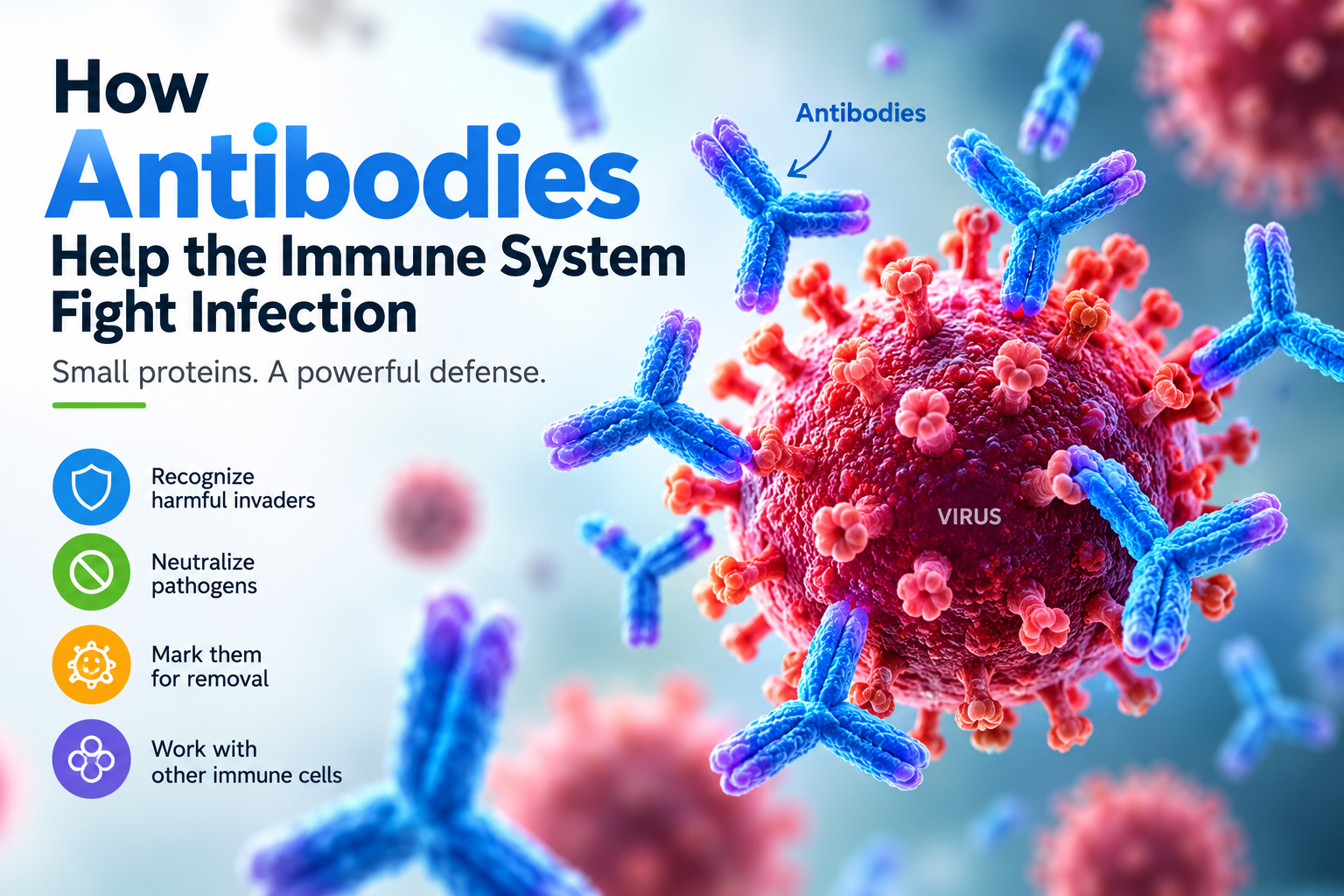
How Antibodies Help the Immune System Fight Infection
Understanding how antibodies work provides a clearer picture of why people develop immunity after certain infections or vaccinations and why the immune system can respond more effectively when it encounters a familiar pathogen again.
Read article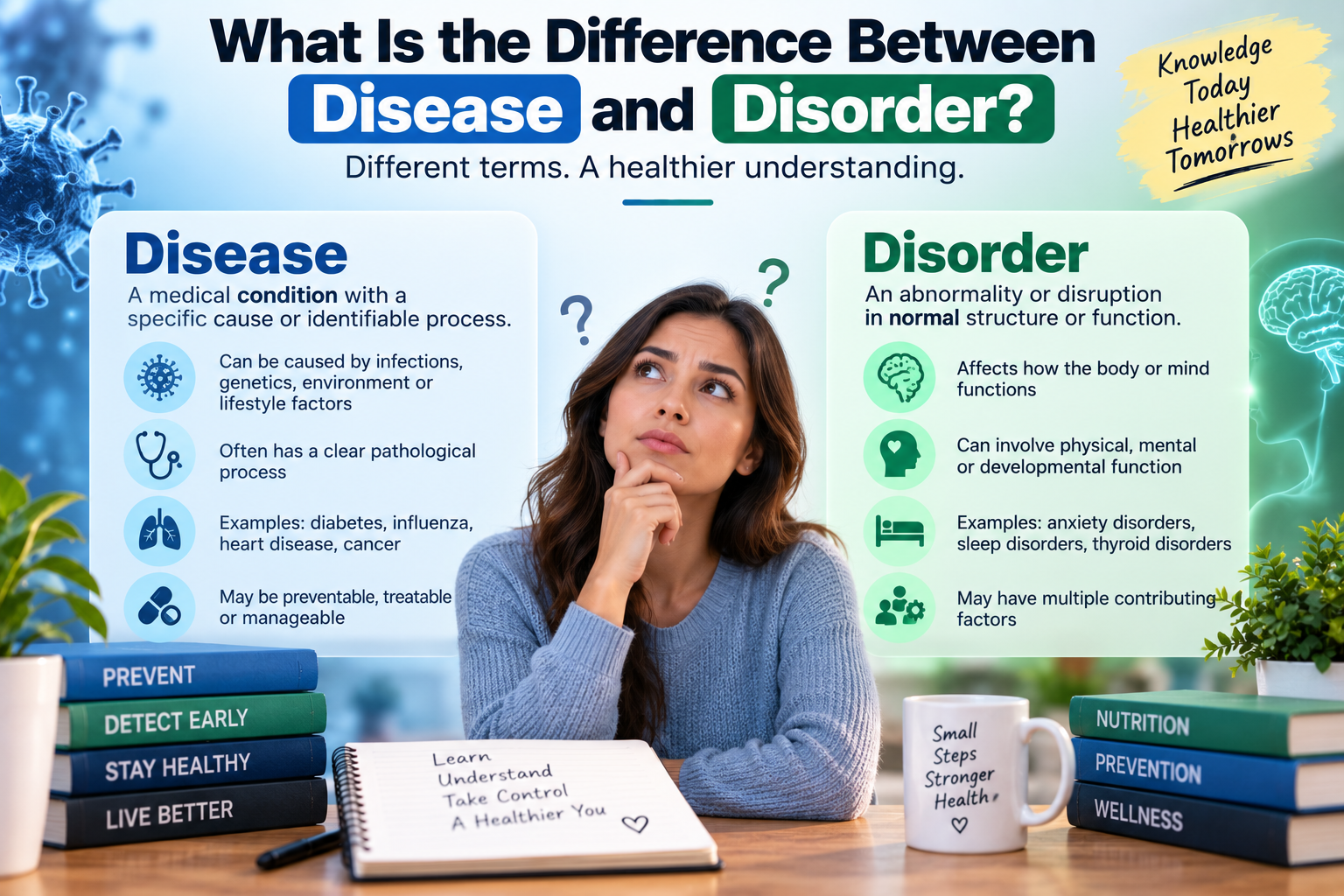
What Is the Difference Between Disease and Disorder
Understanding the distinction can make health information easier to interpret and help explain why doctors sometimes use one term rather than the other.
Read article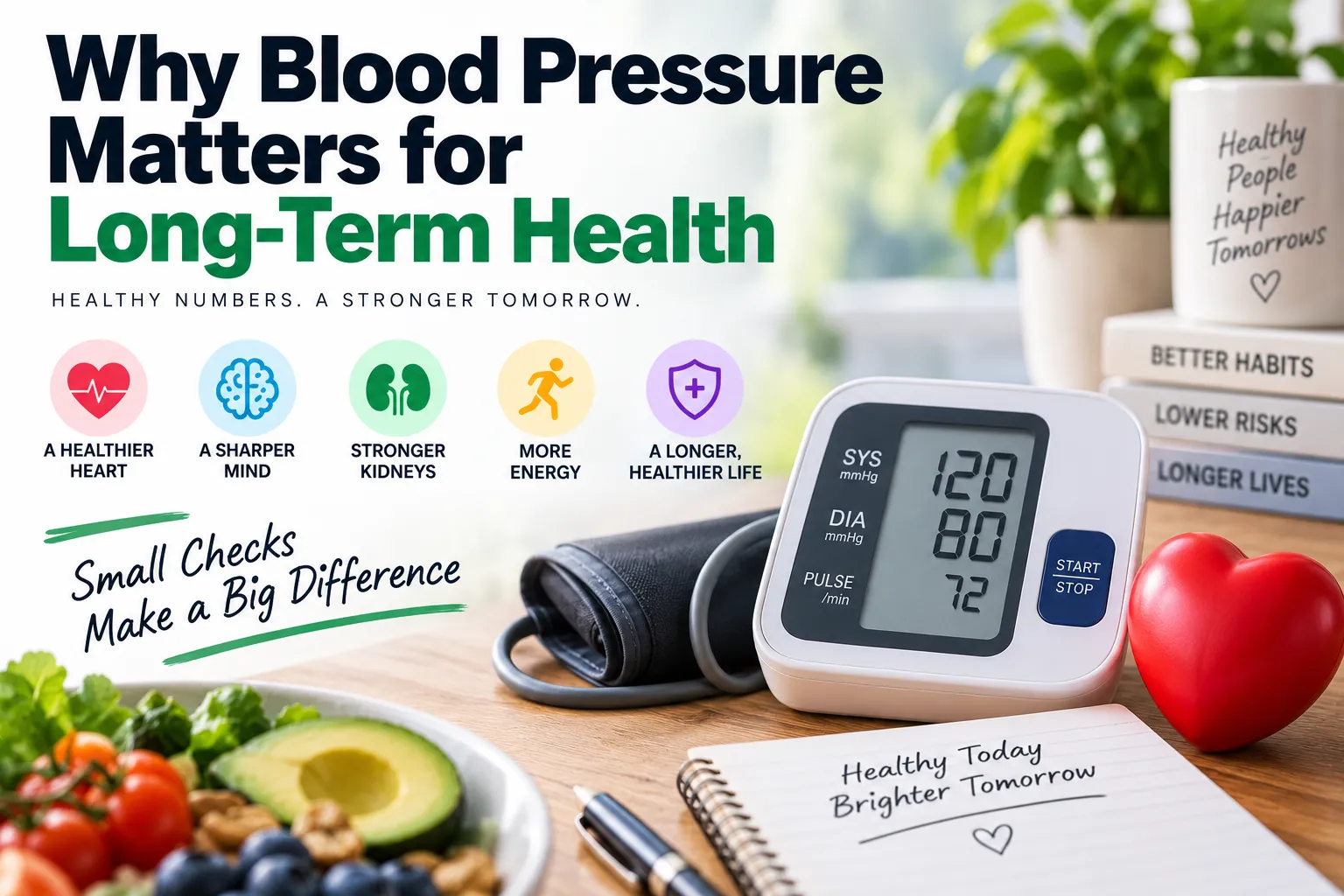
Why Blood Pressure Matters for Long-Term Health
Understanding why blood pressure matters can make it easier to recognize the importance of routine screening, healthy habits and appropriate treatment.
Read article

Join 10,000+ Readers Building Healthier Habits
Get actionable wellness tips every week plus our newest articles delivered straight to your inbox.