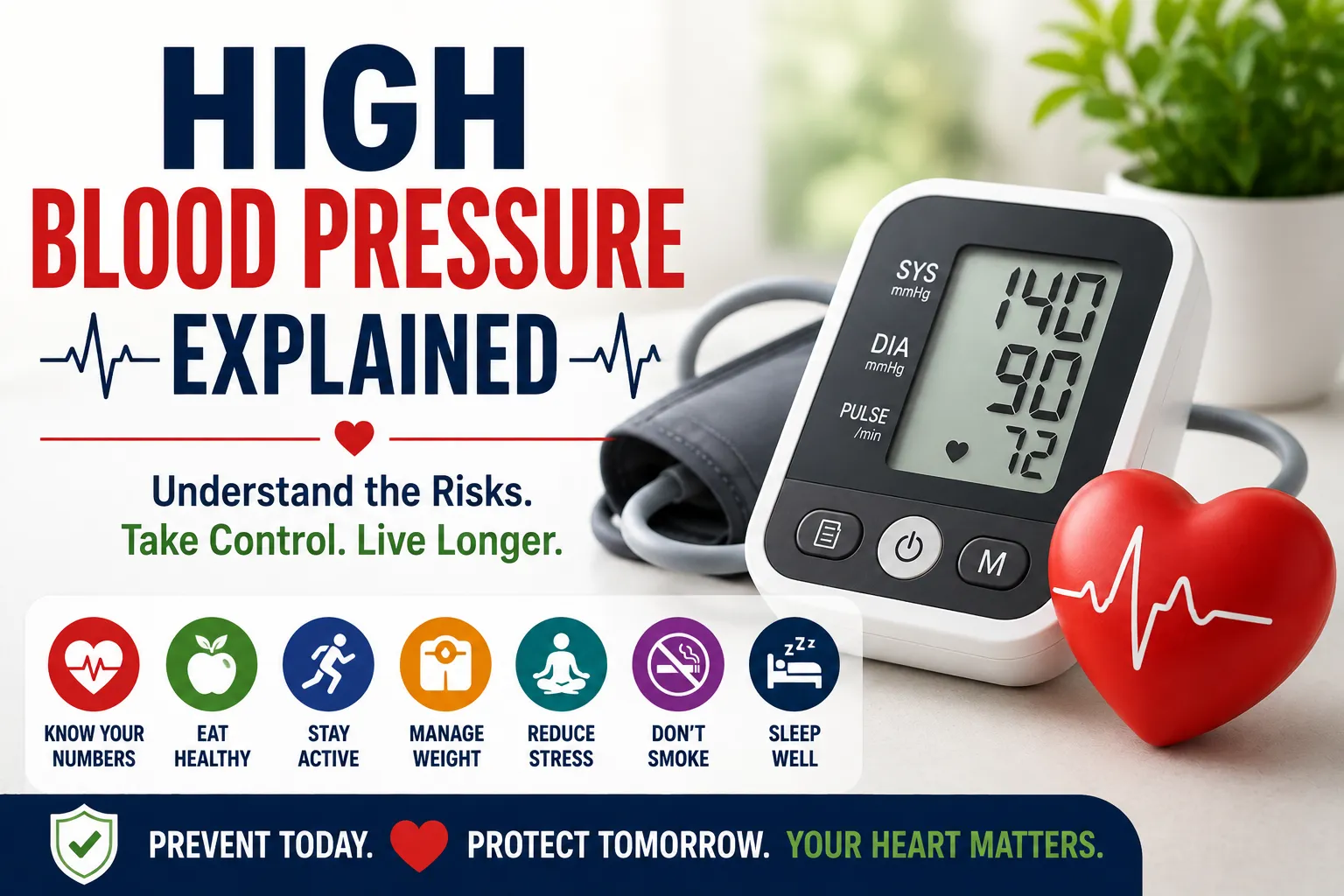

High Blood Pressure Explained
High blood pressure, also known as hypertension, is one of the most common chronic health conditions worldwide. Often called the “silent killer,” it usually develops without noticeable symptoms but can significantly increase the risk of heart disease, stroke, kidney disease, and other serious health problems.
The encouraging news is that high blood pressure can often be prevented, detected early through routine health screenings, and effectively managed through healthy lifestyle changes and, when appropriate, medication prescribed by a healthcare professional.
This guide explains what high blood pressure is, what causes it, its risk factors, symptoms, diagnosis, treatment options, and practical ways to reduce your risk. For a broader overview of chronic conditions, risk factors, and prevention strategies, see the Complete Guide to Common Health Conditions.
What Is High Blood Pressure?
Blood pressure is the force of blood pushing against the walls of your arteries as your heart pumps blood throughout your body.
A blood pressure reading contains two numbers:
-
Systolic pressure: The pressure when the heart contracts and pumps blood.
-
Diastolic pressure: The pressure when the heart relaxes between beats.
Blood pressure is measured in millimeters of mercury (mmHg) and recorded as:
Systolic / Diastolic
For example:
120/80 mmHg
Persistently elevated blood pressure places extra strain on the heart and blood vessels over time.
Why High Blood Pressure Matters
When blood pressure remains elevated for long periods, it can damage blood vessels and vital organs.
Potential complications include:
-
Heart attack
-
Stroke
-
Heart failure
-
Kidney disease
-
Vision problems
-
Peripheral artery disease
-
Cognitive decline
-
Aneurysms
Because hypertension often develops gradually, regular monitoring is essential. Understanding how hypertension relates to other cardiovascular conditions is also important, particularly because high blood pressure is a major risk factor for stroke prevention and long-term brain health.
Types of High Blood Pressure
Primary (Essential) Hypertension
Primary hypertension develops gradually over many years and has no single identifiable cause.
It is the most common form of high blood pressure.
Secondary Hypertension
Secondary hypertension results from another underlying medical condition or certain medications.
Examples may include:
-
Kidney disease
-
Hormonal disorders
-
Sleep apnea
-
Certain prescription medications
-
Some endocrine disorders
Treating the underlying condition may help improve blood pressure.
Risk Factors
Several factors may increase the likelihood of developing hypertension.
Some cannot be changed:
-
Increasing age
-
Family history
-
Certain inherited conditions
Others are related to lifestyle:
-
Excess sodium intake
-
Physical inactivity
-
Overweight or obesity
-
Tobacco use
-
Excessive alcohol consumption
-
Chronic stress
-
Poor sleep quality
-
Unhealthy dietary patterns
Managing modifiable risk factors can significantly reduce long-term risk.
High blood pressure can also occur alongside other cardiovascular conditions, which is why understanding broader heart disease prevention strategies can be an important part of reducing overall health risk.
Common Symptoms
High blood pressure often produces no obvious symptoms, especially in its early stages.
This is why routine screening is so important.
In some cases, severely elevated blood pressure may be associated with symptoms such as:
-
Severe headaches
-
Blurred vision
-
Chest pain
-
Shortness of breath
-
Dizziness
-
Nosebleeds
-
Confusion
These symptoms require prompt medical evaluation because they may indicate a medical emergency or another serious condition.
How High Blood Pressure Is Diagnosed
Healthcare professionals diagnose hypertension by measuring blood pressure using an appropriately calibrated device.
Because blood pressure naturally changes throughout the day, multiple readings taken over time are often needed before making a diagnosis.
Additional evaluations may include:
-
Medical history
-
Physical examination
-
Blood tests
-
Urine tests
-
Electrocardiogram (ECG)
-
Kidney function assessment
Healthcare providers interpret results using current clinical guidelines.
Healthy Blood Pressure Habits
Lifestyle plays a major role in preventing and managing hypertension.
Helpful habits include:
-
Eating a balanced diet
-
Staying physically active
-
Maintaining a healthy weight
-
Limiting sodium intake
-
Eating more fruits and vegetables
-
Choosing whole grains
-
Managing stress
-
Avoiding tobacco products
-
Limiting alcohol consumption
-
Getting sufficient sleep
Even modest improvements can contribute to better cardiovascular health.
Nutrition and Blood Pressure
Healthy eating patterns support overall heart health.
Many healthcare professionals encourage diets rich in:
-
Fruits
-
Vegetables
-
Whole grains
-
Lean proteins
-
Beans
-
Nuts
-
Low-fat dairy
-
Healthy fats
Reducing foods high in sodium, added sugars, and saturated fats may also support healthy blood pressure.
Physical Activity
Regular exercise helps improve cardiovascular fitness and supports healthy blood pressure.
Beneficial activities include:
-
Walking
-
Cycling
-
Swimming
-
Jogging
-
Strength training
-
Yoga
-
Dancing
Before beginning a new exercise program, individuals with existing health conditions should consult a healthcare professional.
Weight Management
Maintaining a healthy body weight can reduce strain on the heart and blood vessels.
Weight management is most effective when supported by:
-
Balanced nutrition
-
Regular exercise
-
Adequate sleep
-
Sustainable lifestyle habits
Gradual, long-term changes are generally more effective than restrictive short-term approaches.
Managing Stress
Stress alone does not necessarily cause chronic hypertension, but long-term stress may contribute to unhealthy behaviors that affect blood pressure.
Healthy stress-management strategies include:
-
Deep breathing exercises
-
Meditation
-
Mindfulness
-
Regular physical activity
-
Spending time outdoors
-
Maintaining social connections
-
Relaxation techniques
Supporting mental health also benefits physical health.
Medications
Some individuals require medication to help control blood pressure.
Common medication categories include:
-
Diuretics
-
ACE inhibitors
-
Angiotensin receptor blockers (ARBs)
-
Calcium channel blockers
-
Beta blockers
Medication decisions should always be made by a qualified healthcare professional based on individual medical needs.
Monitoring Blood Pressure at Home
Home blood pressure monitors allow many individuals to track readings between medical appointments.
Helpful practices include:
-
Measuring at similar times each day
-
Sitting quietly before taking a reading
-
Using a properly fitted cuff
-
Recording results consistently
-
Sharing readings with your healthcare provider
Home monitoring should complement—not replace—professional medical care.
Common Myths
Myth: High Blood Pressure Always Causes Symptoms
Most people experience no symptoms until complications develop.
Myth: Only Older Adults Develop Hypertension
Although risk increases with age, younger adults can also develop high blood pressure.
Myth: Medication Alone Solves the Problem
Healthy lifestyle habits remain an essential part of blood pressure management even when medication is prescribed.
Myth: Feeling Fine Means Blood Pressure Is Normal
Only proper measurement can determine whether blood pressure is within a healthy range.
Preventing High Blood Pressure
Preventive strategies include:
-
Stay physically active.
-
Maintain a healthy weight.
-
Eat a balanced diet.
-
Reduce sodium intake.
-
Avoid tobacco products.
-
Limit alcohol consumption.
-
Manage stress effectively.
-
Prioritize quality sleep.
-
Schedule regular health checkups.
-
Monitor blood pressure when recommended.
Building healthy habits early in life supports long-term cardiovascular health.
When to Seek Medical Advice
Consult a healthcare professional if:
-
Blood pressure readings remain consistently elevated.
-
You experience symptoms such as chest pain, severe headache, shortness of breath, or vision changes.
-
You have risk factors for cardiovascular disease.
-
You have questions about home blood pressure readings or treatment.
Prompt evaluation allows healthcare providers to recommend the most appropriate care.
Looking Ahead
Advances in digital health technology, wearable devices, remote monitoring, and personalized medicine are improving how hypertension is detected and managed. Researchers continue exploring new treatment approaches while public health initiatives increasingly focus on prevention through healthier diets, increased physical activity, and greater awareness of cardiovascular risk factors.
Early detection remains one of the most effective strategies for reducing the long-term impact of high blood pressure.
Protecting Long-Term Cardiovascular Health
High blood pressure is one of the most common—and most manageable—chronic health conditions. Although it often develops without symptoms, routine screenings, healthy lifestyle choices, and appropriate medical care can greatly reduce the risk of serious complications such as heart disease, stroke, and kidney disease.
By staying active, eating a heart-healthy diet, managing stress, monitoring blood pressure regularly, and working closely with qualified healthcare professionals, individuals can take meaningful steps toward protecting their cardiovascular health and improving their overall quality of life. Preventive care and early intervention remain the foundation of long-term heart health.
Continue Reading
Similar Posts
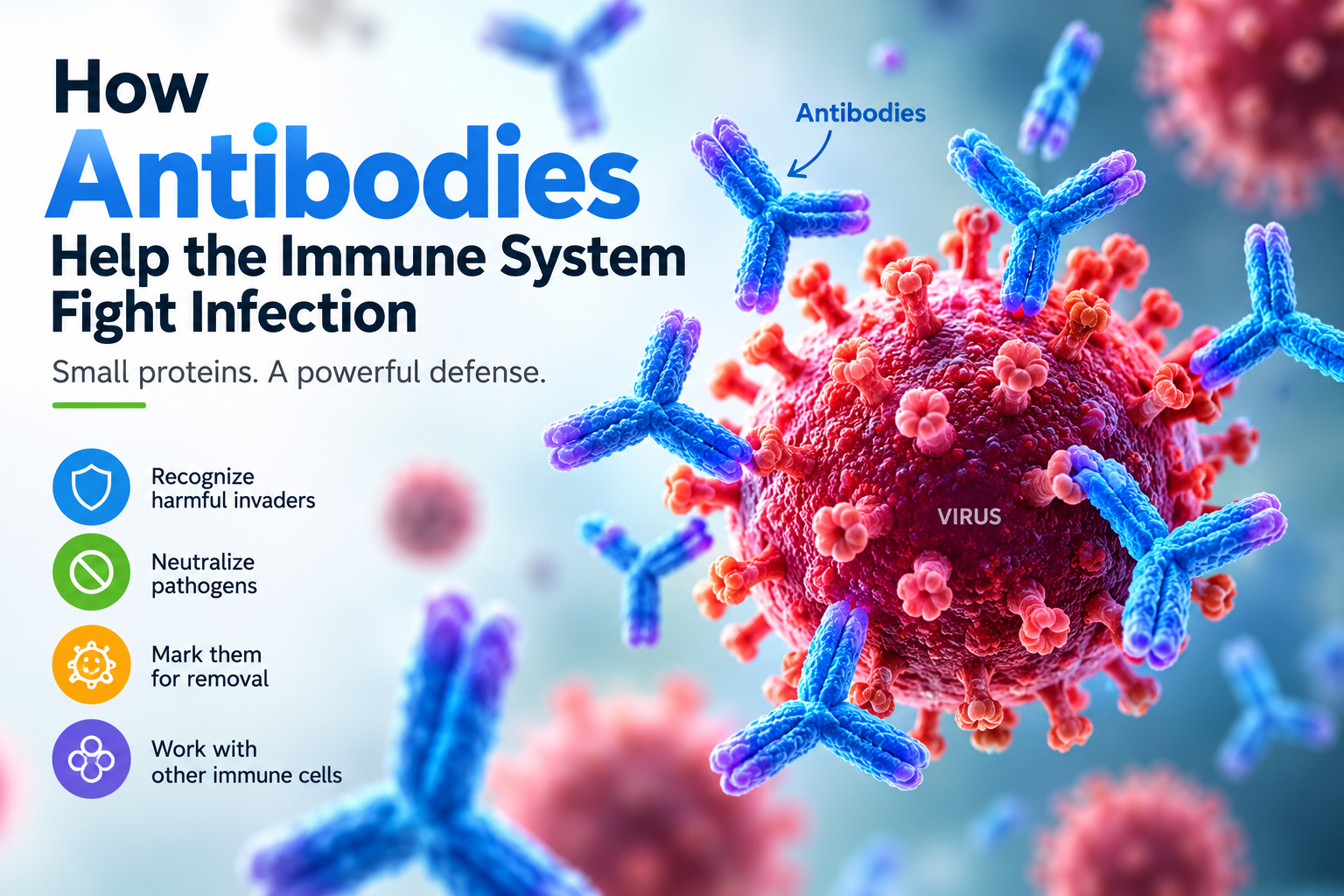
How Antibodies Help the Immune System Fight Infection
Understanding how antibodies work provides a clearer picture of why people develop immunity after certain infections or vaccinations and why the immune system can respond more effectively when it encounters a familiar pathogen again.
Read article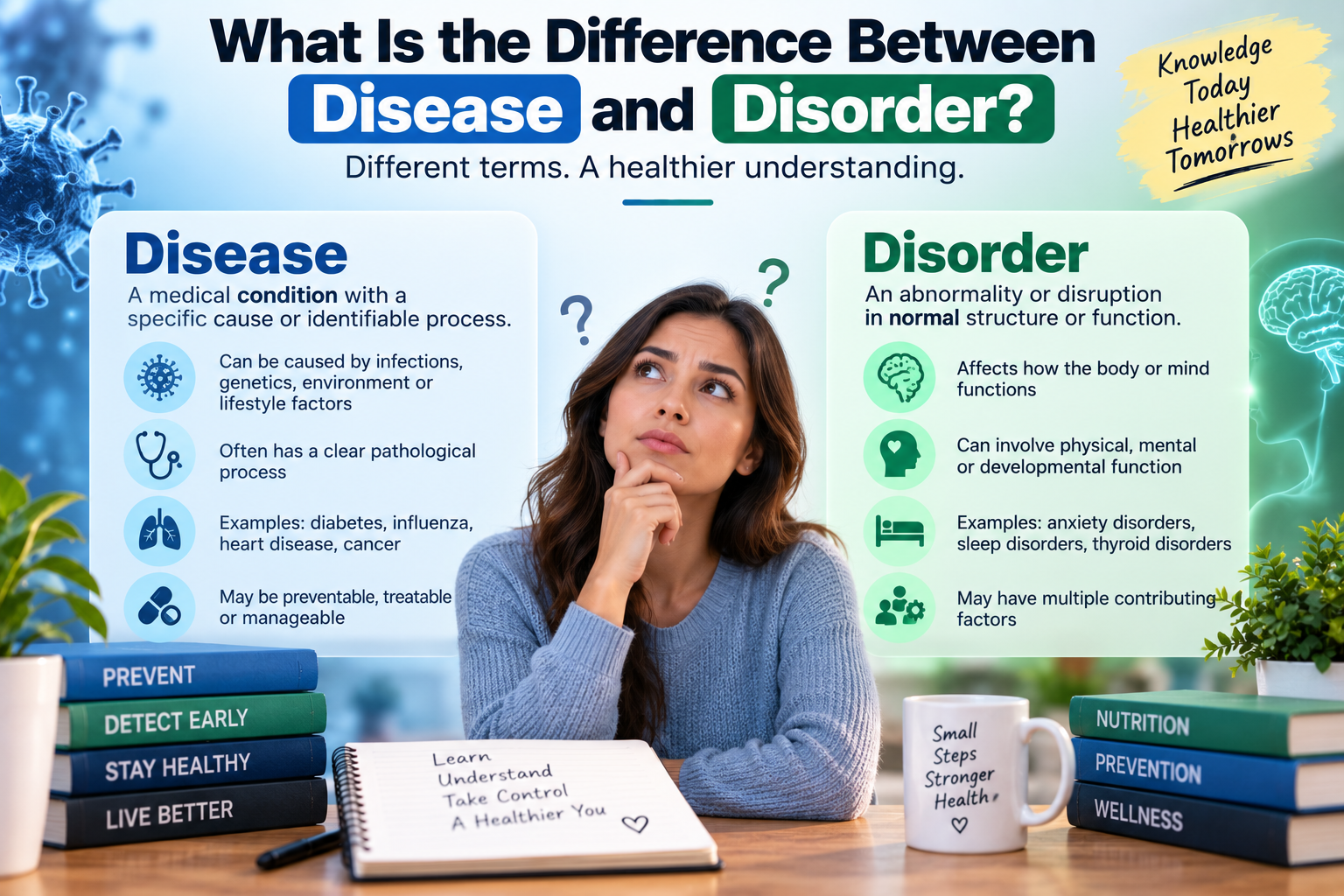
What Is the Difference Between Disease and Disorder
Understanding the distinction can make health information easier to interpret and help explain why doctors sometimes use one term rather than the other.
Read article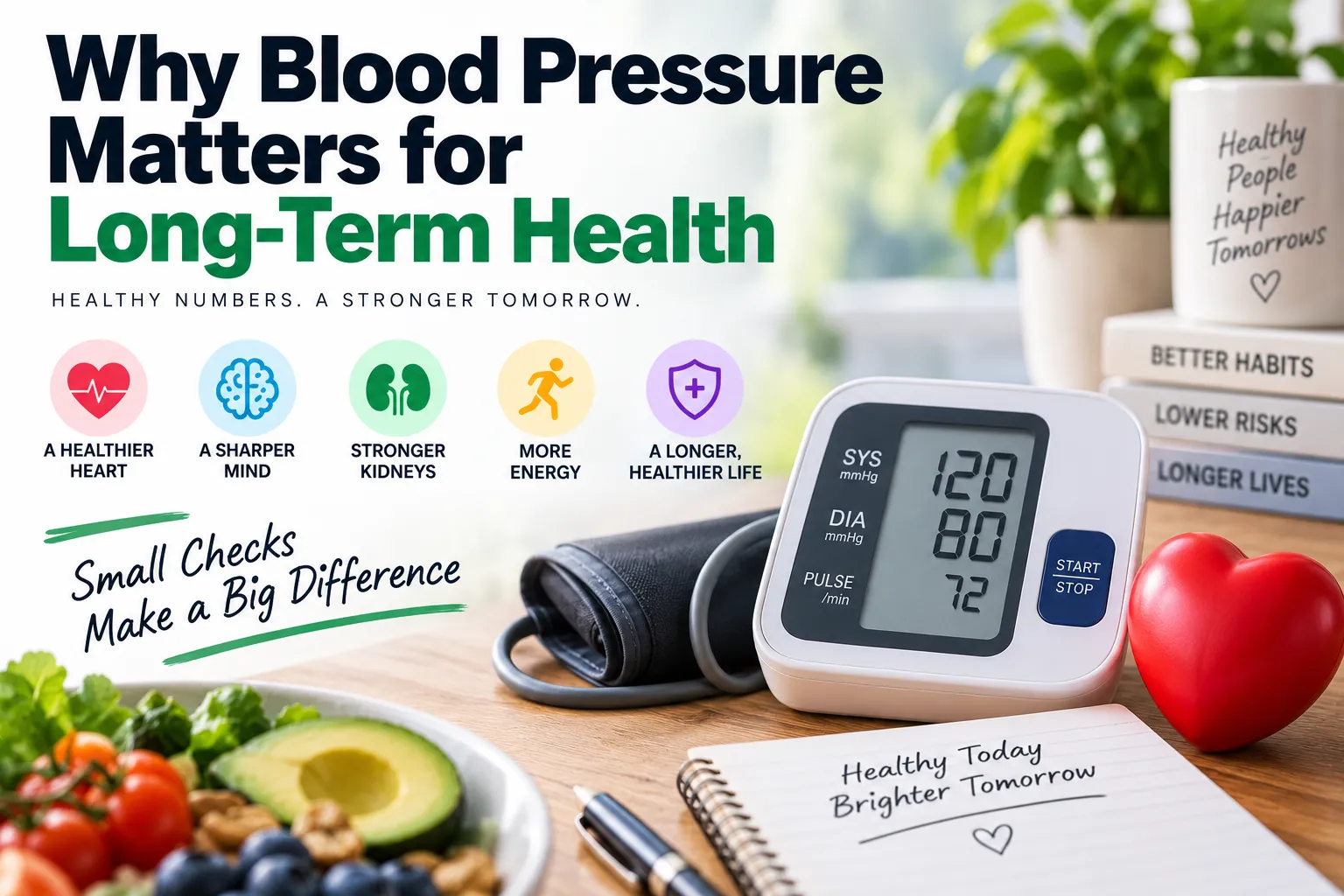
Why Blood Pressure Matters for Long-Term Health
Understanding why blood pressure matters can make it easier to recognize the importance of routine screening, healthy habits and appropriate treatment.
Read article

Join 10,000+ Readers Building Healthier Habits
Get actionable wellness tips every week plus our newest articles delivered straight to your inbox.