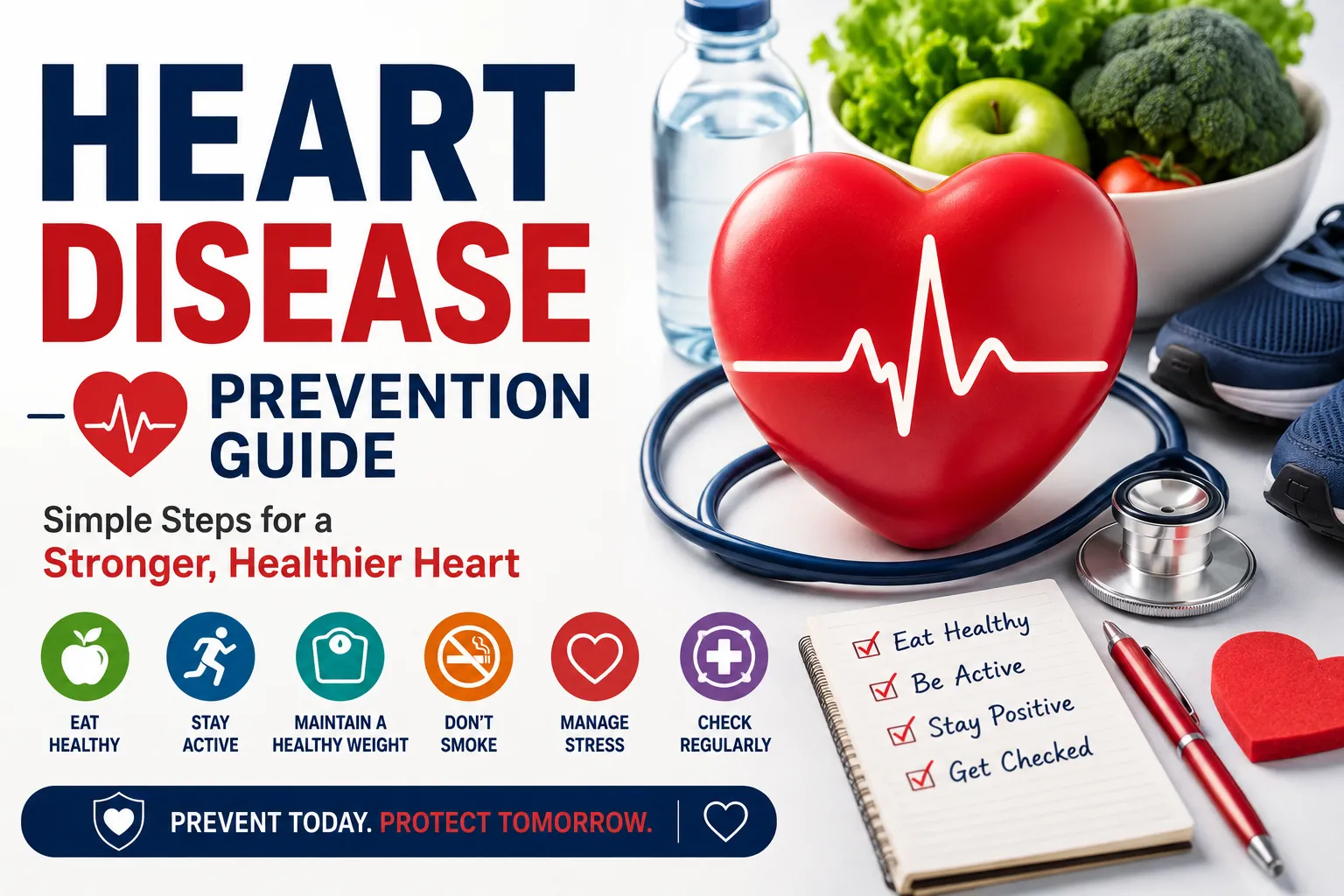

Heart Disease Prevention Guide
Heart disease remains one of the leading causes of illness and death worldwide, affecting millions of people every year. Although advances in medicine have significantly improved diagnosis and treatment, experts agree that prevention remains the most effective strategy for reducing the burden of cardiovascular disease.
Many of the factors that contribute to heart disease are influenced by everyday lifestyle choices. Eating a balanced diet, staying physically active, avoiding tobacco, managing stress, and attending regular health checkups can all play important roles in supporting heart health.
This guide explains what heart disease is, common risk factors, warning signs, and evidence-based strategies that may help reduce the risk of cardiovascular disease.
What Is Heart Disease?
Heart disease is a broad term that refers to several conditions affecting the heart and blood vessels.
These include:
- Coronary artery disease
- Heart failure
- Heart valve disorders
- Heart rhythm disorders (arrhythmias)
- Congenital heart conditions
- Cardiomyopathy
Different forms of heart disease have different causes, symptoms, and treatments, but many share common risk factors.
Why Heart Health Matters
The heart works continuously to pump oxygen-rich blood throughout the body.
Healthy heart function supports:
- Brain function
- Kidney health
- Physical activity
- Organ function
- Energy levels
- Overall quality of life
Protecting cardiovascular health contributes to healthy aging and long-term wellness.
For a broader overview of cardiovascular disease, diabetes, cancer, respiratory conditions, and other major illnesses, see the complete guide to common health conditions.
Understanding Cardiovascular Disease
Cardiovascular disease (CVD) refers to conditions affecting both the heart and blood vessels.
Examples include:
- Heart attacks
- Stroke
- Peripheral artery disease
- Coronary artery disease
Many prevention strategies benefit the entire cardiovascular system.
Common Risk Factors
Several factors increase the likelihood of developing heart disease.
Some cannot be changed, while others are influenced by lifestyle.
Non-Modifiable Risk Factors
These include:
- Increasing age
- Family history
- Biological sex
- Certain inherited conditions
Although these cannot be changed, awareness can help guide preventive care.
Modifiable Risk Factors
Many important risk factors can often be reduced through healthy habits.
These include:
- High blood pressure
- High cholesterol
- Smoking
- Physical inactivity
- Diabetes
- Excess body weight
- Unhealthy diet
- Excessive alcohol consumption
- Chronic stress
Addressing these factors may significantly reduce cardiovascular risk.
High blood pressure is particularly important because it can contribute to heart disease, stroke, and other complications. The high blood pressure explained guide provides a more detailed look at this major cardiovascular risk factor.
Recognizing Possible Warning Signs
Symptoms vary depending on the specific condition.
Potential warning signs may include:
- Chest discomfort
- Shortness of breath
- Pain in the arm, jaw, neck, or back
- Unusual fatigue
- Dizziness
- Heart palpitations
- Swelling in the legs or feet
Some people, particularly women, older adults, and individuals with diabetes, may experience less typical symptoms.
Anyone experiencing symptoms that could indicate a medical emergency should seek immediate medical care.
Eat a Heart-Healthy Diet
Nutrition plays a major role in cardiovascular health.
A heart-friendly eating pattern generally emphasizes:
- Fruits
- Vegetables
- Whole grains
- Beans and legumes
- Lean proteins
- Fish
- Nuts
- Healthy plant-based fats
Limiting foods high in added sugars, sodium, and saturated fats may also support heart health.
Stay Physically Active
Regular exercise strengthens the heart and improves circulation.
Examples of beneficial activities include:
- Walking
- Cycling
- Swimming
- Jogging
- Dancing
- Strength training
- Gardening
Before beginning a new exercise program, individuals with existing medical conditions should consult a healthcare professional.
Maintain a Healthy Body Weight
Maintaining a weight appropriate for your overall health may help reduce the risk of several cardiovascular risk factors, including:
- High blood pressure
- Type 2 diabetes
- High cholesterol
Healthy weight management is best achieved through sustainable eating habits and regular physical activity rather than restrictive diets.
Avoid Tobacco Products
Smoking damages blood vessels and significantly increases the risk of heart disease.
Benefits of avoiding or quitting tobacco include:
- Improved circulation
- Better lung function
- Reduced cardiovascular risk
- Improved overall health
Healthcare professionals can provide support and resources for individuals wishing to quit.
Monitor Blood Pressure
High blood pressure often develops without noticeable symptoms.
Regular blood pressure monitoring helps identify problems early.
Healthy blood pressure management may involve:
- Lifestyle changes
- Routine monitoring
- Medications when prescribed
Early treatment can reduce the risk of heart attack, stroke, and other complications.
Manage Cholesterol
Cholesterol is a fatty substance found naturally in the body and in certain foods.
High levels of certain types of cholesterol may contribute to plaque buildup within arteries.
Heart-healthy habits that support cholesterol management include:
- Balanced nutrition
- Physical activity
- Maintaining a healthy weight
- Taking prescribed medications when appropriate
Routine screening helps monitor cholesterol levels over time.
Control Blood Sugar
Diabetes and elevated blood sugar can increase cardiovascular risk.
Healthy habits that support blood sugar management include:
- Balanced meals
- Regular activity
- Medical follow-up
- Taking prescribed medications
Individuals with diabetes should work closely with their healthcare team to manage their condition.
Prioritize Quality Sleep
Sleep supports many aspects of cardiovascular health.
Healthy sleep habits include:
- Consistent sleep schedules
- Limiting caffeine late in the day
- Creating a comfortable sleep environment
- Reducing screen time before bed
Adults generally benefit from getting adequate sleep on a regular basis.
Manage Stress
Long-term stress may contribute to unhealthy behaviors and affect cardiovascular health.
Helpful stress management techniques include:
- Deep breathing
- Meditation
- Yoga
- Regular exercise
- Spending time outdoors
- Talking with supportive friends or family
- Practicing hobbies
Managing stress supports both emotional and physical well-being.
Limit Alcohol Intake
Excessive alcohol consumption may increase the risk of high blood pressure and other health concerns.
Individuals who choose to drink alcohol should do so responsibly and in accordance with local public health guidance.
Regular Health Screenings
Routine preventive care helps identify cardiovascular risk factors before complications develop.
Healthcare providers may recommend periodic evaluation of:
- Blood pressure
- Cholesterol
- Blood sugar
- Body weight
- Family history
- Lifestyle habits
Preventive care becomes increasingly important with age and individual risk factors.
Heart Health Across Life Stages
Healthy habits benefit people of all ages.
Children and Adolescents
Focus on:
- Active play
- Nutritious meals
- Healthy weight
- Avoiding tobacco exposure
Adults
Prioritize:
- Regular exercise
- Healthy eating
- Routine health screenings
- Stress management
Older Adults
Continue focusing on:
- Physical activity
- Medication adherence
- Regular medical care
- Fall prevention
- Social engagement
Heart health remains important throughout life.
Common Myths About Heart Disease
Myth: Heart disease only affects older adults.
Reality: While risk generally increases with age, heart disease can affect adults of various ages, particularly when multiple risk factors are present.
Myth: Only men develop heart disease.
Reality: Heart disease affects both women and men and is a leading health concern for both.
Myth: Feeling healthy means your heart is healthy.
Reality: Conditions such as high blood pressure and high cholesterol often have no noticeable symptoms, making routine health screenings essential.
When to Seek Medical Advice
Consult a healthcare professional if you have:
- Persistent chest discomfort
- Shortness of breath
- High blood pressure
- Elevated cholesterol
- Diabetes
- A strong family history of heart disease
- Concerns about your cardiovascular health
Emergency symptoms such as severe chest pain, sudden difficulty breathing, or signs of a stroke require immediate medical attention.
Recognizing stroke warning signs is especially important because rapid treatment can be critical. The complete guide to stroke prevention explains how cardiovascular risk factors and prevention strategies relate to stroke risk.
The Future of Heart Disease Prevention
Advances in cardiovascular medicine continue improving prevention and early detection.
Emerging developments include:
- Wearable heart monitoring devices
- AI-assisted cardiovascular risk assessment
- Personalized preventive medicine
- Remote patient monitoring
- Improved cholesterol therapies
- Digital health coaching
These innovations aim to identify risk earlier and support healthier lifestyles.
Looking Ahead
Heart disease is influenced by a combination of genetics, lifestyle, and environmental factors, but many of its most significant risk factors can be managed through healthy daily habits. Eating nutritious foods, staying physically active, avoiding tobacco, maintaining healthy blood pressure and cholesterol levels, and attending regular medical checkups all contribute to better cardiovascular health.
Heart disease prevention also overlaps with prevention strategies for other major chronic diseases. For example, the same habits that support cardiovascular health can help address some risk factors associated with healthy habits that may reduce cancer risk.
While no strategy can completely eliminate risk, making informed choices today can help support a healthier heart for years to come. Prevention remains one of the most powerful tools for protecting long-term health and improving quality of life.
Frequently Asked Questions
What is heart disease?
Heart disease refers to several conditions affecting the heart and blood vessels, including coronary artery disease, heart failure, arrhythmias, and heart valve disorders.
Can heart disease be prevented?
Although not every case can be prevented, many cardiovascular risk factors can be reduced through healthy lifestyle choices and regular preventive healthcare.
What foods support heart health?
A heart-healthy eating pattern emphasizes fruits, vegetables, whole grains, lean proteins, legumes, fish, nuts, and healthy fats while limiting foods high in sodium, added sugars, and saturated fats.
Why is blood pressure important?
High blood pressure can damage blood vessels over time and increase the risk of heart attack, stroke, and other cardiovascular complications.
When should I see a healthcare professional?
Seek medical advice if you have cardiovascular risk factors, persistent symptoms, or concerns about your heart health. Seek emergency medical care immediately for symptoms such as severe chest pain, sudden shortness of breath, or signs of a heart attack or stroke.
Key Takeaways
- Heart disease includes several conditions affecting the heart and blood vessels.
- Healthy lifestyle habits play a major role in reducing cardiovascular risk.
- Regular exercise, balanced nutrition, avoiding tobacco, and maintaining healthy blood pressure and cholesterol support heart health.
- Routine preventive healthcare helps identify risk factors early.
- Heart disease affects both women and men and can occur at various stages of adulthood.
- Long-term prevention combines informed lifestyle choices with regular medical guidance and appropriate treatment when needed.
Continue Reading
Similar Posts
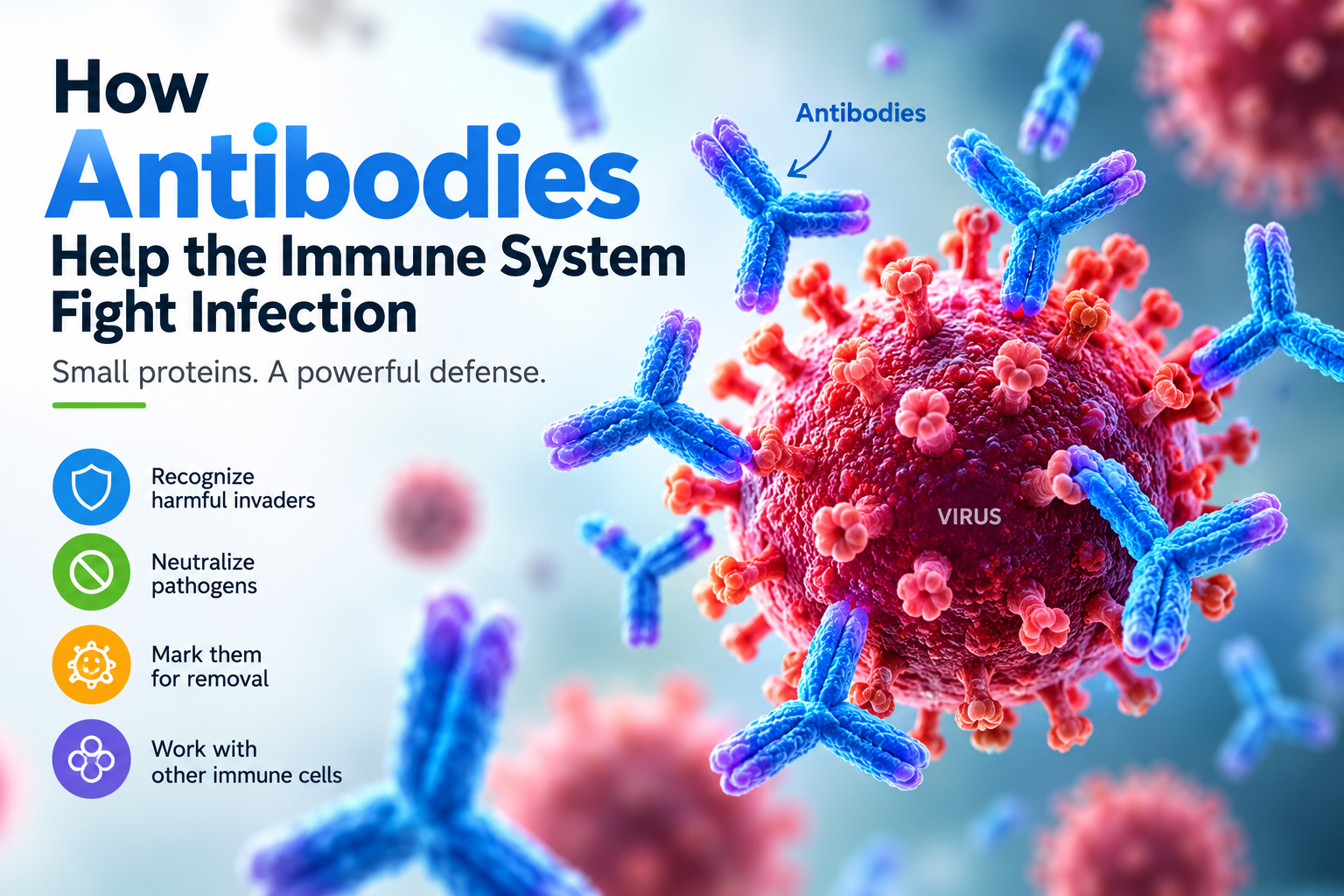
How Antibodies Help the Immune System Fight Infection
Understanding how antibodies work provides a clearer picture of why people develop immunity after certain infections or vaccinations and why the immune system can respond more effectively when it encounters a familiar pathogen again.
Read article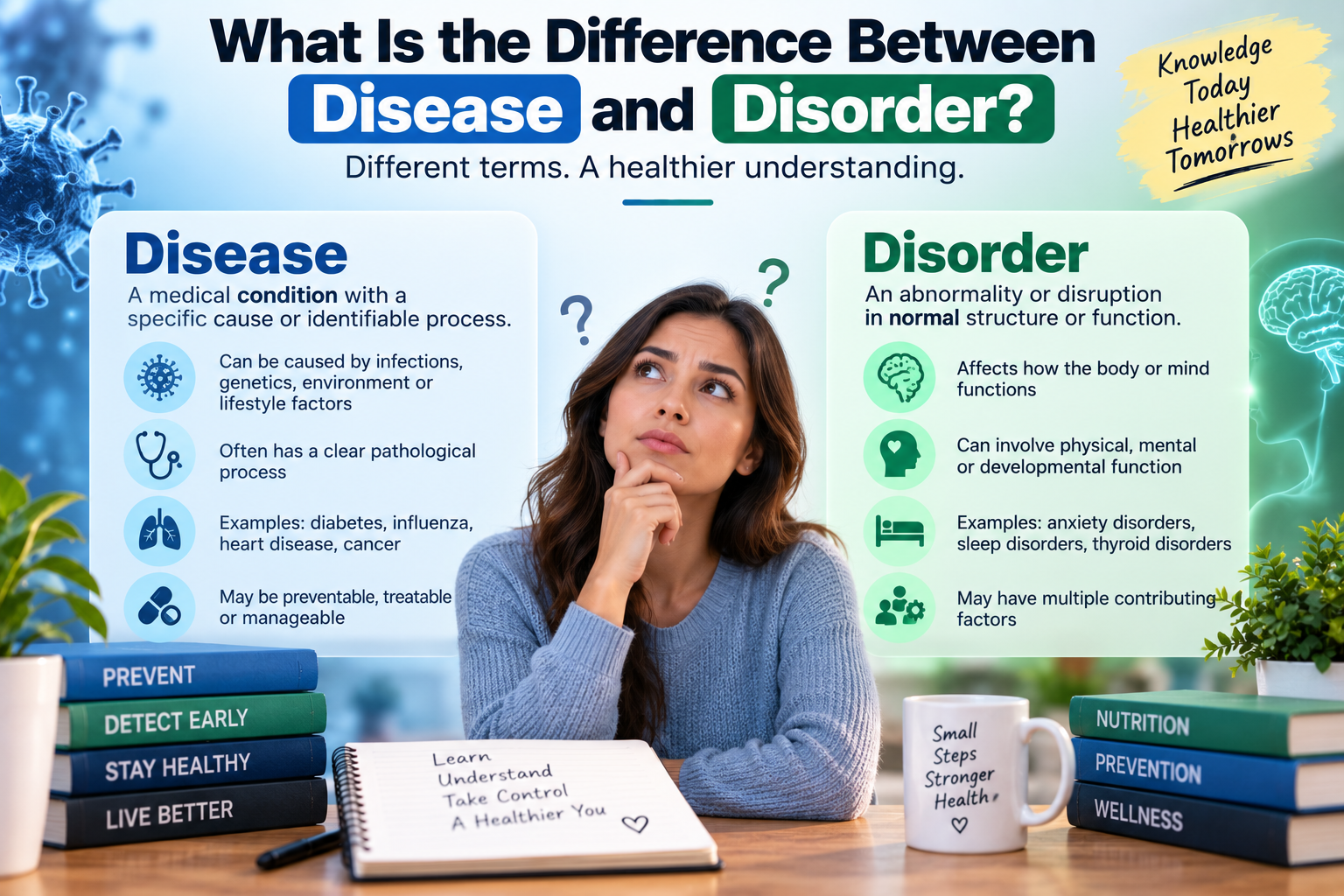
What Is the Difference Between Disease and Disorder
Understanding the distinction can make health information easier to interpret and help explain why doctors sometimes use one term rather than the other.
Read article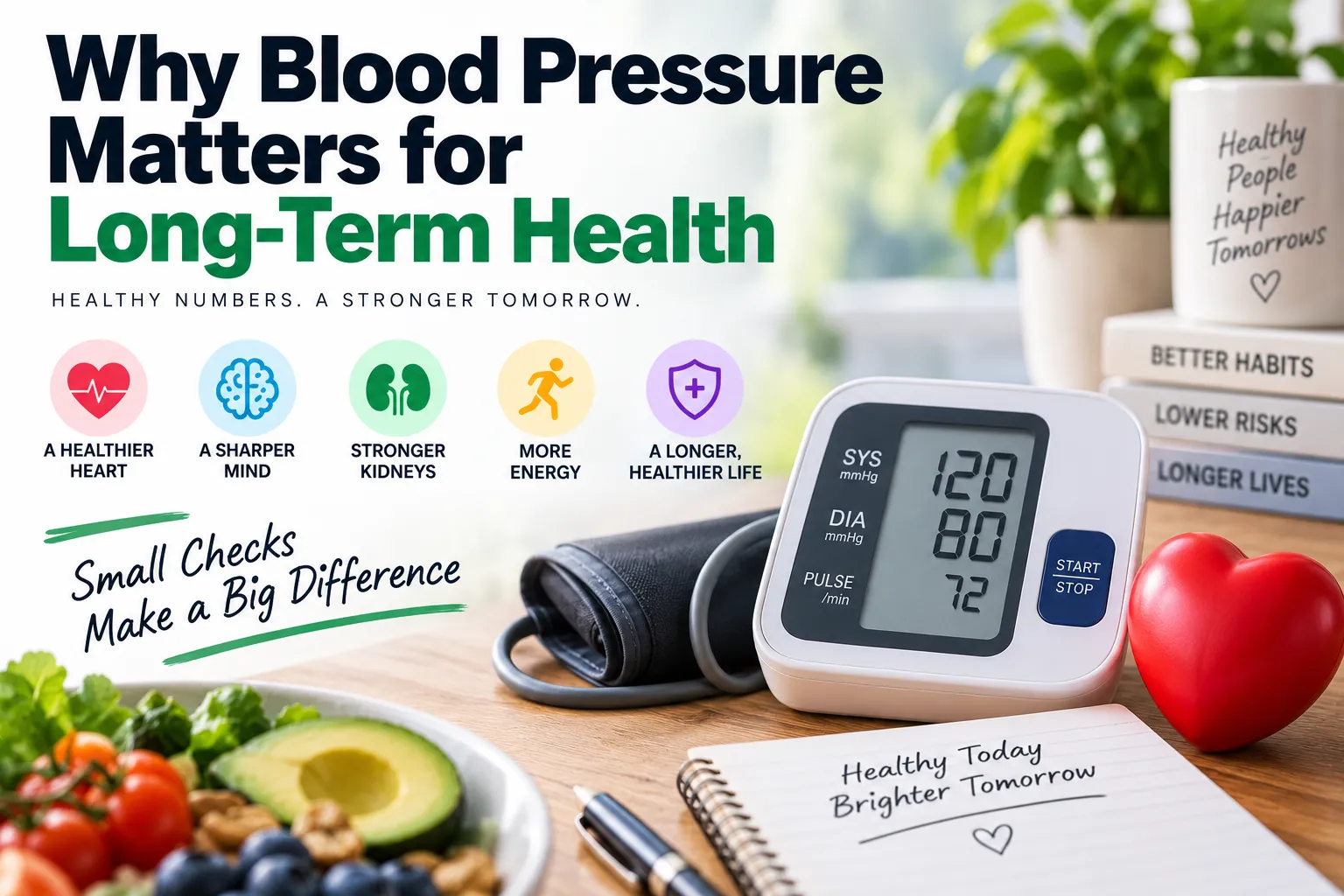
Why Blood Pressure Matters for Long-Term Health
Understanding why blood pressure matters can make it easier to recognize the importance of routine screening, healthy habits and appropriate treatment.
Read article

Join 10,000+ Readers Building Healthier Habits
Get actionable wellness tips every week plus our newest articles delivered straight to your inbox.