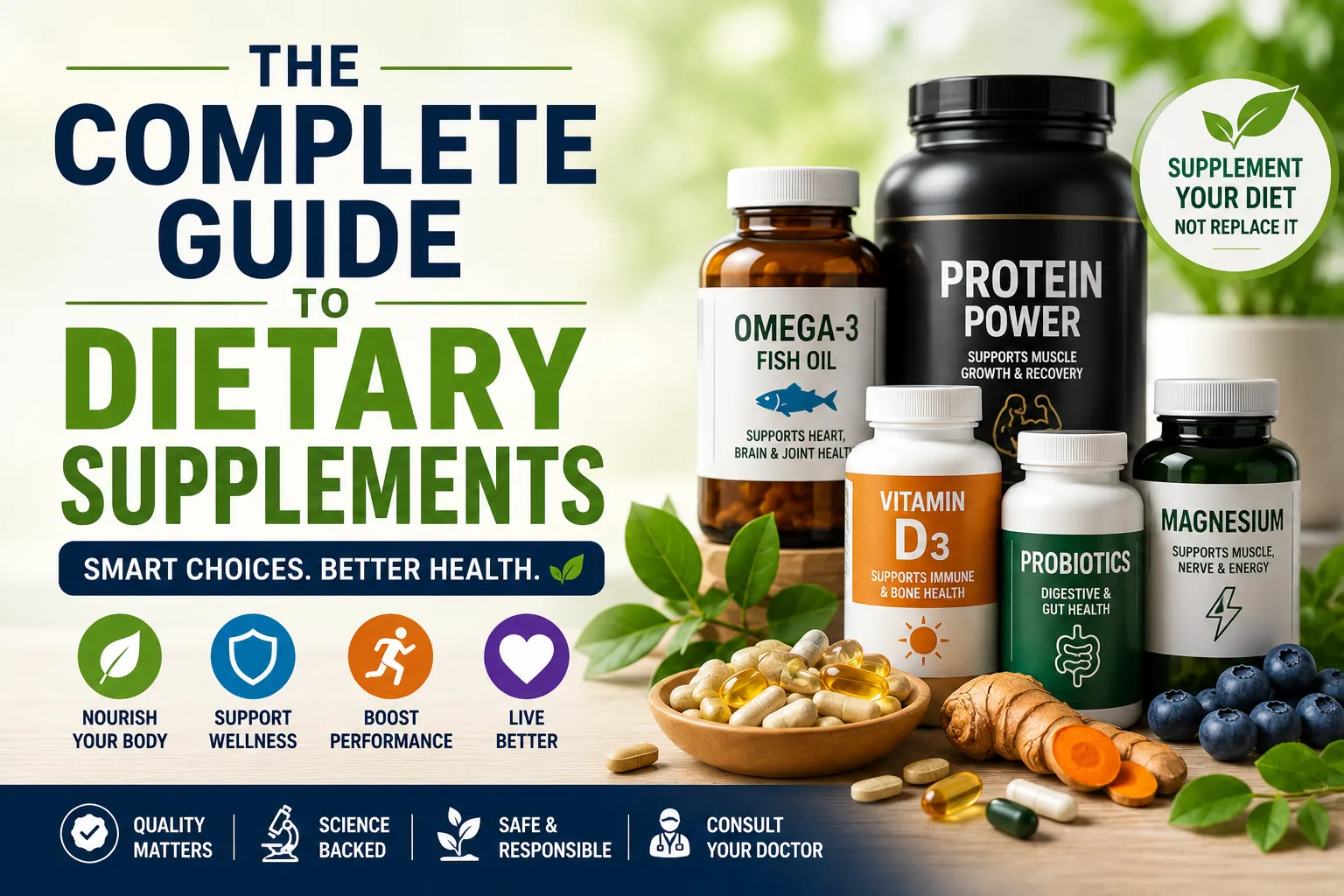

The Complete Guide to Dietary Supplements
Dietary supplements have become a common part of many people’s health routines. From multivitamins and protein powders to herbal extracts and probiotics, millions of consumers use supplements to support nutrition, fitness, and overall well-being. While supplements can play an important role in certain situations, understanding what they can—and cannot—do is essential for making informed health decisions.
Supplements are designed to complement a healthy diet, not replace one. Their effectiveness depends on factors such as an individual’s nutritional needs, overall health, lifestyle, and the quality of the product itself.
This guide explains the different types of dietary supplements, how they work, potential benefits and risks, and practical tips for choosing supplements responsibly.
What Are Dietary Supplements?
Dietary supplements are products intended to add nutrients or other beneficial substances to the diet.
They may contain one or more ingredients such as:
- Vitamins
- Minerals
- Herbs
- Botanicals
- Amino acids
- Enzymes
- Probiotics
- Protein
- Fatty acids
For a closer look at individual vitamins and their functions, see this complete guide to vitamins and their roles.
Supplements come in many forms, including:
- Capsules
- Tablets
- Powders
- Gummies
- Liquids
- Softgels
Their purpose is to supplement normal nutrition rather than replace healthy eating habits.
Why People Take Supplements
People choose supplements for many different reasons.
Common goals include:
- Supporting overall health
- Filling nutritional gaps
- Maintaining bone health
- Supporting immune function
- Improving athletic performance
- Promoting healthy aging
- Supporting digestive health
- Meeting increased nutritional needs during certain life stages
Individual nutritional needs vary based on age, diet, medical conditions, and lifestyle. Understanding how supplement needs change across life can help put those differences into perspective.
Common Types of Dietary Supplements
Vitamins
Vitamins are organic compounds required in small amounts for normal body function.
Examples include:
- Vitamin A
- Vitamin C
- Vitamin D
- Vitamin E
- Vitamin K
- B-complex vitamins
Each vitamin performs different roles in maintaining health.
Minerals
Minerals support numerous biological processes.
Common dietary minerals include:
- Calcium
- Iron
- Magnesium
- Zinc
- Potassium
- Selenium
- Iodine
Minerals contribute to bone health, nerve function, muscle activity, and many other processes.
A broader look at these nutrients is available in minerals explained: essential nutrients your body needs every day.
Protein Supplements
Protein powders are widely used by athletes and physically active individuals.
Popular sources include:
- Whey protein
- Casein protein
- Soy protein
- Pea protein
- Rice protein
Protein supplements may help people meet daily protein needs when dietary intake is insufficient. For more detail, see protein supplements explained.
Omega-3 Fatty Acids
Omega-3 supplements commonly contain oils derived from fish or plant sources.
They are frequently used to support:
- Heart health
- Brain function
- Eye health
Research continues to explore their role in overall wellness. Consumers interested in these products can explore this omega-3 supplements guide for a more focused overview.
Probiotics
Probiotics contain live microorganisms that may help support a healthy balance of gut bacteria.
They are commonly used to promote:
- Digestive health
- Gut microbiome balance
The effects of probiotics can vary depending on the specific strains and the individual using them.
Herbal Supplements
Herbal products are derived from plants and have been used in traditional practices for centuries.
Examples include:
- Turmeric
- Ginger
- Garlic
- Ginseng
- Echinacea
- Peppermint
Scientific evidence varies considerably between different herbal supplements, and ongoing research continues to evaluate their safety and effectiveness.
Can Supplements Replace Healthy Food?
No.
Whole foods provide a complex combination of:
- Vitamins
- Minerals
- Fiber
- Healthy fats
- Protein
- Antioxidants
- Phytochemicals
These nutrients often work together in ways that supplements cannot fully replicate.
A balanced diet remains the foundation of good nutrition.
Who May Benefit From Supplements?
Certain individuals may have increased nutritional needs.
Examples include:
- Older adults
- Pregnant individuals
- People following restrictive diets
- Individuals with diagnosed nutrient deficiencies
- People with certain medical conditions
- Athletes with increased nutritional demands
Healthcare professionals can help determine whether supplementation is appropriate based on individual circumstances.
For people considering multiple products, understanding how supplement absorption and bioavailability affect nutrient availability can also provide useful context about how nutrients become available to the body.
Potential Benefits
When used appropriately, dietary supplements may help:
- Address specific nutrient deficiencies
- Support bone health
- Promote normal immune function
- Assist muscle recovery
- Improve dietary adequacy
- Complement medically supervised nutrition plans
Benefits depend on the supplement, dosage, and the individual’s health status.
Some products combine several ingredients into a single formula, making it useful to understand how supplement blends are formulated and designed.
Possible Risks
Although many supplements are widely available, they are not risk-free.
Potential concerns include:
- Excessive intake
- Drug interactions
- Allergic reactions
- Variable product quality
- Contamination
- Incorrect labeling
- Digestive discomfort
Taking multiple supplements simultaneously may increase the risk of consuming excessive amounts of certain nutrients.
Understanding Supplement Labels
Reading product labels carefully can help consumers make informed choices.
Important information often includes:
- Serving size
- Active ingredients
- Ingredient amounts
- Recommended use
- Storage instructions
- Expiration date
- Allergen information
Consumers should follow the manufacturer’s directions unless otherwise advised by a qualified healthcare professional.
A detailed resource on how to read supplement labels correctly can help consumers understand the information presented on packaging.
Choosing Quality Supplements
Not all supplements are manufactured to the same standards.
When selecting products, consider:
- Transparent ingredient lists
- Reputable manufacturers
- Clear labeling
- Appropriate dosage information
- Independent quality testing when available
Quality assurance can help improve confidence in product consistency.
Consumers can learn more about how supplement quality and testing work when evaluating products and manufacturers.
Supplements and Medications
Some dietary supplements may interact with prescription or over-the-counter medications.
Potential interactions can affect:
- Medication effectiveness
- Absorption
- Blood clotting
- Blood pressure
- Blood sugar
- Liver metabolism
Individuals taking medications should consult a qualified healthcare professional before starting new supplements.
A dedicated supplement interactions guide provides additional information about why these combinations require careful consideration.
Sports Supplements
Athletes often use supplements to support training and recovery.
Common examples include:
- Protein powders
- Creatine
- Electrolytes
- Carbohydrate supplements
- Recovery formulas
Competitive athletes should be aware that some products may contain ingredients prohibited under sporting regulations.
For a broader look at this category, see the complete guide to sports and performance supplements.
The Growing Role of Personalized Nutrition
Advances in digital health are making supplementation more individualized.
Emerging developments include:
- Personalized nutrition plans
- AI-assisted dietary recommendations
- Wearable health monitoring
- Digital food tracking
- Genetic nutrition research
These technologies may help tailor nutritional strategies to individual needs, though many applications continue to be studied.
Common Myths About Supplements
Myth: More is always better.
Reality: Taking more than the recommended amount does not necessarily provide greater benefits and may increase health risks.
Myth: Natural means completely safe.
Reality: Natural products can still cause side effects or interact with medications.
Myth: Supplements can replace healthy eating.
Reality: Supplements are intended to complement—not replace—a nutritious diet.
Practical Tips for Safe Supplement Use
To use supplements responsibly:
- Eat a balanced diet first.
- Read product labels carefully.
- Follow recommended serving sizes.
- Avoid unnecessary megadoses.
- Store supplements safely.
- Keep a list of products you use.
- Discuss supplements with your healthcare provider, especially if you are pregnant, breastfeeding, have a medical condition, or take medications.
It is also important to recognize that not every supplement claim is equally supported by research. Learning how to evaluate scientific evidence behind dietary supplement claims can help consumers distinguish stronger evidence from weaker claims.
Similarly, knowing how to recognize questionable supplement claims can make it easier to approach exaggerated or unsupported marketing with appropriate caution.
Looking Ahead
Dietary supplements continue to play an important role in modern nutrition, offering convenient ways to support health when used appropriately. However, supplements are most effective when viewed as one part of a broader healthy lifestyle that includes balanced nutrition, regular physical activity, quality sleep, and preventive healthcare.
As scientific research advances and personalized nutrition technologies evolve, consumers will have access to more targeted nutritional guidance. Until then, informed decision-making, careful product selection, and professional medical advice remain the best approaches to safe and effective supplement use.
Frequently Asked Questions
What are dietary supplements?
Dietary supplements are products containing nutrients or other substances intended to supplement the diet, including vitamins, minerals, herbs, amino acids, and probiotics.
Can supplements replace healthy food?
No. Whole foods provide a wide range of nutrients and beneficial compounds that supplements cannot fully replicate.
Are supplements safe?
Many supplements can be used safely when taken as directed, but they may also carry risks such as side effects, interactions with medications, or excessive nutrient intake.
Should everyone take supplements?
Not necessarily. Individual nutritional needs vary, and supplementation may not be appropriate for everyone. A qualified healthcare professional can help determine whether supplements are needed.
How do I choose a quality supplement?
Look for reputable manufacturers, transparent ingredient labels, appropriate dosage information, and independent quality testing where available.
Key Takeaways
- Dietary supplements are designed to complement a healthy diet, not replace it.
- Common supplements include vitamins, minerals, protein, probiotics, omega-3 fatty acids, and herbal products.
- Some individuals may benefit from supplementation due to increased nutritional needs or diagnosed deficiencies.
- Supplements may interact with medications or cause side effects, so responsible use is important.
- Reading labels carefully and choosing reputable products can improve safety and quality.
- A balanced diet, healthy lifestyle, and guidance from qualified healthcare professionals remain the foundation of long-term wellness.
Continue Reading
Similar Posts
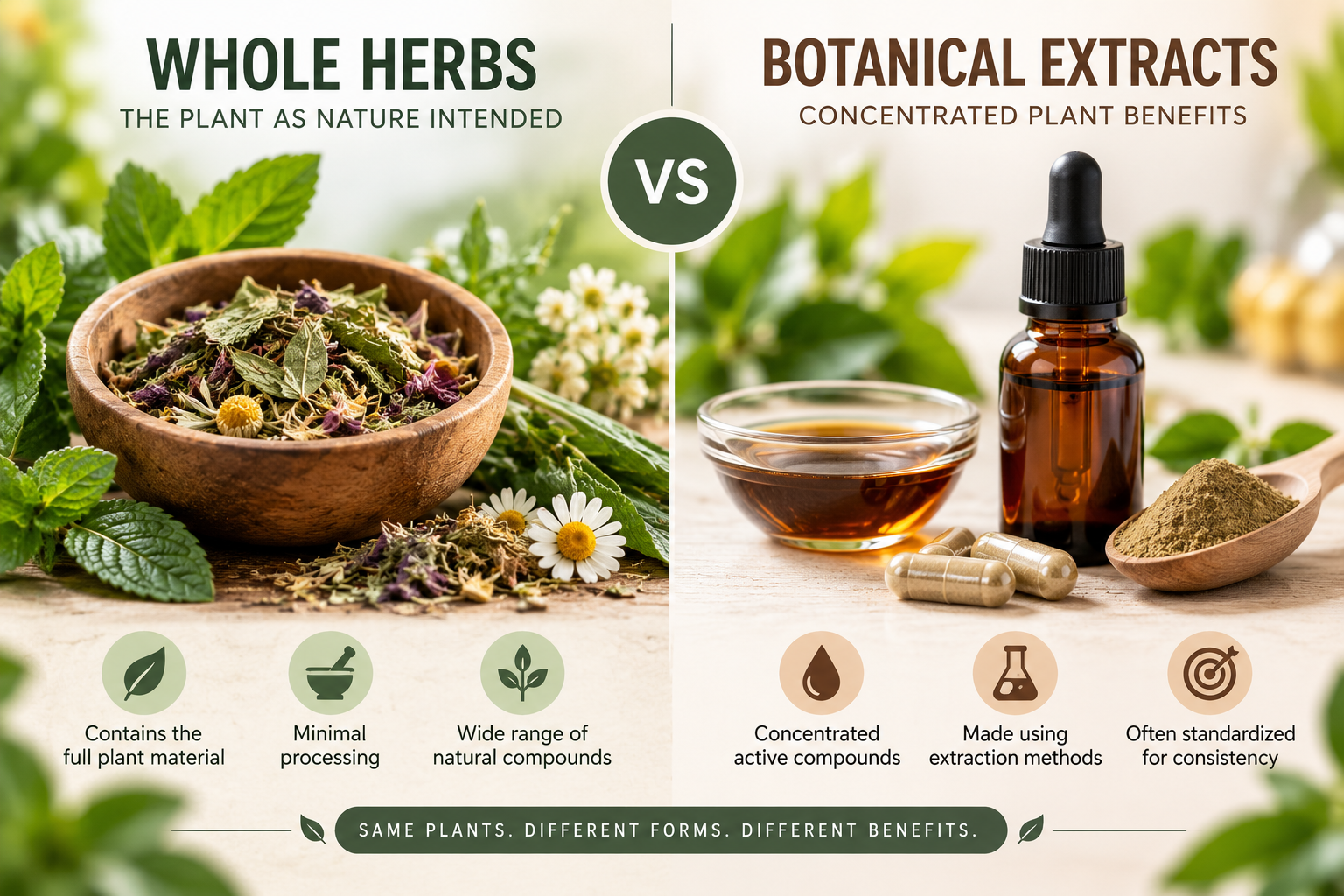
How Botanical Extracts Differ From Whole Herbs
Understanding how extracts differ from whole herbs can make it easier to interpret supplement labels, compare products, and evaluate claims about herbal ingredients.
Read article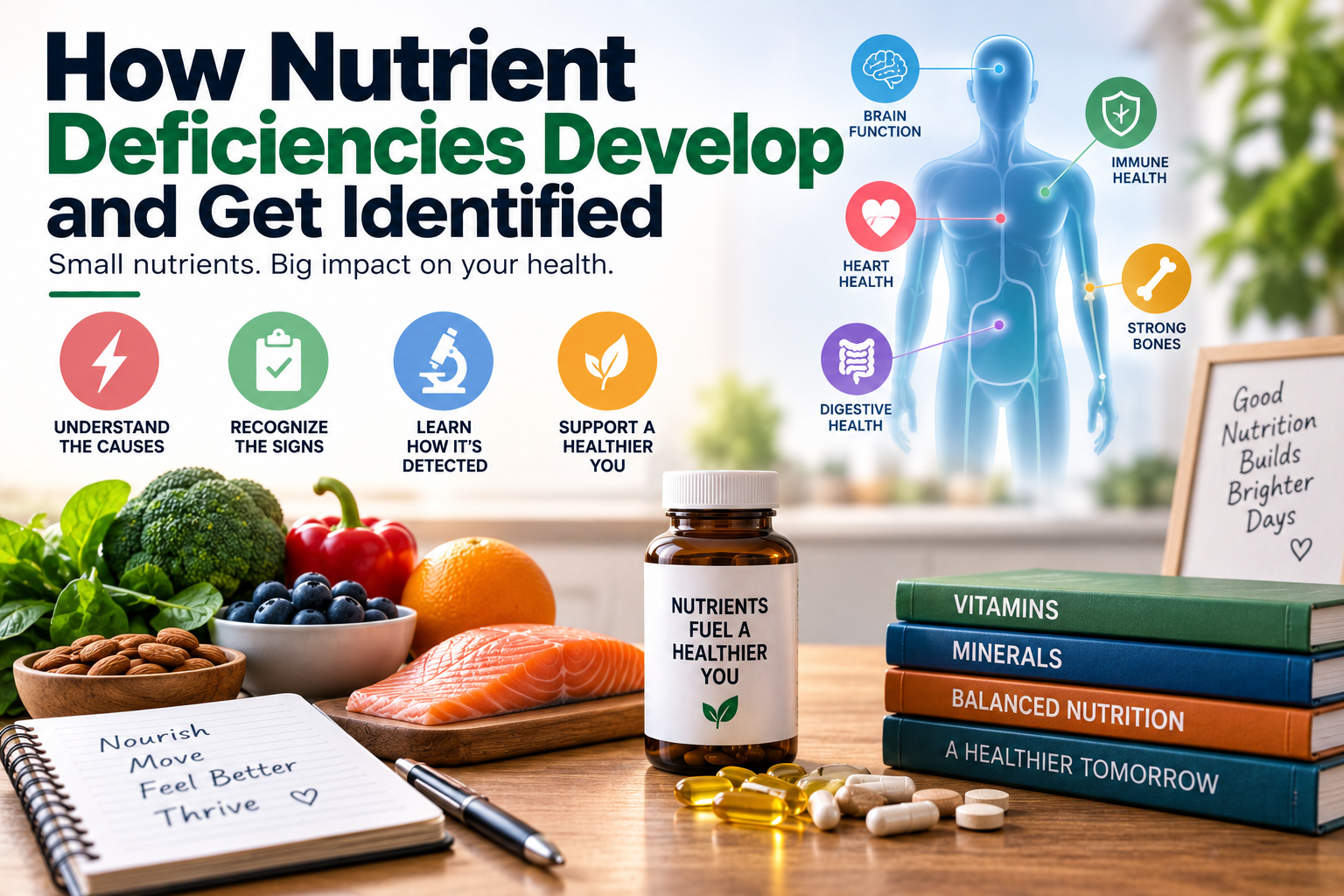
How Nutrient Deficiencies Develop and Get Identified
Understanding how nutrient deficiencies develop—and how healthcare professionals identify them—can make it easier to recognize potential problems before they become more serious.
Read article
What Is the Difference Between Water-Soluble and Fat-Soluble Vitamins
Understanding this basic distinction can make it easier to interpret nutrition information, evaluate supplements, and make informed decisions about dietary intake.
Read article

Join 10,000+ Readers Building Healthier Habits
Get actionable wellness tips every week plus our newest articles delivered straight to your inbox.