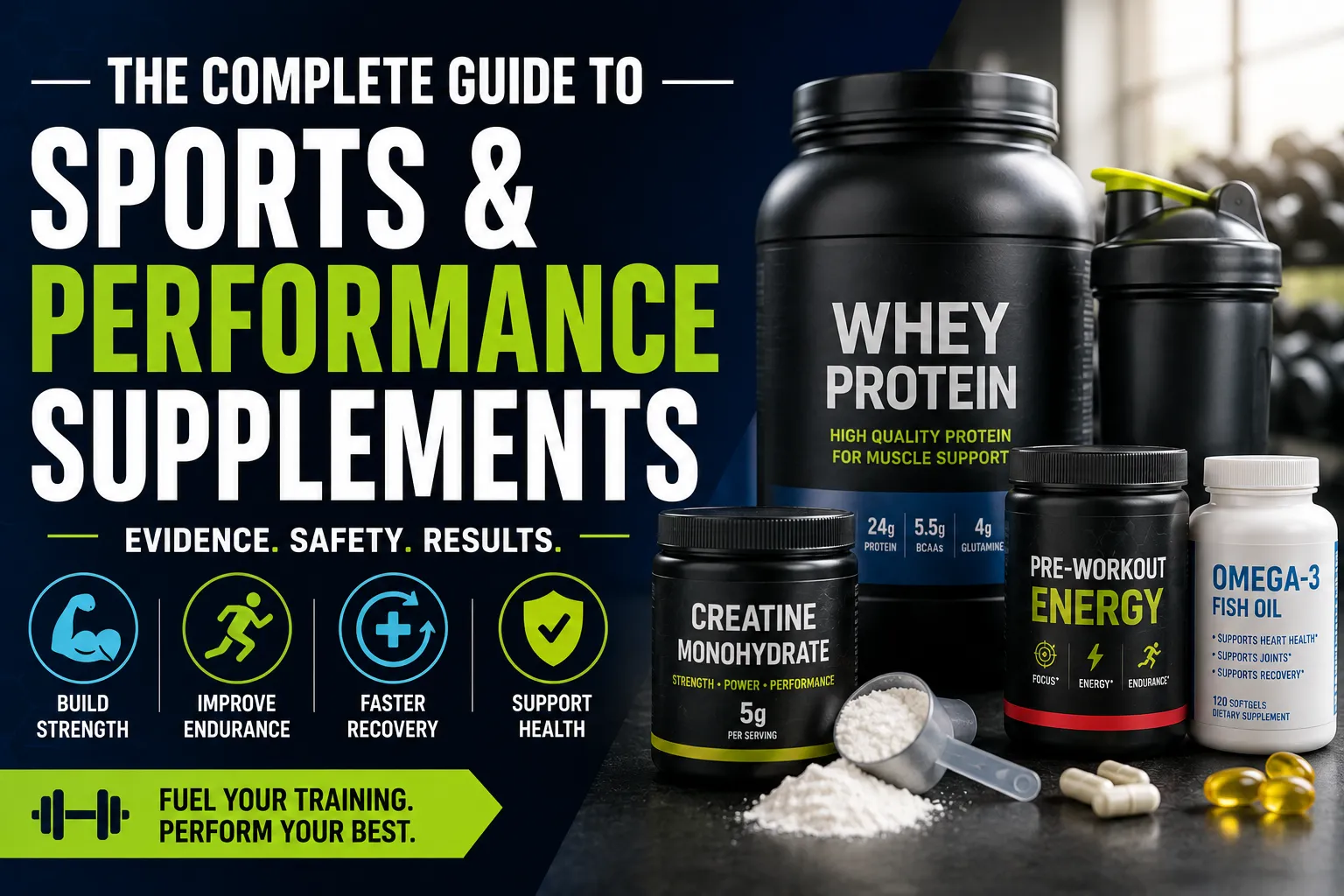

The Complete Guide to Sports and Performance Supplements
Walk into any gym, browse an online fitness store, or follow professional athletes on social media and you will quickly encounter a huge selection of sports and performance supplements.
There are protein powders promising faster muscle growth, pre-workout products marketed for explosive energy, creatine for strength, caffeine for endurance, electrolyte drinks for hydration, amino acids for recovery, and countless formulas claiming to provide a competitive edge.
The problem is that not all supplements deserve the same level of confidence.
Some have substantial evidence behind specific uses. Others have limited or inconsistent research. A few can be ineffective, unnecessarily expensive, or potentially harmful.
The National Institutes of Health’s Office of Dietary Supplements (ODS) notes that performance supplements cannot replace a nutritious diet, although some may have value depending on the type and intensity of physical activity.
That makes the most important supplement question surprisingly simple:
Does this product solve a genuine nutritional or performance problem, and is there good evidence that it works safely?
This guide explores the major categories of sports supplements, what the evidence says, potential risks, and how to make smarter choices. It is part of the broader complete guide to dietary supplements.
What Are Sports and Performance Supplements?
Sports and performance supplements are dietary supplements marketed to support exercise, athletic performance, recovery, muscle development, endurance, or related goals.
They can come in many forms, including:
- Powders
- Capsules
- Tablets
- Drinks
- Gels
- Bars
- Gummies
- Ready-to-drink products
Common ingredients include:
- Protein
- Creatine
- Caffeine
- Amino acids
- Carbohydrates
- Vitamins and minerals
- Electrolytes
- Nitrate-containing ingredients
- Beta-alanine
- Sodium bicarbonate
- Herbal or botanical ingredients
Some products contain a single ingredient, while others combine numerous substances into a single formula.
That difference matters because a product containing ten ingredients can be much harder to evaluate than a supplement containing one well-studied ingredient at a clearly disclosed dose.
Supplements Should Complement Nutrition
The foundation of sports performance is not a supplement.
It is adequate food, fluids, training, recovery, and sleep.
A supplement cannot compensate for consistently inadequate nutrition or poor training.
For an athlete, the basic priorities generally include:
- Adequate energy intake
- Sufficient protein
- Appropriate carbohydrate intake
- Adequate fluids and electrolytes
- Quality training
- Sufficient recovery
- Good sleep
- Appropriate medical and nutritional support
Only after these fundamentals are addressed does it make sense to consider whether a supplement could provide an additional benefit.
The IOC has similarly emphasized that supplements generally make a relatively small contribution to an athlete’s nutrition program, although certain products can provide useful benefits in specific circumstances.
Why Do Athletes Use Supplements?
People take performance supplements for different reasons.
Common goals include:
- Increasing strength
- Building muscle
- Improving endurance
- Increasing training intensity
- Reducing perceived fatigue
- Supporting recovery
- Replacing nutrients that are difficult to obtain from food
- Improving hydration
- Conveniently consuming carbohydrates or protein
- Addressing a documented nutrient deficiency
The goal should determine the supplement.
Someone training for a marathon has different nutritional needs from someone focused on strength training.
A recreational runner also does not necessarily need the same supplement strategy as an elite athlete.
The Evidence Is Uneven
One of the biggest problems in the supplement industry is that products are often marketed as though all ingredients are equally well established.
They are not.
The IOC has identified only a relatively small number of supplements—including caffeine, creatine, certain buffering agents, and nitrate—as having good evidence for particular performance benefits. Evidence for many other products remains limited or inconsistent.
The NIH similarly reports that some performance supplements may be useful, while others do not appear to work and some may be harmful.
That makes it useful to divide supplements into broad evidence categories rather than treating them as one enormous group.
Protein Supplements
Protein is one of the most common sports nutrition supplements.
Protein provides amino acids needed for muscle repair, maintenance, and growth.
Athletes can obtain protein from ordinary foods such as:
- Eggs
- Dairy
- Meat
- Fish
- Poultry
- Beans
- Lentils
- Soy
- Nuts
- Seeds
Protein powders simply provide a convenient concentrated source.
Common forms include:
- Whey protein
- Casein
- Soy protein
- Pea protein
- Rice protein
- Blended plant proteins
For a broader explanation of protein powders and how they fit into a balanced diet, see protein supplements explained.
Does Protein Powder Build Muscle?
Protein can support muscle growth when combined with appropriate resistance training and sufficient overall nutrition.
However, protein powder is not inherently superior to protein from food.
Its main advantage is convenience.
A person who struggles to consume enough protein through meals may find a shake useful after training, during a busy workday, or while traveling.
Someone already consuming enough protein does not necessarily gain additional benefits by consuming large amounts of protein powder.
Whey vs. Plant Protein
Whey is a complete protein and is particularly rich in the essential amino acid leucine.
Some plant proteins have different amino-acid profiles, but appropriately selected plant-protein combinations can provide the essential amino acids needed for muscle protein synthesis.
The practical priority is total protein intake and overall dietary quality rather than assuming that one protein source is automatically superior for everyone.
Creatine
Creatine is one of the most extensively studied sports supplements.
The body naturally produces creatine, and it is also found in foods such as meat and fish.
Creatine is stored primarily in muscle and helps supply energy during short, intense efforts.
Supplementation can increase muscle creatine stores.
According to the NIH, creatine can increase strength, power, and the ability to perform repeated short bursts of intense activity such as sprinting and weightlifting.
Who Can Benefit From Creatine?
Creatine is particularly relevant to activities involving:
- Resistance training
- Sprinting
- Repeated high-intensity efforts
- Power sports
- Strength training
It is less likely to provide a major direct advantage for purely endurance-based activities.
That does not mean endurance athletes cannot use creatine, but the performance benefits are generally more closely associated with repeated high-intensity efforts.
Creatine Monohydrate
Creatine monohydrate is the most established form.
Consumers will encounter many alternative forms marketed as more advanced or better absorbed, but a more complicated formula is not automatically a better one.
When evaluating creatine, simplicity can be an advantage.
Caffeine
Caffeine is both widely available and relatively well studied as a performance aid.
It is naturally present in:
- Coffee
- Tea
- Cocoa
- Guarana
- Kola nut
It is also added to many pre-workout products and energy drinks.
Caffeine stimulates the central nervous system and can reduce perceived fatigue and exertion.
Does Caffeine Improve Exercise Performance?
Evidence suggests caffeine can improve certain types of exercise performance.
It appears particularly useful for:
- Endurance activities
- Long-duration intermittent sports
- Some high-intensity team sports
The NIH notes that commonly studied performance doses are approximately 2–6 milligrams per kilogram of body weight, although more is not necessarily better.
Individual responses vary considerably.
One person may experience a noticeable benefit while another experiences little improvement or mainly develops side effects.
Caffeine Can Disrupt Sleep
Caffeine is not harmless simply because it is common.
Excessive intake can contribute to:
- Insomnia
- Restlessness
- Anxiety
- Nausea
- Rapid heartbeat
- Abnormal heart rhythms
The NIH notes that healthy adults generally should keep total caffeine intake within roughly 400 mg per day, while individual tolerance varies.
Importantly, caffeine from coffee, tea, energy drinks, pre-workout powders, gels, and supplements all contributes to the same daily total.
Be Especially Careful With Pure Caffeine
Pure powdered caffeine is highly concentrated and can be extremely dangerous if dosing is miscalculated.
It should not be treated like ordinary coffee.
The NIH warns that very large acute doses can be fatal.
Beta-Alanine
Beta-alanine is an amino acid used in some sports supplements.
The body uses it to produce carnosine, which helps buffer acidity inside muscle cells during intense exercise.
Research suggests beta-alanine may be useful for certain high-intensity activities lasting roughly one to several minutes, particularly when muscular fatigue is influenced by acidity.
However, it is not a universal performance enhancer.
The Tingling Sensation
One of beta-alanine’s best-known side effects is paresthesia, a temporary tingling or prickling sensation.
It is usually associated with larger doses and is not necessarily evidence that the supplement is “working.”
Dividing doses can reduce the sensation for some users.
Nitrate and Beetroot Products
Nitrate-containing supplements, particularly those derived from beetroot, have attracted considerable interest in endurance sports.
Nitrate can increase the availability of nitric oxide-related compounds, which may influence blood flow and exercise efficiency.
The IOC lists nitrate among supplements with good evidence for benefits in particular sporting contexts.
Potential applications include:
- Endurance exercise
- Cycling
- Running
- Repeated exercise efforts
However, the size of the benefit varies between individuals and activities.
A supplement should therefore be tested during training rather than introduced for the first time immediately before an important competition.
Sodium Bicarbonate
Sodium bicarbonate—ordinary baking soda—is another performance supplement with evidence for specific types of exercise.
It works as a buffering agent and can help manage the accumulation of hydrogen ions associated with intense exercise.
It may be useful in events involving repeated or sustained high-intensity efforts.
The major limitation is tolerability.
Sodium bicarbonate can cause:
- Bloating
- Nausea
- Stomach discomfort
- Diarrhea
It also adds a substantial amount of sodium.
This makes careful dosing and individual testing important.
It is not a supplement that should be taken casually before a competition without prior experience.
Electrolytes
Electrolytes include minerals such as:
- Sodium
- Potassium
- Magnesium
- Calcium
They play important roles in fluid balance, nerve function, and muscle contraction.
Sports drinks and electrolyte products can be useful during prolonged exercise, particularly when substantial sweating occurs.
However, not every workout requires an electrolyte drink.
For shorter, lower-intensity sessions, ordinary meals and fluids may be sufficient.
The longer and more demanding the exercise, and the more an athlete sweats, the more relevant fluid and electrolyte replacement becomes.
Carbohydrate Supplements
Carbohydrates are an important fuel source for many forms of exercise.
Sports nutrition products can provide carbohydrates through:
- Gels
- Drinks
- Chews
- Bars
- Powders
These products can be particularly useful during prolonged endurance activities when consuming ordinary food may be inconvenient.
For example, a marathon runner may find a carbohydrate gel easier to consume during a race than a full meal.
The supplement is not doing something magical.
It is simply providing an easily accessible source of energy.
Energy Gels
Energy gels are concentrated carbohydrate products designed to be consumed during exercise.
They are especially common in:
- Distance running
- Cycling
- Triathlon
- Long hiking events
- Endurance races
Some contain electrolytes or caffeine as well.
Athletes should practice using gels during training because gastrointestinal tolerance varies.
A product that feels fine during a training session may still cause problems if consumed too quickly or in excessive quantities during competition.
Sports Drinks
Sports drinks generally combine water with carbohydrates and electrolytes.
They can be useful during prolonged exercise, particularly in hot conditions or when an athlete is sweating heavily.
However, they can also contain substantial amounts of sugar.
For everyday hydration outside demanding exercise, water and normal meals may often be sufficient.
The appropriate choice depends on the activity, duration, environment, and individual needs.
Branched-Chain Amino Acids
Branched-chain amino acids, commonly called BCAAs, include:
- Leucine
- Isoleucine
- Valine
They are heavily marketed for muscle growth and recovery.
But the evidence is much less impressive than the marketing often suggests.
The NIH reports limited evidence that BCAA supplements improve exercise performance or provide major advantages for muscle growth or recovery when people already consume adequate protein.
This makes sense because complete protein sources already provide BCAAs along with the other essential amino acids the body needs.
For someone consuming sufficient high-quality protein, buying a separate BCAA supplement may therefore add cost without providing a meaningful additional benefit.
Glutamine
Glutamine is another popular ingredient in sports supplements.
It is an amino acid involved in numerous processes throughout the body.
Despite its popularity among athletes, evidence for major performance benefits in healthy people is limited.
It should not be assumed that taking more glutamine automatically means faster muscle growth or better recovery.
This is another example of why an ingredient’s biological importance does not automatically prove that supplementation improves athletic performance.
For more background on amino acids and the differences between essential and nonessential amino acids, see what amino acid supplements are and how essential and nonessential amino acids differ.
HMB
Beta-hydroxy-beta-methylbutyrate, or HMB, is a metabolite of leucine.
It has been investigated for potential effects on muscle breakdown, strength, and training adaptations.
Research suggests it may have applications in particular circumstances, but its benefits for healthy, well-trained athletes are not consistently demonstrated.
It is therefore not generally comparable to the stronger evidence behind foundational supplements such as creatine.
Multivitamins and Minerals
Vitamins and minerals are essential for normal physiological function.
But more is not necessarily better.
A multivitamin can be useful when dietary intake is inadequate or when a healthcare professional identifies a specific nutritional need.
For athletes, supplementation may be particularly appropriate when a documented deficiency exists.
Examples can include deficiencies involving:
- Iron
- Vitamin D
- Vitamin B12
- Calcium
- Other micronutrients
However, taking large doses of vitamins without a demonstrated need can be unnecessary and, in some cases, harmful.
The goal should be adequacy, not megadosing.
Iron Supplements
Iron deserves special attention among athletes.
Iron is essential for producing hemoglobin and transporting oxygen.
Low iron status can impair energy levels and physical performance.
However, iron should not be taken indiscriminately.
Excess iron can also be harmful.
If an athlete suspects iron deficiency, the sensible approach is medical assessment and appropriate laboratory testing rather than simply buying an iron supplement.
Vitamin D
Vitamin D contributes to bone health and several other physiological functions.
Athletes who have low vitamin D levels may require supplementation under professional guidance.
But taking large amounts simply because vitamin D is associated with health and performance is not necessarily beneficial.
Testing and individualized advice are preferable when deficiency is suspected.
Magnesium Supplements
Magnesium is involved in muscle and nerve function and many metabolic processes.
It is found naturally in foods including:
- Nuts
- Seeds
- Legumes
- Whole grains
- Leafy vegetables
A magnesium supplement may be appropriate when dietary intake is inadequate or a deficiency exists.
But there is limited justification for assuming that every healthy athlete needs additional magnesium.
Some magnesium supplements can also cause gastrointestinal problems, particularly at higher doses.
Omega-3 Supplements
Omega-3 fatty acids are found in foods such as fatty fish and certain plant foods.
Fish-oil supplements are widely marketed to athletes for inflammation, recovery, cardiovascular health, and other benefits.
However, the evidence for specific performance improvements is not as strong as the marketing may imply.
If someone eats fish regularly, supplementation may be less necessary.
People taking medications that affect blood clotting should discuss omega-3 supplementation with a healthcare professional.
Pre-Workout Supplements
Pre-workout products are among the most complicated supplements to evaluate.
A single scoop may contain:
- Caffeine
- Beta-alanine
- Citrulline
- Creatine
- B vitamins
- Amino acids
- Herbal extracts
- Other stimulants
The problem is that proprietary or multi-ingredient formulas can make it difficult to determine exactly which component is responsible for an effect—or a side effect.
The More Ingredients, the Better?
Not necessarily.
A long ingredient list can make a product look sophisticated without proving that the formula is effective.
A simpler product containing a well-studied ingredient at a clearly disclosed dose may be easier to evaluate and control.
Citrulline and Citrulline Malate
Citrulline is an amino acid that can increase arginine availability and influence nitric oxide production.
It is commonly marketed for:
- Exercise pumps
- Blood flow
- Strength
- Endurance
- Reduced fatigue
Some studies suggest potential benefits for certain forms of exercise, but the evidence is not as consistent as it is for creatine or caffeine.
Consumers should also pay attention to the exact formulation and dose rather than assuming every product labeled “citrulline” has been studied in the same way.
Supplements for Muscle Gain
When the goal is gaining muscle, supplements should come after the fundamentals.
The major factors include:
- Progressive resistance training
- Adequate calories
- Sufficient protein
- Adequate carbohydrates
- Sleep
- Recovery
- Consistency
A reasonable supplement strategy may include protein powder for convenience and creatine for its established effects on strength and high-intensity performance.
Adding a long list of amino acids, “testosterone boosters,” and exotic ingredients is unlikely to compensate for inadequate training or nutrition.
Supplements for Fat Loss
Weight-loss and fat-burning supplements deserve particular caution.
Products marketed as “fat burners” may contain combinations of:
- Caffeine
- Herbal stimulants
- Green tea extracts
- Other botanical ingredients
- Multiple stimulants
Some may have little evidence of meaningful long-term benefit.
Others can pose safety concerns.
FDA warns consumers about products containing hidden or undeclared drug ingredients and specifically advises caution with products marketed for weight loss, energy, bodybuilding, and other health goals.
A supplement that promises rapid fat loss with little effort should be treated skeptically.
Testosterone Boosters
“Testosterone booster” supplements are widely marketed to men interested in muscle growth, strength, energy, or sexual health.
The problem is that the category includes many unrelated ingredients, and evidence varies substantially.
A product claiming to dramatically increase testosterone should not be treated like a clinically proven hormone treatment.
People concerned about low testosterone should seek medical evaluation rather than attempting to self-treat with an unregulated supplement.
Recovery Supplements
Recovery involves much more than a powder taken immediately after training.
Important recovery factors include:
- Adequate calories
- Protein
- Carbohydrates
- Fluids
- Sleep
- Rest
- Appropriate training load
Protein and carbohydrate products can be convenient after demanding exercise, especially when a full meal is not immediately available.
But the idea that there is a tiny “anabolic window” that closes immediately after a workout is an oversimplification.
Overall daily nutrition matters considerably.
Do You Need a Post-Workout Shake?
Not necessarily.
If you can eat a balanced meal containing protein and carbohydrates after training, you may not need a shake.
A protein shake becomes useful when convenience is the priority.
For example:
- You finish training before going to work.
- You cannot prepare a meal immediately.
- You are traveling.
- Your appetite is low after exercise.
- You have difficulty meeting your daily protein target through food.
The shake is a tool—not a requirement.
Supplements and Hydration
Hydration is often marketed through increasingly complicated products.
But the basics remain important.
Your fluid needs depend on:
- Exercise duration
- Exercise intensity
- Temperature
- Humidity
- Sweat rate
- Clothing
- Individual physiology
For long or demanding sessions, especially in hot conditions, electrolyte and carbohydrate products can be useful.
For shorter sessions, elaborate hydration formulas may provide little additional value.
The Problem With Proprietary Blends
A proprietary blend is a formula in which several ingredients are grouped together, sometimes without individually disclosing their exact amounts.
This can make it difficult for consumers to determine whether an ingredient is present at a research-supported dose.
A transparent label should make it possible to understand:
- Which ingredients are included
- How much of each ingredient is present
- Serving size
- Number of servings
- Other relevant nutritional information
If a company wants consumers to believe a particular ingredient is responsible for the product’s benefits, there is good reason to ask how much of that ingredient the product actually contains.
Supplement Safety Matters More for Athletes
Competitive athletes have an additional concern: contamination and prohibited substances.
A supplement can potentially contain an ingredient that is not obvious from the front of the package.
That creates two risks:
- A health risk from an undeclared substance.
- A doping violation if the substance is prohibited under the relevant sporting rules.
The IOC has warned that inappropriate supplement use can harm health and potentially threaten an athlete’s career through an anti-doping violation.
Athletes should also understand the broader principles covered in the supplement safety guide covering risks, interactions and dosage.
Look for Independent Certification
Athletes who are subject to anti-doping rules should be particularly careful when choosing supplements.
One option is to look for reputable independent certification programs.
For example, NSF Certified for Sport® evaluates products through processes that include testing for banned substances, label verification, facility and supplier inspections, and ongoing monitoring.
Certification does not mean that a supplement is necessary or guaranteed to improve performance.
It provides an additional layer of quality and contamination control.
Athletes should still check the rules of their specific sport and governing organization.
The World Anti-Doping Agency’s 2026 Prohibited List is currently in force and identifies substances and methods prohibited in sport.
Why “FDA Approved” Is a Red Flag
Consumers may encounter supplement advertisements claiming that a product is “FDA approved.”
That wording should immediately prompt caution.
The FDA does not approve dietary supplements for safety and effectiveness before they are marketed. Manufacturers are responsible for ensuring that their products meet applicable requirements, while FDA oversight is largely post-market.
Therefore, a supplement company implying that its product has undergone the same pre-market approval process as an FDA-approved drug is giving consumers a misleading impression.
How Supplement Regulation Works
In the United States, dietary supplements are regulated differently from prescription and over-the-counter drugs.
Manufacturers and distributors are responsible for ensuring that supplements are not adulterated or misbranded and that they meet applicable requirements.
FDA can take action against products that violate the law, but it does not routinely pre-approve every supplement before it reaches consumers.
This distinction is important because consumers should not assume that every product on a store shelf has been individually tested and approved by a government agency.
Hidden Ingredients Are a Real Concern
FDA periodically identifies supplements containing undeclared ingredients.
In April 2026, for example, FDA warned consumers about certain Addall-brand dietary supplements after laboratory testing found unlawful and undeclared ingredients, including DMAA and DMHA in the products tested.
The lesson is not that every sports supplement is dangerous.
It is that product selection matters.
Consumers should be especially cautious with products making extraordinary claims or containing large numbers of poorly identified stimulants.
Common Red Flags When Buying Supplements
Be cautious when a product promises:
- Instant muscle growth
- Dramatic fat loss
- “Natural steroids”
- Guaranteed testosterone increases
- Unlimited energy
- A completely risk-free performance boost
- Results without training or dietary changes
- A secret formula used by elite athletes
- A “pharmaceutical-strength” effect
Also be cautious when the company:
- Hides ingredient quantities
- Uses exaggerated before-and-after photographs
- Relies almost entirely on testimonials
- Makes disease-treatment claims
- Pressures you to buy immediately
- Uses vague scientific language without identifying actual research
If the promise sounds too good to be true, it deserves closer scrutiny.
How to Choose a Sports Supplement
Before buying, ask five questions.
1. What Is My Goal?
Are you trying to improve:
- Strength?
- Endurance?
- Muscle gain?
- Recovery?
- Hydration?
- A documented nutritional deficiency?
2. Is There Good Evidence?
Look for systematic reviews, controlled trials, and guidance from credible sports nutrition organizations.
3. Is the Dose Known?
If you cannot determine how much of the active ingredient you are consuming, it becomes difficult to compare the product with scientific research.
4. Is It Safe for Me?
Consider:
- Medications
- Health conditions
- Age
- Caffeine intake
- Pregnancy
- Allergies
- Other supplements
5. Could It Contain a Prohibited Substance?
Competitive athletes should check independent certification and applicable anti-doping rules.
Should You Take Several Supplements at Once?
More is not necessarily better.
Taking five or ten supplements simultaneously makes it difficult to determine:
- Which product is helping
- Which product is causing side effects
- Whether ingredients are overlapping
- Whether total stimulant intake is excessive
- Whether you are wasting money
A simpler approach is often better.
Introduce one product at a time when possible and evaluate whether it has a meaningful purpose.
Keep Track of Total Caffeine
This is particularly important with pre-workout products.
Someone might consume:
- Coffee in the morning
- An energy drink later
- A pre-workout before training
- A caffeinated gel during exercise
The individual products may each appear reasonable, but the combined caffeine intake can become excessive.
Always calculate the total rather than considering each product separately.
Supplements for Teen Athletes
Teenagers require particular caution.
Young athletes are still developing, and performance supplements are not automatically appropriate simply because they are popular among adults.
The NIH notes that adolescents should be especially careful with caffeine, and the American Academy of Pediatrics advises against caffeine-containing energy drinks for children and adolescents.
Teen athletes should prioritize:
- Adequate food
- Hydration
- Sleep
- Proper coaching
- Recovery
- Appropriate training
Any supplement use should involve qualified healthcare or sports-nutrition guidance.
Supplements for Older Athletes
Older adults may have different nutritional priorities, especially around maintaining muscle mass, bone health, and adequate nutrient intake.
Protein can be particularly relevant when dietary intake is insufficient.
However, supplementation should still be individualized.
An older athlete taking several medications should discuss supplement use with a healthcare professional because supplements can interact with medications.
FDA specifically advises consumers to consult healthcare professionals because dietary supplements can interact with medicines and other supplements.
When Supplements Make the Most Sense
Supplements are most compelling when they solve a clearly defined problem.
Examples include:
Convenience:
A protein shake provides an easy source of protein when a meal is unavailable.
Performance:
Caffeine may improve endurance or prolonged intermittent exercise for some athletes.
Strength and power:
Creatine can support repeated high-intensity efforts and strength training.
Fueling:
Carbohydrate gels can provide convenient energy during long endurance events.
Hydration:
Electrolyte products can help replace sodium and fluids during prolonged, sweaty exercise.
Deficiency:
A supplement can correct a documented nutrient deficiency under appropriate guidance.
This is very different from taking a dozen products simply because they are marketed to athletes.
When Supplements Probably Aren’t Necessary
You may not need a sports supplement if:
- Your diet already meets your nutritional needs.
- Your training is recreational and relatively short.
- You are buying a product without a clear purpose.
- The evidence for the ingredient is weak.
- The product contains numerous unnecessary ingredients.
- You are using it because of social-media pressure.
- You expect it to compensate for inadequate sleep or nutrition.
Sometimes the best supplement strategy is to spend the money on better food.
A Practical Supplement Hierarchy
A useful way to think about sports supplements is to place them into levels.
Level 1: The Foundation
- Food
- Fluids
- Training
- Sleep
- Recovery
Level 2: Convenience
- Protein powder
- Carbohydrate products
- Sports drinks
- Electrolytes
Level 3: Evidence-Supported Performance Aids
Depending on the sport and individual circumstances:
- Creatine
- Caffeine
- Nitrate
- Certain buffering agents such as sodium bicarbonate
- Beta-alanine for specific high-intensity activities
The IOC identifies several of these as having good evidence for particular applications.
Level 4: Questionable or Highly Specific Products
This includes many:
- BCAA formulas
- “Testosterone boosters”
- Fat burners
- Proprietary blends
- Exotic botanical combinations
- Products promising dramatic transformations
These deserve much more skepticism.
A Simple Decision Framework
Before purchasing a supplement, run through this checklist:
Goal → Evidence → Dose → Safety → Quality → Cost
Goal
What specific outcome are you trying to achieve?
Evidence
Has the ingredient actually been shown to help with that outcome?
Dose
Does the product provide a studied amount?
Safety
Could it interact with medication or create risks for you?
Quality
Is there credible independent testing or certification?
Cost
Is the expected benefit worth the price?
If you cannot answer several of these questions, there may be no good reason to buy the product.
What About Natural Supplements?
“Natural” does not mean automatically safe.
Plants contain biologically active chemicals.
Some can interact with medications, affect blood pressure, alter heart rate, or cause other adverse effects.
FDA specifically warns consumers that products marketed as natural or herbal can contain hidden or undeclared ingredients and should not automatically be assumed to be safe.
Natural is a description of origin—not a guarantee of safety or effectiveness.
Supplements and Medications
Interactions are another important reason to seek professional advice.
Potential interactions can occur between supplements and:
- Blood thinners
- Blood-pressure medicines
- Diabetes medicines
- Stimulants
- Antidepressants
- Other supplements
FDA advises consumers to talk with a doctor, pharmacist, or other qualified healthcare professional before starting dietary supplements, particularly because supplements can interact with medications.
What Should You Do If a Supplement Makes You Sick?
Stop using the product and seek appropriate medical advice if you experience concerning symptoms.
FDA lists serious adverse reactions that can include:
- Chest pain
- Shortness of breath
- Irregular heartbeat
- Fainting
- Severe or persistent vomiting
- Severe abdominal pain
- Severe allergic reactions
- Unusual bleeding
- Yellowing of the skin or eyes
- Other serious symptoms
FDA encourages consumers and healthcare professionals to report serious supplement-related adverse events.
The Best Supplement May Be the One You Don’t Need
The sports supplement market thrives on the idea that better performance requires more products.
In reality, the evidence points toward a more selective approach.
A nutritious diet, appropriate training, adequate hydration, sufficient sleep, and recovery provide the foundation. Some supplements can then offer a useful, targeted advantage.
Creatine can make sense for strength and repeated high-intensity work. Caffeine can help certain endurance and intermittent activities. Carbohydrate products can be useful during long events. Electrolytes can become important when exercise involves substantial fluid and sodium losses.
Other popular products may offer little additional value when basic nutrition is already adequate.
The NIH and IOC both emphasize this distinction: supplements can play a role, but they are a relatively small part of the overall performance picture.
Building a Smarter Supplement Strategy
The smartest approach to sports supplements is not to ask, “What should every athlete take?”
There is no universal stack.
Instead, ask:
What does my training demand, what does my diet provide, what does the evidence support, and what is safe for me?
Start with the fundamentals. Identify a specific problem. Choose an ingredient with credible evidence for that problem. Use a clearly labeled product from a reputable source, and if you compete under anti-doping rules, consider independently certified products and check the current prohibited list.
Most importantly, remember that supplements are exactly that—supplements.
They can sometimes fill a nutritional gap, make fueling more convenient, or provide a modest performance advantage. They cannot replace disciplined training, adequate nutrition, recovery, or sleep.
The goal is not to build the biggest supplement cabinet.
It is to build a simple, evidence-informed strategy in which every product has a clear purpose, a reasonable expectation of benefit, and a safety profile that makes sense for the person using it.
Continue Reading
Similar Posts
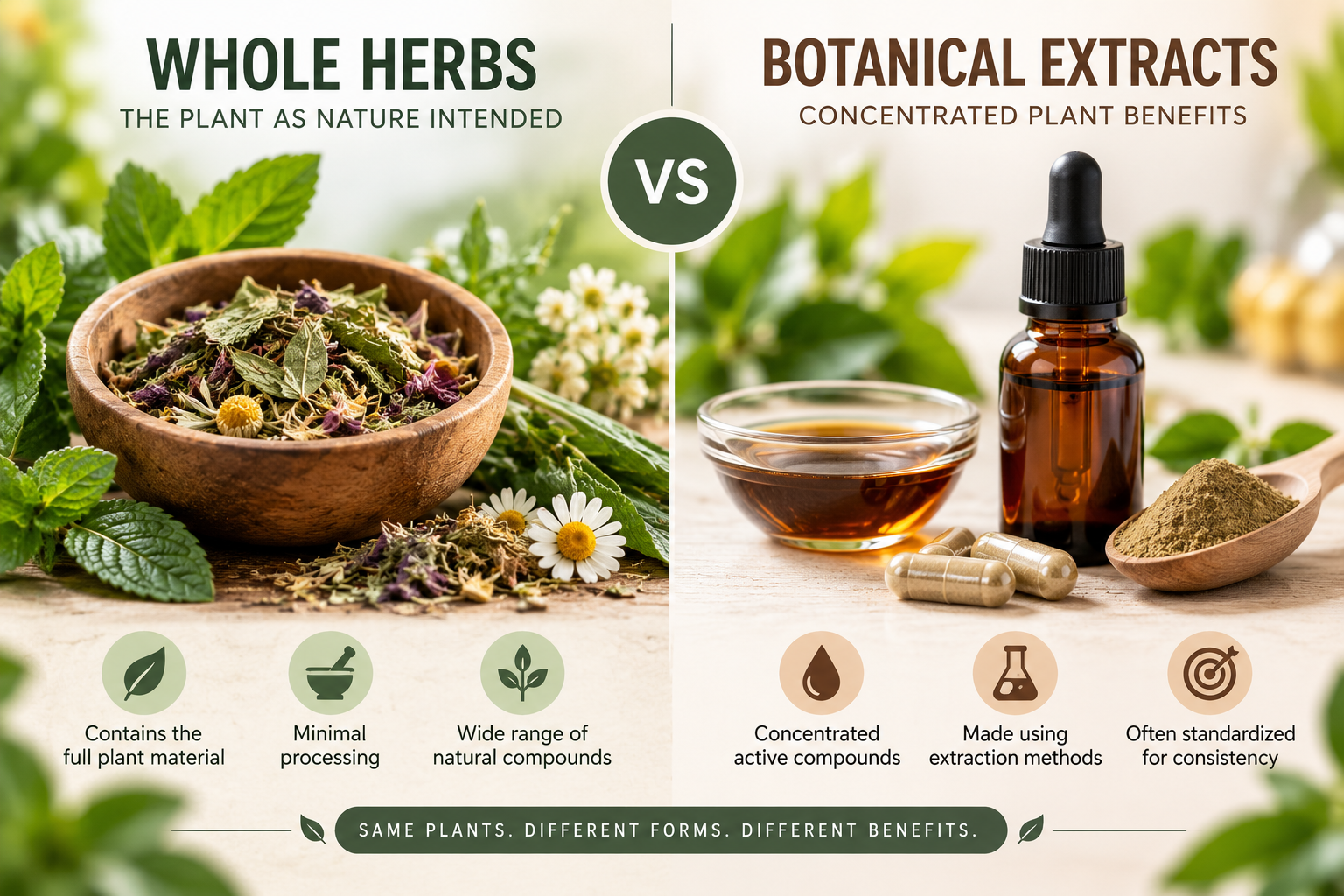
How Botanical Extracts Differ From Whole Herbs
Understanding how extracts differ from whole herbs can make it easier to interpret supplement labels, compare products, and evaluate claims about herbal ingredients.
Read article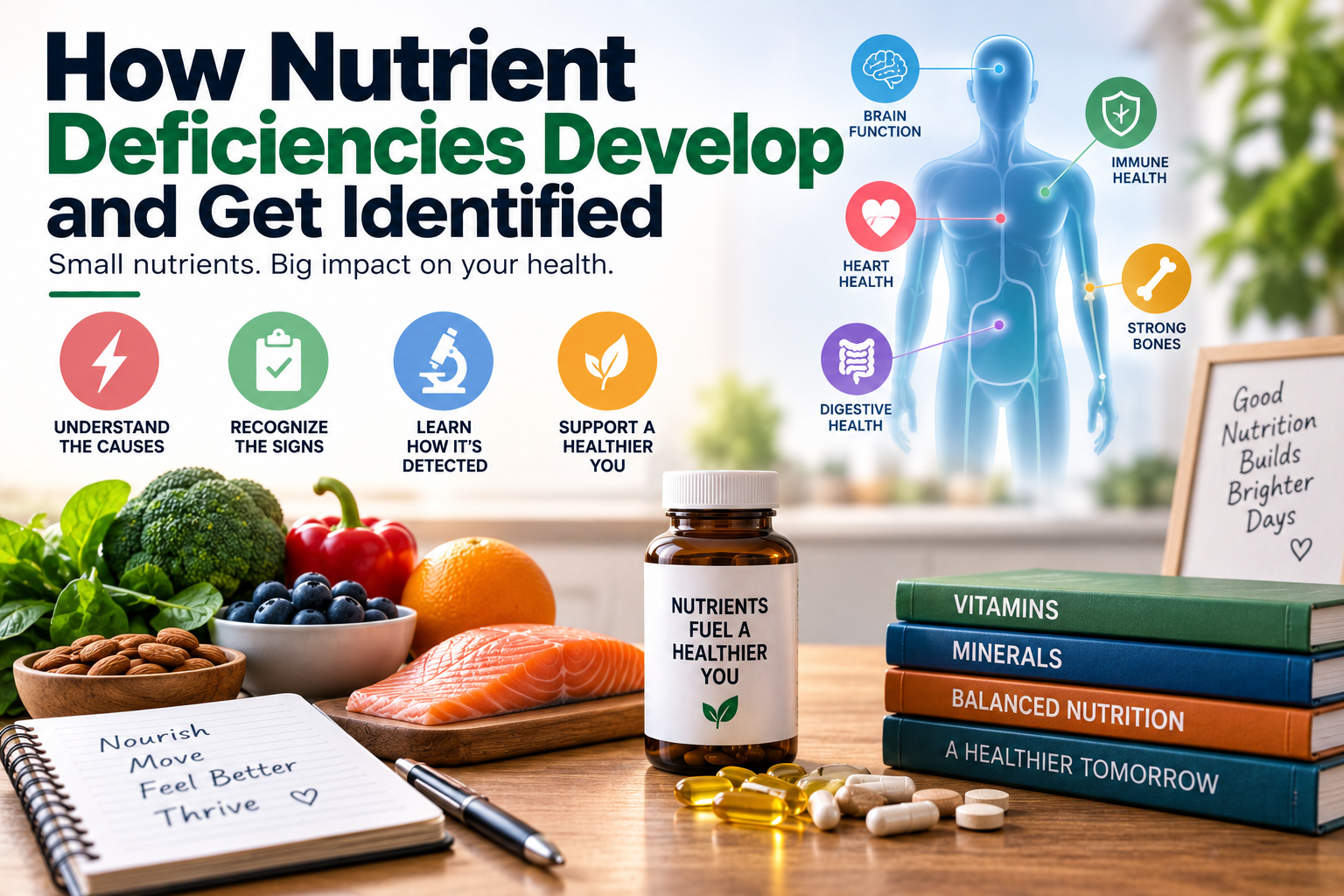
How Nutrient Deficiencies Develop and Get Identified
Understanding how nutrient deficiencies develop—and how healthcare professionals identify them—can make it easier to recognize potential problems before they become more serious.
Read article
What Is the Difference Between Water-Soluble and Fat-Soluble Vitamins
Understanding this basic distinction can make it easier to interpret nutrition information, evaluate supplements, and make informed decisions about dietary intake.
Read article

Join 10,000+ Readers Building Healthier Habits
Get actionable wellness tips every week plus our newest articles delivered straight to your inbox.