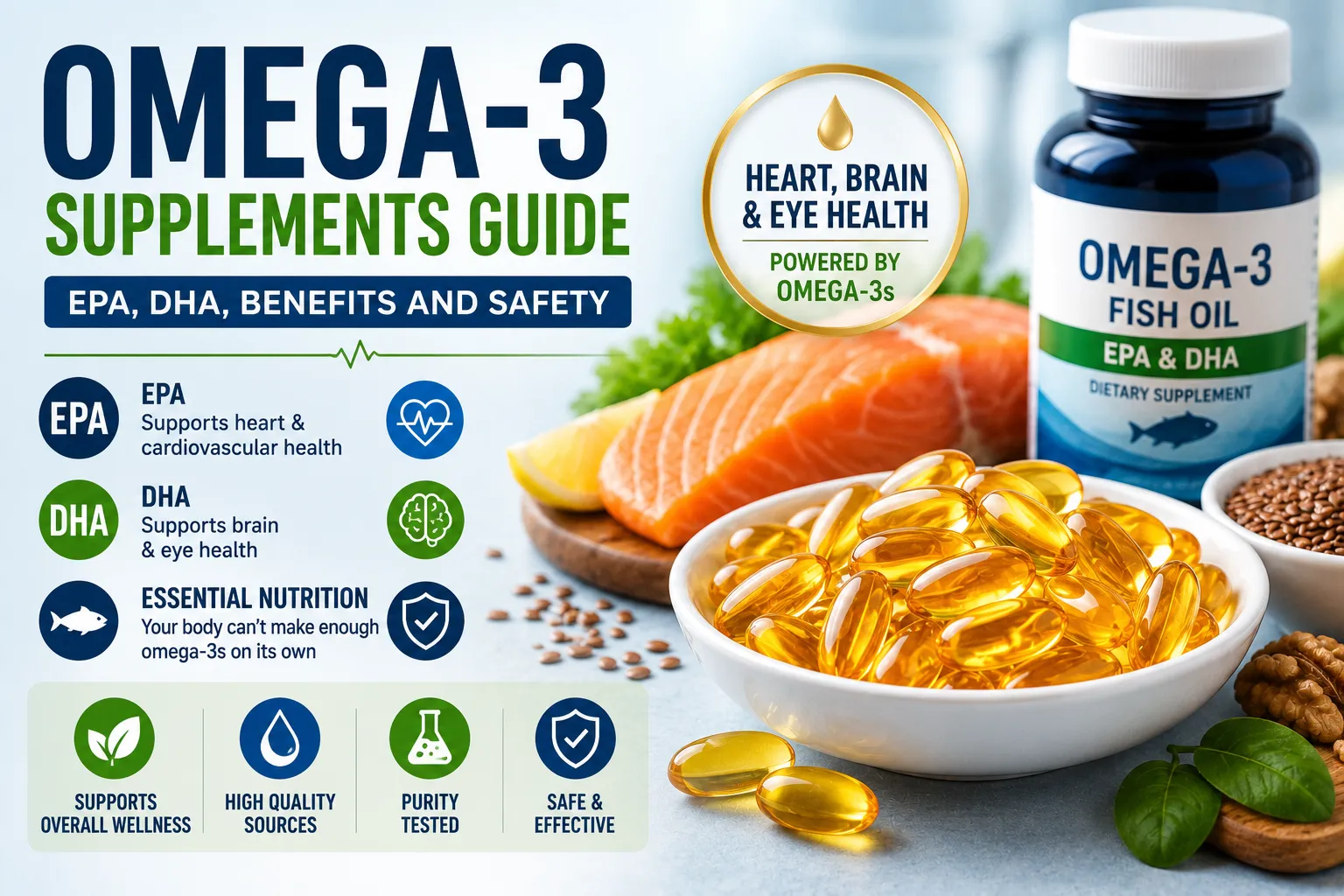

Omega-3 Supplements Guide: EPA, DHA, Benefits and Safety
Omega-3 fatty acids are among the most widely used dietary supplements, with fish oil capsules, krill oil, algae-based products and other formulations marketed for heart, brain, eye and general health.
But the science behind omega-3s is more nuanced than many supplement labels suggest. EPA and DHA are important omega-3 fatty acids with well-established roles in the body, but taking a supplement does not automatically provide the same benefits as eating fish or treat a specific health condition.
The right product, dose and reason for taking an omega-3 supplement matter. So does understanding potential side effects, medication interactions and the difference between ordinary dietary supplements and prescription omega-3 medicines.
For broader information about supplements, including how they are formulated, evaluated and used safely, see the complete guide to dietary supplements.
Health note: This article is for general educational purposes and is not a substitute for medical advice. If you take prescription medicines, have a medical condition, are pregnant or are considering high-dose omega-3 supplementation, speak with a qualified healthcare professional.
What Are Omega-3 Fatty Acids?
Omega-3s are a family of polyunsaturated fatty acids found in foods and dietary supplements.
The three major omega-3 fatty acids are:
- EPA (eicosapentaenoic acid)
- DHA (docosahexaenoic acid)
- ALA (alpha-linolenic acid)
ALA is found primarily in plant foods and oils, including flaxseed, soybean and canola oils. EPA and DHA are found mainly in fish and seafood. The body can convert ALA into EPA and DHA, but only in relatively small amounts.
This is one reason fish and seafood are important dietary sources of EPA and DHA.
EPA vs. DHA: What’s the Difference?
EPA and DHA are closely related but perform different roles.
EPA
EPA is involved in cell signaling and the production of compounds involved in inflammation and immune responses.
It is also particularly important in research involving blood triglycerides and cardiovascular health.
DHA
DHA is an important structural component of cell membranes and is particularly concentrated in the brain and retina.
DHA is therefore especially relevant to normal brain and eye function.
EPA and DHA Together
Many fish-oil supplements contain both EPA and DHA.
Others are formulated to provide predominantly EPA or predominantly DHA.
The fact that one supplement contains more EPA or DHA does not automatically make it better. The appropriate formulation depends on why someone is taking it.
Why Omega-3s Matter
Omega-3 fatty acids are incorporated into cell membranes throughout the body.
They contribute to normal functions involving:
- The brain
- Eyes
- Heart
- Blood vessels
- Lungs
- Immune system
- Endocrine system
DHA concentrations are particularly high in the retina and brain.
However, an important distinction is needed: a nutrient being essential to normal biological function does not mean taking more of it will necessarily produce additional health benefits.
That distinction is particularly important when evaluating supplements.
Where Can You Get Omega-3s?
Omega-3s can come from both food and supplements.
Foods Rich in EPA and DHA
Good sources include:
- Salmon
- Sardines
- Mackerel
- Herring
- Trout
- Tuna
- Oysters
- Other seafood
Foods Rich in ALA
Plant sources include:
- Flaxseed
- Chia seeds
- Walnuts
- Soybeans
- Canola oil
- Flaxseed oil
Because conversion of ALA to EPA and DHA is limited, eating ALA-rich foods is not equivalent to consuming substantial amounts of EPA and DHA.
What Are Omega-3 Supplements?
Omega-3 supplements provide concentrated sources of EPA, DHA, ALA or combinations of these fatty acids.
Common products include:
- Fish oil
- Algal oil
- Krill oil
- Cod liver oil
- Flaxseed oil
- EPA-focused formulations
- DHA-focused formulations
The amount of EPA and DHA can vary considerably between products.
This makes the supplement label important.
Fish Oil vs. Algae Oil
Fish oil is one of the most common sources of supplemental EPA and DHA.
Algae oil is another option and can provide DHA, with some products also containing EPA.
Algae-based supplements can be particularly useful for people who avoid fish or follow vegetarian or vegan diets.
The important consideration is not simply the type of capsule but how much EPA and DHA it actually provides.
What Does the Supplement Label Mean?
A common mistake is to look only at the amount of “fish oil” listed on the front of the bottle.
For example, a capsule might contain 1,000 mg of fish oil but considerably less than 1,000 mg of combined EPA and DHA.
Look for the Supplement Facts panel and identify:
- EPA amount
- DHA amount
- Total omega-3 amount
- Serving size
- Number of capsules per serving
The EPA and DHA quantities are usually more useful for comparison than the total amount of fish oil.
For a broader guide to interpreting supplement packaging, see how to read supplement labels correctly.
Potential Benefits of Omega-3 Supplements
Omega-3 supplements have been studied for many different health outcomes.
The evidence is strongest for certain specific applications and less convincing for others.
Potential areas of interest include:
- Triglyceride reduction
- Cardiovascular health
- Brain health
- Eye health
- Pregnancy and infant development
- Inflammatory conditions
- General nutritional support
However, research results vary depending on the population, formulation and dose.
Omega-3s and Triglycerides
One of the clearest effects of high-dose omega-3 therapy is lowering elevated triglycerides.
Prescription omega-3 products at doses of around 4 grams per day have been shown to lower triglycerides by approximately 20%–30% in people with elevated levels.
This is important because prescription omega-3 medicines are different from ordinary fish-oil supplements.
The American Heart Association specifically distinguishes prescription omega-3 products from dietary supplements when treating high triglycerides.
If you have high triglycerides, do not assume that taking an over-the-counter fish-oil supplement is an adequate substitute for medical treatment.
Can Omega-3 Supplements Prevent Heart Disease?
This question has produced considerable debate because research findings have not always been consistent.
The NIH notes that omega-3 supplements can lower triglycerides, but their broader effects on cardiovascular disease are less clear. Recent studies have not consistently reproduced the benefits seen in some older trials.
The American Heart Association has also emphasized the importance of obtaining omega-3s through a healthy dietary pattern, particularly seafood consumption.
This means taking fish oil should not be viewed as a replacement for:
- Regular physical activity
- A balanced diet
- Blood-pressure management
- Cholesterol treatment
- Not smoking
- Appropriate medical care
Eating Fish vs. Taking Fish Oil
For many people, food is the preferred way to obtain nutrients.
Fish provides EPA and DHA alongside protein and other nutrients.
The American Heart Association recommends eating fish, particularly fatty fish, regularly as part of a heart-healthy dietary pattern.
Supplements can nevertheless be useful in certain circumstances, particularly for people who do not eat fish or who have a specific reason to use supplemental omega-3s.
The decision should be based on individual needs rather than the assumption that everyone requires a fish-oil capsule.
Omega-3s and Brain Health
DHA is particularly abundant in brain tissue, which has led to substantial interest in omega-3 supplements and cognitive health.
There is a biological reason for this interest: DHA is an important structural component of brain cell membranes.
However, this does not mean that taking high-dose DHA supplements will necessarily prevent memory loss or neurological disease.
Research into omega-3 supplementation for cognitive outcomes remains an active area of study, and evidence differs depending on the population and outcome being investigated.
Omega-3s and Eye Health
DHA is also concentrated in the retina.
This has prompted research into whether omega-3 supplementation can support eye health or reduce the risk of certain eye conditions.
Again, the biological importance of DHA does not automatically prove that supplements prevent eye disease.
People with an existing eye condition should follow evidence-based treatment recommended by their healthcare professional rather than replacing treatment with fish oil.
Omega-3s During Pregnancy
Omega-3s are relevant during pregnancy because DHA contributes to fetal development.
Seafood can provide important nutrients during pregnancy, but fish choices matter because some species contain higher levels of methylmercury.
The NIH recommends that pregnant and breastfeeding women choose seafood varieties lower in methylmercury and notes that research has examined potential benefits of DHA and other omega-3 supplementation during pregnancy.
Pregnant people should discuss supplements with their healthcare provider, particularly when considering doses beyond those contained in a prenatal or standard nutritional supplement.
Can Omega-3 Supplements Reduce Inflammation?
Omega-3 fatty acids are involved in biological pathways related to inflammation.
This has led to widespread marketing of fish oil as an “anti-inflammatory” supplement.
The reality is more complicated.
Omega-3s influence inflammatory signaling, but the effect of supplementation depends on the condition, dose, formulation and individual.
A supplement should not be promoted as a universal treatment for inflammatory diseases.
How Much Omega-3 Do You Need?
There is no single recommended daily amount for EPA and DHA that applies to everyone.
The National Institutes of Health notes that experts have established recommended amounts for ALA, but not for EPA and DHA specifically.
ALA recommendations vary by age and sex.
This is different from prescription omega-3 therapy, where specific doses may be used under medical supervision to treat conditions such as severe hypertriglyceridemia.
Is More Omega-3 Always Better?
No.
Higher doses do not automatically produce greater health benefits.
High-dose omega-3 supplementation can also introduce additional considerations, including medication interactions and potential cardiovascular effects.
The NIH reports that large clinical trials found that taking 4 grams per day of omega-3 supplements for several years slightly increased the risk of atrial fibrillation in people with cardiovascular disease or a high risk of cardiovascular disease.
This is one reason high-dose supplementation should not be treated as a harmless “more is better” strategy.
Omega-3 Supplement Safety
For most people, common side effects are relatively mild.
They can include:
- Fishy taste
- Bad breath
- Heartburn
- Nausea
- Stomach discomfort
- Diarrhea
- Headache
- Unpleasant body odor
These effects are documented by the NIH Office of Dietary Supplements.
Taking the supplement with food may improve tolerability for some people, although individual experiences vary.
Can Fish Oil Increase Bleeding?
Omega-3 fatty acids can affect platelet function, which is why bleeding has historically been an important safety question.
The NIH notes that high doses may interact with anticoagulant medications and that people taking drugs such as warfarin should discuss omega-3 supplementation with a healthcare professional.
The FDA has concluded that dietary supplements providing no more than 5 grams per day of combined EPA and DHA are considered safe when used as recommended on the label.
That figure should not be interpreted as a personal recommended dose or a reason to take 5 grams daily.
Omega-3s and Blood-Thinning Medicines
If you take medications that affect blood clotting, discuss omega-3 supplementation with your healthcare provider.
This is particularly important with medicines such as:
- Warfarin
- Other anticoagulants
- Certain antiplatelet medicines
The NIH notes that people taking omega-3 supplements alongside anticoagulants may require appropriate monitoring.
Do not stop prescribed medication simply because you begin taking an omega-3 supplement.
Omega-3s and Atrial Fibrillation
Atrial fibrillation is an irregular heart rhythm.
Research has raised concerns that high-dose omega-3 supplementation may slightly increase the risk of atrial fibrillation in some people, particularly those with existing cardiovascular disease or elevated cardiovascular risk.
The NIH cites two large clinical trials in which 4 grams per day of omega-3 supplementation for several years was associated with a small increase in atrial-fibrillation risk.
This does not mean ordinary dietary fish consumption carries the same risk or that everyone taking an omega-3 supplement will develop atrial fibrillation.
It does reinforce the importance of using high-dose supplements for a clear reason and under appropriate medical guidance.
How to Choose an Omega-3 Supplement
If you decide that an omega-3 supplement is appropriate, compare products carefully.
1. Check EPA and DHA
Look at the actual EPA and DHA amounts rather than relying on the total fish-oil weight.
2. Check Serving Size
Determine whether the listed amounts apply to one capsule or multiple capsules.
3. Consider the Source
Fish oil and algae oil are common sources.
4. Check Storage Instructions
Some products require particular storage conditions to maintain quality.
5. Look for Independent Quality Testing
Third-party testing can provide additional information about product quality and purity.
However, certification does not mean a supplement is appropriate for your individual health needs.
What Does Third-Party Testing Mean?
Dietary supplements are regulated differently from prescription medicines.
In the United States, the FDA regulates dietary supplements as a category of food rather than as drugs. Manufacturers are responsible for ensuring that products are safe and properly labeled, but supplements generally do not undergo the same premarket approval process used for prescription medicines.
Independent testing organizations can evaluate products for things such as:
- Ingredient identity
- Purity
- Contaminants
- Manufacturing quality
- Label accuracy
Third-party testing can therefore be useful when comparing products.
For more information about how supplement products are designed and evaluated, see how supplement quality and testing work.
Fish Oil, Krill Oil or Algae Oil?
There is no universal winner.
Fish Oil
Advantages:
- Widely available
- Often provides both EPA and DHA
- Extensive research history
Considerations:
- Not suitable for people avoiding fish
- Quality can vary
- Some products have a noticeable taste or odor
Krill Oil
Advantages:
- Provides EPA and DHA
- Contains phospholipids
- Often marketed as an alternative to traditional fish oil
Considerations:
- Usually more expensive
- The evidence base is smaller than that for conventional fish oil
- Shellfish-allergic individuals should take particular care
Algae Oil
Advantages:
- Suitable for people avoiding fish
- Can provide DHA
- Some products provide EPA as well
Considerations:
- EPA/DHA content varies
- Product formulations differ
The best choice depends on dietary preferences, nutritional needs and the specific amount of EPA and DHA required.
What About Cod Liver Oil?
Cod liver oil provides omega-3 fatty acids but also contains vitamins A and D.
This makes it different from ordinary fish oil.
Taking large amounts can potentially result in excessive intake of fat-soluble vitamins, particularly vitamin A.
If you are already taking a multivitamin or other supplements containing vitamins A or D, check the combined intake before adding cod liver oil.
When Should You Take Omega-3 Supplements?
There is no universally established time of day when omega-3 supplements must be taken.
Many people take them with a meal.
Taking a supplement alongside food may also make it easier to tolerate for some people.
Follow the product’s directions and any instructions provided by your healthcare professional.
Should Omega-3 Supplements Be Taken Every Day?
That depends on why you are taking them.
A person using an omega-3 supplement to fill a dietary gap may follow the product’s recommended serving.
Someone using prescription omega-3 therapy for high triglycerides has a very different situation and should follow the prescribed regimen.
Do not use the dosing strategy for a prescription omega-3 medicine as a general recommendation for an over-the-counter supplement.
Who Should Be Especially Careful?
Talk with a healthcare professional before taking high-dose omega-3 supplements if you:
- Take anticoagulants
- Have a bleeding disorder
- Have cardiovascular disease
- Have a history of atrial fibrillation
- Are preparing for surgery
- Are pregnant or breastfeeding
- Take multiple medications
- Have a chronic medical condition
- Are considering omega-3 therapy for high triglycerides
This does not necessarily mean you cannot use omega-3s. It means the potential benefits and risks should be considered in context.
For additional information about potential supplement interactions, see supplement interactions.
Omega-3 Supplements and Surgery
Because omega-3 supplements can influence platelet function, people sometimes receive advice to stop them before surgery.
However, the correct decision depends on the individual, procedure and medications involved.
Do not stop prescribed or routinely used supplements before surgery without asking the relevant healthcare professional.
Common Omega-3 Supplement Mistakes
Looking Only at “1,000 mg Fish Oil”
The total fish-oil number does not tell you how much EPA and DHA the capsule contains.
Assuming More Is Better
High doses have different safety considerations.
Treating Supplements Like Prescription Medicines
Over-the-counter fish oil is not interchangeable with prescription omega-3 therapy.
Ignoring Medication Interactions
Tell your doctor or pharmacist about supplements you take.
Expecting a Supplement to Replace a Healthy Diet
Supplements cannot reproduce the full nutritional value of a balanced eating pattern.
Believing Every Marketing Claim
A supplement’s advertised benefit is not necessarily the same thing as a clinically established effect.
Questions to Ask Before Buying Omega-3
Before purchasing a product, ask:
- How much EPA does it provide?
- How much DHA does it provide?
- How many capsules make one serving?
- What is the source?
- Has the product undergone independent quality testing?
- Do I actually need a supplement?
- Am I taking medicines that could interact with it?
- Am I considering a dose higher than the label recommends?
- Would eating more seafood be a better option?
These questions can prevent you from paying for a product that does not match your needs.
Omega-3 Supplements vs. Prescription Omega-3
The distinction is particularly important when treating high triglycerides.
| Feature | Dietary Omega-3 Supplement | Prescription Omega-3 |
|---|---|---|
| Purpose | Nutritional supplementation | Medical treatment for specific conditions |
| EPA/DHA content | Varies | Precisely formulated |
| FDA review | Not approved like drugs | Approved for specific indications |
| Dosing | Product-dependent | Prescribed |
| Triglyceride treatment | Not a substitute for medical therapy | Established use for certain patients |
| Medical supervision | Usually not required for ordinary use | Required as part of treatment |
The American Heart Association specifically states that prescription omega-3 medications are different from dietary supplements and are used for high triglycerides.
Can Omega-3 Supplements Replace Fish?
Not completely.
Fish and seafood provide EPA and DHA but also provide protein, minerals and other nutrients.
The broader dietary pattern matters.
The American Heart Association’s 2026 cardiovascular dietary guidance emphasizes a pattern rich in vegetables and fruits, whole grains, healthy protein sources and unsaturated fats while limiting excess added sugars and highly processed foods.
An omega-3 capsule should therefore be viewed as a supplement to a healthy diet—not a substitute for one.
A Practical Omega-3 Strategy
For a generally healthy adult, a sensible approach is:
Step 1: Look at Your Diet
Do you regularly eat seafood or other omega-3-rich foods?
Step 2: Identify the Reason
Are you trying to correct a dietary gap, or are you attempting to treat a medical condition?
Step 3: Check the Label
Look specifically at EPA and DHA.
Step 4: Review Your Medications
Check for potential interactions with a pharmacist or healthcare professional.
Step 5: Avoid Unnecessary High Doses
More is not automatically better.
Step 6: Reassess
If you are taking a supplement for a particular health goal, discuss whether it is actually producing the desired result.
Choosing Omega-3 With the Bigger Picture in Mind
Omega-3 fatty acids are important nutrients, and EPA and DHA have well-established biological roles. Fish, seafood and certain plant foods can form part of a nutritious diet, while supplements can provide another source when appropriate.
But omega-3 supplements should not be treated as universal health boosters or replacements for medical treatment. Their strongest established clinical role is in specific situations such as managing elevated triglycerides with prescription-strength products, while evidence for broad cardiovascular prevention from ordinary fish-oil supplements is considerably less consistent.
Safety also matters. Most side effects are mild, but high doses can interact with medications, and prolonged high-dose supplementation has been associated with a small increase in atrial-fibrillation risk in some higher-risk populations.
The smartest approach is therefore simple: prioritize a varied, nutrient-rich diet, understand exactly what your supplement contains, avoid assuming that higher doses are better, and discuss omega-3 supplementation with a healthcare professional when you have a medical condition or take medications.
Continue Reading
Similar Posts
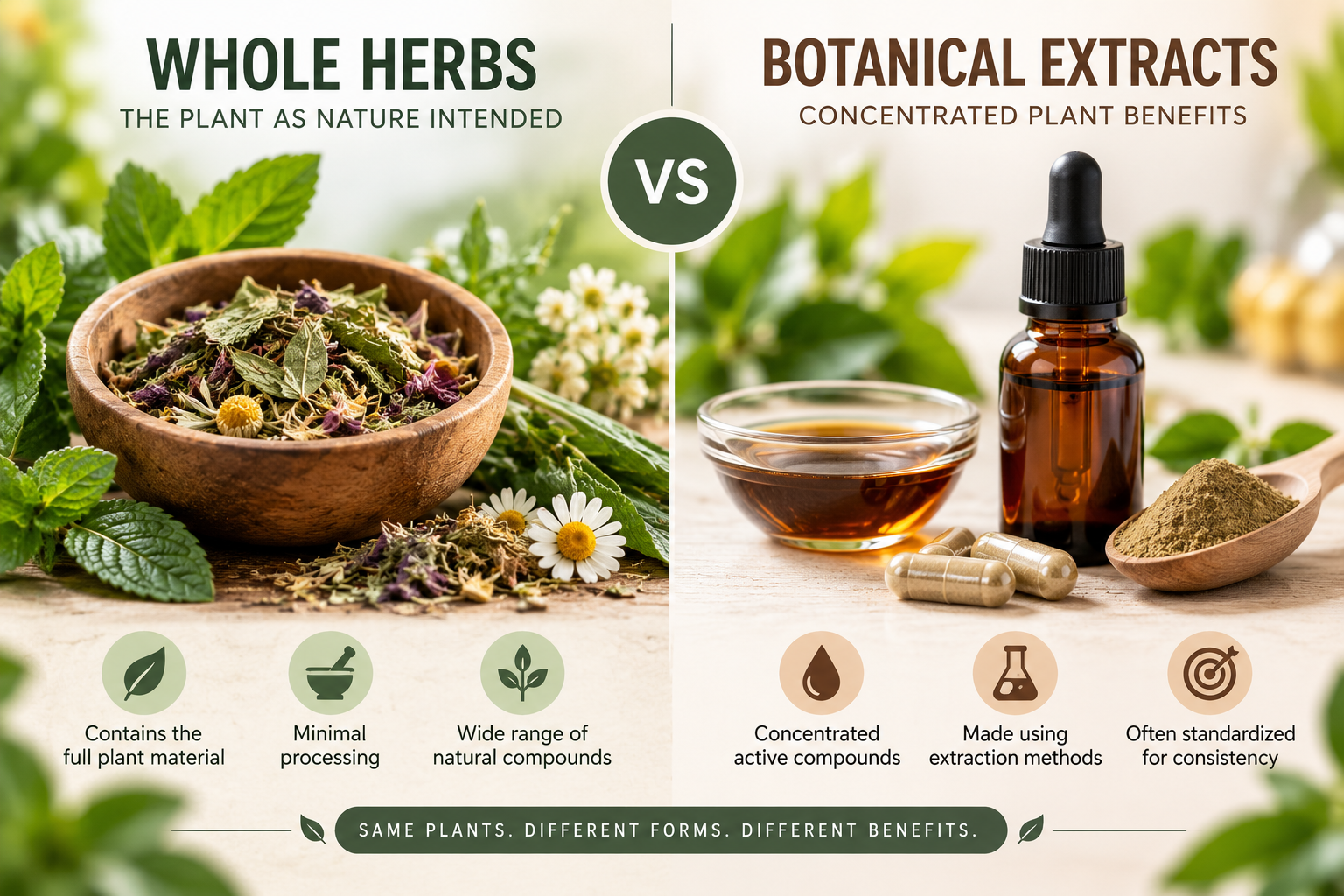
How Botanical Extracts Differ From Whole Herbs
Understanding how extracts differ from whole herbs can make it easier to interpret supplement labels, compare products, and evaluate claims about herbal ingredients.
Read article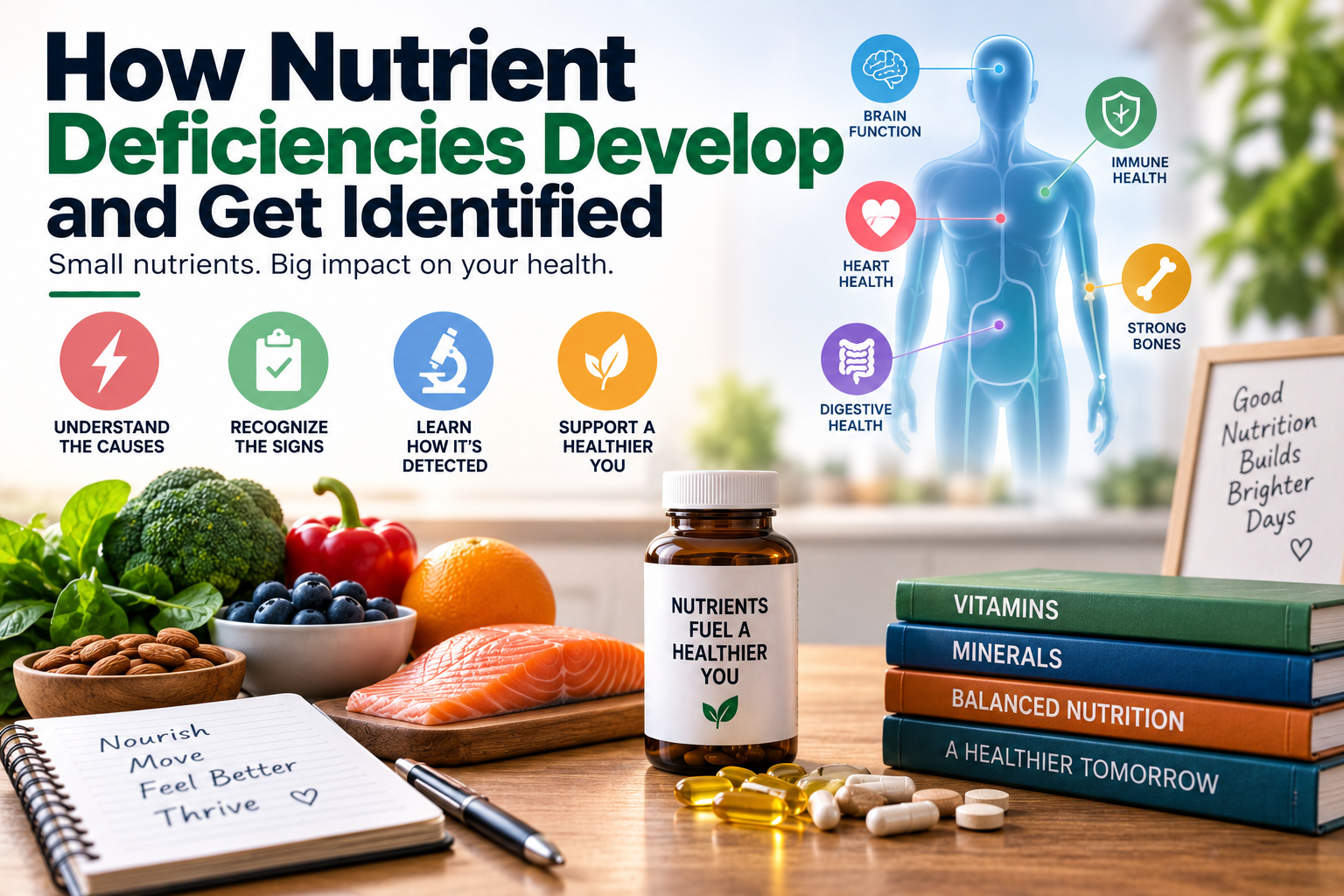
How Nutrient Deficiencies Develop and Get Identified
Understanding how nutrient deficiencies develop—and how healthcare professionals identify them—can make it easier to recognize potential problems before they become more serious.
Read article
What Is the Difference Between Water-Soluble and Fat-Soluble Vitamins
Understanding this basic distinction can make it easier to interpret nutrition information, evaluate supplements, and make informed decisions about dietary intake.
Read article

Join 10,000+ Readers Building Healthier Habits
Get actionable wellness tips every week plus our newest articles delivered straight to your inbox.