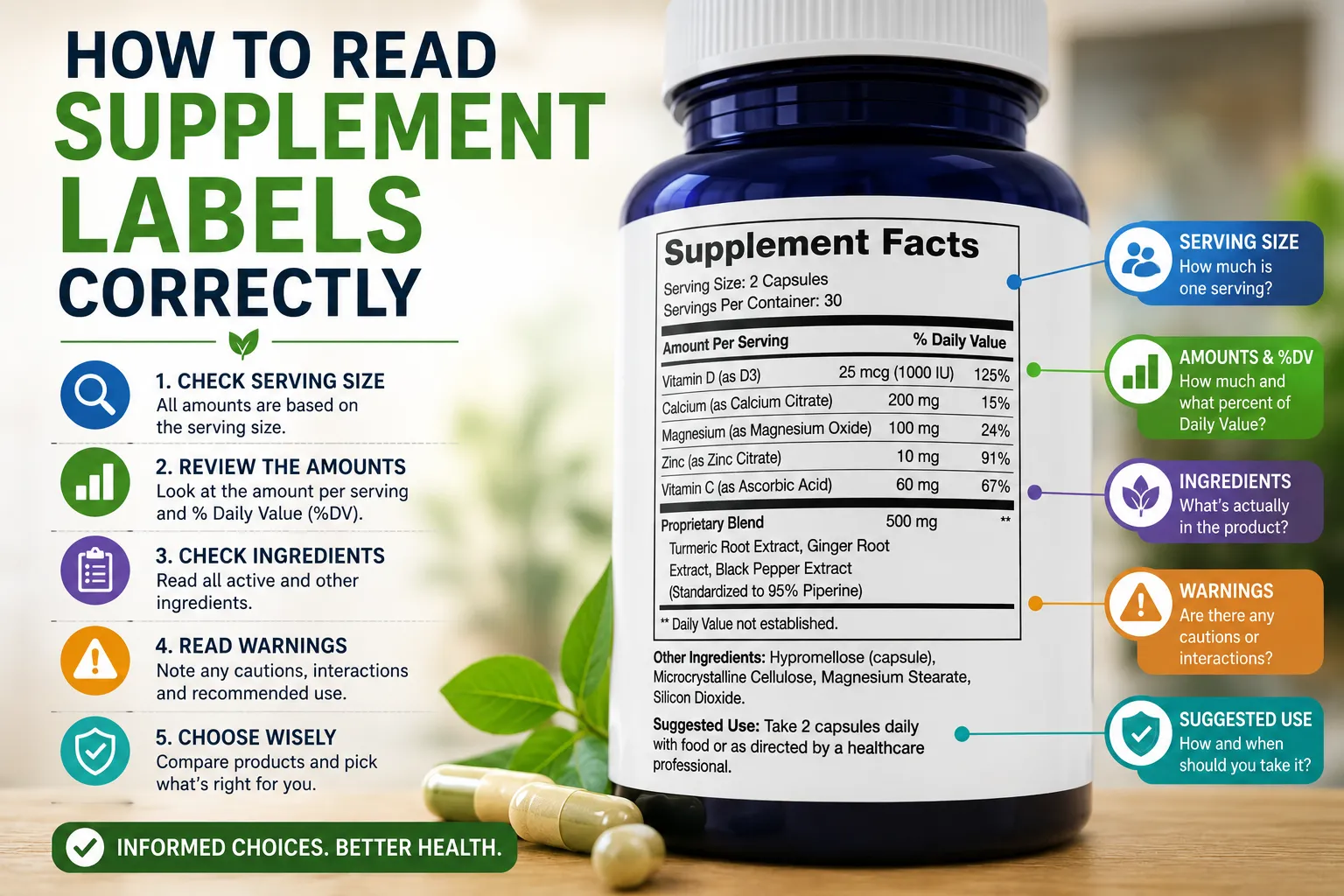

How to Read Supplement Labels Correctly
Walking into a pharmacy, supermarket or health-food store can mean facing an overwhelming selection of vitamins, minerals, herbal products and other dietary supplements. Bright packaging often promises better energy, stronger immunity, improved sleep or support for a particular health goal.
The most useful information, however, is usually not on the front of the bottle.
The Supplement Facts panel, ingredient list, serving information, warnings and other label details can tell you much more about what a product actually contains. Learning how to read these sections can make it easier to compare products, understand doses and avoid accidentally taking overlapping ingredients.
A supplement label is essentially a compact description of what is inside the container and how the manufacturer recommends using it. Knowing where to look can help turn confusing terminology into useful information.
For broader context on choosing and evaluating supplements, see the complete guide to dietary supplements.
Start With the Serving Size
The first detail to check on a supplement label is the serving size.
A serving might be:
- One tablet
- Two capsules
- One scoop
- Two gummies
- One tablespoon
- Several drops
The amount of each nutrient listed on the label generally applies to that serving size.
This matters because two products can appear to contain very different amounts of a nutrient when they actually provide similar amounts per serving.
For example, suppose one supplement lists 500 milligrams of a nutrient per serving and another lists 250 milligrams. If the first serving consists of two capsules and the second consists of one capsule, the difference may simply reflect how the products define a serving.
Always check the serving size before comparing numbers.
Understand the Difference Between Servings and Containers
The front of a bottle might make a product appear to contain a large quantity, but the number of individual pills or gummies is not necessarily the number of servings.
A bottle containing 60 capsules could provide:
- 60 servings if the serving size is one capsule
- 30 servings if the serving size is two capsules
- 20 servings if the serving size is three capsules
The label should indicate the number of servings per container.
This information can also help determine the actual cost of using a supplement over time.
A product that appears inexpensive may require several capsules per day, while a more expensive-looking product might last much longer.
Read the Supplement Facts Panel
The Supplement Facts panel is one of the most important parts of the label.
It typically identifies the dietary ingredients in the product and the amount provided per serving.
Depending on the supplement, the panel may list vitamins, minerals, amino acids, botanical ingredients or other substances.
For each nutrient, look for both the amount and the unit of measurement.
Common units include:
- Micrograms (mcg)
- Milligrams (mg)
- Grams (g)
- International Units (IU)
These units are not interchangeable.
A gram is much larger than a milligram, while a milligram is much larger than a microgram.
Understanding the units prevents mistakes when comparing products.
What Does % Daily Value Mean?
Many supplement labels include a % Daily Value (%DV) next to vitamins and minerals.
Daily Value is a reference amount used on nutrition and supplement labeling to help consumers understand how much a nutrient contributes to a typical daily diet.
If a product provides 50% DV of a nutrient, that means one serving provides half of the listed Daily Value for that nutrient.
However, %DV should not automatically be interpreted as a recommendation for how much an individual person needs.
Individual nutritional needs can vary according to factors such as age, sex, life stage and health circumstances.
A high percentage also does not automatically mean a product is better.
For additional context on the different roles vitamins play in nutrition, see the complete guide to vitamins and their roles.
More Is Not Necessarily Better
Supplement marketing can sometimes create the impression that larger doses produce greater benefits.
That is not a safe assumption.
Nutrients that are essential to the body can still cause problems when consumed in excessive amounts. Some vitamins and minerals can accumulate in the body or interact with medications.
A product containing several times the Daily Value of a nutrient is therefore not automatically superior to one providing a more moderate amount.
The appropriate amount depends on the specific nutrient and the individual’s circumstances.
Look at the Actual Ingredients
The ingredient list can reveal what is included beyond the headline nutrient.
A multivitamin, for example, may contain numerous vitamins and minerals along with other ingredients used to create the tablet, capsule or gummy.
Other products may contain:
- Herbal extracts
- Amino acids
- Enzymes
- Sweeteners
- Flavorings
- Coloring agents
- Fillers
- Preservatives
- Capsule materials
Reading the complete list can be particularly important for people with allergies, dietary restrictions or sensitivities to specific ingredients.
Learn to Recognize Proprietary Blends
Some supplements use a term such as proprietary blend to group several ingredients together.
The label may provide the total amount of the blend without specifying the exact amount of each individual ingredient.
For example, a label could state that a blend contains 1,000 mg of several botanical ingredients combined but not explain how much of each one is included.
That makes it harder to compare the product with another supplement that provides individual amounts.
When evaluating a supplement, knowing exactly how much of each active ingredient it contains can be useful.
Pay Attention to Chemical Forms
Two products can contain the same nutrient but use different forms of that nutrient.
For example, mineral supplements may use different chemical compounds as their source of the mineral.
The form can affect characteristics such as absorption, tolerability and the amount of the actual nutrient provided.
This is one reason it is important to look beyond a product’s large marketing claim and read the detailed ingredient information.
However, consumers should be cautious about assuming that a more complicated-sounding ingredient name automatically means better quality.
Botanical Names Can Be Confusing
Herbal supplements can be particularly difficult to interpret because plants may have common names, scientific names and different extract specifications.
A label might identify the plant along with the part used, such as the root, leaf or flower.
It may also identify an extract ratio or a standardized component.
These details can matter because two products made from the same plant may not be chemically identical.
Consumers who are specifically interested in herbal supplements should pay attention to exactly which plant, plant part and extract are listed.
Check for Standardized Extract Information
Some botanical supplements identify a standardized amount of a particular compound or group of compounds.
Standardization is intended to help ensure consistency between batches of an extract.
For example, a manufacturer may specify that an extract contains a particular percentage of a named compound.
This can provide more information than simply listing the weight of the raw plant material.
However, standardization does not by itself guarantee that a supplement is effective or appropriate for every person.
Understand “Other Ingredients”
The Other Ingredients section is easy to overlook.
It may include substances used to manufacture the supplement or improve its appearance, texture, stability or flavor.
Examples can include:
- Gelatin
- Cellulose
- Rice flour
- Magnesium stearate
- Silicon dioxide
- Natural or artificial flavors
- Sweeteners
These ingredients are not necessarily harmful simply because they are not the primary active ingredients.
The section is useful because it gives consumers a fuller picture of what they are actually taking.
Check the Form of the Supplement
Supplements can come in many forms, including tablets, capsules, powders, liquids and gummies.
The form can affect the ingredients and amounts in the product.
Gummy supplements, for example, may contain sweeteners or flavoring ingredients that are unnecessary in a capsule.
Powders may contain additional ingredients designed to improve taste or texture.
The form itself does not determine whether a supplement is good or bad, but it is another reason to read the entire label rather than relying on the product’s front packaging.
Look for Allergen Information
People with food allergies should carefully examine supplement labels.
Depending on the product and manufacturer, potential allergens may be identified in an allergen statement or ingredient list.
Some supplements can also contain ingredients derived from common allergens.
People with significant allergies should not rely solely on the front of the package. If the labeling is unclear, contacting the manufacturer can provide additional information.
Dietary Preferences Matter Too
Supplements can contain animal-derived ingredients.
For example, some capsules are made with gelatin, which is typically derived from animal collagen.
People following vegetarian or vegan diets may therefore need to check capsule materials and other ingredients.
Labels may use terms such as “vegetarian” or “vegan,” but consumers should still examine the product details if a particular ingredient is important to them.
Check the Suggested Use
The Suggested Use section explains how the manufacturer recommends taking the product.
It may specify:
- How many capsules or tablets to take
- How frequently to take them
- Whether to take the product with food
- Whether to mix a powder with a particular amount of liquid
- Whether the product is intended for a particular time of day
The suggested use should not automatically be treated as personalized medical advice.
Individual needs can differ, and some supplements may not be appropriate for particular people.
Pay Attention to Warnings
Warnings deserve at least as much attention as marketing claims.
A label may advise people who are pregnant or breastfeeding, taking medication or dealing with a particular medical condition to consult a healthcare professional before using the product.
Other warnings may address possible side effects or situations in which the supplement should not be used.
Do not ignore these sections simply because the product is marketed as “natural.”
Natural substances can still have biological effects, side effects and interactions.
Check for Medication Interactions
Some supplements can interact with prescription or over-the-counter medications.
For example, certain supplements may influence how medications are absorbed, metabolized or eliminated from the body. Others may affect blood clotting, blood pressure or blood sugar.
This is especially important for people who regularly take medication.
Rather than assuming a supplement is harmless because it is sold without a prescription, it is better to ask a doctor, pharmacist or other qualified healthcare professional whether it is appropriate.
Don’t Confuse a Supplement With a Medication
Dietary supplements and medications serve different roles and are regulated differently in many countries.
A supplement label may make statements about supporting normal body functions, but that does not necessarily mean the product has been demonstrated to treat or cure a disease.
Be especially cautious when a product claims to provide a quick cure for a serious condition.
Claims such as “miracle cure,” “guaranteed results” or “works for everyone” should raise questions rather than confidence.
Marketing Language Can Be Misleading
The front of a supplement package is designed to attract attention.
Words such as:
- Natural
- Premium
- Advanced
- Clean
- Maximum
- Complete
- High potency
- Clinically inspired
can create an impression of quality without telling you exactly what the product contains.
Marketing language is not a substitute for reading the Supplement Facts panel.
A better approach is to turn the bottle around and examine the actual ingredients, amounts, serving size and warnings.
“Natural” Does Not Automatically Mean Safe
The word natural has powerful marketing appeal, but it does not tell you whether a substance is appropriate for you.
Many substances found in nature can have powerful biological effects.
Some herbs can interact with medication. Certain nutrients can become harmful at excessive doses. Some products can also contain ingredients that are not suitable for particular health conditions.
Safety depends on the substance, amount, person and circumstances—not simply whether an ingredient originated in nature.
Check the Expiration or Best-By Information
Supplements can have expiration or best-by dates.
These dates provide information about how long the manufacturer expects the product to maintain its intended quality under appropriate storage conditions.
Storage instructions also matter.
Some products may need to be protected from heat, moisture or direct sunlight.
Keeping a supplement in a hot or humid environment can potentially affect its quality over time.
Look at How the Product Is Stored
If a label says to store a product in a cool, dry place, that instruction is worth following.
A bathroom cabinet may seem convenient, but bathrooms can have high humidity.
Similarly, leaving supplements in a hot vehicle can expose them to temperatures outside the manufacturer’s recommended conditions.
Proper storage can help preserve product quality throughout its intended shelf life.
Check the Manufacturer
The company behind a supplement matters.
Consumers can look for basic information about the manufacturer or distributor, including contact details and where the product is produced or distributed.
A transparent company should generally be willing to provide information about its products.
However, a polished website or attractive packaging does not by itself prove that a supplement is effective or high quality.
Third-Party Testing Can Provide Additional Information
Some supplements carry seals or certifications from independent organizations that test products for aspects such as identity, purity or manufacturing quality.
Third-party testing can provide additional assurance, although it does not necessarily prove that a supplement will produce a particular health benefit.
It is useful to distinguish between quality verification and evidence of effectiveness.
A product can be accurately manufactured and contain exactly what its label says without necessarily delivering the health outcome suggested by its marketing.
For more detail on what testing, certification, batch controls and quality systems can actually establish, see how supplement quality and testing work.
Compare Products by Active Ingredients
When shopping for supplements, comparing the front labels can be misleading.
Instead, compare the Supplement Facts panels.
Look at:
- Serving size
- Amount of each active ingredient
- Form of the ingredient
- Number of servings per container
- Additional ingredients
- Warnings
- Manufacturer information
- Testing or certification information where relevant
This approach makes it easier to determine what you are actually paying for.
Watch Out for Duplicate Ingredients
One of the most common mistakes consumers can make is unintentionally taking the same nutrient from multiple products.
For example, someone might take a multivitamin, a separate mineral supplement and a fortified beverage that all contain the same nutrient.
The individual products may appear reasonable, but their combined intake could become much higher than expected.
Before adding a new supplement, review everything else you already take.
A pharmacist or healthcare professional can help identify potentially important overlaps.
Keep Track of Your Total Intake
A simple list can make supplement use easier to understand.
Write down:
- Product name
- Serving size
- Amount taken
- Active ingredients
- Time of day
- Other medications or supplements
This can be particularly helpful if you use several products.
It also gives a healthcare professional a much clearer picture if you need advice about possible interactions or side effects.
Don’t Let the Label Replace Professional Advice
Supplement labels provide useful information, but they cannot account for every individual circumstance.
People with chronic medical conditions, those taking medications, pregnant or breastfeeding individuals and people preparing for surgery may need specialized guidance before taking certain supplements.
Children and older adults may also have different nutritional requirements.
When there is uncertainty, professional advice is more reliable than guessing based on marketing claims.
A Simple Label-Reading Checklist
Before buying or taking a supplement, ask:
- What is the serving size?
- How many servings are in the container?
- What are the active ingredients?
- How much of each ingredient is provided per serving?
- What units are being used?
- What does the % Daily Value mean?
- Are there proprietary blends?
- What other ingredients are included?
- Are there allergens or animal-derived ingredients?
- What warnings are provided?
- How should the product be taken?
- How should it be stored?
- Is there an expiration or best-by date?
- Could any ingredients overlap with other supplements or medications?
- Does the product make claims that sound too good to be true?
Taking a few minutes to answer these questions can reveal considerably more than the product’s front label.
Reading the Fine Print Can Change the Purchase
A supplement label is more than a list of vitamins or a collection of marketing claims. It is a practical source of information about what a product contains, how much you are expected to take and what precautions may apply.
The most useful habit is to look past the prominent claims and examine the details: serving size, active ingredients, amounts, units, other ingredients, warnings and usage instructions.
It is also important to remember that supplements are not automatically necessary simply because they are available. Nutritional needs are individual, and more of a nutrient is not always better.
Understanding labels gives consumers a better starting point for making informed choices. Combined with appropriate professional advice when necessary, careful label reading can help people avoid unnecessary ingredients, recognize duplicate nutrients and choose products based on what they actually contain rather than what the packaging promises.
Continue Reading
Similar Posts
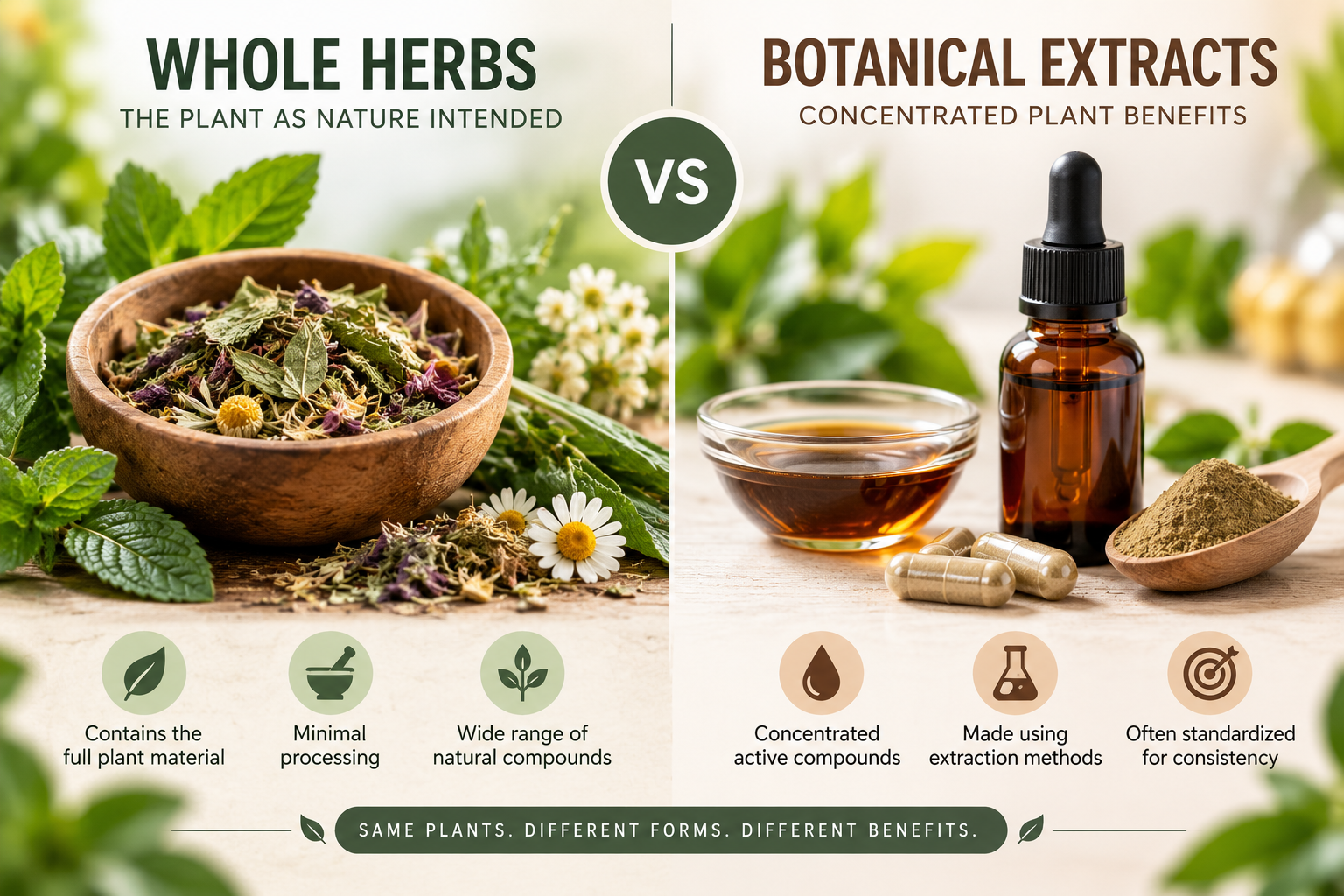
How Botanical Extracts Differ From Whole Herbs
Understanding how extracts differ from whole herbs can make it easier to interpret supplement labels, compare products, and evaluate claims about herbal ingredients.
Read article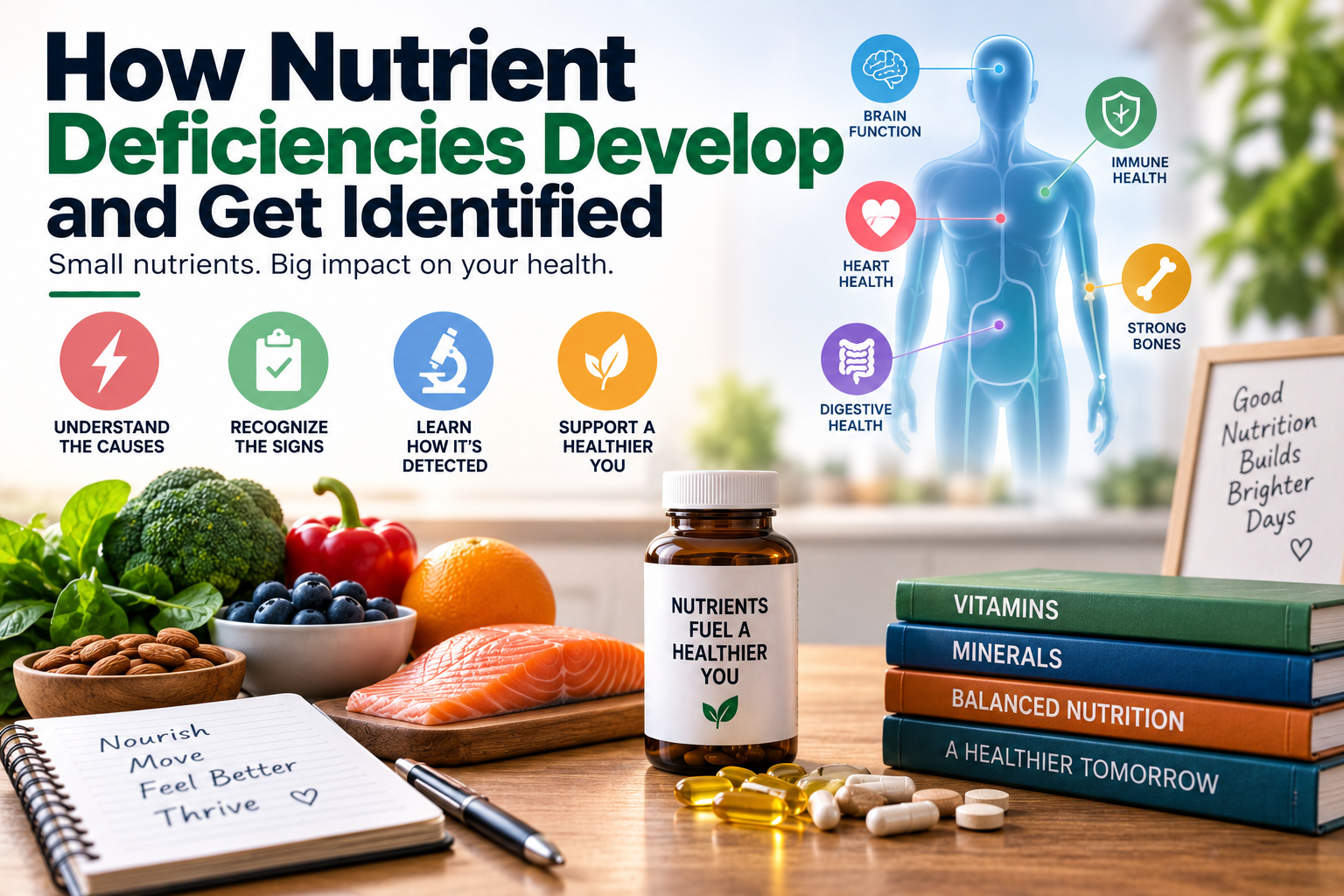
How Nutrient Deficiencies Develop and Get Identified
Understanding how nutrient deficiencies develop—and how healthcare professionals identify them—can make it easier to recognize potential problems before they become more serious.
Read article
What Is the Difference Between Water-Soluble and Fat-Soluble Vitamins
Understanding this basic distinction can make it easier to interpret nutrition information, evaluate supplements, and make informed decisions about dietary intake.
Read article

Join 10,000+ Readers Building Healthier Habits
Get actionable wellness tips every week plus our newest articles delivered straight to your inbox.