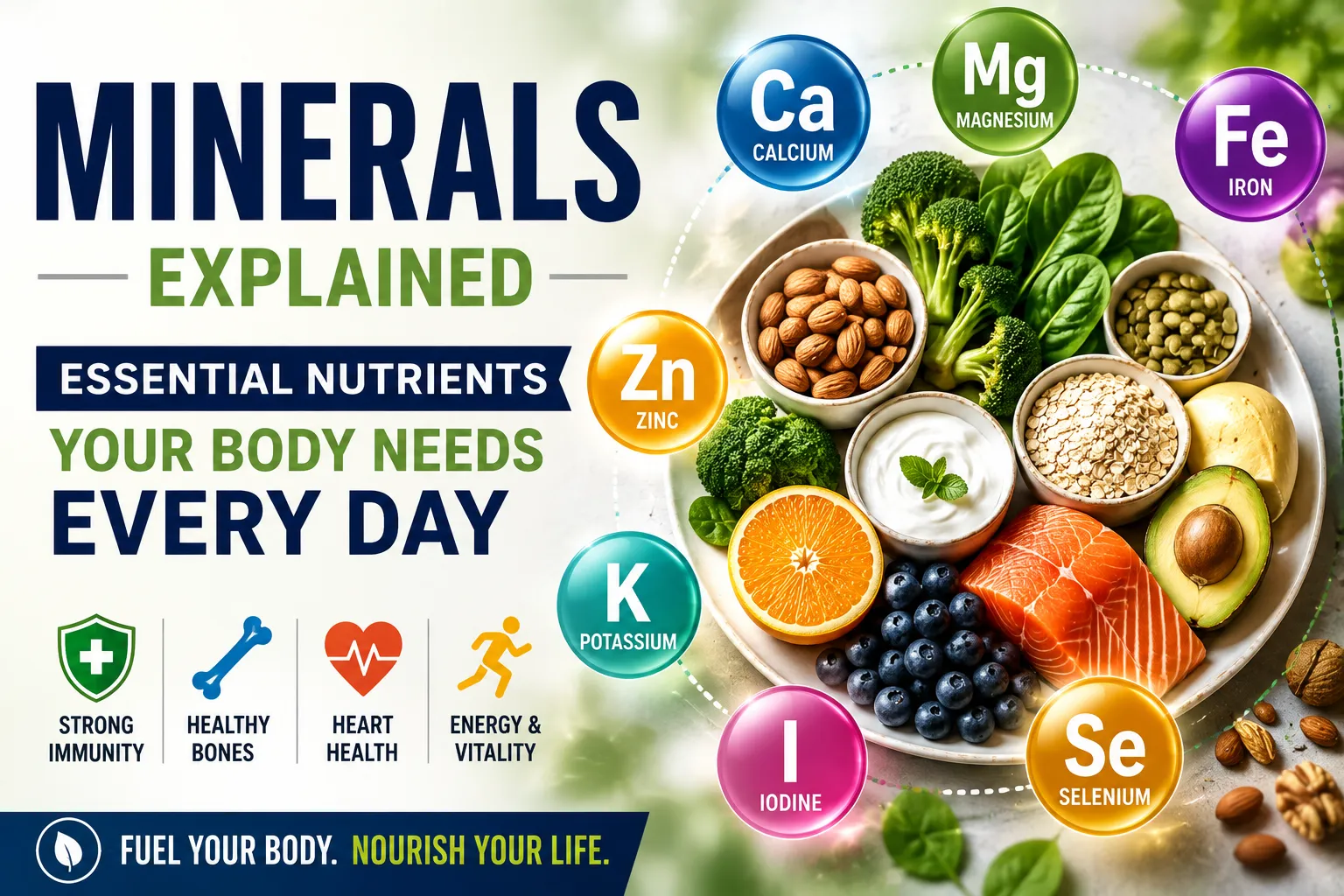

Minerals Explained: Essential Nutrients Your Body Needs Every Day
Minerals are essential nutrients that the human body needs to function properly. Although they are required in relatively small amounts compared to carbohydrates, proteins, and fats, minerals play a critical role in maintaining strong bones, healthy muscles, efficient nerve function, hormone production, immune defense, and countless biochemical processes. Because the body cannot produce minerals on its own, they must be obtained through a balanced diet or, when appropriate, dietary supplements.
Many people meet their mineral needs by eating a varied diet rich in fruits, vegetables, whole grains, dairy products, legumes, nuts, seeds, seafood, and lean proteins. However, certain individuals—including older adults, pregnant women, athletes, or people with specific medical conditions—may require additional attention to their mineral intake.
This complete guide to dietary supplements explains how supplements fit into overall nutrition and provides broader context for deciding when supplementation may be appropriate.
This guide explains what minerals are, why they are important, the different types your body needs, food sources, signs of deficiency, and how supplements fit into a healthy lifestyle.
What Are Minerals?
Minerals are naturally occurring inorganic elements that support the body’s structure and numerous biological functions.
Unlike vitamins, minerals come directly from the earth and are absorbed by plants or consumed through animal-based foods.
They help:
- Build bones and teeth
- Regulate muscle contractions
- Support nerve communication
- Maintain fluid balance
- Produce hormones
- Transport oxygen
- Strengthen the immune system
- Activate enzymes
Without adequate mineral intake, many essential body systems cannot function properly.
Major Minerals vs. Trace Minerals
Minerals are generally divided into two categories.
Major Minerals
These are needed in larger amounts.
They include:
- Calcium
- Magnesium
- Potassium
- Sodium
- Phosphorus
- Chloride
- Sulfur
Trace Minerals
These are required in much smaller amounts but remain essential.
Examples include:
- Iron
- Zinc
- Copper
- Selenium
- Iodine
- Manganese
- Chromium
- Molybdenum
- Fluoride
Even though only tiny amounts are needed, trace minerals perform vital biological functions.
Calcium
Calcium is the body’s most abundant mineral.
It is best known for maintaining:
- Strong bones
- Healthy teeth
- Muscle contractions
- Nerve signaling
- Blood clotting
Good food sources include:
- Milk
- Yogurt
- Cheese
- Leafy green vegetables
- Fortified plant-based beverages
- Tofu
Magnesium
Magnesium participates in hundreds of biochemical reactions.
It supports:
- Muscle function
- Energy production
- Protein synthesis
- Nerve function
- Bone health
- Heart rhythm
Dietary sources include:
- Nuts
- Seeds
- Whole grains
- Spinach
- Beans
- Dark chocolate
Potassium
Potassium helps regulate:
- Fluid balance
- Muscle contractions
- Nerve signals
- Blood pressure
Foods naturally rich in potassium include:
- Bananas
- Potatoes
- Sweet potatoes
- Beans
- Tomatoes
- Oranges
- Yogurt
Iron
Iron is essential for producing hemoglobin, the protein in red blood cells that carries oxygen throughout the body.
Iron-rich foods include:
- Lean red meat
- Poultry
- Seafood
- Lentils
- Beans
- Spinach
- Iron-fortified cereals
Vitamin C-rich foods can improve iron absorption from plant sources.
Zinc
Zinc supports numerous body functions.
These include:
- Immune health
- Wound healing
- DNA synthesis
- Cell growth
- Normal taste and smell
Good dietary sources include:
- Meat
- Seafood
- Dairy products
- Beans
- Pumpkin seeds
- Whole grains
Iodine
Iodine is necessary for the production of thyroid hormones, which regulate metabolism and growth.
Common sources include:
- Iodized salt
- Seafood
- Dairy products
- Eggs
- Seaweed
Selenium
Selenium acts as an antioxidant and supports:
- Immune function
- Thyroid health
- Cell protection
- Reproductive health
Dietary sources include:
- Brazil nuts
- Tuna
- Eggs
- Poultry
- Whole grains
Copper
Copper works alongside iron and supports:
- Red blood cell formation
- Connective tissue
- Energy production
- Nervous system health
Food sources include:
- Shellfish
- Nuts
- Seeds
- Whole grains
- Organ meats
Phosphorus
Phosphorus contributes to:
- Bone strength
- Teeth
- Cell membranes
- Energy production
Foods containing phosphorus include:
- Dairy
- Meat
- Fish
- Poultry
- Nuts
- Whole grains
Why Minerals Matter
Every mineral has unique responsibilities, but together they help maintain:
- Healthy bones
- Muscle performance
- Heart function
- Brain activity
- Hormone balance
- Healthy metabolism
- Immune defense
- Hydration
A balanced intake supports overall health throughout life.
Vitamins work alongside minerals in many biological processes, so understanding the differences between the two nutrient groups is useful. A complete guide to vitamins and their roles provides a broader look at the other major group of essential micronutrients.
Can You Get Enough Minerals Through Food?
For most healthy adults, a balanced and varied diet provides sufficient minerals.
Focus on eating:
- Fruits
- Vegetables
- Whole grains
- Legumes
- Lean proteins
- Dairy or fortified alternatives
- Nuts
- Seeds
Dietary diversity is one of the best ways to support adequate mineral intake.
Who May Need Mineral Supplements?
Some individuals may have increased mineral requirements or difficulty meeting their needs through food alone.
Examples include:
- Pregnant women
- Older adults
- People following restrictive diets
- Individuals with certain digestive disorders
- Athletes with high training demands
- People with diagnosed nutrient deficiencies
Mineral supplements should ideally be used under the guidance of a qualified healthcare professional.
Can You Consume Too Many Minerals?
Yes.
While deficiencies can affect health, excessive intake—particularly from supplements—may also cause problems.
Potential risks include:
- Digestive discomfort
- Mineral imbalances
- Medication interactions
- Organ toxicity (in severe cases)
More is not always better. Following recommended intake levels is important.
The amount of a mineral that reaches the body can also depend on factors beyond the amount listed on a product. Understanding how supplement absorption and bioavailability affect nutrient availability can help explain why different products or dietary sources may not provide identical nutritional outcomes.
Tips for Maintaining Healthy Mineral Levels
Simple strategies include:
- Eat a balanced diet.
- Include a variety of colorful foods.
- Choose whole grains regularly.
- Eat plenty of vegetables.
- Include nuts and seeds.
- Stay hydrated.
- Limit highly processed foods.
- Follow supplement directions carefully if recommended.
Healthy eating patterns are generally more beneficial than relying solely on supplements.
Common Myths About Minerals
| Myth | Reality |
|---|---|
| Only vitamins matter for health. | Minerals are equally essential for many body functions. |
| Everyone needs mineral supplements. | Many people obtain enough minerals through a balanced diet. |
| More minerals always improve health. | Excessive intake can be harmful. |
| All mineral supplements are equally effective. | Absorption and suitability vary depending on the mineral and individual needs. |
| Processed foods never contain minerals. | Some foods are fortified with essential minerals, though whole foods remain important sources. |
Frequently Asked Questions
What are minerals?
Minerals are essential nutrients that support bone health, muscle function, nerve communication, metabolism, immunity, and many other biological processes.
What is the difference between major and trace minerals?
Major minerals are needed in larger amounts, while trace minerals are required in much smaller quantities but remain essential for health.
Can I get enough minerals from food?
Most healthy adults can meet their mineral needs by eating a balanced diet that includes a wide variety of nutrient-rich foods.
Are mineral supplements necessary?
Not for everyone. Some people may benefit from supplements based on age, diet, health conditions, or medical advice.
What happens if I consume too many minerals?
Excessive intake—especially from supplements—can lead to side effects, nutrient imbalances, and, in some cases, serious health problems.
Building a Balanced Approach to Mineral Nutrition
Minerals are among the body’s most important nutrients, supporting everything from strong bones and healthy muscles to nerve function, metabolism, and immune health. Although only small amounts are required, these essential elements play a vital role in maintaining overall well-being throughout every stage of life.
For most people, eating a balanced diet rich in whole foods provides all the minerals the body needs. While supplements may be appropriate for certain individuals with increased requirements or diagnosed deficiencies, they should complement—not replace—a nutritious eating pattern.
Understanding the role of minerals can help you make informed dietary choices that support long-term health, energy, and vitality.
Continue Reading
Similar Posts
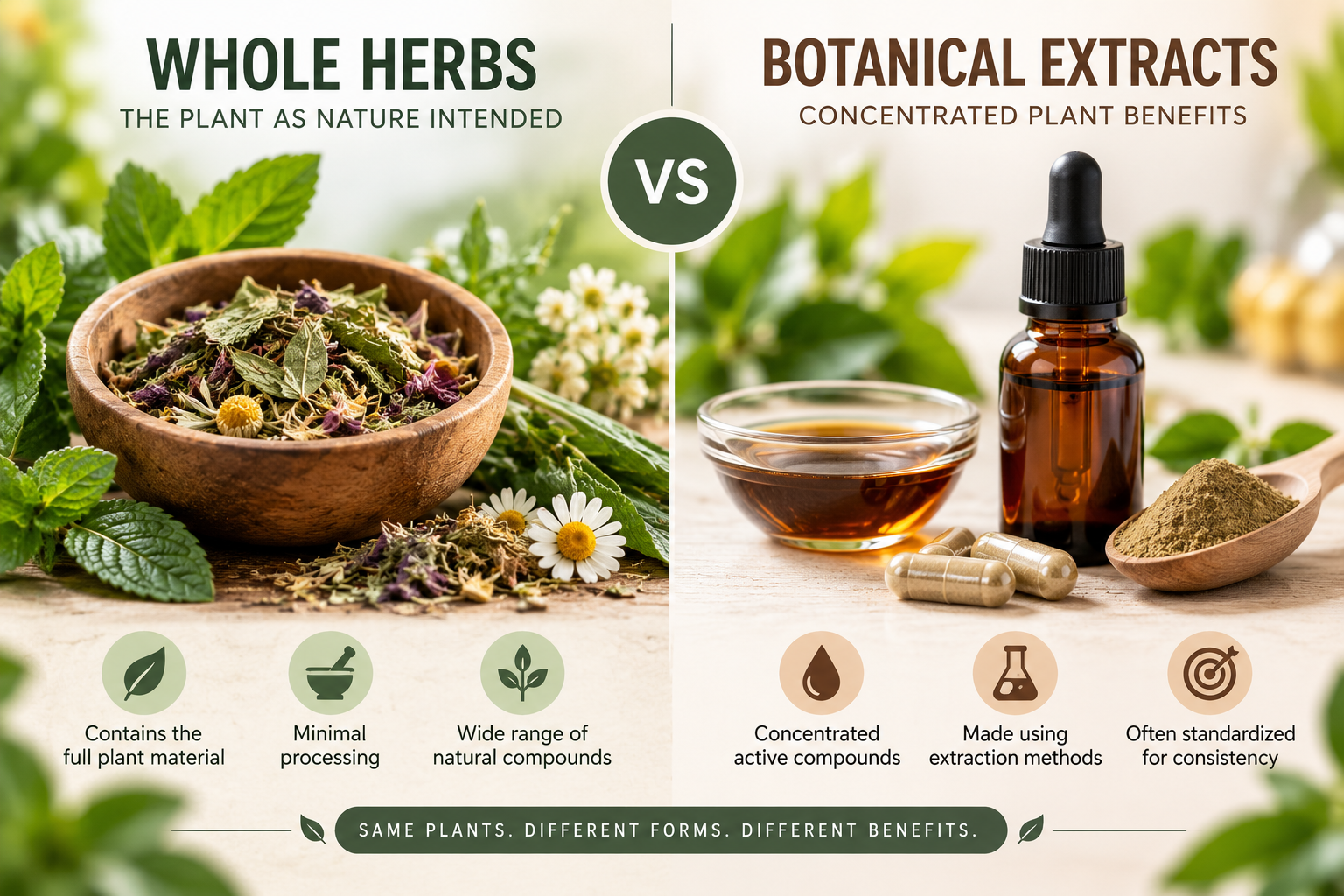
How Botanical Extracts Differ From Whole Herbs
Understanding how extracts differ from whole herbs can make it easier to interpret supplement labels, compare products, and evaluate claims about herbal ingredients.
Read article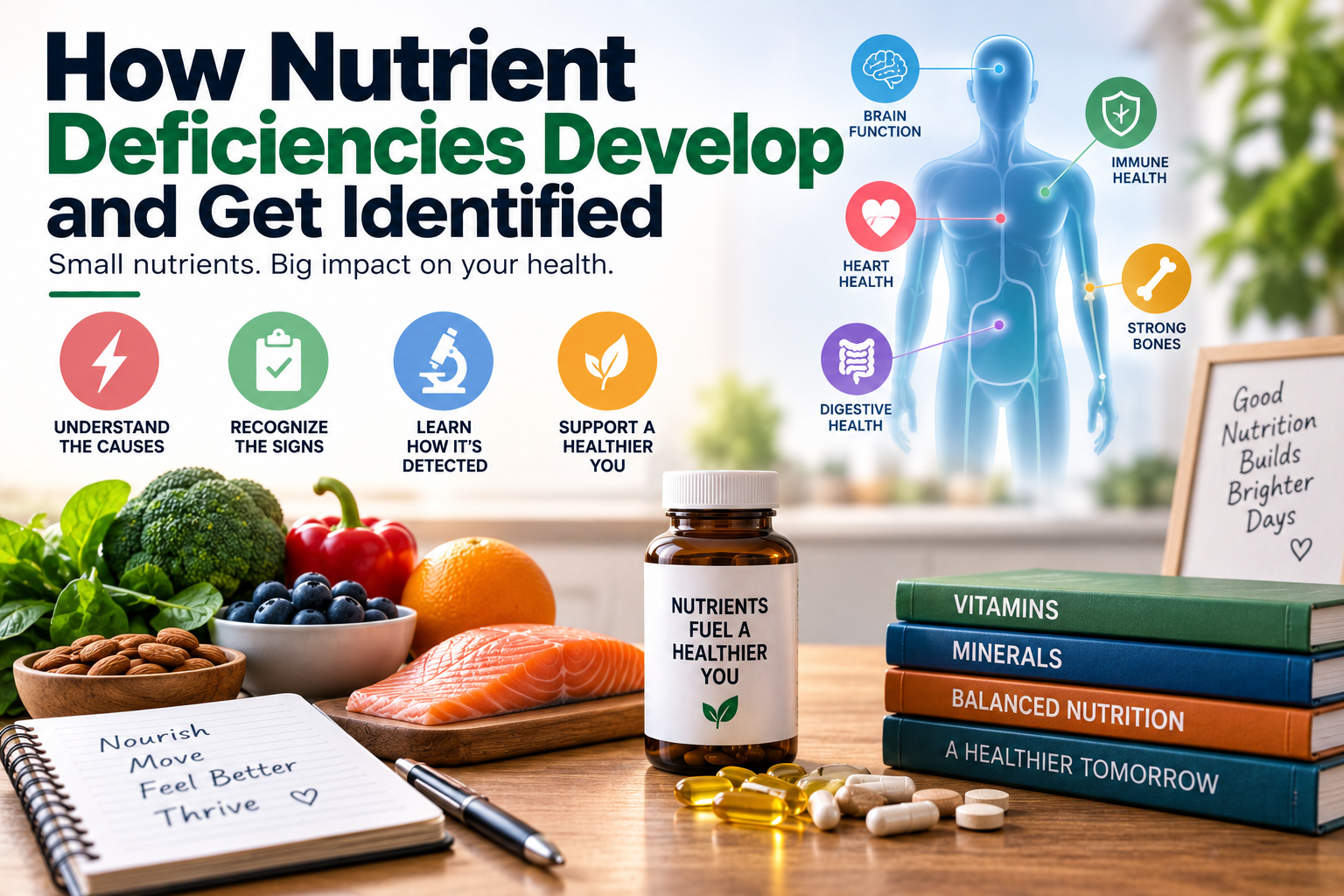
How Nutrient Deficiencies Develop and Get Identified
Understanding how nutrient deficiencies develop—and how healthcare professionals identify them—can make it easier to recognize potential problems before they become more serious.
Read article
What Is the Difference Between Water-Soluble and Fat-Soluble Vitamins
Understanding this basic distinction can make it easier to interpret nutrition information, evaluate supplements, and make informed decisions about dietary intake.
Read article

Join 10,000+ Readers Building Healthier Habits
Get actionable wellness tips every week plus our newest articles delivered straight to your inbox.