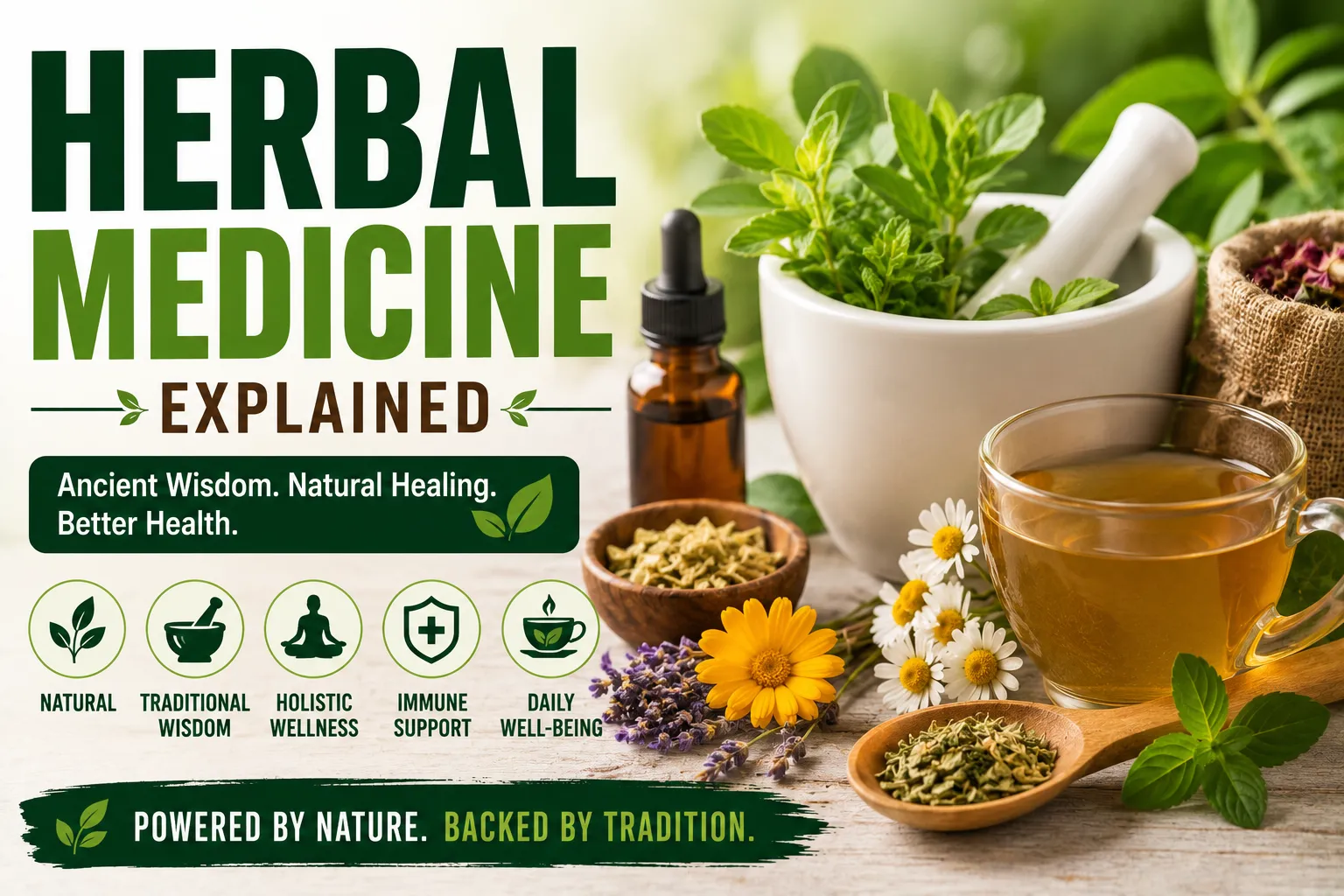

Herbal Medicine Explained
Herbal medicine has been used for thousands of years across cultures to support health and well-being. Long before modern pharmaceuticals were developed, people relied on plants, roots, flowers, leaves, and seeds to address a wide range of health concerns. Today, herbal medicine remains an important part of traditional healthcare systems and continues to attract interest as people seek complementary approaches to wellness.
While many herbs have a long history of traditional use and some have been studied in scientific research, herbal products are not a substitute for evidence-based medical care. Understanding both their potential benefits and limitations can help consumers make informed decisions and use herbal remedies responsibly. For a broader look at how traditional and modern evidence can be evaluated, see this complete guide to natural remedies evidence.
This guide explains what herbal medicine is, how it works, common herbs, potential benefits, safety considerations, and best practices for incorporating herbal products into a healthy lifestyle.
What Is Herbal Medicine?
Herbal medicine, also known as botanical medicine or phytotherapy, involves using plants or plant extracts to support health and manage certain symptoms or conditions.
Herbal preparations may come from various parts of a plant, including:
-
Leaves
-
Roots
-
Flowers
-
Bark
-
Seeds
-
Fruits
-
Stems
They are available in many forms, such as teas, capsules, tablets, powders, tinctures, oils, creams, and extracts. Herbal teas are one of the most familiar preparations, and people interested in this form can learn more about herbal teas and infusions.
A Brief History of Herbal Medicine
Herbal medicine has played a role in healthcare throughout human history.
Traditional systems that incorporate herbal remedies include:
-
Traditional Chinese Medicine (TCM)
-
Ayurveda
-
Indigenous healing practices
-
Traditional African medicine
-
European herbal medicine
Many modern medicines have also been developed from compounds originally discovered in plants.
Why People Use Herbal Medicine
People choose herbal products for many different reasons.
Common motivations include:
-
Supporting overall wellness
-
Complementing healthy lifestyle habits
-
Managing minor everyday symptoms
-
Seeking plant-based options
-
Cultural or traditional practices
-
Interest in natural health approaches
Herbal medicine is often used alongside conventional healthcare rather than as a replacement.
How Herbal Medicine Works
Plants contain naturally occurring compounds known as phytochemicals.
These compounds may include:
-
Flavonoids
-
Polyphenols
-
Alkaloids
-
Terpenes
-
Tannins
-
Essential oils
Researchers continue studying how these substances interact with the body, although the scientific evidence varies considerably among different herbs.
Common Herbal Medicines
Chamomile
Chamomile is traditionally used as an herbal tea and is commonly associated with relaxation and digestive comfort.
Ginger
Ginger has long been used in cooking and traditional medicine and has been studied for its role in relieving nausea and supporting digestion.
Peppermint
Peppermint is widely used to promote digestive comfort and is available in teas, capsules, and essential oil preparations.
Turmeric
Turmeric contains curcumin, a naturally occurring compound that has been the subject of extensive scientific research due to its biological activity.
Echinacea
Echinacea has traditionally been used to support immune health, although research findings remain mixed.
Garlic
Garlic is both a culinary ingredient and a traditional herbal remedy that has been studied for its potential effects on cardiovascular health.
Ginseng
Various forms of ginseng have been used in traditional medicine to support energy, stamina, and overall vitality.
Aloe Vera
Aloe vera gel is commonly applied topically to soothe minor skin irritation and support skin hydration. For a closer look at the evidence surrounding this particular plant, see what research says about aloe vera.
Potential Benefits of Herbal Medicine
Depending on the specific herb and the available scientific evidence, herbal products may support:
-
Digestive health
-
Relaxation
-
General wellness
-
Skin health
-
Healthy lifestyle habits
-
Nutritional support
The strength of evidence varies widely between herbs, and not every traditional use has been confirmed through clinical research.
Herbal Medicine and Scientific Research
Modern researchers continue investigating herbal medicines to better understand their safety, effectiveness, and mechanisms of action.
Some herbs have been studied extensively, while others require additional high-quality research before clear conclusions can be drawn.
Consumers should distinguish between:
-
Traditional use
-
Preliminary research
-
Well-established clinical evidence
Scientific understanding continues to evolve over time.
Forms of Herbal Products
Herbal remedies are available in several formats.
Common options include:
-
Herbal teas
-
Capsules
-
Tablets
-
Liquid extracts
-
Tinctures
-
Powders
-
Essential oils
-
Creams
-
Ointments
-
Topical gels
The most appropriate form depends on the herb, intended use, and product instructions. Because essential oils are highly concentrated preparations with distinct safety considerations, readers can learn more in this essential oils guide.
Safety Considerations
Natural does not automatically mean safe.
Herbal products can:
-
Cause allergic reactions
-
Interact with prescription medications
-
Produce side effects
-
Vary in strength and quality
-
Affect certain medical conditions
Individuals who are pregnant, breastfeeding, have chronic illnesses, or take prescription medications should consult a qualified healthcare professional before using herbal supplements.
For a broader discussion of potential risks, interactions, product quality, and responsible use, see this natural remedies safety guide.
Choosing Quality Herbal Products
Product quality can vary significantly between manufacturers.
When selecting herbal supplements, consider:
-
Reputable manufacturers
-
Clear ingredient labels
-
Appropriate dosage information
-
Third-party quality testing
-
Expiration dates
-
Proper storage recommendations
Reading labels carefully can help consumers make informed purchasing decisions.
Herbal Medicine vs. Conventional Medicine
Herbal medicine and conventional medicine are not necessarily opposing approaches.
Conventional medicine typically relies on treatments supported by rigorous clinical research, while herbal medicine often combines traditional knowledge with varying levels of scientific evidence.
Many healthcare professionals encourage open communication about herbal product use to help ensure safe, coordinated care.
For a broader comparison of these approaches, see natural remedies vs. conventional medicine.
Common Misconceptions
Myth: Natural Products Have No Side Effects
Many herbs contain biologically active compounds that can produce side effects or interact with medications.
Myth: More Is Better
Taking larger amounts of herbal products does not necessarily improve results and may increase the risk of adverse effects.
Myth: Herbal Medicine Can Replace Medical Care
Herbal products should not replace professional medical evaluation or treatment for serious health conditions.
Myth: Every Herbal Product Is Scientifically Proven
Research quality varies widely among herbs, and some traditional uses have limited scientific evidence.
Herbal Medicine and Healthy Living
Herbal products are most beneficial when used as part of an overall healthy lifestyle.
Good health habits include:
-
Eating a balanced diet
-
Staying physically active
-
Getting adequate sleep
-
Managing stress
-
Staying hydrated
-
Following medical advice
-
Attending routine health checkups
Herbal medicine should be viewed as one component of a broader wellness strategy rather than a standalone solution.
Emerging Trends
Interest in herbal medicine continues to grow worldwide.
Current developments include:
-
Increased scientific research
-
Standardized herbal extracts
-
Improved quality control
-
Sustainable plant sourcing
-
Personalized wellness approaches
-
Greater collaboration between traditional and modern medicine
Researchers continue exploring both the opportunities and limitations of herbal therapies.
Tips for Using Herbal Medicine Responsibly
To use herbal products safely:
-
Learn about the specific herb before use.
-
Purchase products from reputable manufacturers.
-
Follow label directions carefully.
-
Avoid exceeding recommended dosages.
-
Inform your healthcare provider about any supplements you take.
-
Be aware of possible interactions with medications.
-
Stop use if unusual symptoms occur and seek medical advice.
-
Store products according to manufacturer recommendations.
-
Keep herbal products out of the reach of children.
-
Treat herbal medicine as a complement—not a replacement—for professional healthcare.
Using Herbal Medicine With Informed Care
Herbal medicine has a rich history that spans thousands of years and continues to play an important role in wellness practices around the world. While many herbs have traditional uses and some are supported by scientific research, their effectiveness and safety can vary depending on the specific plant, preparation, dosage, and individual health circumstances.
Using herbal medicine responsibly involves understanding the available evidence, choosing high-quality products, and consulting qualified healthcare professionals when appropriate. Combined with healthy lifestyle habits and evidence-based medical care, herbal medicine may serve as a valuable complement to overall health and well-being.
Continue Reading
Similar Posts
How Traditional African Herbal Medicine Works
Understanding how these remedies work requires looking at both traditional knowledge and modern scientific research. Some medicinal plants contain compounds with biological effects that researchers can study, while evidence for other traditional uses remains limited or uncertain.
Read article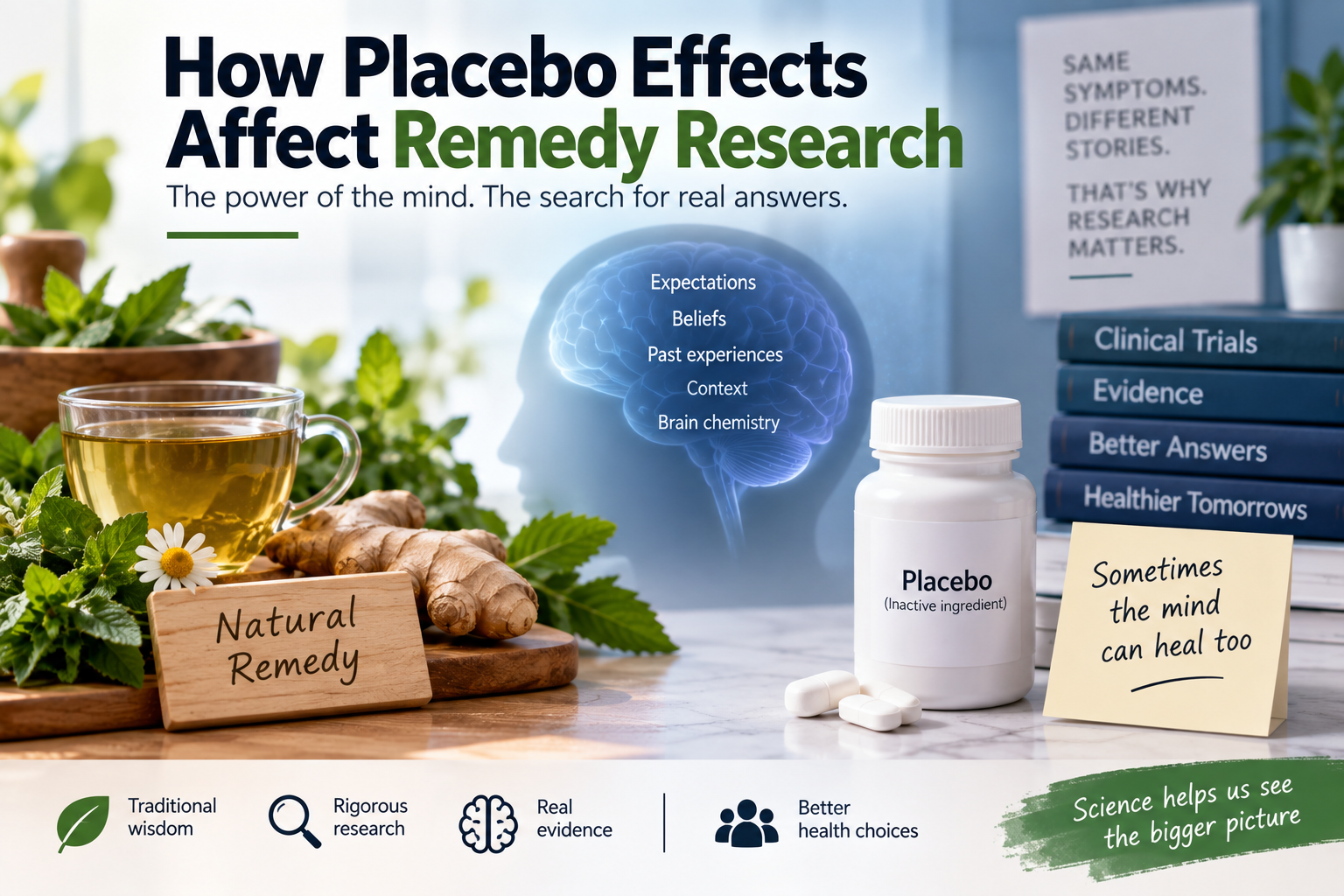
How Placebo Effects Affect Remedy Research
For natural remedies, this distinction can be particularly important. Many remedies have long histories of traditional use, and people may have strong expectations about their effectiveness. Carefully designed research is therefore needed to determine whether improvements are caused by the remedy, the context surrounding its use, natural changes in symptoms or some combination of factors
Read article
Are Natural Remedies Safe During Pregnancy
The safest approach is not to assume that a remedy is harmless simply because it is natural. Instead, its ingredients, dose, purpose, evidence, and potential risks should all be considered.
Read article

Join 10,000+ Readers Building Healthier Habits
Get actionable wellness tips every week plus our newest articles delivered straight to your inbox.