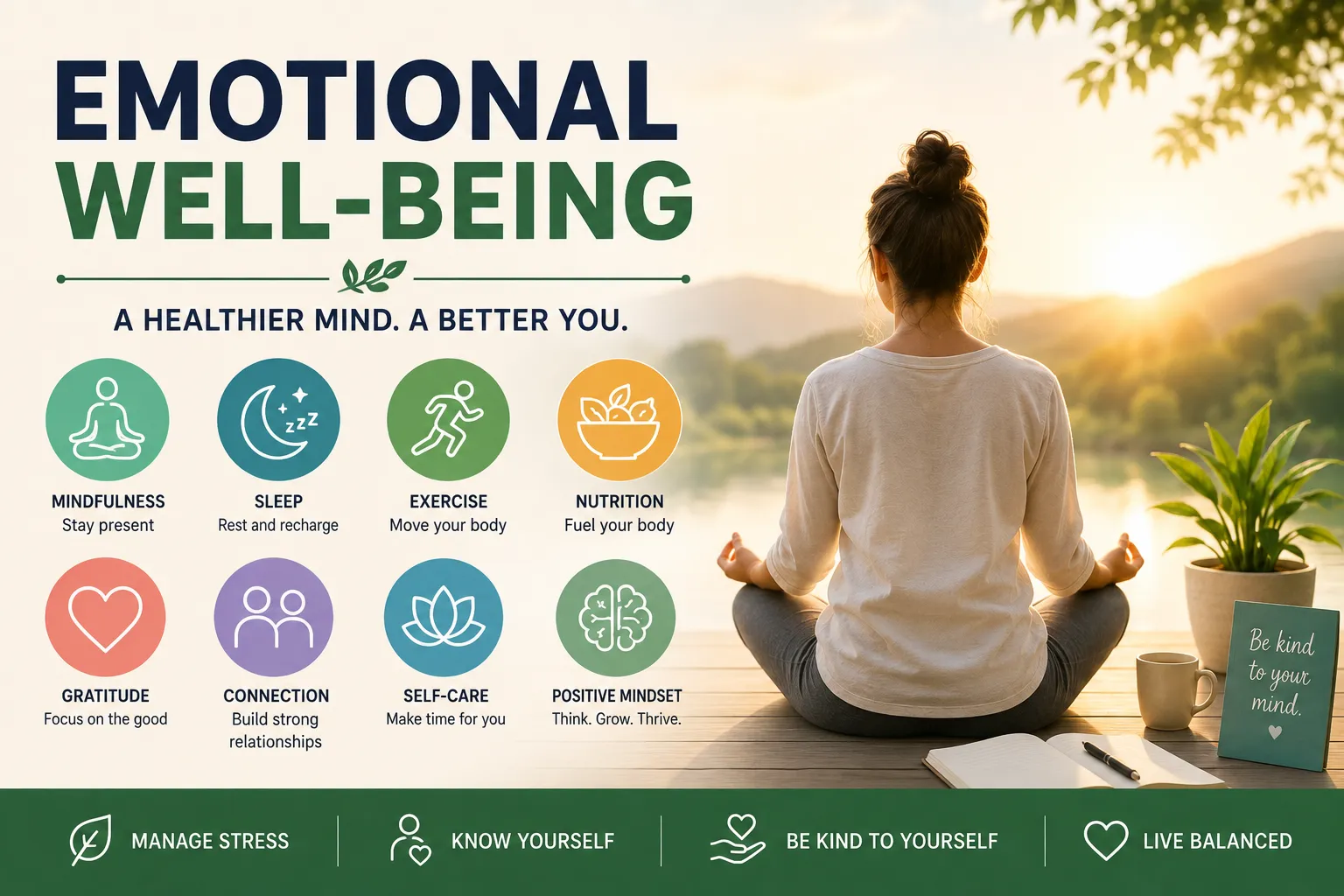

The Complete Guide to Emotional Well-Being and a Healthier Mind
In today’s fast-paced, always-connected world, taking care of mental health has become just as important as maintaining physical health. Emotional well-being influences how we think, feel, respond to challenges, build relationships, and make decisions. While everyone experiences stress, disappointment, and uncertainty from time to time, developing healthy emotional habits can improve resilience, happiness, and overall quality of life.
Mental wellness is not simply the absence of mental illness. Instead, it is the ongoing ability to manage emotions, cope with life’s challenges, maintain meaningful relationships, and find purpose in everyday experiences. Like physical fitness, emotional well-being requires regular care and attention.
For a broader introduction to the subject, what mental wellness means provides a useful foundation for understanding how mental health fits into everyday life.
This comprehensive guide explores the foundations of emotional wellness, practical strategies for improving mental health, common challenges people face, and healthy habits that support a more balanced and fulfilling life.
What Is Emotional Well-Being?
Emotional well-being refers to the ability to understand, manage, and express emotions in healthy ways while maintaining positive relationships and adapting to life’s ups and downs.
People with strong emotional well-being are generally better able to:
- Handle stress
- Adapt to change
- Build healthy relationships
- Make thoughtful decisions
- Recover from setbacks
- Maintain optimism
- Practice self-awareness
Emotional wellness exists on a spectrum and can change throughout different stages of life.
Understanding emotional well-being also means recognizing that mental health challenges can take different forms. For example, depression and its symptoms can affect mood, motivation, relationships, and everyday functioning.
Why Mental Wellness Matters
Mental health affects nearly every aspect of daily living.
Good emotional well-being supports:
- Better physical health
- Stronger relationships
- Higher productivity
- Improved concentration
- Better sleep
- Greater resilience
- Increased life satisfaction
- Healthier decision-making
When mental wellness is neglected, even routine responsibilities can become more difficult to manage.
Mental wellness is also influenced by the ways people respond to difficult circumstances. Learning practical healthy coping skills can provide useful strategies for navigating stress, disappointment, uncertainty, and other everyday challenges.
Understanding Your Emotions
Emotions provide valuable information about our experiences.
Common emotions include:
- Happiness
- Sadness
- Anger
- Fear
- Anxiety
- Excitement
- Frustration
- Gratitude
Rather than trying to suppress emotions, emotional wellness involves recognizing them, understanding their causes, and responding constructively.
This ability is closely related to emotional regulation in everyday life, which involves learning how to respond to emotions without allowing them to automatically determine behavior.
The Mind-Body Connection
Mental and physical health are closely connected.
Healthy lifestyle habits can positively influence emotional well-being through:
- Regular exercise
- Nutritious eating
- Quality sleep
- Hydration
- Stress management
- Social connection
Likewise, prolonged emotional stress can affect physical health, including sleep quality, energy levels, and overall well-being.
The Importance of Self-Awareness
Self-awareness is the foundation of emotional intelligence.
It involves recognizing:
- Personal strengths
- Emotional triggers
- Thought patterns
- Values
- Habits
- Behavioral responses
Developing self-awareness helps people make healthier choices and respond more thoughtfully during difficult situations.
Building these abilities can also involve developing emotional intelligence, which encompasses skills related to recognizing, understanding, and responding to emotions in ourselves and others.
Managing Stress Effectively
Stress is a normal part of life, but chronic stress can negatively affect both mental and physical health.
Healthy ways to manage stress include:
- Deep breathing
- Physical activity
- Time management
- Journaling
- Mindfulness
- Spending time outdoors
- Talking with trusted friends
- Taking regular breaks
Managing stress does not mean eliminating it—it means responding in healthier ways.
For a more detailed look at practical approaches, the complete guide to stress management explores strategies for handling everyday stress. It is also important to recognize what can happen when stress becomes prolonged, as chronic stress can affect both the body and mind.
Building Emotional Resilience
Resilience is the ability to recover from setbacks and adapt to change.
Ways to strengthen resilience include:
- Accepting challenges as part of life
- Maintaining supportive relationships
- Practicing gratitude
- Setting realistic goals
- Learning from mistakes
- Developing problem-solving skills
Resilience grows over time through experience and healthy coping strategies.
A deeper understanding of how resilience can be built can help turn these general principles into practical habits.
The Role of Healthy Relationships
Strong relationships contribute significantly to emotional well-being.
Healthy relationships are built on:
- Trust
- Respect
- Communication
- Empathy
- Boundaries
- Support
Meaningful social connections can reduce feelings of loneliness and provide valuable emotional support during difficult times.
Understanding healthy relationships, communication, boundaries, and trust can help people strengthen the social connections that support emotional health. At the same time, healthy boundaries and better personal limits can protect emotional well-being within relationships.
Why Sleep Matters for Mental Health
Sleep plays a critical role in emotional regulation.
Quality sleep helps improve:
- Mood
- Memory
- Concentration
- Stress tolerance
- Decision-making
Adults generally benefit from maintaining consistent sleep schedules and creating healthy bedtime routines.
Sleep is one part of a broader collection of positive habits that support mental wellness, particularly when those habits are practiced consistently rather than treated as occasional fixes.
Exercise and Emotional Wellness
Regular physical activity supports mental health by promoting the release of natural mood-enhancing chemicals.
Exercise may help:
- Reduce stress
- Improve mood
- Increase energy
- Enhance confidence
- Support better sleep
- Improve cognitive function
Even moderate daily movement can provide meaningful mental health benefits.
Nutrition and Mental Well-Being
A balanced diet supports overall brain health.
Nutritious eating habits include:
- Fruits and vegetables
- Whole grains
- Lean proteins
- Healthy fats
- Adequate hydration
While no single food guarantees emotional wellness, consistent healthy eating supports overall physical and mental health.
Practicing Mindfulness
Mindfulness encourages paying attention to the present moment without judgment.
Common mindfulness practices include:
- Meditation
- Breathing exercises
- Body scans
- Mindful walking
- Gratitude reflection
Many people find mindfulness helpful for managing stress and improving emotional awareness.
Those interested in developing this practice further can explore the complete guide to mindfulness and present-moment awareness.
Digital Wellness
Technology brings many benefits but can also contribute to stress, distraction, and information overload.
Healthy digital habits include:
- Limiting excessive screen time
- Taking breaks from social media
- Turning off unnecessary notifications
- Avoiding devices before bedtime
- Spending time offline
Creating healthy boundaries with technology supports mental balance.
Understanding how digital habits and screen time affect mental wellness can help people identify patterns that may be affecting their attention, sleep, stress levels, or relationships.
The Value of Gratitude
Practicing gratitude can encourage a more positive outlook.
Simple gratitude habits include:
- Keeping a gratitude journal
- Reflecting on positive experiences
- Thanking others
- Celebrating small achievements
Gratitude does not eliminate challenges but can help shift attention toward positive aspects of life.
This principle also connects with positive psychology and everyday mental well-being, which examines ways positive experiences and psychological strengths can contribute to overall well-being.
Recognizing When You Need Support
Everyone experiences difficult periods.
Signs that additional support may be helpful include:
- Persistent sadness
- Constant worry
- Difficulty concentrating
- Changes in sleep
- Loss of interest in activities
- Feeling overwhelmed
- Withdrawing from others
Seeking support is a sign of strength, not weakness.
Some experiences can be especially difficult to navigate. For example, grief and its effects on emotional well-being and everyday life can influence emotions, routines, relationships, and the ability to concentrate.
Major changes can also affect mental health, making it useful to understand how major life transitions affect mental well-being.
Supporting Someone Else
You can support friends or family members by:
- Listening without judgment
- Showing empathy
- Encouraging healthy habits
- Respecting boundaries
- Helping them access professional support if needed
Kindness and understanding can make a meaningful difference.
Social connection matters in both directions. Learning more about loneliness and social connection can help explain why supportive relationships are an important part of emotional wellness.
Daily Habits for Better Mental Wellness
Simple daily practices include:
- Getting enough sleep
- Exercising regularly
- Eating nutritious meals
- Staying hydrated
- Spending time outdoors
- Connecting with loved ones
- Practicing mindfulness
- Limiting unnecessary stress
- Setting realistic goals
- Taking breaks when needed
Small habits practiced consistently often have lasting benefits.
Self-care can be another useful part of this process. An evidence-based approach to self-care focuses on practical behaviors that support overall well-being rather than treating self-care as a one-size-fits-all solution.
Common Myths About Mental Wellness
| Myth | Reality |
|---|---|
| Mental wellness means always feeling happy. | Emotional well-being includes experiencing a full range of emotions in healthy ways. |
| Asking for help is a sign of weakness. | Seeking support is a healthy and responsible step. |
| Stress should simply be ignored. | Healthy stress management improves overall well-being. |
| Mental health only matters during difficult times. | Emotional wellness benefits from regular care, just like physical health. |
| Self-care is selfish. | Looking after your well-being helps you care for others more effectively. |
Frequently Asked Questions
What is emotional well-being?
Emotional well-being is the ability to understand, manage, and express emotions while maintaining healthy relationships and adapting to life’s challenges.
How can I improve my mental wellness?
Healthy habits such as regular exercise, quality sleep, balanced nutrition, stress management, mindfulness, and social connection can support emotional well-being.
Does exercise help mental health?
Yes. Regular physical activity is associated with improved mood, reduced stress, better sleep, and increased overall well-being.
Why is self-care important?
Self-care helps maintain physical, emotional, and mental health by allowing individuals to recharge and better manage daily challenges.
When should someone seek professional help?
If emotional difficulties become persistent, interfere with daily life, or feel overwhelming, consulting a qualified mental health professional can provide valuable support.
Building a Healthier Foundation for Emotional Well-Being
Emotional well-being is an essential part of living a healthy, balanced, and meaningful life. While everyone experiences stress, setbacks, and emotional challenges, developing healthy habits can strengthen resilience and improve overall quality of life.
By practicing self-awareness, maintaining healthy relationships, prioritizing sleep, exercising regularly, managing stress, and creating healthy digital habits, individuals can build a stronger foundation for lifelong mental wellness. Although no one feels positive all the time, investing in emotional health helps people navigate life’s challenges with greater confidence, adaptability, and hope.
Taking care of your mind is not a one-time goal—it is an ongoing journey that deserves the same attention and care as physical health.
Continue Reading
Similar Posts

How to Provide Emotional Support to Others
Good emotional support is also about respecting boundaries. People need different kinds of help at different times. Some may want to talk, while others may need practical assistance, quiet companionship, or simply reassurance that someone cares.
Read article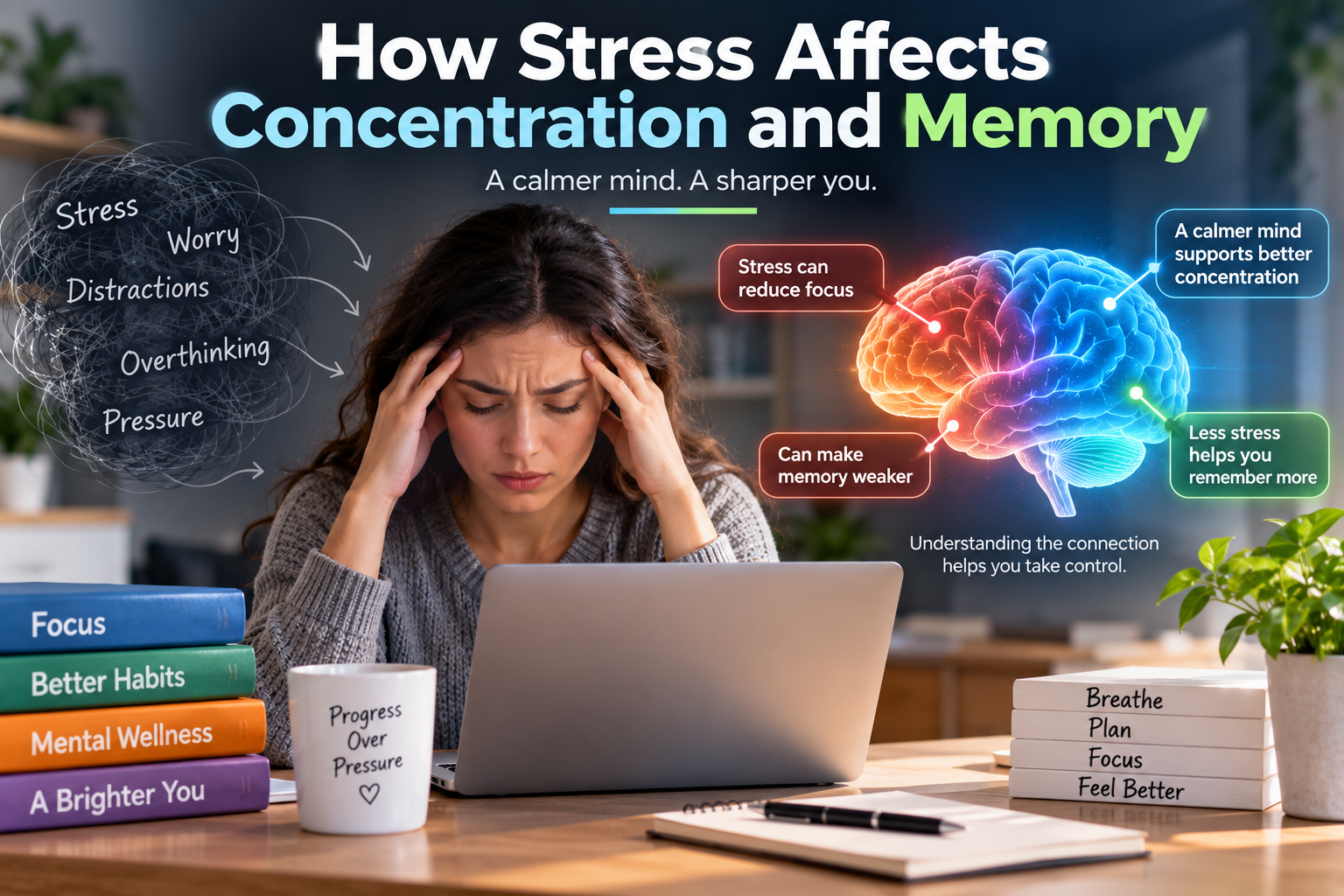
How Stress Affects Concentration and Memory
Understanding the connection between stress, concentration and memory can help explain why the mind sometimes feels less efficient during stressful periods—and why managing stress can be an important part of maintaining overall mental well-being.
Read article
When Should Someone Seek Professional Mental Health Support
Understanding **what mental wellness means** is a useful starting point. Mental wellness involves more than simply being happy or avoiding mental illness. It includes the ability to manage emotions, handle challenges, maintain relationships, make decisions, and function in everyday life.
Read article

Join 10,000+ Readers Building Healthier Habits
Get actionable wellness tips every week plus our newest articles delivered straight to your inbox.