

Healthy Relationships Guide: Communication, Boundaries and Trust
Healthy relationships can have a powerful influence on emotional well-being. Whether the relationship is between romantic partners, friends, family members, colleagues or other people who share an important connection, healthy communication, clear boundaries and mutual trust can create a stronger foundation for dealing with everyday challenges.
No relationship is perfect. Disagreements, misunderstandings and periods of stress are normal. What matters is how people respond to those challenges and whether both individuals feel respected, heard and safe.
Building a healthy relationship is not about avoiding every conflict. It is about developing habits that make it possible to communicate honestly, respect differences and repair problems when they occur.
These relationship skills are an important part of The Complete Guide to Emotional Well-Being, because social connection, emotional safety and personal boundaries all contribute to broader mental wellness.
What Is a Healthy Relationship?
A healthy relationship is generally one in which people can interact with respect, trust, honesty and consideration while maintaining their individual identities.
Healthy relationships can look different depending on the people involved. A romantic partnership will not necessarily have the same expectations as a friendship or family relationship.
However, many healthy relationships share several characteristics:
- Mutual respect
- Honest communication
- Trust
- Appropriate boundaries
- Emotional support
- Shared responsibility
- Freedom to maintain individual interests
- Willingness to address disagreements
- Respect for privacy
- A sense of emotional and physical safety
A healthy relationship should allow people to feel connected without requiring them to give up their autonomy.
Why Healthy Relationships Matter for Mental Wellness
Relationships can provide companionship, encouragement and emotional support.
Having people you can talk to during difficult periods can make challenges feel less isolating. Positive relationships can also provide opportunities to celebrate achievements, share experiences and develop a sense of belonging.
On the other hand, relationships characterized by persistent conflict, manipulation, disrespect or fear can become a significant source of emotional strain.
This is why relationship health is an important part of broader mental wellness.
A healthy relationship does not guarantee that someone will never experience stress, sadness or anxiety. Instead, supportive relationships can become one part of a person’s wider network of emotional and social resources.
The Three Foundations of Healthy Relationships
Although every relationship is different, three areas deserve particular attention:
- Communication
- Boundaries
- Trust
These areas are closely connected.
Good communication makes it easier to establish boundaries. Respecting boundaries can strengthen trust. Trust, in turn, can make honest communication easier.
Communication in Healthy Relationships
Communication is more than simply talking.
It involves expressing thoughts and feelings, listening to another person’s perspective, asking questions, clarifying misunderstandings and responding respectfully.
Healthy communication allows people to discuss both positive experiences and difficult subjects.
Listen to Understand
One of the most useful communication skills is listening without immediately preparing a response.
Active listening can involve:
- Giving the other person your attention
- Avoiding unnecessary interruptions
- Asking clarifying questions
- Acknowledging what they have said
- Trying to understand their perspective
- Reflecting before responding
Listening does not necessarily mean agreeing.
You can understand someone’s feelings or point of view while still having a different opinion.
Express Feelings Clearly
People sometimes expect others to automatically understand what they need.
That can create unnecessary misunderstandings.
Instead of relying on hints or assumptions, try expressing concerns directly.
For example:
“I felt overlooked when the decision was made without asking me.”
This is generally more useful than:
“You never care what I think.”
The first statement describes a specific experience and feeling. The second makes a broad judgment about the other person.
Use “I” Statements
“I” statements can help people communicate concerns without immediately placing blame.
A simple structure is:
I feel + situation + impact or need.
For example:
“I feel stressed when plans change at the last minute. I’d appreciate more notice when possible.”
This approach does not eliminate conflict, but it can make difficult conversations less confrontational.
Avoid Mind Reading
People cannot always know what someone else is thinking.
Assuming another person’s intentions can turn a small misunderstanding into a larger argument.
Instead of:
“You ignored me because you don’t care.”
Consider asking:
“I noticed you didn’t respond earlier. Was something happening?”
The second approach leaves room for information you may not have known.
Choose the Right Time for Difficult Conversations
Even a reasonable conversation can go badly if both people are exhausted, extremely angry or distracted.
When possible, choose a time when both people can focus.
You might say:
“There’s something I’d like to discuss. Is now a good time, or would later work better?”
This simple question can make difficult conversations more manageable.
Communication During Conflict
Disagreements are normal.
Healthy conflict does not require both people to have the same opinion. Instead, the goal is to address the issue without attacking the other person’s dignity.
During disagreements, try to:
- Focus on the specific problem
- Avoid insults
- Avoid threats
- Listen to the other person’s perspective
- Take a break if emotions become overwhelming
- Avoid bringing unrelated past arguments into every disagreement
- Look for practical solutions
- Accept that some differences may remain
The objective should be solving or understanding the problem, not winning at any cost.
Taking a Break During an Argument
Sometimes a conversation becomes too emotionally intense to continue productively.
Taking a break can be healthy when it is communicated clearly.
For example:
“I’m too upset to have this conversation properly right now. I’d like to take some time and come back to it later.”
The important distinction is between taking a genuine cooling-off period and deliberately using silence to punish or control someone.
If you take a break, it can help to agree on when you will revisit the issue.
What Are Relationship Boundaries?
Boundaries are limits that communicate what a person is comfortable with and what they are not comfortable with.
Boundaries can involve:
- Physical space
- Personal time
- Privacy
- Communication
- Money
- Emotional availability
- Social activities
- Digital communication
- Personal belongings
- Work-life separation
Boundaries are not necessarily demands that control another person.
They are often a way of communicating your own needs and limits.
Examples of Healthy Boundaries
A person might say:
“I don’t want to discuss personal matters at work.”
Or:
“I need some quiet time after work before talking about difficult subjects.”
Or:
“Please ask before borrowing my belongings.”
Or:
“I’m not comfortable sharing my private messages.”
These statements communicate expectations without requiring another person to surrender their independence.
Why Boundaries Matter
Without clear boundaries, people can become resentful, overwhelmed or emotionally exhausted.
Someone may repeatedly agree to things they do not actually want because they are afraid of disappointing another person.
Over time, this can create frustration.
Healthy boundaries allow people to maintain relationships while also recognizing their own needs. For a deeper look at identifying, communicating and maintaining personal limits, see the Healthy Boundaries: Complete Guide to Setting Better Limits.
How to Set Boundaries
Setting a boundary does not have to involve a dramatic confrontation.
A simple approach is:
1. Identify the Problem
What behavior or situation is making you uncomfortable?
2. Decide What You Need
Determine what would make the situation healthier.
3. Communicate Clearly
Explain the boundary without unnecessary hostility.
4. Be Consistent
A boundary is easier for others to understand when you apply it consistently.
5. Accept That Others May Have Their Own Boundaries
Healthy relationships involve mutual respect rather than one-sided rules.
Boundaries Are Not Punishment
A boundary should not be used as a tool for controlling another person.
For example:
“You are not allowed to have friends.”
is a controlling demand.
By contrast:
“I am not comfortable participating in conversations where my friends are insulted.”
communicates a personal limit.
Understanding this difference is important.
Healthy boundaries protect well-being without unnecessarily restricting another person’s autonomy.
Digital Boundaries Matter Too
Technology has changed how people communicate.
Messages, social media, video calls and location-sharing can create new expectations within relationships.
Digital boundaries might involve:
- How quickly someone is expected to respond
- Whether partners share passwords
- Whether location information is shared
- What can be posted publicly
- Whether private conversations can be forwarded
- When phones should be put away
- How social media interactions are handled
Being in a relationship does not automatically eliminate someone’s right to digital privacy.
These limits can also be part of a broader approach to healthy digital habits and screen time.
Financial Boundaries
Money can become a major source of relationship conflict.
Healthy financial communication can involve discussing:
- Spending expectations
- Shared expenses
- Saving goals
- Debt
- Loans between friends or family
- Household contributions
- Financial responsibilities
People do not necessarily need identical financial habits, but they benefit from understanding each other’s expectations.
Emotional Boundaries
Being supportive does not mean becoming responsible for another person’s entire emotional well-being.
It is possible to care deeply about someone while recognizing that you cannot solve every problem they face.
Healthy emotional boundaries can include:
- Saying when you do not have the capacity for a conversation
- Encouraging someone to seek additional support when needed
- Taking time for yourself
- Avoiding the belief that you must fix every problem
Support works best when it does not require one person to completely neglect their own well-being.
Learning how to recognize and respond to emotions can also strengthen relationships, making emotional regulation in everyday life an important related skill.
Building Trust
Trust develops when people consistently demonstrate that their words and actions are reasonably reliable.
It can take time to build and only moments to damage.
Trust can be strengthened through:
- Honesty
- Reliability
- Keeping reasonable promises
- Respecting confidentiality
- Admitting mistakes
- Following through
- Communicating openly
- Respecting boundaries
Trust is not simply something people demand from one another. It is something that develops through repeated experiences.
Trust Does Not Mean Blind Faith
Trust does not require ignoring warning signs.
A healthy relationship can include trust alongside reasonable judgment.
For example, trusting someone does not mean you must ignore repeated dishonesty or accept behavior that makes you feel unsafe.
Healthy trust is supported by evidence and consistent behavior.
Rebuilding Trust After a Mistake
Trust can sometimes be repaired after it has been damaged.
The process may involve:
- Acknowledging what happened.
- Taking responsibility.
- Avoiding excuses.
- Listening to the other person’s concerns.
- Making meaningful changes.
- Following through consistently.
- Allowing the other person time to process what happened.
An apology can be an important first step, but trust is usually rebuilt through behavior over time.
The Importance of Reliability
Small acts of reliability matter.
If someone repeatedly says they will do something and follows through, those experiences reinforce trust.
Reliability can involve:
- Arriving when promised
- Returning borrowed items
- Keeping agreed commitments
- Communicating when plans change
- Respecting important information shared privately
Trust is often built through ordinary interactions rather than dramatic gestures.
Respecting Differences
Healthy relationships do not require identical personalities or opinions.
People can have different:
- Interests
- Political opinions
- Religious beliefs
- Cultural backgrounds
- Communication styles
- Hobbies
- Career goals
- Social preferences
The key question is whether differences can exist without disrespect.
A relationship becomes stronger when people can disagree without treating disagreement as a personal attack.
Maintaining Individuality
A healthy relationship should leave room for individual identity.
People may need time for:
- Friends
- Family
- Hobbies
- Work
- Exercise
- Personal interests
- Quiet time
- Personal goals
Spending every available moment together is not necessarily a sign of a stronger relationship.
Healthy connection and healthy independence can coexist.
Signs of a Healthy Relationship
Some positive signs include:
- You can communicate honestly.
- Your opinions are taken seriously.
- You can say no without fear.
- Mistakes can be discussed.
- Both people take responsibility.
- Personal boundaries are respected.
- You can maintain outside friendships.
- Conflict does not routinely involve humiliation.
- You feel comfortable expressing concerns.
- Both people make an effort to maintain the relationship.
No relationship needs to meet every ideal standard every day.
What matters is the overall pattern.
Warning Signs of an Unhealthy Relationship
Persistent patterns of certain behaviors can indicate that a relationship is unhealthy.
Potential warning signs include:
- Constant belittling
- Manipulation
- Excessive jealousy
- Controlling behavior
- Repeated dishonesty
- Isolation from friends or family
- Ignoring clearly stated boundaries
- Threats
- Intimidation
- Deliberate humiliation
- Pressure to give up independence
- Fear of expressing ordinary opinions
A single disagreement does not necessarily define a relationship. Persistent patterns are more important to consider.
Healthy Conflict vs. Harmful Conflict
Conflict itself is not necessarily unhealthy.
Healthier conflict may involve:
- Disagreement
- Frustration
- Raised emotions
- Listening
- Apologies
- Problem-solving
- Compromise
Harmful conflict may involve:
- Threats
- Intimidation
- Physical violence
- Coercion
- Deliberate humiliation
- Repeated manipulation
- Fear
- Attempts to control someone’s movements or relationships
People should not be expected to tolerate abuse as a normal part of relationship conflict.
If someone feels unsafe, seeking support from trusted people or appropriate professional and local services can be an important step.
How to Apologize Properly
A meaningful apology generally involves more than saying “sorry.”
A useful apology can include:
- Acknowledging what happened.
- Recognizing how it affected the other person.
- Taking responsibility.
- Avoiding unnecessary excuses.
- Explaining what you will do differently.
- Following through on that change.
For example:
“I interrupted you repeatedly, and I can see that it made it difficult for you to feel heard. I’m sorry. I’ll make an effort to let you finish before responding.”
The behavior change afterward is often more important than the wording of the apology.
Learning to Say No
Saying no is an important relationship skill.
You do not always need an elaborate explanation.
You can say:
- “I can’t do that today.”
- “I’m not comfortable with that.”
- “I need some time to think about it.”
- “That doesn’t work for me.”
- “I’d rather not.”
Healthy relationships make room for reasonable refusals.
A person’s value should not depend on constantly being available to others.
When Communication Styles Differ
Two people may communicate very differently.
One person may prefer immediate discussion, while another needs time to process information.
One may express emotions openly, while another communicates more quietly.
Rather than assuming that one style is automatically correct, people can discuss what works for both of them.
Questions such as:
“Would you rather talk about this now or after you’ve had some time?”
can help accommodate different communication needs.
Relationship Check-Ins
Relationships can benefit from occasional intentional conversations.
A check-in might involve asking:
- How have things been feeling lately?
- Is there anything we need to discuss?
- Are our current boundaries working?
- Is there something you need more of?
- Is there something you need less of?
- Are there unresolved issues?
- What are we doing well?
Regular check-ins can prevent small issues from accumulating into major problems.
How to Strengthen a Relationship Every Day
Healthy relationships are often strengthened through ordinary actions.
Try:
- Expressing appreciation.
- Listening attentively.
- Keeping promises.
- Asking how someone is doing.
- Respecting personal time.
- Showing up during difficult moments.
- Celebrating achievements.
- Communicating concerns early.
- Saying thank you.
- Apologizing when appropriate.
Small consistent behaviors can have a greater impact than occasional grand gestures.
Healthy Relationships and Self-Respect
Healthy relationships begin with recognizing that your own needs and well-being matter too.
Self-respect can make it easier to:
- Set boundaries
- Communicate needs
- Recognize unhealthy patterns
- Accept constructive criticism
- Leave situations that are consistently harmful
- Maintain individual interests
Caring about another person does not require abandoning yourself.
When Professional Support May Help
Some relationship problems can be addressed through honest conversations and changes in behavior.
Others may benefit from professional support.
A qualified mental-health or relationship professional may help people who are dealing with:
- Persistent communication problems
- Repeated conflict
- Major life transitions
- Difficulty establishing boundaries
- Trust problems
- Emotional distress connected to a relationship
Professional support is not necessarily a sign that a relationship has failed. It can provide another perspective and structured tools for addressing difficult situations.
However, relationship counseling is not appropriate for every situation, particularly where there is ongoing coercion or abuse. Safety should take priority.
Practical Habits for Stronger Relationships
If you want to improve an important relationship, start with manageable changes.
Communicate Earlier
Raise concerns before resentment builds.
Listen More Carefully
Try to understand before immediately defending your position.
Make Boundaries Specific
Clearly explain what you are comfortable with.
Respect Other People’s Limits
Boundaries work both ways.
Follow Through
Do what you say you will do whenever reasonably possible.
Repair Mistakes
Acknowledge problems instead of pretending they did not happen.
Make Time for Connection
Relationships require attention to remain strong.
Maintain Your Own Life
Healthy relationships allow room for independence.
A Simple Healthy Relationship Checklist
Ask yourself:
| Question | Healthy Sign |
|---|---|
| Can I express my opinion? | I can disagree without fearing retaliation |
| Can I say no? | My boundaries are generally respected |
| Can we discuss problems? | Difficult conversations are possible |
| Do we trust each other? | Words and actions are generally consistent |
| Do we respect privacy? | Personal information is handled appropriately |
| Can we apologize? | Mistakes can be acknowledged |
| Do we support independence? | Both people can maintain outside interests |
| Do we feel safe? | There is no persistent fear or intimidation |
| Do we listen? | Both people have opportunities to be heard |
| Do we repair problems? | Conflict can lead to learning and change |
No checklist can define an entire relationship, but these questions can encourage useful reflection.
Building Connections That Leave Room for Both People
Healthy relationships are not created by perfect communication or the absence of disagreements. They develop through repeated choices to listen, respect boundaries, communicate honestly and act with consideration.
Trust grows when people consistently demonstrate reliability. Communication becomes stronger when people can express difficult feelings without automatically turning disagreement into personal attacks. Boundaries become healthier when they protect individual well-being without becoming tools for controlling others.
Perhaps most importantly, a healthy relationship should make room for both connection and individuality. People can care deeply for one another while still having separate interests, friendships, opinions, responsibilities and personal space.
When problems arise, the goal should not always be to avoid conflict. It should be to create enough respect and trust that difficult conversations can happen safely and constructively. That foundation can help relationships become more resilient while supporting the mental and emotional well-being of the people within them.
Continue Reading
Similar Posts
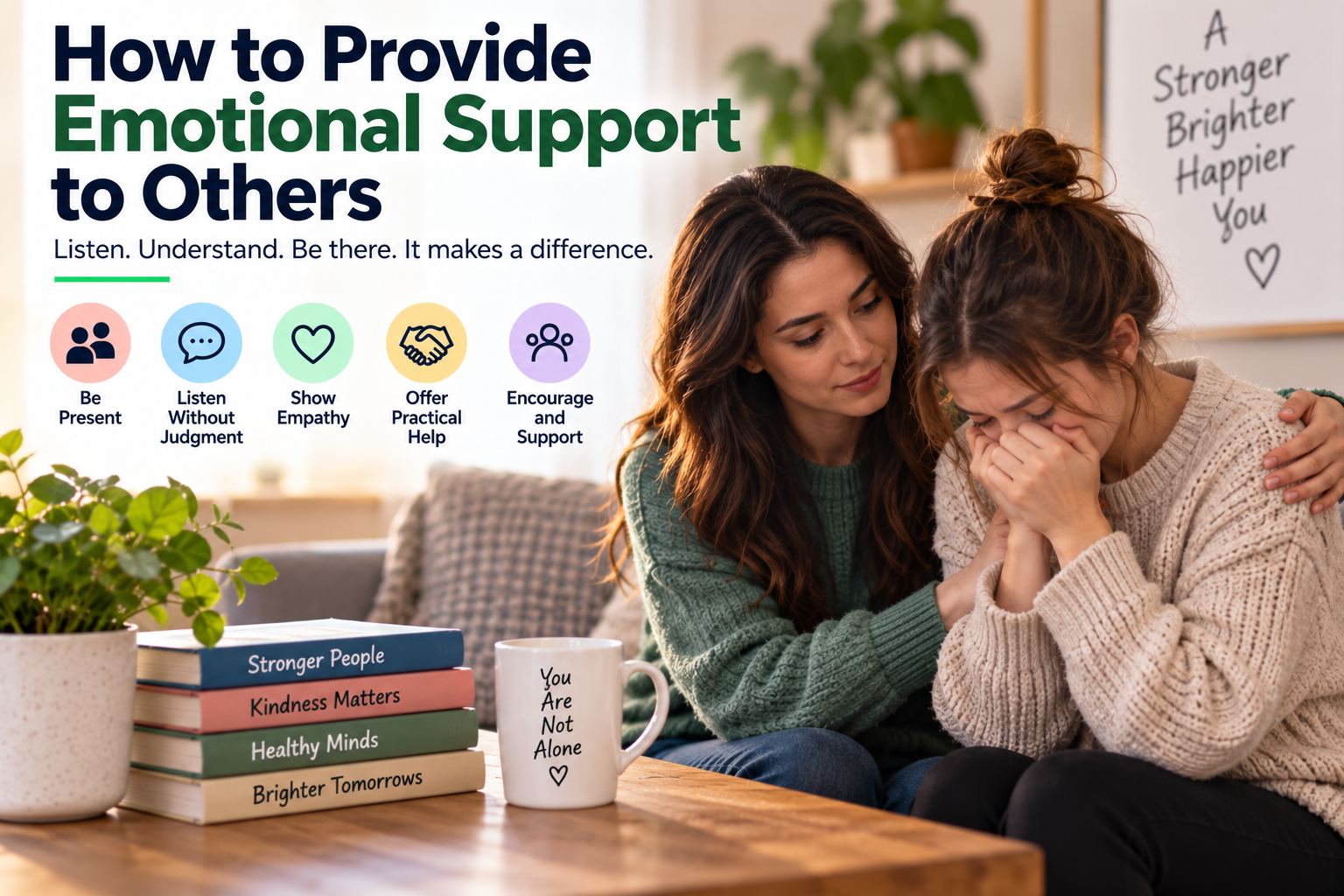
How to Provide Emotional Support to Others
Good emotional support is also about respecting boundaries. People need different kinds of help at different times. Some may want to talk, while others may need practical assistance, quiet companionship, or simply reassurance that someone cares.
Read article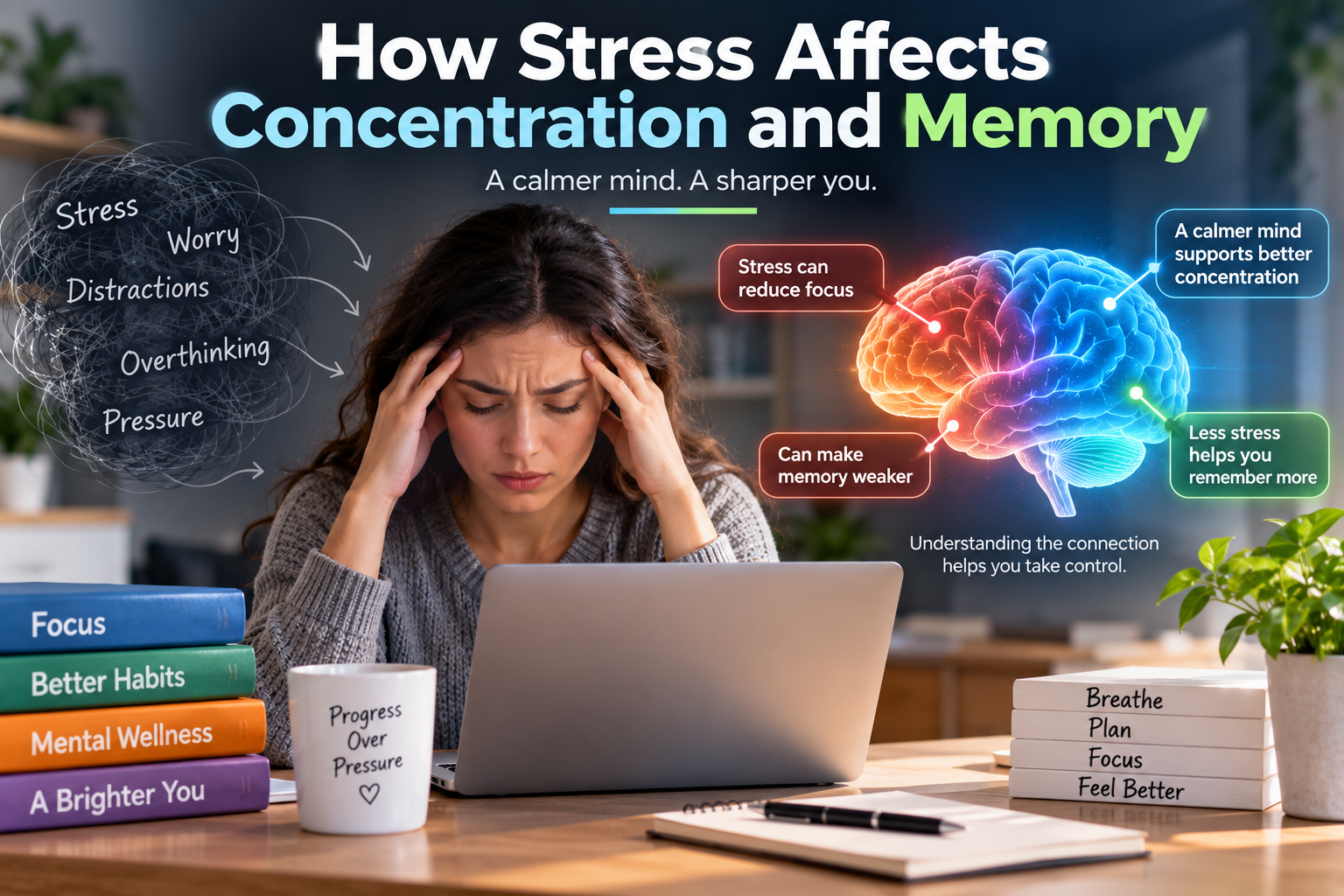
How Stress Affects Concentration and Memory
Understanding the connection between stress, concentration and memory can help explain why the mind sometimes feels less efficient during stressful periods—and why managing stress can be an important part of maintaining overall mental well-being.
Read article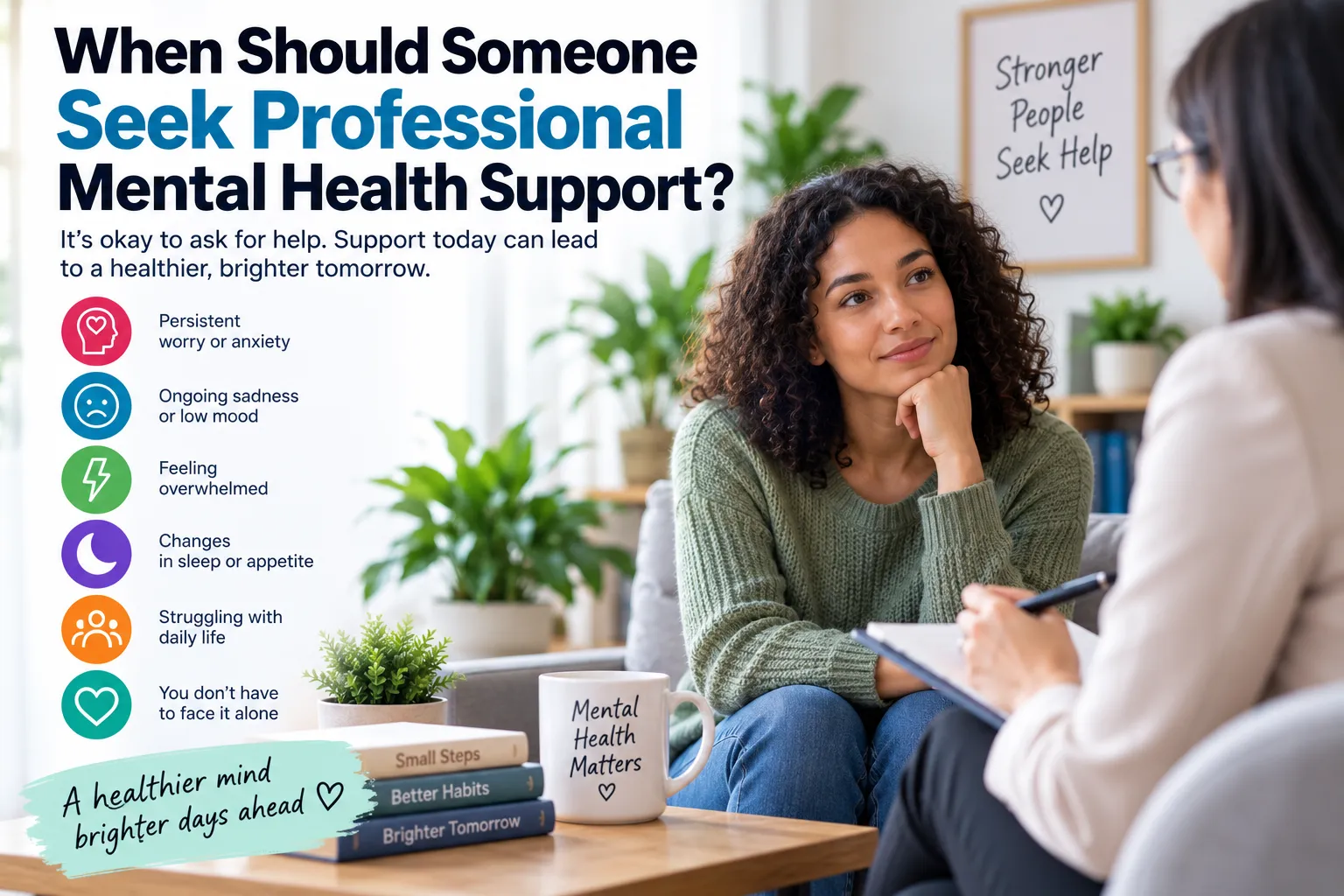
When Should Someone Seek Professional Mental Health Support
Understanding **what mental wellness means** is a useful starting point. Mental wellness involves more than simply being happy or avoiding mental illness. It includes the ability to manage emotions, handle challenges, maintain relationships, make decisions, and function in everyday life.
Read article

Join 10,000+ Readers Building Healthier Habits
Get actionable wellness tips every week plus our newest articles delivered straight to your inbox.