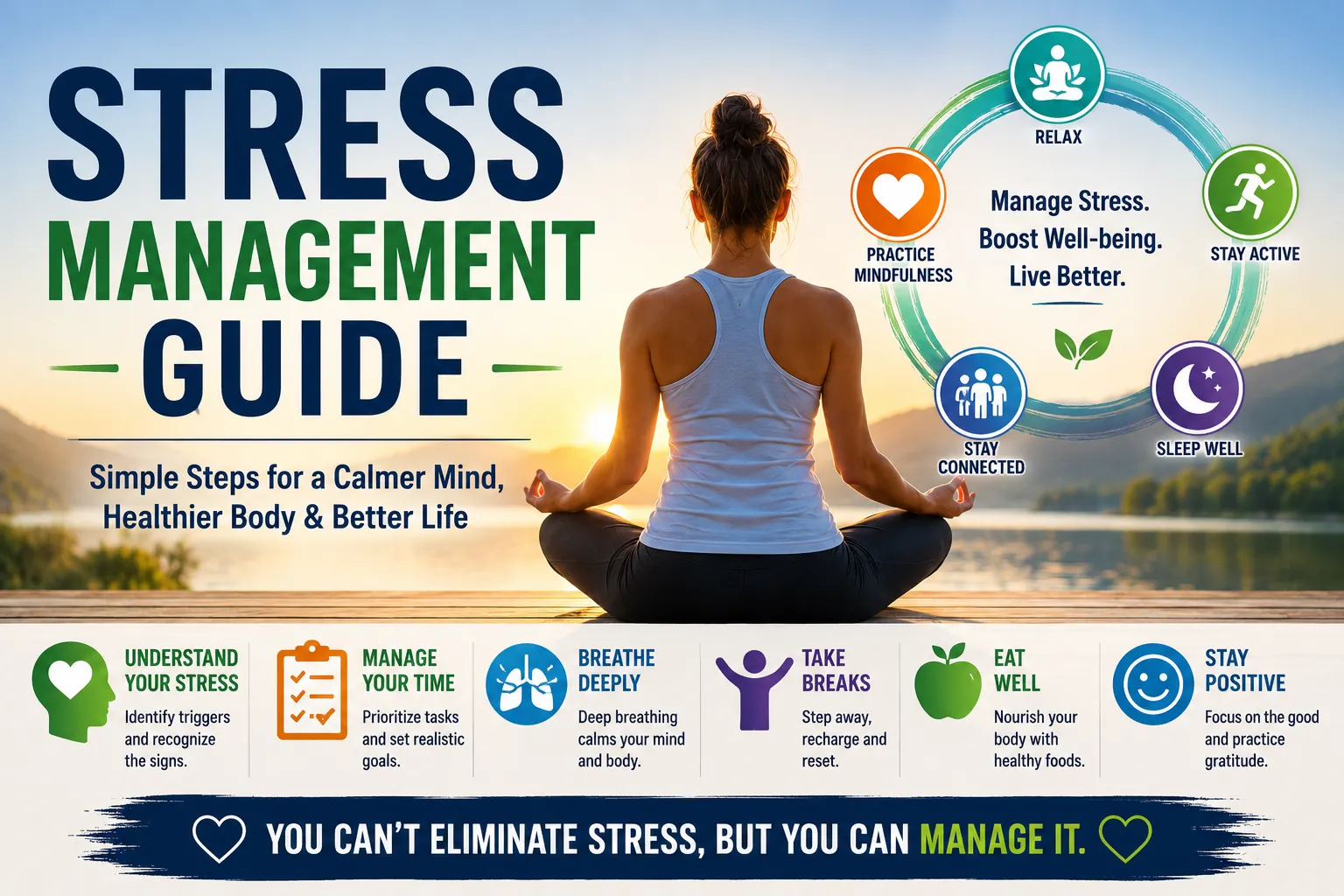

Stress Management Guide
Stress is a natural part of life. Whether it’s meeting work deadlines, managing finances, caring for family, or navigating unexpected challenges, everyone experiences stress at some point. In small amounts, stress can motivate us to solve problems and adapt to change. However, when it becomes frequent or overwhelming, it can begin to affect both physical and mental well-being.
Learning how to manage stress is one of the most valuable investments you can make in your long-term health. Effective stress management doesn’t eliminate life’s challenges, but it can help you respond to them in healthier, more productive ways.
This guide explores what stress is, its causes, how it affects the body, and practical strategies for reducing stress while building greater emotional resilience. For a broader overview of emotional well-being and the many factors that influence it, see The Complete Guide to Emotional Well-Being.
What Is Stress?
Stress is the body’s natural response to situations that are perceived as challenging, demanding, or threatening.
When faced with stress, the body activates its “fight-or-flight” response, releasing hormones such as:
- Adrenaline
- Cortisol
These hormones temporarily increase alertness, heart rate, and energy, preparing the body to respond to immediate challenges.
While short-term stress can be helpful, prolonged stress may contribute to physical and emotional health problems. When pressure continues for weeks or months, understanding how chronic stress affects your body and mind becomes especially important.
Common Causes of Stress
Stress can come from many areas of life.
Common sources include:
- Work responsibilities
- Financial concerns
- Family obligations
- Health challenges
- Relationship difficulties
- Major life changes
- Academic pressure
- Uncertainty about the future
Each person experiences stress differently, and what feels stressful for one individual may not affect another in the same way.
Signs and Symptoms of Stress
Stress affects both the mind and body.
Physical Symptoms
Common physical signs include:
- Headaches
- Muscle tension
- Fatigue
- Sleep disturbances
- Upset stomach
- Increased heart rate
- Changes in appetite
Emotional Symptoms
Stress may also lead to:
- Irritability
- Anxiety
- Feeling overwhelmed
- Mood swings
- Difficulty relaxing
- Frustration
- Low motivation
Cognitive Symptoms
People experiencing stress may notice:
- Trouble concentrating
- Racing thoughts
- Forgetfulness
- Difficulty making decisions
- Constant worrying
Behavioral Symptoms
Stress can influence behavior in various ways, including:
- Procrastination
- Social withdrawal
- Changes in eating habits
- Reduced physical activity
- Increased conflict with others
Recognizing these signs early can help prevent stress from becoming more difficult to manage.
Short-Term vs. Chronic Stress
Not all stress is harmful.
Short-Term Stress
Short-term stress is temporary and often disappears once the situation has passed.
Examples include:
- Preparing for an exam
- Giving a presentation
- Meeting a deadline
This type of stress may improve focus and performance.
Chronic Stress
Chronic stress continues over weeks or months.
Possible causes include:
- Long-term financial pressure
- Ongoing workplace stress
- Caregiving responsibilities
- Persistent health concerns
Long-lasting stress may have a greater impact on physical and mental health if left unaddressed.
For a deeper look at the consequences of prolonged pressure, read How Chronic Stress Affects Your Body and Mind.
How Stress Affects Overall Health
Long-term stress can influence multiple body systems.
Potential effects include:
- Poor sleep quality
- Reduced energy
- Increased muscle tension
- Difficulty concentrating
- Emotional exhaustion
- Reduced productivity
- Lower overall quality of life
Managing stress effectively supports healthier daily functioning.
Healthy Ways to Manage Stress
There is no single solution that works for everyone, but several healthy habits can help reduce stress over time.
Stay Physically Active
Regular physical activity can help improve mood and reduce feelings of stress.
Activities may include:
- Walking
- Cycling
- Swimming
- Yoga
- Dancing
- Strength training
The goal is consistency rather than perfection.
Prioritize Quality Sleep
Sleep plays an important role in emotional well-being.
Healthy sleep habits include:
- Maintaining a regular bedtime
- Limiting screen time before sleep
- Creating a comfortable sleep environment
- Reducing caffeine late in the day
Rested minds generally cope with stress more effectively.
Practice Mindfulness
Mindfulness encourages paying attention to the present moment without judgment.
Popular techniques include:
- Deep breathing
- Meditation
- Guided relaxation
- Body scans
- Mindful walking
Even a few minutes of mindfulness each day may help reduce feelings of stress. You can explore these practices further in the Complete Guide to Mindfulness and Present-Moment Awareness.
Eat a Balanced Diet
Nutrition supports both physical and mental health.
Aim to include:
- Fruits
- Vegetables
- Whole grains
- Lean proteins
- Healthy fats
- Adequate hydration
Regular meals can also help maintain consistent energy levels.
Stay Connected
Strong social relationships can provide valuable emotional support.
Consider:
- Talking with trusted friends
- Spending time with family
- Joining community groups
- Participating in hobbies
- Seeking support when needed
Sharing concerns often makes stressful situations feel more manageable.
Organize Your Time
Feeling overwhelmed often results from trying to manage too many responsibilities at once.
Helpful strategies include:
- Prioritizing important tasks
- Breaking large projects into smaller steps
- Using calendars or planners
- Setting realistic expectations
- Taking regular breaks
Good time management can reduce unnecessary pressure. Setting realistic limits can also be part of healthy boundaries and better limit-setting.
Relaxation Techniques
Simple relaxation practices can help calm the body’s stress response.
Examples include:
- Deep breathing exercises
- Progressive muscle relaxation
- Gentle stretching
- Listening to calming music
- Spending time in nature
- Reading
- Creative hobbies
Regular relaxation supports emotional balance.
Build Long-Term Resilience
Resilience is the ability to adapt and recover from life’s challenges.
Ways to strengthen resilience include:
- Developing healthy routines
- Practicing gratitude
- Learning from setbacks
- Maintaining supportive relationships
- Focusing on what you can control
- Setting achievable goals
Resilience grows through experience and healthy coping strategies. Building these skills can be supported by learning more about healthy coping skills and building resilience.
Avoid Unhealthy Coping Habits
Some coping methods may provide temporary relief but create additional problems over time.
Examples include:
- Excessive alcohol consumption
- Misuse of drugs
- Emotional eating
- Gambling
- Ignoring ongoing problems
- Chronic sleep deprivation
Healthier coping strategies are generally more effective in the long run.
When to Seek Professional Support
While everyday stress is common, persistent or overwhelming stress may require additional support.
Consider speaking with a qualified healthcare professional if stress:
- Persists for an extended period
- Interferes with daily activities
- Affects work or relationships
- Causes ongoing emotional distress
- Leads to unhealthy coping behaviors
Mental health professionals can provide personalized strategies and evidence-based treatments when appropriate.
Stress Management at Work
Many adults experience workplace-related stress.
Helpful workplace habits include:
- Taking regular breaks
- Communicating clearly
- Setting healthy boundaries
- Organizing workloads
- Asking for support when necessary
- Maintaining work-life balance
Small adjustments can contribute to a healthier work environment.
Technology and Stress
Technology offers both benefits and challenges.
Helpful uses include:
- Meditation apps
- Fitness tracking
- Digital calendars
- Mental wellness resources
At the same time, limiting unnecessary screen time and constant notifications may help reduce digital overload. For more on this topic, see How Digital Habits and Screen Time Affect Mental Wellness.
The Future of Stress Management
Advances in digital health continue to expand stress management tools.
Emerging innovations include:
- AI-powered wellness coaching
- Personalized mindfulness programs
- Wearable stress monitoring
- Biofeedback technologies
- Virtual mental wellness platforms
- Smart health insights
These tools may complement—not replace—healthy lifestyle habits and professional care.
Looking Ahead
Stress is an unavoidable part of life, but it doesn’t have to control your well-being. By recognizing stress early, building healthy daily habits, strengthening relationships, and practicing effective coping strategies, you can improve your ability to navigate life’s challenges with greater confidence and resilience.
Managing stress is not about eliminating every source of pressure. Instead, it’s about developing the skills and routines that help you respond thoughtfully, protect your health, and maintain balance over the long term.
Frequently Asked Questions
What is stress?
Stress is the body’s natural response to challenges or demands, triggering physical and emotional changes that help people respond to difficult situations.
Is all stress harmful?
No. Short-term stress can improve focus and motivation. Problems are more likely to arise when stress becomes frequent, prolonged, or overwhelming.
What are healthy ways to manage stress?
Regular exercise, quality sleep, balanced nutrition, mindfulness, time management, relaxation techniques, and supportive relationships can all help reduce stress.
Can stress affect physical health?
Yes. Long-term stress may contribute to sleep problems, fatigue, muscle tension, headaches, and reduced overall well-being.
When should I seek professional help?
If stress becomes persistent, interferes with daily life, or causes significant emotional distress, consider speaking with a qualified healthcare or mental health professional.
Key Takeaways
- Stress is a normal biological response to life’s challenges.
- Short-term stress can be helpful, while chronic stress may affect overall health and well-being.
- Common stress management strategies include exercise, healthy eating, quality sleep, mindfulness, and strong social support.
- Building resilience helps people cope more effectively with future challenges.
- Avoid relying on unhealthy coping mechanisms for long-term stress relief.
- Consistent healthy habits, combined with professional support when needed, can significantly improve stress management and overall quality of life.
Continue Reading
Similar Posts
How Your Environment Affects Everyday Health
Understanding these connections can help people make practical changes that support healthier daily living.
Read article
How Aerobic Exercise Supports Cardiovascular Health
Understanding how aerobic exercise affects cardiovascular health can make it easier to choose activities that are enjoyable, sustainable, and appropriate for your fitness level.
Read article
What Is the Gut Microbiome and Why Does It Matter
Understanding how this ecosystem works can make it easier to understand why diet, lifestyle, medications, and other factors can influence digestive health.
Read article

Join 10,000+ Readers Building Healthier Habits
Get actionable wellness tips every week plus our newest articles delivered straight to your inbox.