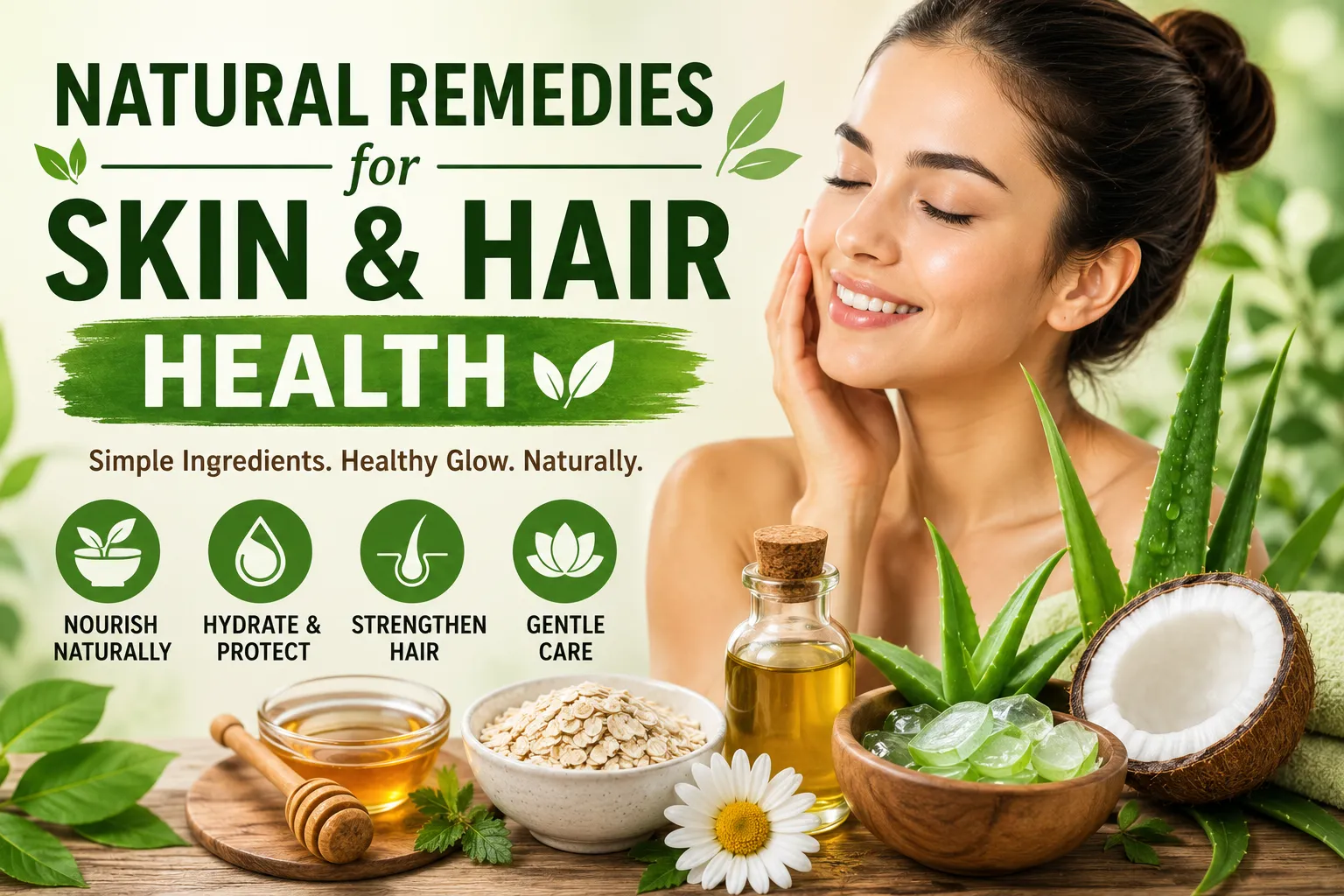

Natural Remedies for Skin and Hair Health
Healthy-looking skin and hair are often associated with expensive products, elaborate routines, and specialized treatments. Yet some of the most useful habits are remarkably simple. Adequate nutrition, gentle cleansing, protection from the sun, sufficient sleep, stress management, and careful hair care can all contribute to healthier skin and hair over time.
The growing interest in natural remedies for skin and hair health has also brought familiar ingredients such as aloe vera, oatmeal, plant oils, and nutrient-rich foods into the spotlight. Some of these approaches can be useful for soothing or protecting the skin, but “natural” does not automatically mean safe or effective. The most sensible approach is therefore to focus on gentle, evidence-informed habits while being cautious about homemade treatments and supplements.
For a broader look at how natural remedies should be evaluated, including questions of evidence, effectiveness, and safety, see the Complete Guide to Natural Remedies Evidence.
What Does Natural Skin and Hair Care Really Mean?
Natural skin and hair care generally refers to using simple routines, lifestyle measures, food-based nutrition, or plant-derived ingredients instead of relying exclusively on highly processed cosmetic products or medical treatments.
That can include:
- Eating a varied, nutrient-rich diet
- Drinking enough fluids
- Protecting skin from excessive sun exposure
- Using gentle, fragrance-free products
- Keeping the scalp clean
- Avoiding excessive heat and chemical treatments
- Using soothing ingredients such as colloidal oatmeal when appropriate
- Managing stress
- Getting adequate sleep
- Avoiding smoking
However, there is an important distinction between natural care and untested home remedies.
A product made from a plant can still cause irritation or an allergic reaction. Likewise, a homemade treatment can be contaminated or unsuitable for a particular skin or scalp condition.
Nutrition Is the Foundation of Healthy Skin and Hair
Skin and hair are living tissues that depend on adequate nutrients.
A balanced diet provides the proteins, vitamins, minerals, healthy fats, and other nutrients needed for normal growth and maintenance.
Useful foods include:
- Vegetables
- Fruits
- Whole grains
- Beans and lentils
- Eggs
- Fish
- Nuts and seeds
- Dairy products or suitable alternatives
- Lean meats and other protein sources
Healthy adults generally benefit from obtaining their nutritional needs through food rather than automatically turning to beauty supplements. Supplements may be appropriate when a healthcare professional identifies a deficiency or another specific nutritional need.
Protein Supports Hair Structure
Hair is primarily composed of a protein called keratin.
This makes adequate protein intake an important part of overall nutritional health.
Protein-rich foods can include:
- Eggs
- Fish
- Chicken
- Beans
- Lentils
- Milk
- Yogurt
- Soy products
- Nuts and seeds
Poor nutrition can contribute to some types of hair loss, although hair loss has many possible causes, including genetics, medical conditions, medications, hormonal changes, and stress.
That means increasing protein alone is unlikely to solve unexplained hair loss.
Aloe Vera Can Help Soothe Irritated Skin
Aloe vera is one of the most recognizable plant-based ingredients in skin care.
It is commonly used in products intended to soothe irritated or sun-exposed skin.
Aloe vera should not be viewed as a cure for every skin problem.
It is particularly important to avoid applying homemade preparations to damaged or infected skin without understanding what is causing the problem.
If a skin reaction becomes severe, painful, widespread, or persistent, professional medical advice is more appropriate than continuing to experiment with home remedies.
Colloidal Oatmeal Can Soothe Dry or Itchy Skin
Oatmeal is another natural ingredient with a recognized role in skin care.
Colloidal oatmeal consists of finely ground oatmeal prepared for use on the skin.
It can be particularly useful for people dealing with dry or irritated skin because it provides a gentle, soothing option.
For everyday dryness, dermatologists also recommend short showers or baths with warm rather than hot water, gentle cleansing, and applying moisturizer while the skin is still damp.
Plant Oils Require Some Caution
Coconut, jojoba, olive, argan, and other plant-derived oils are widely used in hair and skin routines.
They can help reduce the feeling of dryness and improve the appearance or manageability of hair.
But an oil that works well for one person may irritate another.
Some oils can also contribute to clogged pores or worsen certain skin conditions when applied heavily to the face.
Before using a new oil extensively, consider testing a small amount on an inconspicuous area first.
If burning, itching, redness, swelling, or a rash develops, stop using it.
Gentle Skin Care Is Often Better Than Aggressive Treatments
Healthy skin does not necessarily require a complicated routine.
Dermatologists commonly emphasize gentle care, particularly for dry or sensitive skin.
A basic routine can include:
- A gentle cleanser
- A suitable moisturizer
- Sun protection during daytime exposure
For dry skin, fragrance-free products and avoiding harsh cleansing practices can help prevent further irritation.
This is an important principle for natural skin care: doing less can sometimes be better than constantly adding new ingredients.
Sun Protection Is One of the Most Important Skin Habits
Natural skin care should not mean ignoring the sun.
Ultraviolet radiation contributes to premature skin aging and can damage skin cells.
Protective measures include:
- Seeking shade
- Wearing protective clothing
- Using sunscreen
- Wearing a hat
- Avoiding prolonged exposure during periods of intense sunlight
Sun protection is also relevant to hair and scalp health, particularly for people who spend substantial time outdoors.
Healthy Hair Starts With a Healthy Scalp
Hair care often focuses heavily on the strands while overlooking the scalp.
But the scalp is where hair grows, making scalp care an important part of a healthy hair routine.
Washing hair according to how quickly it becomes dirty or oily and applying shampoo primarily to the scalp can help maintain the scalp without unnecessarily stressing the lengths of the hair. Conditioner can then help moisturize and detangle the hair.
The ideal washing frequency varies according to hair type and scalp characteristics.
Someone with an oily scalp may need to wash more frequently than someone with dry, tightly curled, or textured hair.
Avoid Excessive Heat on Your Hair
Hair can be damaged by repeated exposure to high temperatures.
Frequent use of:
- Flat irons
- Curling irons
- Hot rollers
- Very hot blow-dryers
can contribute to dryness and breakage.
Gentle hair care and limiting harsh treatments and excessive heat can help prevent avoidable hair damage.
This does not mean you can never use styling tools.
Instead, moderation and careful technique can reduce unnecessary stress on the hair.
Be Gentle With Wet Hair
Hair is particularly vulnerable to mechanical damage when wet.
Aggressive brushing or pulling can cause unnecessary breakage.
Using a wide-toothed comb for detangling wet hair and being gentle when handling it can reduce unnecessary mechanical stress.
Other useful habits include:
- Avoiding aggressive towel rubbing
- Detangling carefully
- Avoiding excessive tension
- Limiting very tight hairstyles
- Using products suited to your hair type
Scalp Oils Are Not a Universal Hair-Growth Treatment
One of the most persistent claims in natural hair care is that applying certain oils to the scalp will automatically make hair grow faster.
The evidence is much less straightforward.
Hair growth can be influenced by:
- Genetics
- Hormones
- Age
- Nutritional status
- Medical conditions
- Medications
- Stress
- Scalp health
For some forms of hair loss, proven medical treatments are available.
Treatment for hair loss depends on the underlying cause, and appropriate medical treatment can be more useful than repeatedly experimenting with oils or home remedies.
The same evidence-first principle applies to natural skin and hair treatments more broadly: a treatment should be judged by what it actually does, not simply by whether its ingredients are natural.
What About Biotin for Hair and Skin?
Biotin has become one of the most popular ingredients in beauty supplements.
It is a real nutrient involved in normal metabolism, but that does not mean everyone needs a biotin supplement.
Biotin deficiency is rare, and supplementation is generally most sensible when a deficiency exists. High doses can also interfere with some laboratory tests.
Claims that biotin supplements treat acne, eczema, or hair loss have not been established as universal solutions.
For most healthy people, obtaining biotin from foods is a more sensible approach than taking high-dose supplements without medical advice.
Collagen May Support Skin, But Expectations Matter
Collagen is a structural protein found throughout the body and is important for skin structure.
The body naturally produces less collagen with age, contributing to changes in skin elasticity.
Collagen-containing foods and supplements are widely marketed for improving skin appearance.
Collagen supplements may potentially improve skin appearance and possibly hair and nail strength, but more research is needed.
That makes collagen an area of ongoing research rather than a guaranteed anti-aging solution.
Omega-3 Fatty Acids Support Overall Nutrition
Omega-3 fatty acids are found in foods such as:
- Fatty fish
- Walnuts
- Chia seeds
- Flaxseeds
- Certain plant oils
They play important roles in overall health.
Omega-3s may have benefits related to dryness and irritation, but dietary sources remain an important way to obtain these nutrients.
Rather than focusing exclusively on a supplement, a varied diet containing nutrient-rich foods can provide broader nutritional benefits.
Stress Can Affect Skin and Hair
Stress is not simply a mental experience.
Chronic stress can influence skin and may contribute to problems involving inflammation, irritation, itching, and infection.
Stress can also be associated with some forms of temporary hair shedding.
Healthy stress-management strategies may include:
- Regular exercise
- Adequate sleep
- Time outdoors
- Relaxation exercises
- Social connection
- Hobbies
- Mindfulness practices
- Professional mental-health support when necessary
Managing stress will not cure every skin or hair condition, but it can be part of a healthier overall lifestyle.
For readers interested in the role of plant-based approaches in relaxation, the guide to Natural Remedies for Sleep and Relaxation provides a related perspective.
Sleep Is an Overlooked Beauty Habit
Sleep gives the body time to recover from the demands of everyday life.
Poor sleep can affect mood, energy, stress levels, and overall well-being.
Rather than looking for a special “beauty sleep” remedy, focus on basic sleep habits:
- Keep a consistent schedule
- Create a comfortable sleeping environment
- Limit habits that interfere with sleep
- Address persistent sleep problems
- Aim for sufficient sleep
Healthy skin and hair are supported by overall health, making sleep an important part of the bigger picture.
Hydration Helps Maintain Skin Function
Water is essential for normal body function.
Dehydration can contribute to symptoms such as dry mouth and reduced physical well-being, while adequate fluid intake supports normal physiological processes.
However, drinking excessive amounts of water will not automatically eliminate wrinkles or transform hair growth.
For skin dryness, topical moisturizers and gentle skin-care practices can be more directly useful.
A sensible approach is to drink regularly according to thirst and individual needs while maintaining a balanced diet.
Natural Remedies That Can Backfire
Not every popular home treatment deserves a place in a skin or hair routine.
Some commonly promoted ingredients can cause irritation, especially when applied in concentrated forms.
Examples include:
- Undiluted essential oils
- Strong acids
- Lemon juice
- Baking soda
- Harsh scrubs
- Undiluted vinegar
- Highly concentrated herbal extracts
The fact that an ingredient can be found in a kitchen or garden does not make it suitable for direct application to the skin.
The skin has a protective barrier with a carefully regulated environment. Aggressive substances can disrupt that barrier.
For a broader look at potential risks, interactions, and precautions, see this Natural Remedies Safety Guide.
Why Lemon Juice Is Not a Good Universal Skin Remedy
Lemon juice is sometimes promoted online as a natural treatment for dark spots, acne, or oily skin.
But applying acidic kitchen ingredients directly to the skin can cause irritation.
There is also a risk that certain plant compounds can make skin more sensitive to sunlight.
Instead of experimenting with strong household acids, people with persistent pigmentation or acne should consider evidence-based skin-care products or professional dermatological advice.
Essential Oils Need Careful Handling
Essential oils are highly concentrated plant extracts.
They are not equivalent to the plants from which they originate.
Applying concentrated essential oils directly to skin can cause irritation or allergic reactions in some people.
If an essential oil is used, appropriate dilution and product-specific safety instructions matter.
People with sensitive skin, children, pregnant individuals, and those taking certain medications may need additional precautions.
When Natural Care Is Not Enough
Home care may be reasonable for minor dryness or routine maintenance.
It becomes less appropriate when there are signs of an underlying medical problem.
Consider seeking professional advice for:
- Sudden or unexplained hair loss
- Bald patches
- Persistent scalp scaling
- Severe itching
- Painful skin lesions
- Rapidly changing moles
- Persistent acne
- Recurrent rashes
- Skin infections
- Hair loss accompanied by other symptoms
- A reaction that causes swelling or difficulty breathing
Hair loss, in particular, can have many causes, and identifying the cause is often more useful than repeatedly trying different oils or supplements.
A Simple Natural Skin and Hair Routine
A practical routine does not need dozens of products.
Morning
- Cleanse gently if necessary.
- Moisturize according to your skin type.
- Apply appropriate sun protection.
- Eat a balanced breakfast containing protein and nutrient-rich foods.
During the day
- Drink fluids regularly.
- Eat a varied diet.
- Manage stress.
- Protect your skin from excessive sun exposure.
- Avoid unnecessary touching or picking of the skin.
Hair care
- Wash according to your scalp and hair type.
- Apply shampoo primarily to the scalp.
- Condition appropriately.
- Detangle gently.
- Limit excessive heat and chemical processing.
Evening
- Remove makeup and sunscreen appropriately.
- Cleanse gently.
- Moisturize.
- Give your body enough time for quality sleep.
The most important part is consistency rather than complexity.
Natural Does Not Always Mean Better
The popularity of natural remedies has created a large market for products promising healthier skin, thicker hair, fewer wrinkles, and faster growth.
Some ingredients have legitimate uses.
Others have limited evidence.
Some may be harmless but ineffective, while others can cause irritation or interact with medications.
The same principle applies to supplements.
Healthy adults generally benefit from meeting their nutritional needs through food where possible and discussing supplements with a healthcare professional when deficiencies or other medical needs are suspected.
For a broader comparison of evidence-based natural approaches and conventional treatment options, see Natural Remedies Versus Conventional Medicine.
Healthy Skin and Hair Start With the Basics
The most reliable natural approach to skin and hair health is rarely a single miracle ingredient.
It is a combination of good nutrition, gentle care, sun protection, adequate sleep, stress management, sensible hair practices, and appropriate medical attention when something changes.
Aloe vera and colloidal oatmeal can have useful roles in soothing certain skin problems, while nutrient-rich foods can support the body’s normal maintenance processes. But homemade treatments and beauty supplements should not be assumed to work simply because they are labeled natural.
For hair, protecting the scalp, avoiding excessive tension and heat, and recognizing unexplained hair loss early can be more valuable than chasing the latest oil or DIY treatment.
Ultimately, healthy skin and hair are reflections of a much larger picture: how well you care for your body as a whole.
Continue Reading
Similar Posts
How Traditional African Herbal Medicine Works
Understanding how these remedies work requires looking at both traditional knowledge and modern scientific research. Some medicinal plants contain compounds with biological effects that researchers can study, while evidence for other traditional uses remains limited or uncertain.
Read article
How Placebo Effects Affect Remedy Research
For natural remedies, this distinction can be particularly important. Many remedies have long histories of traditional use, and people may have strong expectations about their effectiveness. Carefully designed research is therefore needed to determine whether improvements are caused by the remedy, the context surrounding its use, natural changes in symptoms or some combination of factors
Read article
Are Natural Remedies Safe During Pregnancy
The safest approach is not to assume that a remedy is harmless simply because it is natural. Instead, its ingredients, dose, purpose, evidence, and potential risks should all be considered.
Read article

Join 10,000+ Readers Building Healthier Habits
Get actionable wellness tips every week plus our newest articles delivered straight to your inbox.