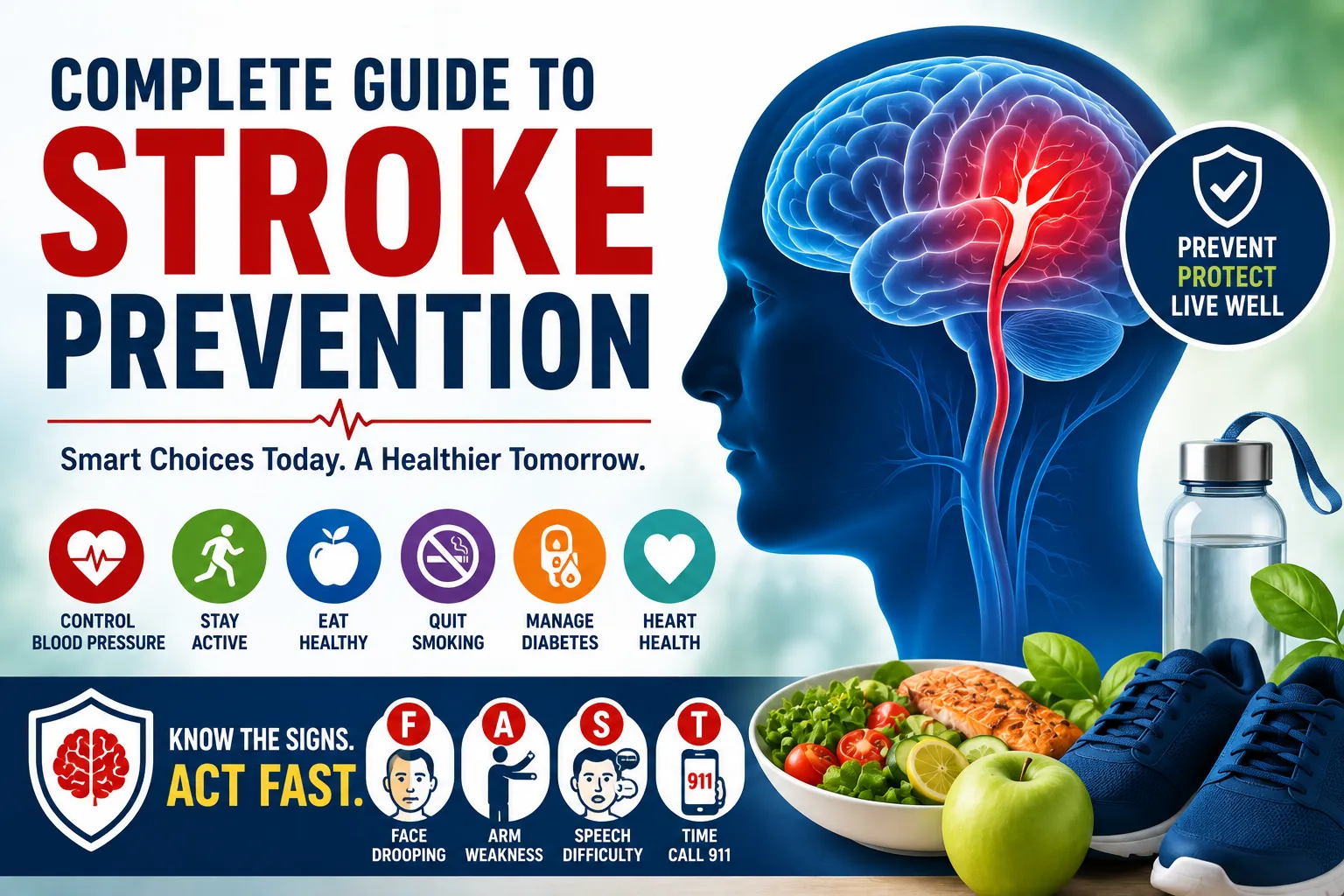

Complete Guide to Stroke Prevention
Stroke can happen suddenly, but many of the factors that increase stroke risk can be identified, treated, or changed. That makes prevention an important part of protecting long-term brain and cardiovascular health.
High blood pressure, smoking, diabetes, unhealthy cholesterol levels, physical inactivity, obesity, certain heart conditions, and excessive alcohol use are among the major modifiable risk factors associated with stroke.
The good news is that stroke prevention does not depend on one perfect lifestyle choice. It is usually about managing several risk factors consistently while working with a healthcare professional when medical treatment is needed.
This guide explains the major risk factors for stroke, practical prevention strategies, warning signs, and steps you can take to protect your long-term health. For a broader look at prevention, risk factors, and other major conditions, see the Complete Guide to Common Health Conditions.
Medical note: This article is for general education and does not replace personalized medical advice. If you think you or someone else may be having a stroke, seek emergency medical care immediately.
What Is a Stroke?
A stroke occurs when part of the brain is deprived of adequate blood flow and oxygen, either because a blood vessel becomes blocked or because a blood vessel ruptures. Brain cells can begin to become damaged within minutes, which is why stroke is a medical emergency.
There are two major types:
-
Ischemic stroke: A blood clot or other blockage prevents blood from reaching part of the brain.
-
Hemorrhagic stroke: A blood vessel in or around the brain ruptures and causes bleeding.
A transient ischemic attack (TIA) can produce stroke-like symptoms when blood flow to the brain is temporarily interrupted. A TIA should not be ignored; it can be an important warning that a major stroke may follow.
How Preventable Is Stroke?
Not every stroke can be prevented. Some risk factors cannot be changed, including age, family history, and certain genetic or medical conditions.
However, many major risk factors can be controlled or treated. Public-health research has identified hypertension, smoking, diabetes, obesity, poor diet, physical inactivity, abnormal cholesterol, atrial fibrillation, excessive alcohol consumption, and other factors as important targets for prevention.
This distinction is important: having a risk factor does not mean that a person will have a stroke, and having no obvious risk factors does not make stroke impossible.
The goal is to reduce overall risk rather than pursue a guarantee that cannot be provided.
1. Control Your Blood Pressure
High blood pressure, or hypertension, is one of the most important modifiable stroke risk factors. Persistent high pressure can damage blood vessel walls and contribute to conditions that cause both ischemic and hemorrhagic strokes.
Regularly checking your blood pressure can help identify a problem that may otherwise have no obvious symptoms. For a more detailed explanation of hypertension, including its diagnosis, treatment, and lifestyle management, see High Blood Pressure Explained.
Ways to manage blood pressure
Depending on your individual situation, prevention may involve:
-
Reducing excess sodium in the diet
-
Eating more vegetables, fruits, whole grains, and other nutrient-dense foods
-
Maintaining a healthy weight
-
Getting regular physical activity
-
Limiting alcohol
-
Avoiding tobacco
-
Taking prescribed blood-pressure medication correctly
-
Attending recommended medical appointments
Do not stop or change blood-pressure medication without discussing it with your healthcare professional.
2. Do Not Smoke or Vape
Tobacco smoking damages blood vessels and contributes to cardiovascular disease and stroke risk. Vaping and exposure to secondhand smoke can also be concerns.
If you smoke, quitting is one of the most meaningful steps you can take for cardiovascular health.
Quitting can be difficult, particularly for people who have developed nicotine dependence. Rather than relying solely on willpower, consider discussing evidence-based cessation strategies with a healthcare professional.
3. Manage Diabetes and Blood Sugar
Diabetes can increase stroke risk because persistently elevated blood glucose can damage blood vessels and contribute to cardiovascular disease.
If you have diabetes, prevention involves more than simply checking blood sugar occasionally.
A comprehensive approach may include:
-
Following your prescribed treatment plan
-
Monitoring blood glucose as recommended
-
Eating a balanced diet
-
Maintaining regular physical activity
-
Managing blood pressure
-
Managing cholesterol
-
Attending routine medical appointments
For people without diabetes, maintaining a healthy lifestyle can also help reduce the risk of developing diabetes and its associated cardiovascular complications.
4. Pay Attention to Cholesterol
High cholesterol can contribute to plaque buildup in arteries. When arteries supplying the brain become narrowed or blocked, the risk of ischemic stroke can increase.
A cholesterol test can help identify whether your levels warrant attention.
Your healthcare professional may consider your:
-
LDL cholesterol
-
HDL cholesterol
-
Triglycerides
-
Overall cardiovascular risk
-
Medical history
-
Family history
Treatment can involve lifestyle changes, medication, or both depending on individual risk.
5. Stay Physically Active
Physical inactivity is associated with increased cardiovascular risk, while regular activity can support healthier blood pressure, weight, blood sugar, and cholesterol levels.
You do not necessarily need to begin with intense workouts.
Activities such as:
-
Walking
-
Cycling
-
Swimming
-
Dancing
-
Gardening
-
Recreational sports
-
Strength training
can all contribute to a more active lifestyle.
If you have been inactive for a long time or have a medical condition, ask a healthcare professional what level of activity is appropriate for you.
6. Maintain a Healthy Weight
Excess body weight can be associated with several stroke risk factors, including high blood pressure, diabetes, and abnormal cholesterol.
Rather than focusing exclusively on rapid weight loss, a sustainable approach generally emphasizes long-term habits.
Useful priorities include:
-
Eating balanced meals
-
Increasing physical activity
-
Limiting highly processed foods
-
Getting adequate sleep
-
Managing portion sizes
-
Addressing underlying barriers to healthy eating and activity
Even when weight does not change dramatically, improvements in blood pressure, blood sugar, fitness, and diet can still benefit overall cardiovascular health.
7. Build a Heart-Healthy Diet
Diet influences several factors connected with stroke risk, including blood pressure, cholesterol, blood sugar, and body weight.
A stroke-conscious eating pattern can emphasize:
-
Vegetables and fruits
-
Whole grains
-
Beans and legumes
-
Nuts and seeds
-
Fish and other nutritious protein sources
-
Healthy unsaturated fats
-
Foods with less added sugar
-
Foods with less sodium and unhealthy fats
It is usually more useful to think about your overall eating pattern than to search for a single “stroke-preventing” food.
8. Limit Excessive Alcohol Consumption
Excessive alcohol intake can increase stroke risk, and binge drinking can also be dangerous.
If you drink alcohol, discuss your consumption with a healthcare professional if you are concerned about your cardiovascular risk.
People who have difficulty controlling their drinking may benefit from professional support rather than attempting to manage the problem alone.
9. Take Atrial Fibrillation Seriously
Atrial fibrillation (AFib) is an irregular heart rhythm that can allow blood to pool in the heart and form clots. Those clots can travel to the brain and cause an ischemic stroke.
AFib can substantially increase stroke risk. Understanding broader cardiovascular risk is also important, particularly because heart conditions and vascular disease can influence stroke risk. The Heart Disease Prevention Guide provides a broader look at cardiovascular risk reduction.
If you have AFib, stroke prevention may involve medications or other treatments prescribed according to your individual risk.
One important point is that not everyone with AFib should automatically take aspirin or another blood-thinning medication without medical guidance. The appropriate treatment depends on the person’s circumstances.
10. Understand Your Family History
Some stroke risk factors are outside your control.
These include:
-
Age
-
Family history
-
Certain genetic conditions
-
Previous stroke or TIA
-
Some demographic and biological factors
Having a close relative who experienced a stroke can be relevant when discussing your personal risk with a healthcare professional.
You cannot change your family history, but knowing it can encourage earlier attention to the risk factors you can influence.
11. Know About Women’s Stroke Risk Factors
Women and men share many stroke risk factors, but some circumstances can affect women’s risk differently.
Factors such as pregnancy-related hypertension, preeclampsia or eclampsia, certain forms of birth control, and some hormone-related factors can be considerations in women’s stroke risk.
Women should discuss relevant personal and reproductive health history with their healthcare professional, particularly when several cardiovascular risk factors are present.
12. Don’t Ignore Sleep Problems
Sleep health is increasingly relevant to cardiovascular health.
Sleep apnea, in particular, is associated with increased stroke risk.
Possible signs of sleep apnea can include:
-
Loud, persistent snoring
-
Pauses in breathing during sleep
-
Waking up gasping or choking
-
Excessive daytime sleepiness
-
Morning headaches
-
Difficulty concentrating
These symptoms can have multiple causes, so diagnosis requires appropriate medical assessment.
13. Keep Up With Medical Checkups
Stroke prevention is not simply a lifestyle project.
Regular healthcare visits can help identify conditions that may not produce noticeable symptoms.
Depending on your age, health history, and risk profile, your healthcare professional may evaluate:
-
Blood pressure
-
Cholesterol
-
Blood glucose
-
Heart rhythm
-
Weight
-
Tobacco use
-
Family history
-
Medication use
-
Other cardiovascular risk factors
Knowing your risk factors and using regular medical care to address those that can be changed or treated are important parts of prevention.
14. Take Prescribed Medicines Correctly
Medication can play an important role in preventing stroke when conditions such as hypertension, diabetes, high cholesterol, or AFib are present.
However, medications should be selected according to the individual’s medical situation.
Avoid:
-
Stopping medication because you feel better
-
Doubling doses after forgetting a dose without appropriate instructions
-
Sharing prescription medication
-
Starting aspirin specifically for stroke prevention without medical advice
-
Assuming supplements can replace prescribed treatment
For example, aspirin can be beneficial in some circumstances but inappropriate or harmful in others. Its use should be discussed with a qualified healthcare professional.
15. Know the Warning Signs of Stroke
Prevention is important, but recognizing a stroke quickly can also save brain function and potentially reduce disability.
A useful modern warning-sign framework is B.E. F.A.S.T.:
-
B — Balance: Sudden loss of balance or coordination
-
E — Eyes: Sudden vision changes
-
F — Face: One side of the face droops
-
A — Arms: Sudden weakness or numbness, especially on one side
-
S — Speech: Sudden difficulty speaking or understanding
-
T — Time: Seek emergency medical help immediately
Other possible symptoms include sudden confusion, severe unexplained headache, difficulty walking, dizziness, or numbness and weakness.
Because stroke can affect movement, speech, sensation, and other aspects of brain function, understanding how to protect neurological health and reduce brain disease risk can also provide useful broader context about long-term brain health.
Do not wait to see whether symptoms disappear.
What About a TIA?
A transient ischemic attack, often called a mini-stroke, can cause symptoms similar to those of a stroke that may disappear.
That does not mean it is harmless.
A TIA can serve as an important warning that a person is at increased risk of a future stroke. TIA symptoms should be treated seriously and require prompt medical evaluation.
If someone experiences sudden stroke-like symptoms—even if they disappear—urgent medical assessment is appropriate.
A Practical Stroke Prevention Checklist
Use this checklist as a starting point for a conversation with your healthcare professional:
| Prevention area | Questions to consider |
|---|---|
| Blood pressure | Do I know my blood pressure and is it appropriately controlled? |
| Cholesterol | Have I had my cholesterol checked when appropriate? |
| Blood sugar | Am I at risk for diabetes or do I need better glucose control? |
| Smoking | Do I smoke, vape, or regularly breathe secondhand smoke? |
| Physical activity | Am I physically active on a regular basis? |
| Diet | Is my overall diet supportive of cardiovascular health? |
| Weight | Is my current weight contributing to other risk factors? |
| Alcohol | Am I drinking excessively or binge drinking? |
| Heart rhythm | Could I have AFib or another heart condition requiring evaluation? |
| Sleep | Do I have symptoms suggesting sleep apnea? |
| Family history | Have close relatives experienced stroke or cardiovascular disease? |
| Previous events | Have I ever had a stroke or TIA? |
| Medication | Am I taking prescribed medicines consistently and correctly? |
Common Stroke Prevention Mistakes
Focusing Only on Diet
Eating well matters, but it cannot compensate for uncontrolled hypertension, untreated AFib, smoking, or other major risk factors.
Assuming Stroke Only Affects Older Adults
Stroke risk generally increases with age, but stroke can occur in younger people as well.
Waiting for Symptoms Before Checking Blood Pressure
High blood pressure often produces no obvious symptoms. Regular measurement can identify a risk factor before a serious event occurs.
Taking Aspirin Without Medical Advice
Aspirin is not appropriate for everyone and can carry bleeding risks. Its use for prevention should be individualized with a healthcare professional.
Ignoring a TIA
Temporary symptoms do not necessarily mean the danger has passed. A TIA can be an important warning of future stroke risk.
Trying to Change Everything Overnight
Long-term prevention is more sustainable when changes are realistic. Start by identifying the highest-priority risk factors and address them systematically.
The Most Effective Approach Is Comprehensive
There is no single food, exercise, supplement, test, or lifestyle trick that guarantees protection from stroke.
A stronger strategy is comprehensive:
-
Know your risk factors.
-
Monitor your blood pressure.
-
Manage cholesterol and blood sugar.
-
Don’t smoke or vape.
-
Stay physically active.
-
Eat a balanced, heart-healthy diet.
-
Maintain a healthy weight when possible.
-
Limit excessive alcohol consumption.
-
Address conditions such as AFib and sleep apnea.
-
Take prescribed medications as directed.
-
Know the warning signs of stroke.
-
Seek emergency care immediately when symptoms appear.
Stroke prevention is best viewed as an ongoing health strategy rather than a one-time intervention. Many important risk factors can be identified during routine healthcare and addressed before they contribute to a serious event.
Protecting Brain Health Starts Before an Emergency
The most valuable time to think about stroke prevention is before symptoms appear. Knowing your numbers, understanding your personal risk, maintaining healthy daily habits, and getting appropriate medical care can all contribute to lowering risk.
And if sudden stroke symptoms ever occur, prevention takes a back seat to urgency: recognize the signs and seek emergency medical care immediately.
Continue Reading
Similar Posts
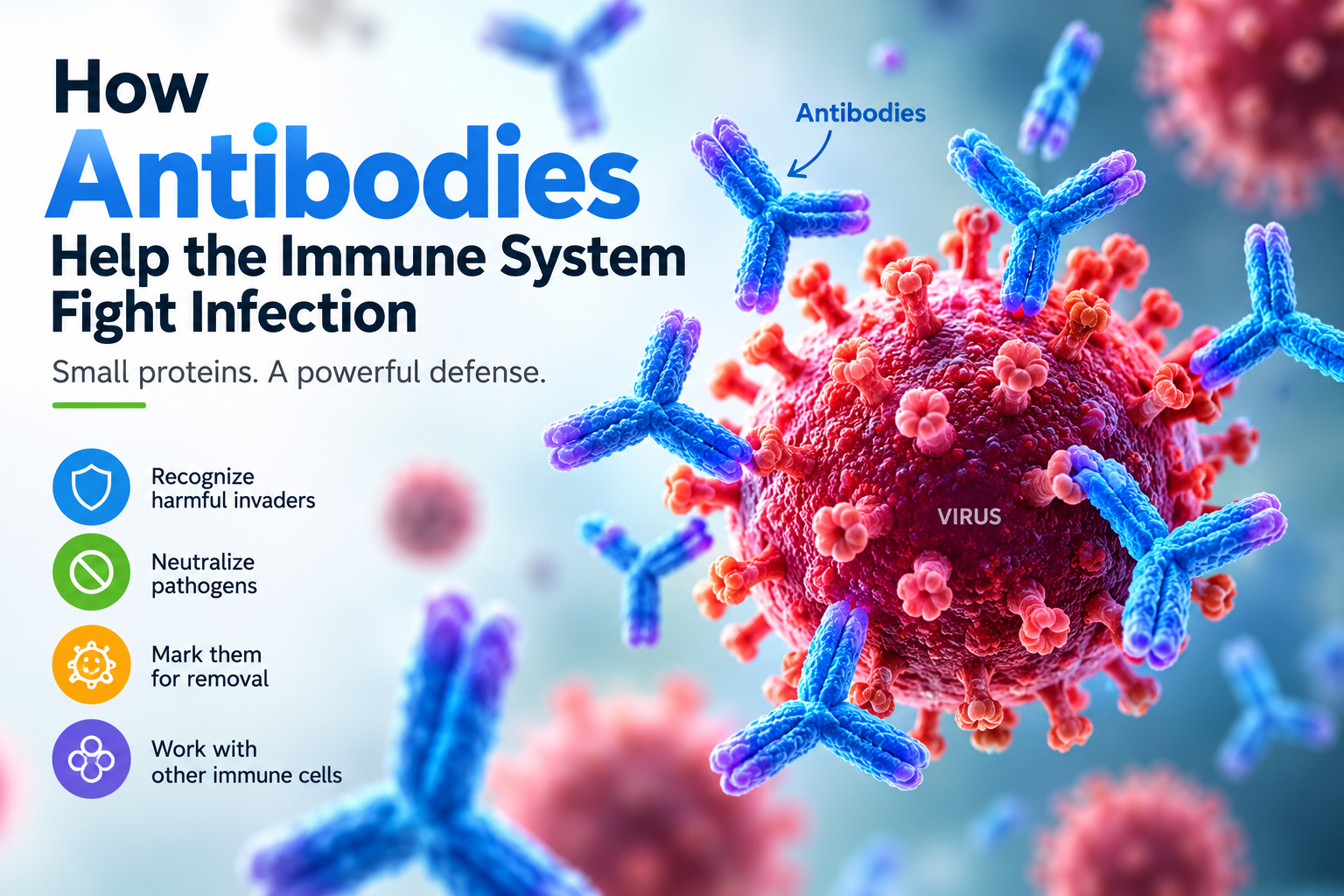
How Antibodies Help the Immune System Fight Infection
Understanding how antibodies work provides a clearer picture of why people develop immunity after certain infections or vaccinations and why the immune system can respond more effectively when it encounters a familiar pathogen again.
Read article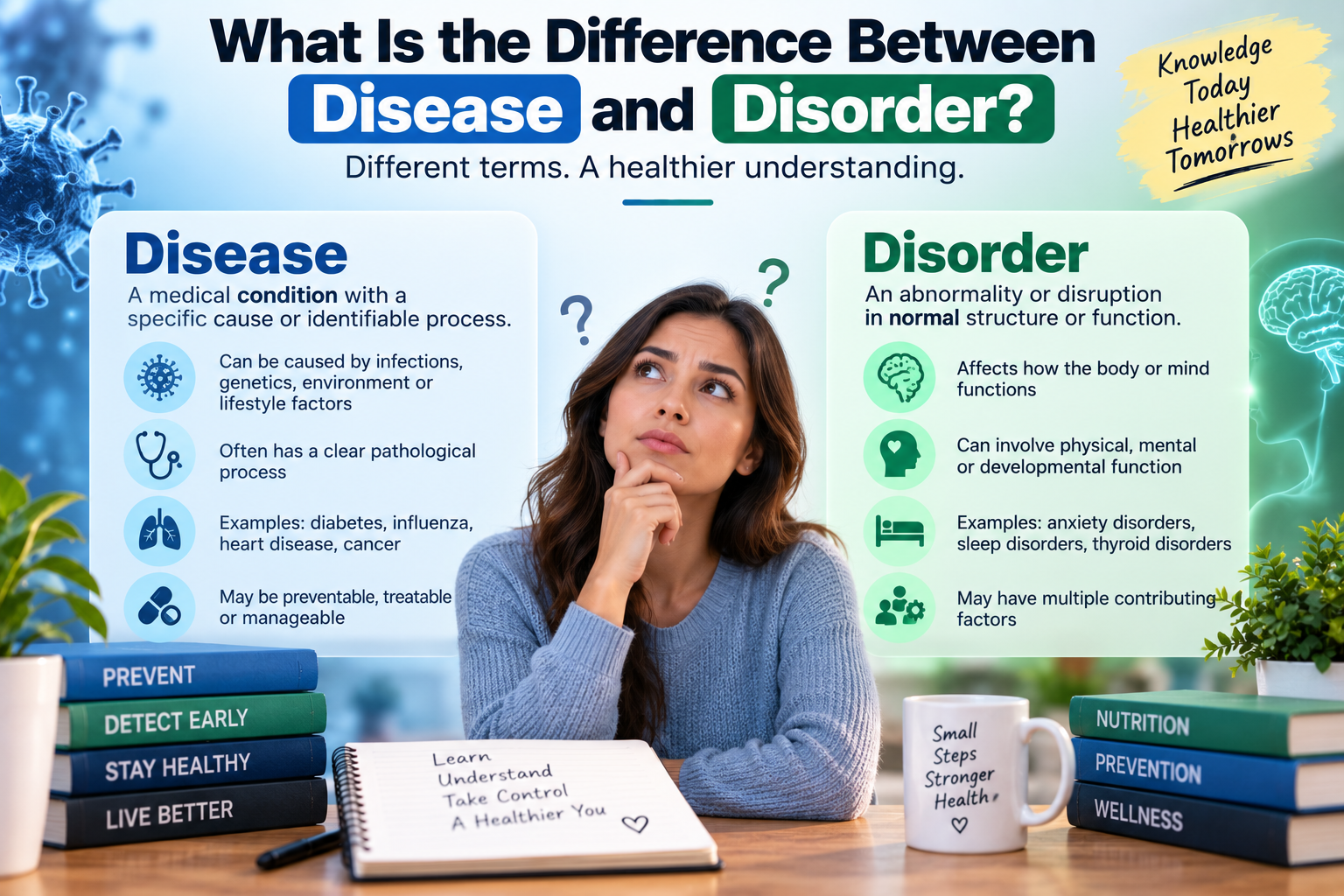
What Is the Difference Between Disease and Disorder
Understanding the distinction can make health information easier to interpret and help explain why doctors sometimes use one term rather than the other.
Read article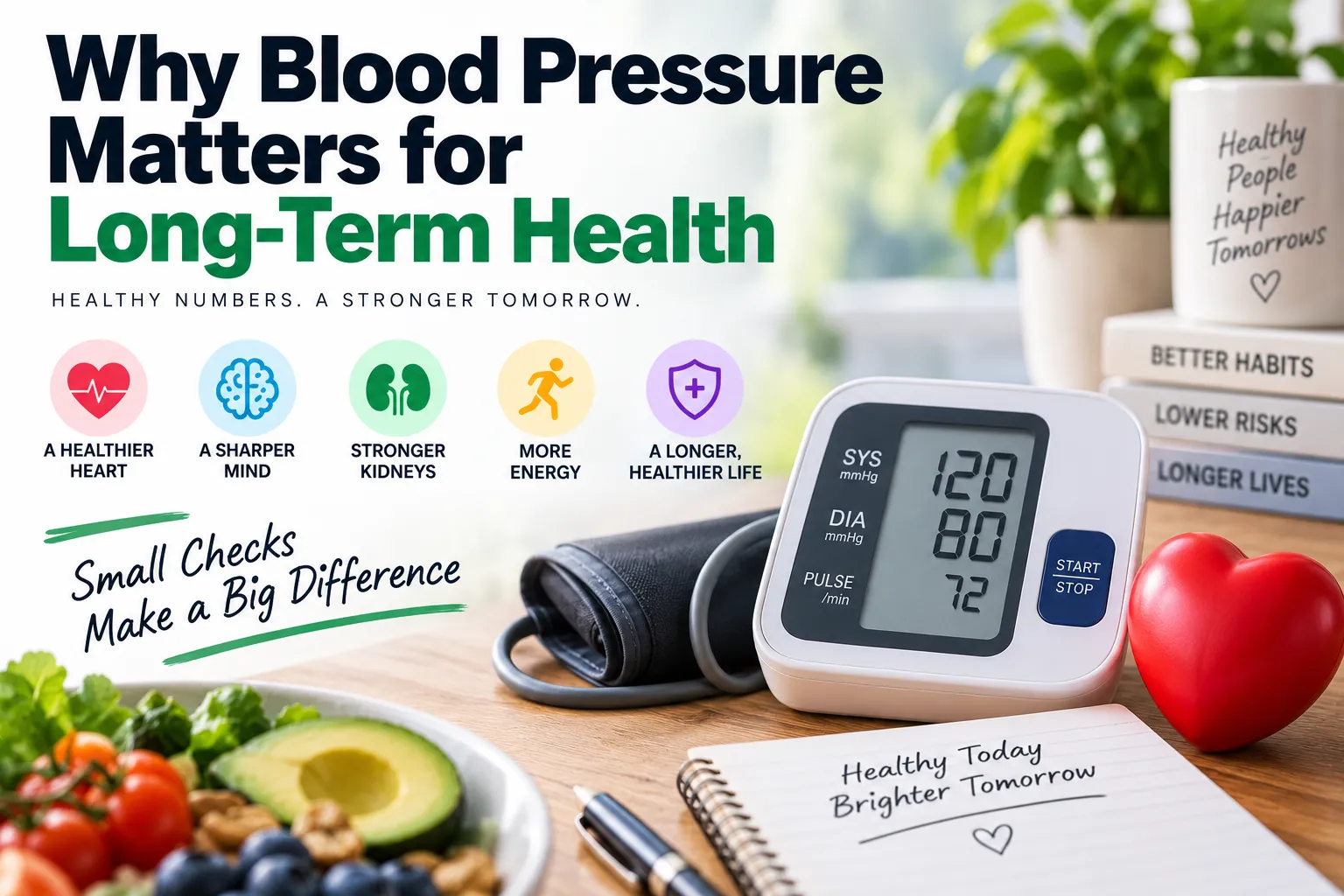
Why Blood Pressure Matters for Long-Term Health
Understanding why blood pressure matters can make it easier to recognize the importance of routine screening, healthy habits and appropriate treatment.
Read article

Join 10,000+ Readers Building Healthier Habits
Get actionable wellness tips every week plus our newest articles delivered straight to your inbox.