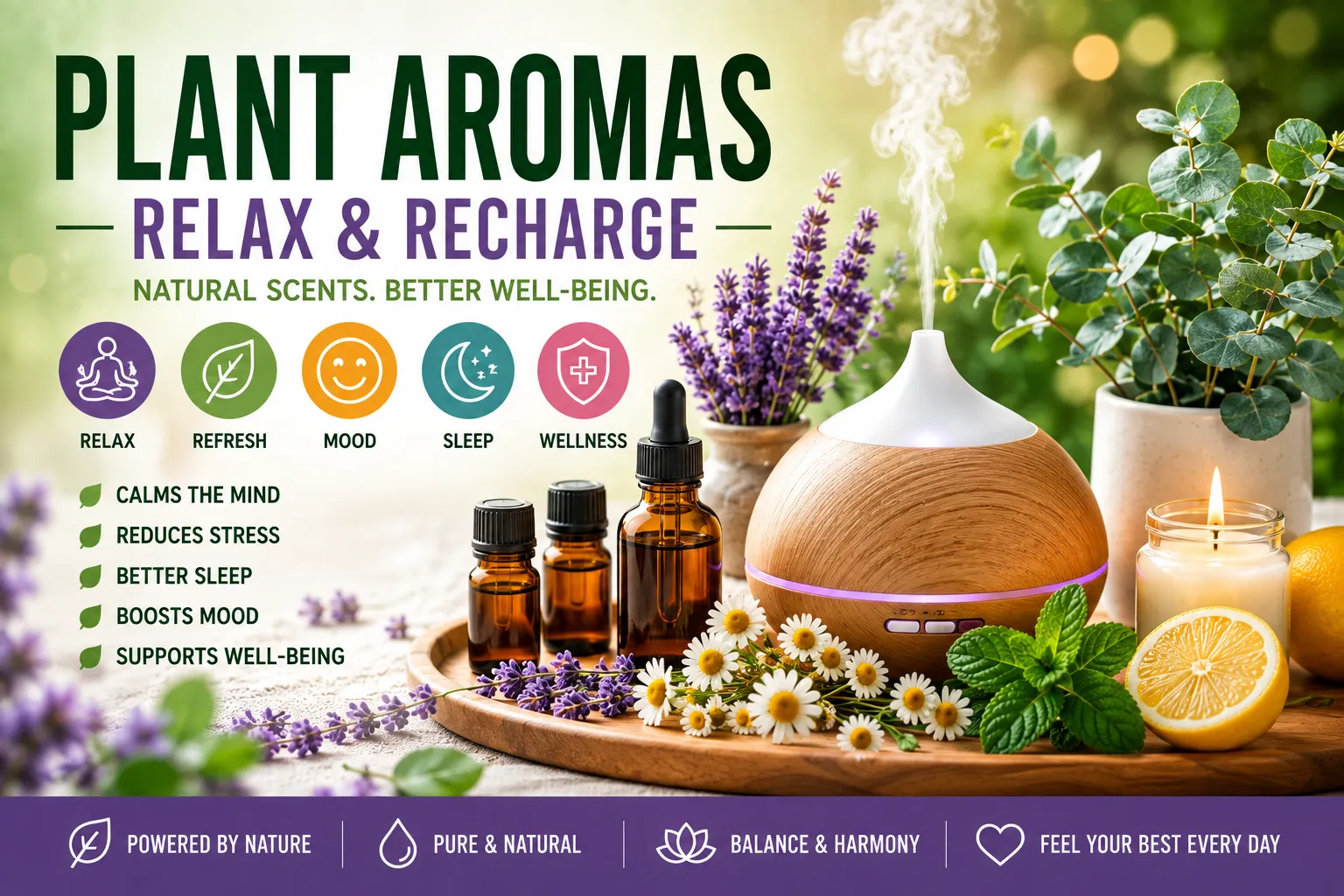

How Plant Aromas Are Used for Relaxation and Wellness
For centuries, people around the world have used fragrant plants to promote relaxation, improve mood, and create calming environments. From lavender fields in Europe to eucalyptus forests in Australia and traditional herbal practices in Asia, aromatic plants have long been valued for their pleasant scents and cultural significance. Today, plant-based aromas continue to play a popular role in wellness routines through essential oils, scented candles, diffusers, bath products, and massage therapies.
While many people enjoy these aromas as part of relaxation or self-care practices, it’s important to understand that plant fragrances are not substitutes for medical treatment. Current scientific evidence suggests that pleasant scents may help some individuals feel calmer or more relaxed, but their effects can vary from person to person.
This guide explores how plant aromas are used in wellness, common aromatic plants, potential benefits, safe practices, and what current research says.
What Are Plant Aromas?
Plant aromas are natural scents produced by flowers, leaves, bark, roots, seeds, fruits, and resins.
These fragrances come from naturally occurring compounds known as volatile aromatic compounds, which plants produce for purposes such as:
- Attracting pollinators
- Repelling insects
- Protecting against disease
- Communicating with other plants
Humans have appreciated these natural scents for thousands of years. Plant aromas are also one part of the broader category of botanical practices discussed in the complete guide to natural remedies and the evidence behind them.
What Is Aromatherapy?
Aromatherapy is a wellness practice that uses aromatic plant extracts—commonly known as essential oils—to create pleasant sensory experiences.
People often use aromatherapy during:
- Relaxation sessions
- Meditation
- Massage
- Baths
- Yoga
- Home fragrance
- Spa treatments
Rather than treating diseases directly, aromatherapy is generally used to support comfort, relaxation, and overall well-being.
For a broader look at essential oils, including their uses and precautions, see this essential oils guide.
How Our Sense of Smell Works
The human sense of smell is closely connected to the brain.
When aroma molecules enter the nose, they stimulate receptors that send signals to areas involved in:
- Memory
- Emotions
- Learning
- Mood
This close connection explains why certain scents can remind people of specific places, experiences, or emotions.
Popular Plant Aromas for Relaxation
Lavender
Lavender is one of the most widely recognized calming plant aromas.
People commonly enjoy its scent during:
- Evening relaxation
- Meditation
- Bedtime routines
- Spa treatments
Its floral fragrance is often associated with calm and comfort.
Chamomile
Chamomile has long been appreciated for its gentle, sweet aroma.
It is frequently used in:
- Herbal teas
- Relaxation blends
- Bath products
- Massage oils
Many people associate chamomile with peaceful routines. Herbal teas provide another way people incorporate aromatic plants into everyday wellness, as explored in the complete guide to herbal teas and infusions.
Eucalyptus
Eucalyptus offers a fresh, clean scent.
It is commonly used in:
- Steam rooms
- Shower products
- Diffusers
- Spa environments
Its refreshing aroma is popular for creating an invigorating atmosphere.
Peppermint
Peppermint provides a cool, crisp fragrance.
Many people use peppermint aromas to promote feelings of freshness and alertness during the day.
Lemon
Citrus aromas such as lemon are often associated with:
- Cleanliness
- Freshness
- Energy
- Positive mood
They are frequently used in homes, offices, and wellness spaces.
Rosemary
Rosemary has an herbaceous scent that many people find stimulating and refreshing.
It is often included in:
- Massage blends
- Hair care products
- Diffusers
- Herbal gardens
Sandalwood
Sandalwood has been used in cultural and spiritual traditions for centuries.
Its warm, woody fragrance is commonly enjoyed during:
- Meditation
- Yoga
- Quiet reflection
Common Ways Plant Aromas Are Used
People enjoy aromatic plants in many different ways.
Essential Oil Diffusers
Diffusers disperse aromatic molecules into indoor air.
They are commonly used in:
- Bedrooms
- Living rooms
- Offices
- Wellness studios
The specific type of essential oil, concentration, ventilation, and individual sensitivity can all affect the experience.
Candles
Scented candles create both fragrance and ambient lighting.
Many people enjoy them during:
- Reading
- Baths
- Meditation
- Evening relaxation
Bath Products
Bath salts, soaps, and bath oils often include botanical fragrances to enhance the bathing experience.
Massage
Massage therapists sometimes use diluted plant oils alongside massage techniques to create a relaxing environment.
Herbal Gardens
Simply spending time around fragrant plants may contribute to enjoyable outdoor experiences.
This can also overlap with broader traditional plant-based practices, although traditional use and scientific evidence are not necessarily the same thing. The distinction is explored further in traditional remedies versus modern research.
Potential Wellness Benefits
Many people report enjoying plant aromas because they may help support:
- Relaxation
- Stress reduction
- Mindfulness
- Better sleep routines
- Positive mood
- Comfortable environments
Individual experiences vary, and responses to scents are highly personal.
For people interested specifically in relaxation and bedtime routines, natural remedies for sleep and relaxation provides a broader look at approaches that may be incorporated alongside other healthy habits.
What Does Research Say?
Scientific research on aromatherapy continues to grow.
Some studies suggest certain aromas may contribute to:
- Temporary relaxation
- Reduced feelings of stress
- Improved comfort during wellness activities
However, evidence remains mixed, and plant aromas should not be viewed as treatments or cures for medical or mental health conditions.
Researchers continue studying:
- Different plant compounds
- Individual responses
- Long-term effects
- Best methods of use
Understanding the difference between traditional use, personal experience, and stronger scientific evidence is important when evaluating any natural wellness practice. The complete guide to natural remedies evidence provides broader context for evaluating these claims.
Safety Tips
Although plant aromas are generally enjoyed safely when used appropriately, some precautions are important.
Always:
- Follow product instructions.
- Keep essential oils away from children and pets.
- Avoid direct contact with eyes.
- Dilute essential oils before applying them to the skin unless otherwise directed.
- Use products in well-ventilated areas.
Some individuals may experience skin irritation or sensitivity to certain fragrances.
Because natural products can still cause unwanted effects or interact with other treatments, the natural remedies safety guide is useful when considering broader safety questions around plant-based wellness practices.
Choosing Quality Products
When purchasing aromatic products, consider:
- Clear ingredient labeling
- Reputable manufacturers
- Proper storage recommendations
- Fresh products
- Appropriate dilution guidance
Quality products help ensure a more consistent experience.
Aromas as Part of a Healthy Lifestyle
Plant aromas work best when combined with other healthy habits.
A balanced wellness routine may include:
- Regular exercise
- Nutritious eating
- Quality sleep
- Meditation
- Mindfulness
- Time outdoors
- Social connection
- Stress management techniques
Fragrance alone cannot replace these important lifestyle practices.
Common Myths About Plant Aromas
| Myth | Reality |
|---|---|
| Natural always means completely safe. | Natural products can still cause allergic reactions or irritation in some individuals. |
| Aromatherapy cures diseases. | Aromatherapy is generally used to support relaxation and wellness, not as a replacement for medical care. |
| One aroma works the same for everyone. | People respond differently to different scents. |
| More fragrance provides better results. | Stronger scents are not necessarily more effective or enjoyable. |
| Essential oils can be used without precautions. | Proper dilution and safe use are important. |
Frequently Asked Questions
What are plant aromas?
Plant aromas are natural fragrances produced by flowers, herbs, trees, fruits, and other plants through aromatic compounds.
What is aromatherapy?
Aromatherapy is a wellness practice that uses plant-based aromas, often through essential oils, to create relaxing and enjoyable sensory experiences.
Can plant aromas reduce stress?
Some people report feeling calmer when using pleasant fragrances, although scientific evidence varies and responses differ between individuals.
Are essential oils safe?
When used according to product instructions and appropriate safety guidelines, many essential oils can be enjoyed safely. However, they should be handled carefully and kept away from children and pets.
Can aromatherapy replace medical treatment?
No. Aromatherapy is considered a complementary wellness practice and should not replace professional medical advice, diagnosis, or treatment.
Making Plant Aromas Part of Everyday Wellness
Plant aromas have been appreciated for generations as part of relaxation, self-care, and wellness traditions around the world. Whether enjoyed through lavender in a diffuser, eucalyptus during a warm shower, citrus scents in the home, or sandalwood during meditation, natural fragrances can help create calming and enjoyable environments that support everyday well-being.
While research continues to explore the effects of aromatic plants, current evidence suggests they are best viewed as complementary wellness tools rather than medical treatments. Combined with healthy lifestyle habits such as regular exercise, balanced nutrition, quality sleep, and mindfulness, plant aromas can become a pleasant addition to a well-rounded approach to relaxation and emotional wellness.
Continue Reading
Similar Posts
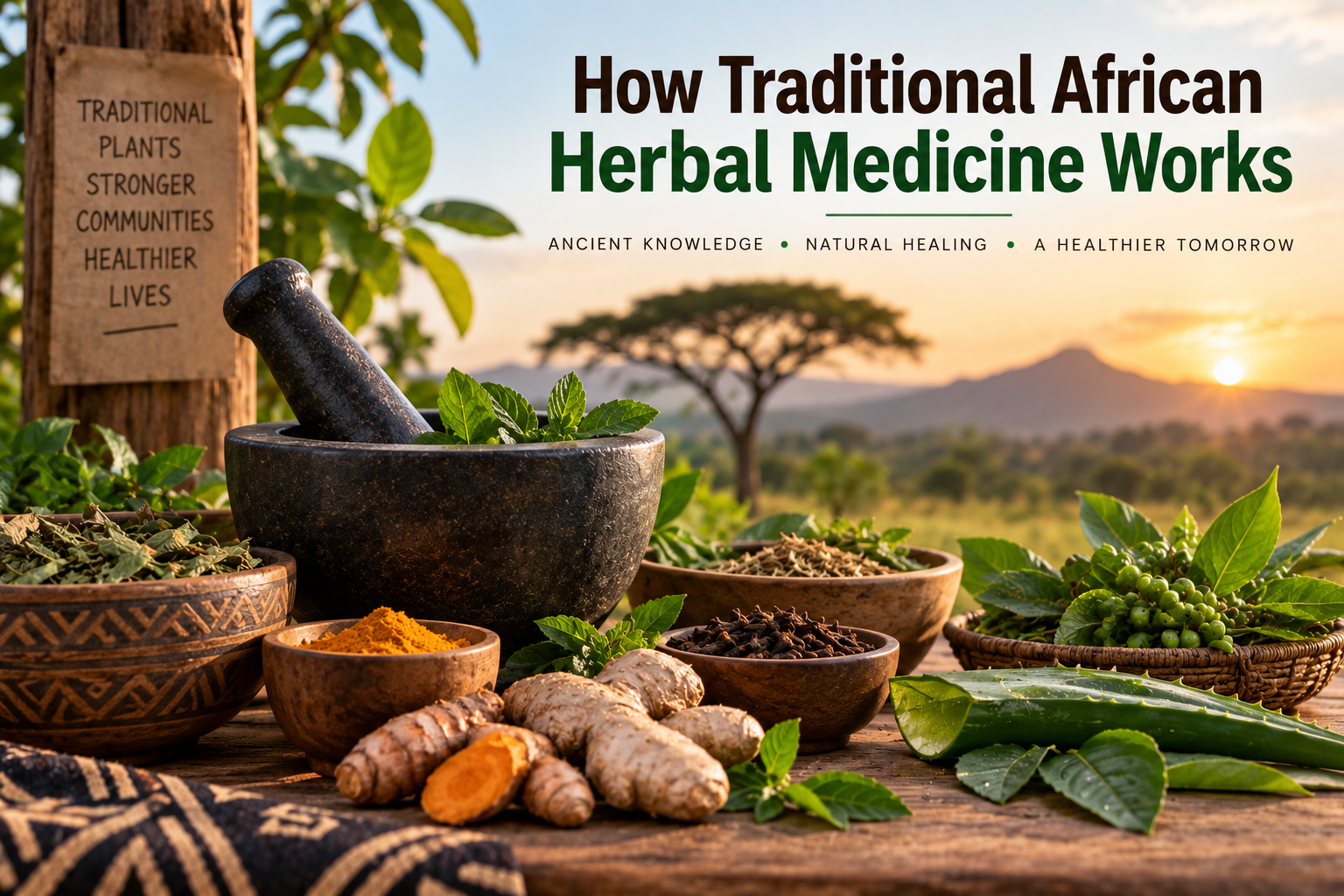
How Traditional African Herbal Medicine Works
Understanding how these remedies work requires looking at both traditional knowledge and modern scientific research. Some medicinal plants contain compounds with biological effects that researchers can study, while evidence for other traditional uses remains limited or uncertain.
Read article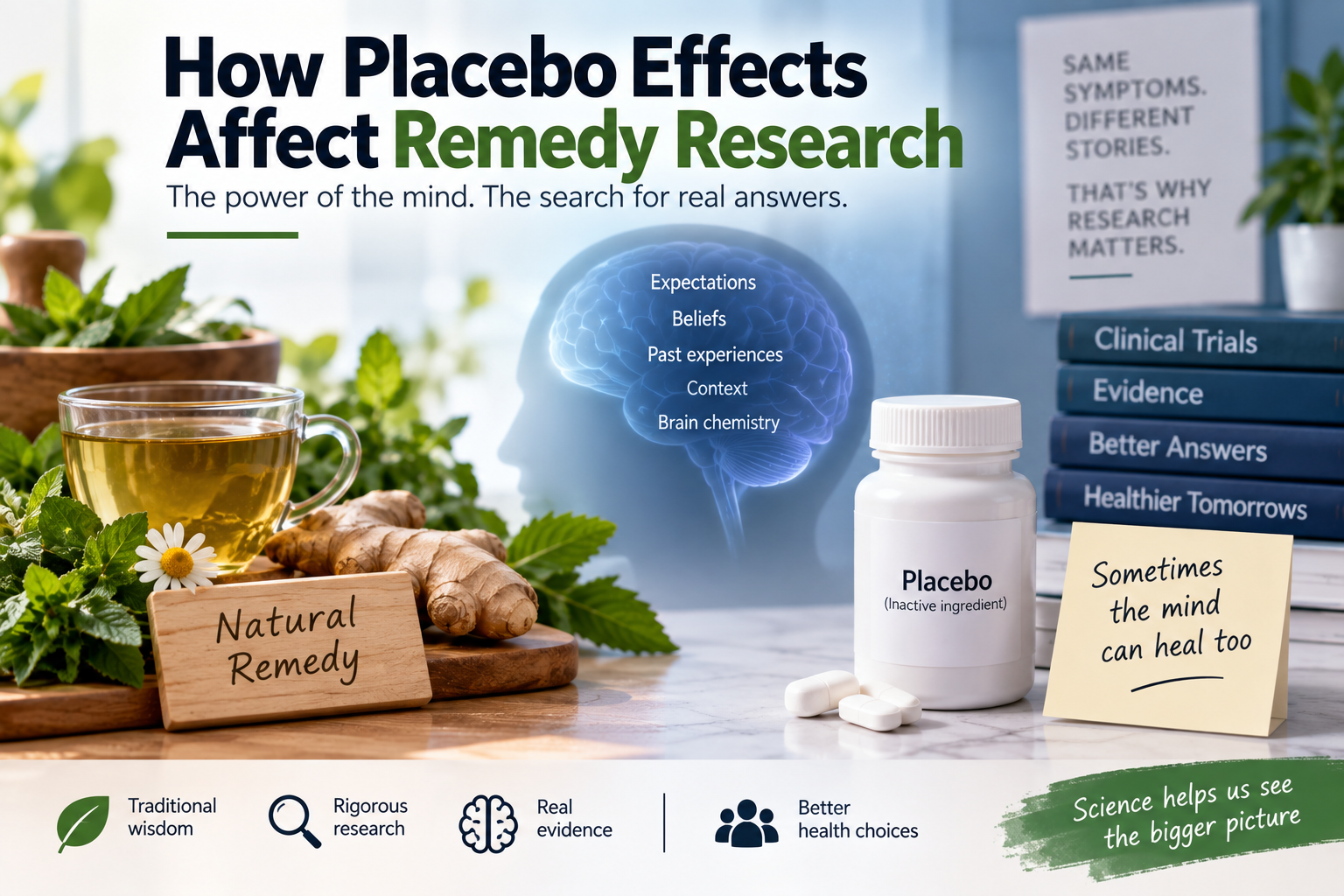
How Placebo Effects Affect Remedy Research
For natural remedies, this distinction can be particularly important. Many remedies have long histories of traditional use, and people may have strong expectations about their effectiveness. Carefully designed research is therefore needed to determine whether improvements are caused by the remedy, the context surrounding its use, natural changes in symptoms or some combination of factors
Read article
Are Natural Remedies Safe During Pregnancy
The safest approach is not to assume that a remedy is harmless simply because it is natural. Instead, its ingredients, dose, purpose, evidence, and potential risks should all be considered.
Read article

Join 10,000+ Readers Building Healthier Habits
Get actionable wellness tips every week plus our newest articles delivered straight to your inbox.