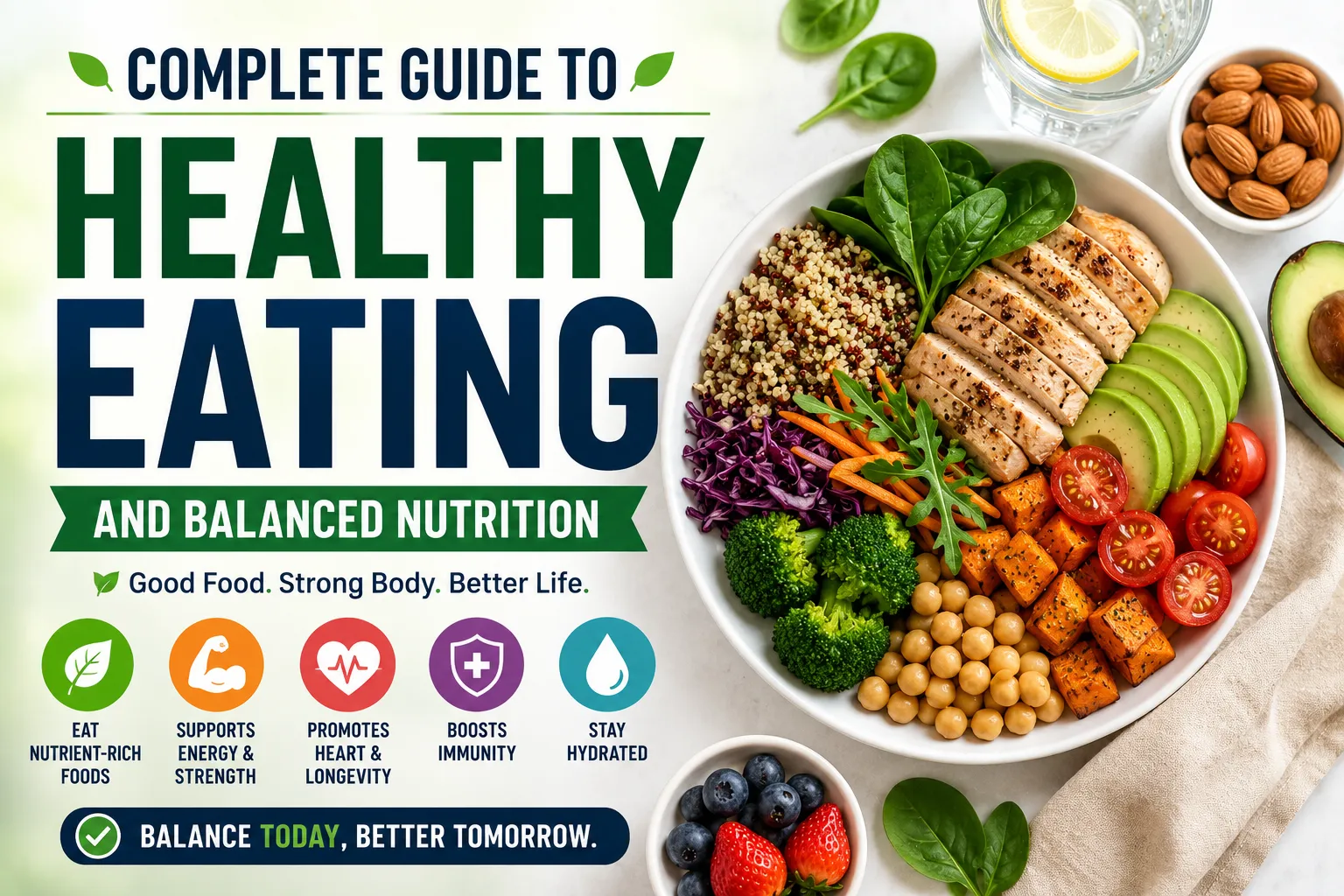

Complete Guide to Healthy Eating and Balanced Nutrition
Healthy eating is often presented as a complicated formula involving strict diets, calorie counting, superfoods and long lists of foods to avoid.
In reality, a healthy diet is much more straightforward.
The foundation is a varied, balanced and nutrient-dense eating pattern that provides enough energy, protein, healthy fats, carbohydrates, vitamins, minerals and fluids while limiting excessive amounts of nutrients and foods associated with poorer health outcomes.
The World Health Organization describes a healthy diet around four core principles: adequacy, balance, moderation and diversity. It also emphasizes that the ideal diet varies according to factors such as age, activity level, culture, available foods and individual health needs.
That means healthy eating doesn’t have to look identical from one person to another.
A balanced diet in Nairobi may look different from one in New York, Tokyo or London. A vegetarian diet can be balanced. A traditional diet can be balanced. A family meal can be balanced without being perfectly measured.
What matters most is the overall pattern.
What Is Healthy Eating?
Healthy eating means regularly choosing foods that provide the nutrients and energy your body needs while keeping less nutritious foods and potentially harmful dietary components in moderation.
A healthy eating pattern generally emphasizes:
- Vegetables
- Fruits
- Beans and other legumes
- Whole grains
- Nuts and seeds
- Fish and other nutritious protein sources
- Eggs and poultry where appropriate
- Dairy or suitable alternatives
- Healthy unsaturated fats
- Water and other appropriate beverages
At the same time, it limits excessive consumption of:
- Free sugars
- Highly processed foods high in sodium
- Saturated fat
- Industrial trans fat
- Excessive alcohol
- Highly sugary drinks
Minimally processed and unprocessed foods should form the foundation of a healthy diet.
Why Balanced Nutrition Matters
Food supplies the raw materials your body needs to function.
Nutrition supports:
- Energy production
- Muscle maintenance
- Bone health
- Brain function
- Immune function
- Hormone production
- Tissue repair
- Digestion
- Healthy growth and development
Over the long term, dietary patterns are also associated with the risk of chronic diseases.
Healthy eating is therefore not simply about controlling body weight.
It is about supporting the body’s overall health throughout life.
The Four Principles of a Healthy Diet
A useful way to understand healthy eating is through four principles.
1. Adequacy
Your diet should provide enough essential nutrients and energy to meet your body’s needs.
A diet can be low in calories but still nutritionally inadequate.
2. Balance
Different nutrients need to exist in appropriate proportions.
This includes balancing:
- Carbohydrates
- Protein
- Fat
- Energy intake
- Energy expenditure
3. Moderation
Some foods and nutrients can be part of a healthy diet but should not dominate it.
This is particularly relevant to:
- Added and free sugars
- Sodium
- Saturated fat
- Highly processed foods
4. Diversity
Eating a variety of foods makes it easier to obtain a broad range of nutrients.
Adequacy, balance, moderation and diversity are foundational characteristics of healthy diets.
Understanding the Major Nutrients
The body needs several types of nutrients.
The major macronutrients are:
- Carbohydrates
- Protein
- Fat
Micronutrients include:
- Vitamins
- Minerals
Water is also essential.
Each has a different role, and a healthy diet includes an appropriate balance rather than eliminating an entire nutrient category without a medical reason.
Carbohydrates Explained
Carbohydrates are an important source of energy.
They are found in foods such as:
- Whole grains
- Rice
- Maize
- Oats
- Potatoes
- Sweet potatoes
- Beans
- Lentils
- Fruits
- Vegetables
Not all carbohydrate sources have the same nutritional value.
Carbohydrates should primarily come from whole grains, vegetables, fruits and pulses.
Whole Grains vs. Refined Grains
Whole grains retain more of the grain’s original components.
Examples include:
- Oats
- Brown rice
- Whole-wheat bread
- Whole-grain pasta
- Barley
- Millet
- Whole maize
Refined grains have undergone processing that removes parts of the grain.
Examples include:
- White bread
- White rice
- Many refined-flour products
Refined grains aren’t automatically “bad,” but choosing whole-grain versions more often can increase dietary fiber and overall nutritional quality.
Why Fiber Matters
Dietary fiber supports digestive health and contributes to a healthy eating pattern.
Good sources include:
- Beans
- Lentils
- Fruits
- Vegetables
- Oats
- Whole grains
- Nuts
- Seeds
For a closer look at the relationship between protein-focused diets and fiber intake, see why people eating more protein may still need to pay attention to fiber.
Fiber intake should generally increase gradually if your current intake is low, particularly if you experience bloating or digestive discomfort.
Protein Explained
Protein is essential for:
- Muscle
- Skin
- Enzymes
- Hormones
- Immune function
- Tissue repair
Protein-rich foods include:
Animal Sources
- Fish
- Eggs
- Chicken
- Lean meats
- Milk
- Yogurt
- Cheese
Plant Sources
- Beans
- Lentils
- Chickpeas
- Peas
- Soy
- Tofu
- Nuts
- Seeds
You don’t need to rely on meat to obtain protein.
A varied diet containing legumes, grains, nuts, seeds and other plant foods can contribute substantial protein.
For a more detailed look at daily protein needs, see why the body needs protein every day.
How Much Protein Do You Need?
Protein requirements vary according to:
- Age
- Body size
- Activity level
- Pregnancy
- Growth
- Health status
- Muscle-building goals
People who are highly active, older adults, pregnant individuals and people recovering from certain illnesses may have different needs.
Rather than automatically adopting a very high-protein diet, consider your individual circumstances.
People with kidney disease or other medical conditions affecting protein requirements should seek individualized advice from a qualified healthcare professional.
The growing popularity of high-protein eating has also created a wider conversation about high-protein foods and changing consumer nutrition trends.
Dietary Fat Explained
Fat is an essential nutrient.
It helps:
- Provide energy
- Build cell membranes
- Support hormone production
- Absorb fat-soluble vitamins
- Support normal biological functions
The type of fat matters.
Favoring unsaturated fats over saturated and industrial trans fats can be part of a balanced eating pattern.
Healthy Sources of Unsaturated Fat
Examples include:
- Avocados
- Nuts
- Seeds
- Olive oil
- Canola oil
- Sunflower oil
- Soybean oil
- Fatty fish
These foods can fit into a balanced eating pattern.
Because fats are energy-dense, however, portion size still matters.
Saturated Fat
Saturated fat is found in foods including:
- Fatty meats
- Butter
- Ghee
- Cream
- Some cheeses
- Palm oil
- Coconut oil
Keeping saturated fat at moderate levels and replacing some saturated fat with unsaturated fats or fiber-rich carbohydrate sources can support a healthier overall eating pattern.
This doesn’t mean that one food containing saturated fat makes a diet unhealthy.
The overall dietary pattern matters.
Trans Fat
Industrial trans fats are particularly important to limit.
They can occur in some:
- Fried foods
- Baked goods
- Packaged snacks
- Shortenings
- Partially hydrogenated oils
Industrial trans fats should be avoided where possible.
Vitamins and Minerals
Vitamins and minerals are micronutrients needed in relatively small quantities but perform important functions.
Examples include:
- Vitamin A
- B vitamins
- Vitamin C
- Vitamin D
- Vitamin E
- Vitamin K
- Calcium
- Iron
- Magnesium
- Zinc
- Potassium
- Iodine
The best general strategy is to obtain these nutrients from a varied diet.
However, some people may require supplementation because of medical conditions, dietary restrictions, life stages or documented deficiencies.
Why Food Variety Matters
No single food provides everything the body needs.
Eating a wide variety of foods makes it more likely that your diet will provide different nutrients.
For example:
Beans provide protein, fiber and minerals.
Leafy vegetables provide vitamins, minerals and plant compounds.
Whole grains provide carbohydrates and fiber.
Fish can provide protein and beneficial fatty acids.
Fruit provides carbohydrates, fiber, vitamins and other plant compounds.
Combining foods creates nutritional diversity.
Building a Balanced Plate
One simple approach is to think about the overall composition of a meal rather than obsessing over individual nutrients.
A useful visual framework is to make roughly half the plate vegetables and fruit, one-quarter whole grains and one-quarter healthy protein, alongside healthy plant oils in moderation.
This is a visual framework, not a rigid prescription.
Your meals don’t need to look exactly like a diagram.
A Practical Balanced Meal Formula
A useful everyday framework is:
Vegetables or fruit + protein + high-quality carbohydrate + healthy fat
For example:
Breakfast
Oats + yogurt + berries + nuts
Lunch
Beans + brown rice + vegetables + avocado
Dinner
Fish + sweet potato + leafy vegetables + a small amount of healthy oil
Snack
Fruit + yogurt
This approach can be adapted to different cuisines and budgets.
Fruits and Vegetables
Fruits and vegetables are central to healthy eating.
They provide:
- Fiber
- Vitamins
- Minerals
- Water
- Plant compounds
People over age 10 are generally encouraged to aim for at least 400 grams of fruits and vegetables per day, while specific needs differ for younger children.
Fresh isn’t the only option.
Frozen and canned fruits and vegetables can also be nutritious choices, particularly when products don’t contain excessive added sugar or sodium.
Eat a Variety of Colors
Different fruits and vegetables contain different combinations of nutrients and plant compounds.
Instead of eating the same vegetable every day, rotate among:
- Green vegetables
- Orange vegetables
- Red vegetables
- Purple vegetables
- Yellow vegetables
- White vegetables
Variety is more important than chasing one particular “superfood.”
Legumes Deserve More Attention
Beans, lentils, peas and chickpeas are nutritional powerhouses.
They can provide:
- Protein
- Fiber
- Iron
- Folate
- Other minerals
They can also be affordable compared with many animal-based protein sources.
Examples include:
- Kidney beans
- Black beans
- Green grams
- Lentils
- Chickpeas
- Cowpeas
- Pigeon peas
- Soybeans
Legumes can form the foundation of many healthy meals.
Nuts and Seeds
Nuts and seeds can provide:
- Unsaturated fats
- Protein
- Fiber
- Minerals
Examples include:
- Peanuts
- Almonds
- Cashews
- Walnuts
- Pumpkin seeds
- Sunflower seeds
- Chia seeds
- Sesame seeds
Because they are energy-dense, modest portions can be enough.
Choosing Better Carbohydrates
Instead of asking:
“Are carbohydrates bad?”
ask:
“What kind of carbohydrates am I eating?”
A diet containing:
- Whole grains
- Beans
- Fruits
- Vegetables
is nutritionally different from one dominated by:
- Sugary drinks
- Candy
- Refined pastries
- Highly processed snacks
Carbohydrate quality matters more than simply focusing on the total amount of carbohydrate.
Sugar and Healthy Eating
Sugar occurs naturally in many foods.
Fruit, for example, contains naturally occurring sugars along with fiber and micronutrients.
The greater concern is free sugars.
Free sugars include sugars added to foods and drinks, as well as sugars naturally present in honey, syrups and fruit juices.
Limiting free sugars to a moderate proportion of total energy intake can support a healthier dietary pattern.
Sugary Drinks Are Easy to Overlook
Soft drinks, sweetened juices, energy drinks and other sugary beverages can provide substantial amounts of sugar without making you feel as full as solid foods.
For many people, reducing sugary drinks is one of the simplest ways to improve overall diet quality.
What About Fruit Juice?
Fruit juice can contain vitamins and minerals, but it can also contain significant amounts of free sugars.
Whole fruit generally provides more fiber and requires more chewing, making it an easy choice for everyday eating.
Salt and Sodium
Sodium is an essential mineral, but excessive sodium intake can contribute to high blood pressure.
Adults are generally advised to consume less than 5 grams of salt per day, equivalent to less than about 2 grams of sodium.
Much of the sodium people consume can come from processed and prepared foods rather than the salt shaker alone.
Common sources can include:
- Processed meats
- Salty snacks
- Instant foods
- Sauces
- Stock cubes
- Packaged foods
How to Reduce Salt Without Losing Flavor
Instead of relying heavily on salt, experiment with:
- Garlic
- Ginger
- Lemon
- Lime
- Herbs
- Spices
- Chili
- Black pepper
- Vinegar
Cooking from basic ingredients can also make it easier to control sodium.
Water and Hydration
Water is essential for life.
It supports:
- Temperature regulation
- Digestion
- Circulation
- Normal cellular functions
- Waste removal
Fluid requirements vary according to:
- Climate
- Exercise
- Body size
- Pregnancy
- Diet
- Illness
People living in hot climates or exercising heavily may need more fluid than someone living in a cool environment with low physical activity.
How to Tell If You’re Drinking Enough
Thirst can provide useful information, but fluid needs vary.
Practical habits include:
- Carrying water
- Drinking with meals
- Drinking during exercise
- Drinking more in hot weather
- Replacing fluids after substantial sweating
People with heart, kidney or other medical conditions may have specific fluid restrictions and should follow their healthcare team’s advice.
Healthy Eating Does Not Mean Eating Perfectly
One of the biggest misconceptions about nutrition is that every meal must be perfectly healthy.
It doesn’t.
A healthy eating pattern can include occasional:
- Cake
- Pizza
- Fries
- Chocolate
- Restaurant meals
- Desserts
The important question is what happens most of the time.
A balanced diet is a pattern, not a single meal.
The 80/20 Idea: Useful but Not a Rule
Some people use an informal “80/20” approach:
- Mostly nutritious foods
- Some room for less nutritious choices
This isn’t an official medical formula.
Its value is psychological: it can help people avoid an all-or-nothing mentality.
You don’t need to abandon a healthy diet because you ate a dessert.
Portion Sizes Matter
Even nutritious foods can contribute excessive energy when eaten in very large amounts.
At the same time, portions should not be unnecessarily restrictive.
A practical approach is to consider:
- Hunger
- Fullness
- Activity level
- Food type
- Individual nutritional needs
Rather than relying on one universal portion size, learn to adjust portions to your circumstances.
Mindful Eating
Mindful eating means paying attention to the experience of eating rather than automatically consuming food.
It can involve:
- Eating more slowly
- Paying attention to hunger
- Noticing fullness
- Reducing distractions
- Enjoying flavors and textures
Mindful eating isn’t a magic weight-loss technique.
But becoming more aware of eating habits can help some people make more deliberate food choices.
Meal Planning Makes Healthy Eating Easier
Healthy eating becomes much easier when nutritious food is available.
A simple weekly plan can include:
Proteins
- Beans
- Eggs
- Fish
- Chicken
- Lentils
- Yogurt
Carbohydrates
- Oats
- Brown rice
- Whole-grain bread
- Potatoes
- Sweet potatoes
- Whole maize
Vegetables
- Spinach
- Kale
- Carrots
- Tomatoes
- Cabbage
- Broccoli
Fruits
- Bananas
- Apples
- Oranges
- Mangoes
- Berries
Healthy fats
- Avocado
- Nuts
- Seeds
- Plant oils
The specific foods can be adapted to local availability and budget.
Create a Healthy Grocery List
A practical grocery list can follow the same categories.
Produce
Choose several fruits and vegetables.
Protein
Choose a mixture of animal and/or plant proteins.
Whole Grains
Choose oats, whole-grain bread, brown rice or other whole grains.
Healthy Fats
Choose nuts, seeds, avocado and appropriate cooking oils.
Pantry Basics
Stock beans, lentils, spices and other nutritious staples.
Planning before shopping reduces the likelihood of relying on convenience foods when you’re hungry.
Healthy Eating on a Budget
Healthy food doesn’t have to mean expensive specialty products.
Affordable nutritious options can include:
- Beans
- Lentils
- Eggs
- Oats
- Seasonal vegetables
- Seasonal fruit
- Whole maize
- Potatoes
- Sweet potatoes
- Groundnuts
- Plain yogurt
For more practical strategies, see this guide to healthy eating on a limited budget.
Frozen and canned produce can also be useful when fresh produce is unavailable or expensive, provided you choose options without excessive added sugar or sodium.
Buy Foods in Season
Seasonal foods can sometimes offer better prices and freshness.
Instead of building a healthy diet around expensive imported foods, focus on locally available staples.
Healthy eating can be adapted to virtually any cuisine.
Home Cooking and Nutrition
Cooking at home provides greater control over:
- Salt
- Sugar
- Cooking oils
- Portion sizes
- Ingredients
It doesn’t mean every meal needs to be elaborate.
Simple meals can be highly nutritious.
For example:
Beans + vegetables + whole grain + avocado
is a nutritionally useful meal without requiring complicated preparation.
Healthier Cooking Methods
Cooking methods can influence the nutritional quality and energy content of meals.
Useful methods include:
- Steaming
- Boiling
- Baking
- Grilling
- Roasting
- Stir-frying with modest amounts of oil
Steaming and boiling can be useful alternatives to frying when trying to reduce added fat.
What Are Highly Processed Foods?
Processing itself isn’t automatically unhealthy.
Many nutritious foods are processed in some way.
For example:
- Pasteurized milk
- Frozen vegetables
- Canned beans
- Whole-grain bread
The concern is more about dietary patterns dominated by highly processed foods that are high in:
- Sodium
- Free sugars
- Unhealthy fats
- Calories
Highly processed foods have become a major subject of nutrition policy and research. Readers interested in this developing area can explore new nutrition policies targeting ultra-processed foods.
Do You Need to Avoid Processed Foods Completely?
No.
That would be unrealistic for many people.
Instead, focus on the overall balance.
For example, canned beans can be an extremely convenient and nutritious food.
If canned beans contain substantial sodium, rinsing them can help reduce some of the surface salt.
Similarly, frozen vegetables can be a practical way to increase vegetable intake.
The goal is not “processed versus unprocessed.”
The goal is nutritional quality and dietary balance.
The way foods are classified can also influence how consumers understand healthy eating, which is explored in the debate over how healthy diets should be judged.
Organic vs. Conventional Food
Choosing organic food is a personal decision for many consumers.
However, a healthy diet doesn’t require every food to be organic.
If buying organic food makes a healthy diet financially unrealistic, conventional fruits and vegetables can still form an important part of a nutritious eating pattern.
Eating more vegetables and fruit is generally more important than focusing exclusively on the organic label.
Supplements vs. Food
Supplements can be useful in certain situations.
Examples may include:
- Documented nutrient deficiencies
- Certain stages of pregnancy
- Some restricted diets
- Specific medical conditions
But supplements aren’t a replacement for a varied diet.
A multivitamin cannot reproduce everything found in whole foods.
People taking medications or managing medical conditions should discuss supplements with a qualified healthcare professional because some supplements can interact with medicines.
Should Everyone Take a Multivitamin?
No.
Whether a multivitamin is useful depends on the individual.
Someone with a varied diet may have little need for supplementation.
Another person may require targeted supplementation because of a nutritional deficiency or medical circumstance.
More isn’t necessarily better.
Some vitamins and minerals can be harmful in excessive amounts.
Healthy Eating for Weight Management
Healthy eating can support weight management, but weight isn’t determined by food alone.
Other factors include:
- Physical activity
- Sleep
- Genetics
- Medications
- Stress
- Medical conditions
- Environment
- Food access
A nutritious diet can support healthy body weight without requiring extreme restriction.
Nutrition is also changing for people using medications that influence appetite and weight, making GLP-1 drugs and diet an increasingly relevant part of the wider nutrition conversation.
Calories Still Matter
Calories are a measure of energy.
The body uses energy for:
- Basic physiological functions
- Movement
- Digestion
- Exercise
- Maintaining body temperature
Weight changes are influenced by the relationship between energy intake and expenditure over time.
However, focusing exclusively on calories can overlook food quality.
Two diets containing the same number of calories can have very different amounts of:
- Protein
- Fiber
- Vitamins
- Minerals
- Added sugar
- Sodium
- Healthy fats
That is why both quantity and quality matter.
Healthy Eating and Physical Activity
Nutrition and physical activity work together.
Regular physical activity can support:
- Cardiovascular health
- Muscle strength
- Bone health
- Physical function
- Mental wellbeing
A healthy diet cannot replace movement, and exercise cannot completely compensate for a consistently poor diet.
Together, they form important parts of a healthy lifestyle.
Healthy Eating for Children
Children have different nutritional requirements because they’re growing.
Their diets need to provide sufficient:
- Energy
- Protein
- Fat
- Vitamins
- Minerals
Healthy eating habits established during childhood can influence dietary patterns later in life.
Children should receive diverse, safe and nutrient-dense foods appropriate to their developmental stage alongside continued breastfeeding where applicable.
Parents should avoid unnecessarily restrictive diets for children unless recommended by an appropriate healthcare professional.
Healthy Eating During Pregnancy
Pregnancy increases the importance of adequate nutrition.
Nutritional needs change during pregnancy, including requirements for certain vitamins and minerals.
Pregnant individuals should receive personalized guidance from an appropriate healthcare professional, particularly regarding:
- Folic acid
- Iron
- Iodine
- Vitamin D
- Calcium
- Food safety
- Weight gain
Pregnancy isn’t the time for aggressive dieting or unnecessary food restriction.
Healthy Eating for Older Adults
Older adults may face changing nutritional needs and appetite.
Factors such as:
- Reduced appetite
- Dental problems
- Medication effects
- Reduced activity
- Changes in muscle mass
can influence nutrition.
Protein-rich foods, fruits, vegetables, whole grains and adequate fluids remain important, with adjustments based on individual health needs.
Vegetarian and Vegan Diets
Plant-based diets can be nutritionally adequate when appropriately planned.
Important nutrients to pay attention to can include:
- Protein
- Iron
- Vitamin B12
- Calcium
- Vitamin D
- Zinc
- Iodine
- Omega-3 fatty acids
Vitamin B12 deserves particular attention in vegan diets because reliable sources are generally fortified foods or supplements.
People following restrictive diets may benefit from working with a registered dietitian or qualified nutrition professional.
What About Gluten-Free Eating?
Gluten-free diets are essential for people with conditions such as celiac disease.
For people without a medical reason to avoid gluten, however, eliminating gluten doesn’t automatically make a diet healthier.
Some gluten-free packaged foods can contain substantial amounts of:
- Added sugar
- Sodium
- Saturated fat
A healthy gluten-free diet should still emphasize naturally nutritious foods such as fruits, vegetables, beans, nuts, seeds and appropriately chosen whole grains that do not contain gluten.
Common Healthy Eating Myths
Myth 1: Healthy Food Must Be Expensive
Not necessarily.
Beans, lentils, oats, eggs and seasonal produce can be relatively affordable.
Myth 2: Carbohydrates Are Unhealthy
The type of carbohydrate matters.
Whole grains, beans, fruits and vegetables can be important parts of a healthy diet.
Myth 3: Fat Makes You Fat
Dietary fat is essential.
The type and amount matter.
Myth 4: You Must Eliminate Sugar Completely
A healthy diet can include occasional sweet foods.
The goal is to limit excessive free sugar.
Myth 5: You Need Superfoods
No single food is required for good health.
Overall dietary patterns matter more.
Myth 6: Healthy Eating Means Never Eating Fast Food
Occasional restaurant or fast-food meals can fit into an otherwise balanced dietary pattern.
Myth 7: Detox Diets Clean Your Body
Your body already has sophisticated systems involving organs such as the liver and kidneys that process and eliminate waste.
Extreme detox diets are not necessary for routine “cleansing.”
Common Healthy Eating Mistakes
Trying to Change Everything at Once
Small sustainable changes often work better than an extreme overhaul.
Not Eating Enough Protein
Especially when meals are dominated by refined carbohydrates.
Drinking Too Many Sugary Beverages
Liquid calories can add up quickly.
Ignoring Vegetables
A diet can appear healthy while still being low in vegetables and fiber.
Relying Too Heavily on Supplements
Supplements don’t replace food variety.
Following Someone Else’s Diet Exactly
Your nutritional needs may differ from theirs.
Labeling Foods as Completely Good or Bad
Healthy eating is about patterns, not moral judgments about individual foods.
How to Read a Nutrition Label
Nutrition labels can help consumers compare products.
Pay attention to:
- Serving size
- Calories
- Protein
- Fiber
- Saturated fat
- Sodium
- Added sugars
- Ingredient list
Don’t focus on one number in isolation.
A cereal containing more calories may still be nutritionally preferable if it provides significantly more fiber and less added sugar.
Technology is also changing how people track what they eat, including AI food tracking apps and their potential calorie-estimation limitations.
Ingredients Lists Can Tell You a Lot
Ingredients are generally listed in descending order by weight.
If sugar, refined flour or certain fats appear near the beginning of a product’s ingredient list, that can provide useful context.
However, the presence of unfamiliar ingredients doesn’t automatically mean a product is unhealthy.
Nutrition is more complicated than judging a food solely by whether you recognize every ingredient.
How to Build Better Eating Habits
Healthy eating becomes easier when you create systems rather than relying entirely on willpower.
Try:
- Keeping fruit visible
- Preparing vegetables ahead of time
- Cooking larger batches
- Keeping healthy snacks available
- Drinking water regularly
- Planning meals
- Shopping with a list
- Eating at regular times when appropriate
- Learning a few simple recipes
The environment around you can influence your choices.
Start With One Change
You don’t need to transform your entire diet tomorrow.
Choose one improvement.
For example:
Week 1: Add one serving of vegetables each day.
Week 2: Replace one sugary drink with water.
Week 3: Add beans or lentils to several meals.
Week 4: Replace some refined grains with whole grains.
Small improvements can accumulate into meaningful changes over time.
A Simple Seven-Day Healthy Eating Framework
Rather than prescribing a rigid menu, use this structure.
Every Day
Aim to include:
- Vegetables
- Fruit
- A protein source
- A high-quality carbohydrate
- Some healthy fat
- Adequate fluids
Several Times Per Week
Rotate among:
- Beans
- Lentils
- Fish
- Eggs
- Nuts
- Seeds
- Whole grains
Less Often
Keep foods high in:
- Free sugars
- Sodium
- Saturated fat
- Industrial trans fat
as smaller parts of the overall diet.
This flexible framework is easier to maintain than a highly restrictive meal plan.
An Example Balanced Day
Breakfast
Oatmeal topped with banana, plain yogurt and a small serving of nuts.
Lunch
Bean and vegetable stew with brown rice or whole maize and avocado.
Snack
Fresh fruit and yogurt.
Dinner
Grilled fish or beans with sweet potatoes and a large serving of vegetables.
Drinks
Mostly water, with unsweetened tea or coffee if desired.
This is simply an example.
The appropriate food choices and portions will vary from person to person.
Making Healthy Eating Sustainable
The healthiest diet is one you can realistically follow for years.
Ask yourself:
- Can I afford these foods?
- Can I prepare them regularly?
- Do I enjoy eating them?
- Do they fit my culture?
- Do they work with my schedule?
- Can I maintain this pattern when traveling?
- Does the diet provide enough nutrition?
If the answer to most of these questions is no, the plan probably needs to be simplified.
Food Safety Is Part of Healthy Nutrition
A nutritious meal can still make someone sick if it isn’t prepared or stored safely.
Basic food-safety practices include:
- Washing hands
- Keeping raw and cooked foods separate
- Cooking foods thoroughly
- Refrigerating perishable foods appropriately
- Using safe drinking water
- Washing produce appropriately
- Avoiding contaminated foods
A healthy diet must also be safe, meaning it should be free from harmful microbial and chemical contamination.
When Nutrition Advice Should Be Personalized
General healthy-eating principles are useful, but some people need individualized nutrition advice.
This can include people with:
- Diabetes
- Kidney disease
- Liver disease
- Heart disease
- Food allergies
- Celiac disease
- Gastrointestinal disorders
- Eating disorders
- Pregnancy
- Significant nutrient deficiencies
Children and older adults may also have specialized nutritional needs.
If you have a medical condition or take prescription medications, speak with an appropriate healthcare professional before making major dietary changes.
Food ingredients and additives can also raise questions about individual safety and dietary exposure, including ongoing discussions around food additive reviews and ingredient safety.
Food Labels, Ingredients and Changing Nutrition Policies
Consumers increasingly encounter nutrition information through food labels, public-health recommendations and changing regulatory policies.
Questions about how foods should be classified can influence how people interpret healthy eating. For example, discussions about ultra-processed food definitions and how they may reshape perceptions of healthy eating show why food classification is an evolving area.
Ingredient regulation can also affect what appears on supermarket shelves. Readers interested in that issue can explore proposed food ingredient rules and what GRAS changes could mean for consumers.
Nutrition Research and Individual Food Choices
Nutrition research continues to examine how individual foods and dietary patterns may affect health.
For example, research into dairy foods continues to examine whether full-fat dairy is actually unhealthy, while other studies investigate how food ingredients and preservatives may relate to cardiovascular health.
These questions illustrate why individual foods should generally be considered within the context of an overall dietary pattern rather than treated as automatically “healthy” or “unhealthy.”
GLP-1 Medications and Changing Nutrition Needs
Medications that affect appetite and body weight have introduced new questions about nutrition.
People using GLP-1 medications may need to pay particular attention to maintaining adequate protein, fiber, fluids and overall nutrient intake while eating less.
The broader nutrition industry is also adapting, with increasing attention to how GLP-1 drugs are creating new nutrition products and services focused on protein and nutrient intake.
Individual nutritional needs while taking medication should be discussed with an appropriate healthcare professional.
Food Warning Labels and Consumer Nutrition
Nutrition labeling systems vary between countries.
Some governments have explored or implemented warning labels intended to help consumers identify foods high in nutrients such as sugar, salt or saturated fat.
These approaches reflect a broader effort to make nutrition information easier to understand at the point of purchase. One example is India’s food warning-label debate.
Regardless of the labeling system, consumers benefit from looking at the overall nutritional profile of a food rather than relying on a single label or marketing claim.
The Bottom Line on Balanced Nutrition
Healthy eating doesn’t require perfection, expensive ingredients or an endless list of forbidden foods.
The strongest foundation is remarkably consistent: eat a variety of nutritious foods, emphasize vegetables, fruits, legumes and whole grains, include adequate protein, choose healthier unsaturated fats, drink mostly water, and keep excessive sugar, sodium, saturated fat and industrial trans fat in check.
The exact foods can—and should—change according to culture, budget, availability, preferences, age, activity level and health needs.
Think of nutrition as a long-term pattern rather than a short-term diet.
One meal won’t make you healthy, and one indulgent meal won’t undo a healthy lifestyle.
What matters is what you consistently put on your plate over weeks, months and years.
When healthy eating becomes practical rather than perfect, it becomes something you can actually maintain—and that is where balanced nutrition can have its greatest impact on long-term health.
Continue Reading
Similar Posts

How Your Environment Affects Everyday Health
Understanding these connections can help people make practical changes that support healthier daily living.
Read article
How Aerobic Exercise Supports Cardiovascular Health
Understanding how aerobic exercise affects cardiovascular health can make it easier to choose activities that are enjoyable, sustainable, and appropriate for your fitness level.
Read article
What Is the Gut Microbiome and Why Does It Matter
Understanding how this ecosystem works can make it easier to understand why diet, lifestyle, medications, and other factors can influence digestive health.
Read article

Join 10,000+ Readers Building Healthier Habits
Get actionable wellness tips every week plus our newest articles delivered straight to your inbox.