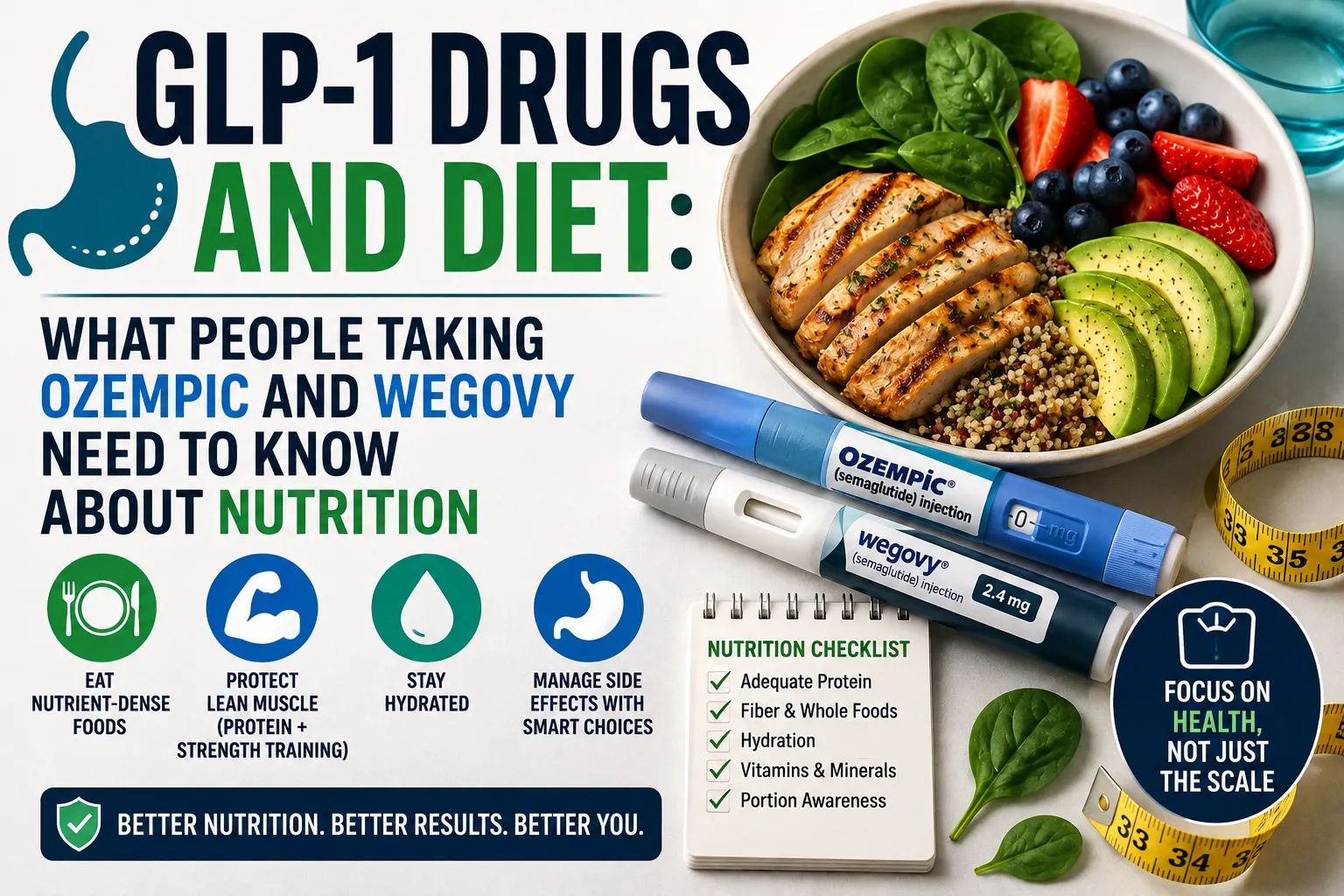

GLP-1 Drugs and Diet: What People Taking Ozempic and Wegovy Need to Know About Nutrition
GLP-1 medications have changed the conversation around weight management.
Drugs such as semaglutide, sold under brand names including Ozempic and Wegovy, can reduce appetite, increase feelings of fullness and help many people lose substantial amounts of weight. But the same effects that make these medicines useful can create a nutritional challenge: when you are much less hungry, it can become surprisingly difficult to eat enough protein, fiber, vitamins, minerals and other nutrients.
That makes diet an important part of treatment—not as a way to “beat” the medication, but as a way to support health while the medication is doing its job.
The latest clinical guidance emphasizes adequate nutrition, hydration, protein intake and muscle-strengthening activity during weight loss.
For broader guidance on building a balanced eating pattern, see this complete guide to healthy eating and balanced nutrition.
For a broader look at how probiotics fit into digestive and nutritional health, see The Complete Guide to Probiotics. People interested in how dietary changes affect digestion can also explore Natural Remedies for Digestion.
Medical note: This article is for general education and isn’t a substitute for individualized medical or nutrition advice. People taking prescription medications should discuss significant dietary changes, persistent side effects, supplements and unusual symptoms with their healthcare professional.
What Are GLP-1 Medications?
GLP-1 stands for glucagon-like peptide-1, a hormone involved in appetite, digestion and blood-glucose regulation.
GLP-1 receptor agonist medications mimic some of the effects of this naturally occurring hormone.
Semaglutide is used under different brand names and doses for different medical purposes. Wegovy is approved for chronic weight management, while Ozempic is approved for specific uses in adults with type 2 diabetes and related cardiovascular and kidney risk indications.
These medications can affect eating behavior by reducing hunger and increasing feelings of fullness. They can also slow gastric emptying, which is one reason some people feel full after relatively small amounts of food.
That change can be beneficial for someone who previously struggled with excessive hunger.
But it also changes the nutritional equation.
Why Nutrition Matters More When Appetite Falls
Weight loss generally involves taking in less energy than the body uses.
GLP-1 medications can make that reduction in food intake easier because people may feel less hungry and become satisfied with smaller portions.
The challenge is that calories aren’t the only thing food provides.
Food also supplies:
- Protein
- Fiber
- Vitamins
- Minerals
- Essential fatty acids
- Fluids
- Carbohydrates
- Other compounds important for health
If appetite falls dramatically, a person might unintentionally eat too little overall or consume a very limited range of foods.
Recent expert guidance specifically recommends monitoring nutritional intake during obesity-medication treatment, with attention to protein and micronutrient adequacy.
The goal, therefore, shouldn’t simply be:
“How little can I eat?”
A better question is:
“How can I make the smaller amount of food I eat as nutritious as possible?”
Protein Becomes a Major Priority
Protein deserves particular attention during significant weight loss.
When the body loses weight, it doesn’t lose only fat. Some lean tissue can also be lost.
Research and clinical guidance indicate that maintaining adequate protein intake, combined with resistance exercise, can help support lean-mass preservation during weight reduction.
This is particularly relevant for people whose appetite has fallen substantially.
Good protein-rich options include:
- Eggs
- Fish
- Chicken
- Greek yogurt
- Cottage cheese
- Milk
- Soy foods
- Beans
- Lentils
- Peas
- Nuts and seeds
The best choice depends on an individual’s dietary preferences, health conditions and tolerance.
People looking for a deeper explanation of protein requirements can also explore why the body needs protein every day.
How Much Protein Do You Need?
There isn’t one universal protein target that is appropriate for everyone taking a GLP-1 medication.
Protein needs can depend on:
- Age
- Body size
- Kidney function
- Physical activity
- Muscle mass
- Overall diet
- Rate of weight loss
- Medical conditions
Some recent expert recommendations suggest protein intakes around 1.2–1.6 grams per kilogram per day during active weight reduction for some adults, but the appropriate target should be individualized rather than applied as a universal prescription.
People with kidney disease or other conditions affecting protein requirements should not simply adopt a high-protein diet without professional guidance.
Try a “Protein First” Approach
When portions become small, food order can matter.
If you eat a large portion of low-protein foods first and become full quickly, you may have little appetite left for protein.
A practical strategy is to prioritize a protein-rich food earlier in the meal.
For example:
Breakfast
Greek yogurt + berries + oats
Lunch
Chicken or beans + vegetables + whole grains
Dinner
Fish or tofu + vegetables + potatoes or brown rice
The goal isn’t to eliminate carbohydrates or fats.
It’s to make sure protein isn’t consistently pushed aside by the time fullness arrives.
Expert nutritional guidance for GLP-1 therapy specifically discusses prioritizing protein when appetite is limited.
Smaller Meals May Be Easier to Tolerate
Large meals can become uncomfortable when appetite and stomach emptying have changed.
Some expert guidance suggests that people with low appetite may benefit from smaller, more frequent meals rather than trying to force themselves through large portions.
For example, instead of:
- Large breakfast
- Large lunch
- Large dinner
someone might tolerate:
- Small breakfast
- Small snack
- Small lunch
- Small snack
- Small dinner
This isn’t a mandatory eating schedule.
It’s simply one strategy that may make adequate nutrition easier when large meals are uncomfortable.
Eat Nutrient-Dense Foods
When appetite is limited, food quality becomes especially important.
A small meal can still provide substantial nutritional value.
Consider foods that combine several nutrients in relatively small portions.
Examples include:
- Eggs
- Yogurt
- Avocado
- Nuts
- Seeds
- Fish
- Beans
- Lentils
- Oatmeal
- Fruit
- Vegetables
- Whole grains
A bowl of Greek yogurt with berries, nuts and seeds, for example, can provide protein, calcium, fiber, healthy fats and micronutrients without requiring a very large portion.
This broader focus on nutrient density is also important when considering the role of high-protein foods in modern nutrition.
Don’t Forget Fruits and Vegetables
Reduced appetite shouldn’t automatically mean eliminating fruits and vegetables.
They provide:
- Fiber
- Vitamins
- Minerals
- Water
- Plant compounds
- Volume and variety
However, some people experience digestive symptoms when increasing fiber too quickly.
If constipation or bloating is a problem, gradually adjusting fiber intake and discussing persistent symptoms with a healthcare professional may be more appropriate than suddenly adding large amounts of high-fiber foods.
Fiber Can Help—but Timing Matters
Fiber supports digestive health and can be part of a balanced diet.
Sources include:
- Beans
- Lentils
- Oats
- Whole grains
- Vegetables
- Fruits
- Nuts
- Seeds
But GLP-1 medications can already affect gastrointestinal function.
Adding very large quantities of fiber overnight may worsen:
- Bloating
- Gas
- Abdominal discomfort
A gradual approach can be easier to tolerate.
Adequate fluid intake is also important when increasing dietary fiber.
For more context on balancing protein and fiber in modern diets, see whether people are eating enough fiber despite the focus on protein.
Hydration Is Easy to Overlook
Some people taking GLP-1 medications may eat and drink less simply because their appetite is lower.
Vomiting or diarrhea can further increase fluid losses.
This makes hydration an important part of the overall nutrition plan.
Instead of waiting until you’re extremely thirsty, drinking fluids regularly throughout the day can help.
Good choices can include:
- Water
- Unsweetened tea
- Milk
- Broths
- Other nutritious beverages that fit your dietary needs
People experiencing persistent vomiting or diarrhea should speak with their healthcare professional because dehydration can become medically significant.
What About Electrolytes?
Electrolyte products aren’t automatically necessary for everyone taking a GLP-1 medication.
For many people, ordinary food and fluids provide adequate electrolytes.
However, electrolyte replacement may become relevant when substantial fluid losses occur—for example, with prolonged vomiting or diarrhea.
Rather than automatically buying electrolyte supplements, consider the underlying reason for fluid loss and ask a healthcare professional what is appropriate.
Managing Nausea Through Food Choices
Nausea is among the most commonly reported gastrointestinal side effects of semaglutide.
In adult Wegovy trials, nausea, diarrhea, vomiting and constipation were among the most frequently reported adverse reactions, and gastrointestinal reactions were particularly common during dose escalation.
Food doesn’t eliminate the medication’s side effects, but some eating habits may make meals easier to tolerate.
People experiencing nausea may find it helpful to:
- Eat smaller portions
- Eat slowly
- Avoid very large meals
- Stop when comfortably full
- Choose foods that are easier to tolerate
- Stay hydrated
- Keep track of foods that consistently worsen symptoms
Individual tolerance varies considerably.
What Foods Should You Avoid on Ozempic or Wegovy?
There isn’t a single universal “GLP-1 diet” that everyone taking Ozempic or Wegovy must follow.
However, some people find certain foods harder to tolerate, particularly very large or rich meals.
Depending on the individual, potential troublemakers may include:
- Very greasy meals
- Extremely large portions
- Heavy fried foods
- Excessive alcohol
- Foods that personally trigger reflux or nausea
The goal isn’t to create an unnecessarily restrictive diet.
A sustainable eating pattern should still contain a wide variety of nutritious foods.
Do You Need to Avoid Fat?
Not necessarily.
Dietary fat is an important source of energy and helps the body absorb certain fat-soluble vitamins.
Healthy fat sources can include:
- Avocados
- Nuts
- Seeds
- Olive oil
- Fatty fish
The issue is more about portion size and tolerance.
A very large, high-fat meal may feel uncomfortable for someone experiencing GLP-1-related gastrointestinal symptoms.
What About Carbohydrates?
Carbohydrates don’t automatically need to be eliminated.
Healthy carbohydrate sources can provide:
- Energy
- Fiber
- Vitamins
- Minerals
Examples include:
- Oats
- Potatoes
- Sweet potatoes
- Brown rice
- Whole-grain bread
- Whole-grain pasta
- Beans
- Fruit
The better strategy is usually to focus on the quality and overall balance of the diet rather than treating carbohydrates as inherently problematic.
Should You Follow a Low-Carb Diet?
Not automatically.
Some people may prefer lower-carbohydrate eating patterns, while others may find balanced diets with moderate carbohydrate intake easier to maintain.
For people with diabetes, carbohydrate intake may also interact with glucose-lowering medications.
If you’re taking diabetes medications in addition to semaglutide, major dietary changes should be discussed with your healthcare team.
What About Sugar?
Added sugar isn’t necessary for good nutrition, but completely banning every food containing sugar isn’t required for most people.
A better approach is to make nutrient-rich foods the foundation of the diet while limiting foods and beverages that provide substantial calories with relatively little nutritional value.
This becomes especially important when appetite is low.
If you can eat only a modest amount, you generally want more of those calories to contribute useful nutrients.
Alcohol and GLP-1 Medications
Alcohol deserves particular caution.
Alcohol can add calories without providing much nutritional value and may worsen gastrointestinal symptoms for some people.
For people with diabetes, alcohol can also affect blood glucose and may interact with other medications or health conditions.
The safest approach depends on the individual’s medical circumstances.
If you have diabetes, liver disease, a history of pancreatitis, or take medications that can interact with alcohol, ask your healthcare professional before drinking.
Vitamins and Minerals Matter
Significant reductions in food intake can make it harder to obtain adequate micronutrients.
Potential nutritional concerns can include:
- Iron
- Vitamin B12
- Folate
- Vitamin D
- Calcium
- Magnesium
- Zinc
This doesn’t mean everyone taking a GLP-1 medication needs supplements.
It means nutritional adequacy deserves attention when food intake becomes substantially restricted.
Recent expert guidance recommends monitoring nutritional intake and addressing deficiencies when they arise rather than assuming supplementation is necessary for everyone.
Should You Take a Multivitamin?
Not necessarily.
A multivitamin may be useful for some people, particularly when dietary intake is consistently inadequate, but it isn’t a substitute for a varied diet.
Whether supplementation is appropriate depends on:
- Dietary intake
- Lab results
- Medical conditions
- Age
- Medications
- Existing deficiencies
A healthcare professional or registered dietitian can help determine whether supplementation makes sense.
What About Protein Shakes?
Protein shakes can be useful when appetite is too low to obtain enough protein from regular meals.
They can be particularly convenient because a relatively small serving can provide substantial protein.
However, they shouldn’t automatically replace ordinary food.
A protein shake can supplement a diet, but whole foods can provide additional:
- Fiber
- Vitamins
- Minerals
- Healthy fats
- Phytochemicals
If you’re considering a protein supplement, look at the entire product rather than just the protein number.
Check:
- Added sugar
- Calories
- Saturated fat
- Fiber
- Sodium
- Artificial ingredients if relevant to your preferences
Do You Need Collagen or Other Protein Supplements?
Not automatically.
Collagen products have become popular, but they’re not a replacement for a balanced protein intake.
When the goal is supporting muscle during weight loss, the overall amount and quality of dietary protein and appropriate resistance training matter more than relying on a single fashionable supplement.
Current expert guidance emphasizes food-first nutrition, adequate protein and resistance exercise.
What About Creatine?
Creatine has substantial evidence supporting its use for certain exercise and muscle-related goals in appropriate populations.
But taking a GLP-1 medication doesn’t automatically mean you need creatine.
Whether it’s appropriate depends on:
- Age
- Kidney health
- Exercise routine
- Dietary intake
- Medical history
- Other medications
Anyone considering creatine or another supplement should discuss it with a healthcare professional if they have medical conditions or take prescription medicines.
GLP-1 Drugs and Muscle Loss
One of the important nutritional questions surrounding rapid weight loss is body composition.
Weight loss can involve reductions in both fat mass and lean mass.
In the STEP 1 semaglutide trial body-composition analysis, participants lost substantially more fat mass than lean body mass, but lean mass still decreased. Researchers and clinical experts therefore emphasize nutrition and resistance training during substantial weight reduction.
It’s also important not to equate every gram of “lean mass” measured by body-composition technology with skeletal muscle. Lean tissue includes more than muscle, and newer research emphasizes evaluating muscle function and quality alongside body composition.
The takeaway is not that GLP-1 medications are uniquely “destroying muscle.”
Rather, rapid weight loss of any kind can reduce lean tissue, and nutrition and exercise can help support healthier body composition.
Why Resistance Training Matters
Protein alone isn’t the whole solution.
Resistance training provides the body with a reason to maintain and build muscle.
Examples include:
- Weight training
- Resistance bands
- Bodyweight exercises
- Machines
- Other appropriately prescribed strength exercises
Current obesity-treatment guidance recommends adequate protein alongside muscle-strengthening activity to help minimize muscle loss during weight reduction.
People who are new to resistance training should start at an appropriate level and seek professional guidance when needed.
Don’t Focus Only on the Scale
Weight is useful information, but it isn’t the only measure of progress.
During GLP-1 treatment, it can also be valuable to consider:
- Strength
- Physical function
- Energy levels
- Waist circumference
- Blood pressure
- Blood glucose when relevant
- Nutritional adequacy
- Exercise capacity
- Overall wellbeing
The emerging focus on “quality of weight loss” reflects this broader perspective.
What If You Have No Appetite at All?
Some people experience a dramatic reduction in appetite.
If you’re consistently struggling to eat enough, don’t simply celebrate the fact that you’re eating very little.
Persistent inadequate intake can make it difficult to obtain enough:
- Protein
- Fluids
- Vitamins
- Minerals
- Essential fats
- Overall energy
Expert guidance recommends monitoring nutritional intake during obesity-medication treatment and considering professional nutrition support when needed.
A registered dietitian can help design smaller meals that pack more nutrition into each bite.
What If Food Makes You Feel Sick?
Don’t assume persistent gastrointestinal symptoms are something you simply have to endure.
Nausea, vomiting, diarrhea, constipation and abdominal discomfort are recognized adverse effects of semaglutide, particularly during dose escalation.
If symptoms are severe, persistent or interfering with eating and drinking, contact your healthcare professional.
They may need to assess:
- Medication dose
- Dose escalation
- Hydration
- Other medications
- Underlying gastrointestinal conditions
- Whether the treatment remains appropriate
Never change or stop a prescription medication without discussing it with the prescribing clinician.
When Should You Seek Medical Attention?
Some symptoms require more than dietary adjustments.
Contact your healthcare professional promptly if you experience persistent or severe:
- Vomiting
- Diarrhea
- Abdominal pain
- Dehydration
- Inability to keep fluids down
- Significant weakness
- Difficulty eating enough
Severe or unusual symptoms should be evaluated rather than automatically attributed to the medication.
The prescribing information for semaglutide contains important warnings and precautions, so patients should read the medication guide and follow their clinician’s instructions.
People With Diabetes Need Extra Considerations
Ozempic is used in the treatment of type 2 diabetes, and some people taking semaglutide also use other glucose-lowering medications.
Changes in food intake can affect blood glucose management.
The risk of hypoglycemia can also depend on what other diabetes medications someone takes.
This means a person with diabetes shouldn’t make major changes to their diet or medication regimen independently.
Your diabetes care team can help coordinate:
- Medication doses
- Meal patterns
- Carbohydrate intake
- Exercise
- Blood glucose monitoring
GLP-1 Nutrition for Older Adults
Older adults may need particular attention to muscle preservation during weight loss.
Age itself is associated with changes in muscle mass and function, and substantial weight loss can add another challenge.
For some older adults, the goal shouldn’t simply be losing as much weight as possible.
It should be achieving clinically meaningful weight reduction while maintaining:
- Strength
- Mobility
- Protein intake
- Nutritional status
- Bone health
- Independence
Recent obesity guidance highlights the importance of assessing muscle strength and function in people at higher risk of sarcopenia during weight reduction.
A Simple GLP-1-Friendly Meal Structure
There is no mandatory GLP-1 diet, but a simple meal structure can help people who struggle with appetite.
### Build Meals Around Protein
Choose:
- Eggs
- Fish
- Poultry
- Greek yogurt
- Cottage cheese
- Tofu
- Beans
- Lentils
### Add Vegetables or Fruit
Choose options you tolerate well.
### Include a Quality Carbohydrate
Examples:
- Oats
- Potatoes
- Brown rice
- Whole grains
- Beans
- Fruit
### Add Healthy Fat as Appropriate
Examples:
- Nuts
- Seeds
- Avocado
- Olive oil
### Drink Regularly
Keep fluids available throughout the day.
The exact portions should be individualized.
Sample Day of Eating
A hypothetical day might look like this:
### Breakfast
Greek yogurt with berries, oats and a small amount of nuts.
### Lunch
Grilled chicken or tofu with vegetables and a small serving of brown rice.
### Snack
Fruit with cottage cheese or yogurt.
### Dinner
Fish, beans or another protein source with cooked vegetables and potatoes.
### Optional Snack
A small protein-rich snack if needed to meet nutritional requirements.
This is an example—not a prescription or individualized meal plan.
The Best Diet Is One You Can Maintain
GLP-1 medications can change appetite dramatically, but they don’t eliminate the need for a sustainable eating pattern.
A healthy long-term diet should be:
- Nutritionally adequate
- Realistic
- Enjoyable
- Compatible with cultural preferences
- Affordable
- Flexible
- Appropriate for existing medical conditions
Healthy eating patterns should be tailored to an individual’s health, preferences, values and ability to maintain them over time.
Common Nutrition Mistakes on GLP-1 Medications
Mistake 1: Eating as Little as Possible
The medication’s appetite-suppressing effect isn’t a reason to intentionally starve yourself.
Adequate nutrition remains important.
Mistake 2: Ignoring Protein
A smaller appetite can make protein intake surprisingly difficult.
Mistake 3: Drinking Too Little
Reduced food and fluid intake combined with gastrointestinal symptoms can increase dehydration risk.
Mistake 4: Living on Snacks
Small meals are fine, but a diet dominated by low-nutrient snack foods can leave nutritional gaps.
Mistake 5: Eliminating Entire Food Groups
Extreme restriction isn’t automatically healthier.
Mistake 6: Taking Random Supplements
More supplements don’t necessarily mean better nutrition.
Mistake 7: Ignoring Strength Training
Protein and resistance exercise work together to support lean mass.
Mistake 8: Treating Side Effects as Normal Forever
Some gastrointestinal symptoms are common, but persistent or severe symptoms deserve medical attention.
Do GLP-1 Users Need a Special Diet?
No single special diet is required for everyone taking Ozempic or Wegovy.
The better approach is an individualized, nutrient-dense eating pattern that accommodates appetite changes and gastrointestinal tolerance.
Key priorities include:
- Adequate protein
- Adequate hydration
- Fruits and vegetables
- Fiber as tolerated
- Whole grains and other nutrient-rich carbohydrates
- Healthy fats
- Adequate vitamins and minerals
- Sustainable portions
- Appropriate physical activity
- Monitoring for nutritional deficiencies
This approach is consistent with current expert recommendations emphasizing adequate nourishment rather than simply maximizing calorie restriction.
What a Registered Dietitian Can Add
A registered dietitian can be particularly useful when:
- Appetite is extremely low
- Weight is falling rapidly
- Protein intake is inadequate
- Food choices are becoming highly restricted
- Gastrointestinal symptoms interfere with eating
- Nutrient deficiencies are suspected
- You have diabetes
- You have kidney disease
- You are an older adult
- You have a history of disordered eating
Nutrition advice becomes much more useful when it is based on the person’s actual medical and dietary circumstances.
Questions to Ask Your Healthcare Team
If you’re taking Ozempic, Wegovy or another GLP-1-based medication, useful questions include:
- Am I eating enough overall?
- Am I getting enough protein?
- Should I have my vitamin or mineral levels checked?
- Is my rate of weight loss appropriate?
- Should I add resistance training?
- Are my gastrointestinal symptoms expected?
- Could any of my other medications be affected?
- Do I need a dietitian?
- Are any supplements appropriate for me?
- What symptoms should prompt me to call the clinic?
These questions can help turn medication treatment into a broader health-management plan.
The Goal Is Better Health, Not Just a Smaller Number
GLP-1 medications can make weight loss easier for many people, but the nutritional side of treatment deserves just as much attention as the number on the scale.
When appetite falls, food quality becomes increasingly important.
The priorities are straightforward:
Eat enough.
Prioritize protein.
Choose nutrient-dense foods.
Stay hydrated.
Maintain muscle-strengthening activity.
Pay attention to gastrointestinal symptoms.
Monitor nutritional adequacy when necessary.
And most importantly, treat the medication as one component of a broader health strategy.
The strongest approach isn’t to see Ozempic or Wegovy as permission to eat as little as possible. It’s to use the reduction in appetite as an opportunity to build a sustainable eating pattern that supplies the protein, micronutrients, fiber, fluids and overall nourishment the body still needs—even when portions become much smaller.
Continue Reading
Similar Posts
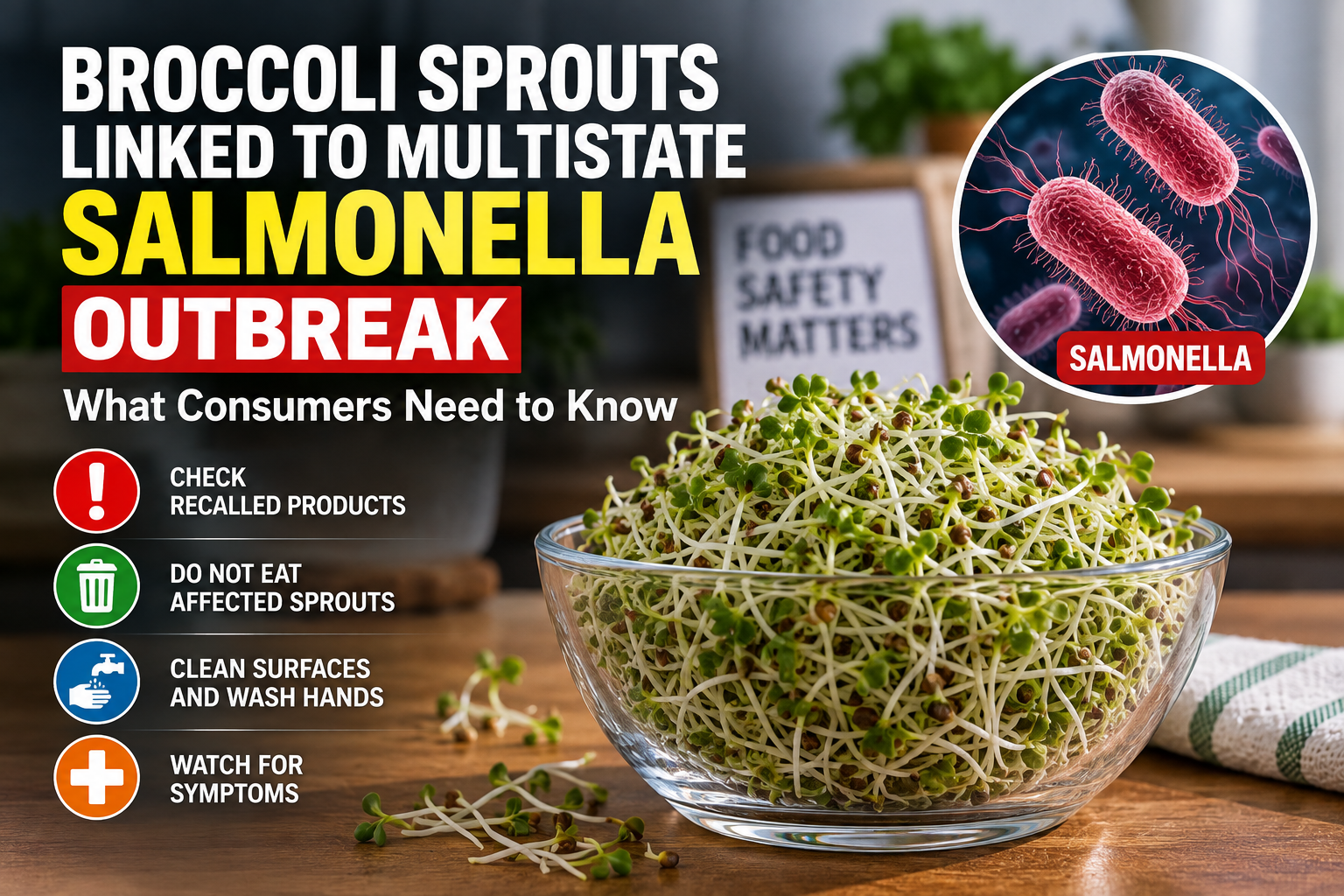
Broccoli Sprouts Linked to Multistate Salmonella Outbreak: What Consumers Need to Know
For consumers, the most important step is to determine whether recalled broccoli sprouts are in the refrigerator, freezer, or kitchen and to avoid eating, serving, or selling them.
Read article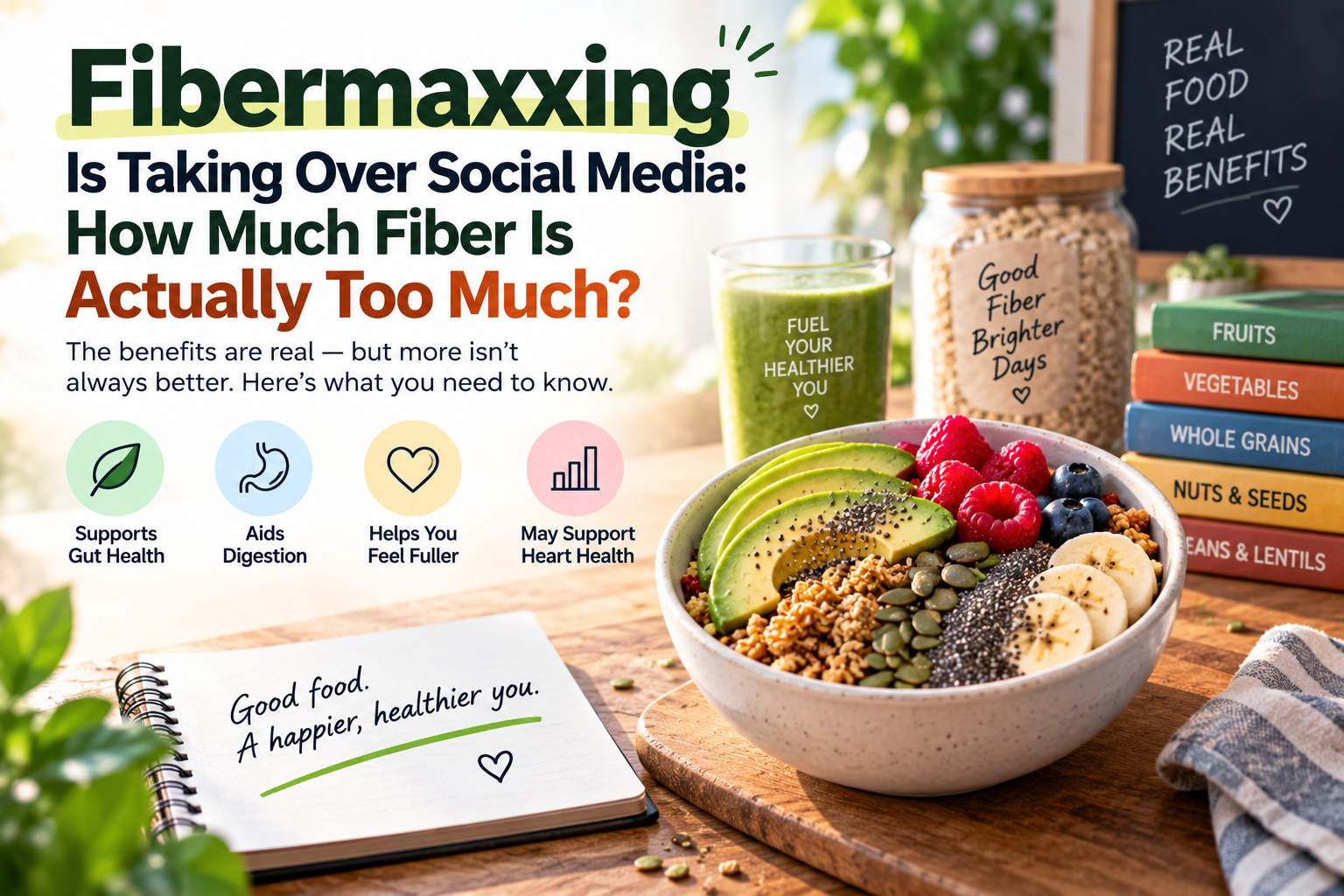
Fibermaxxing Is Taking Over Social Media: How Much Fiber Is Actually Too Much
More is not automatically better. Increasing fiber too rapidly or consuming very large amounts can cause bloating, gas, abdominal discomfort, constipation, or changes in bowel habits.
Read article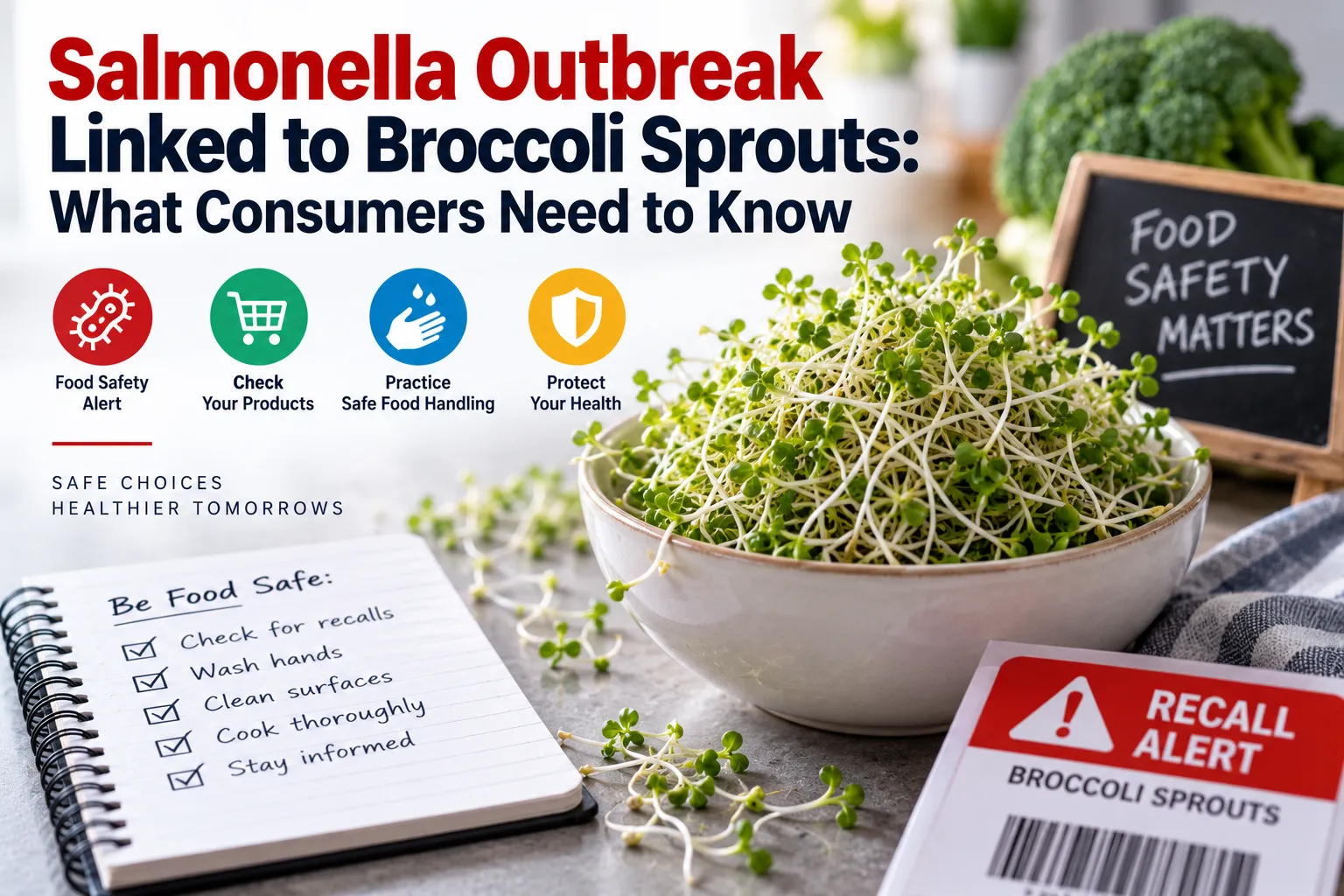
Salmonella Outbreak Linked to Broccoli Sprouts: What Consumers Need to Know
For consumers, the most important issue right now is knowing what products are affected, what symptoms to watch for, and how to reduce the risk of foodborne illness.
Read article

Join 10,000+ Readers Building Healthier Habits
Get actionable wellness tips every week plus our newest articles delivered straight to your inbox.