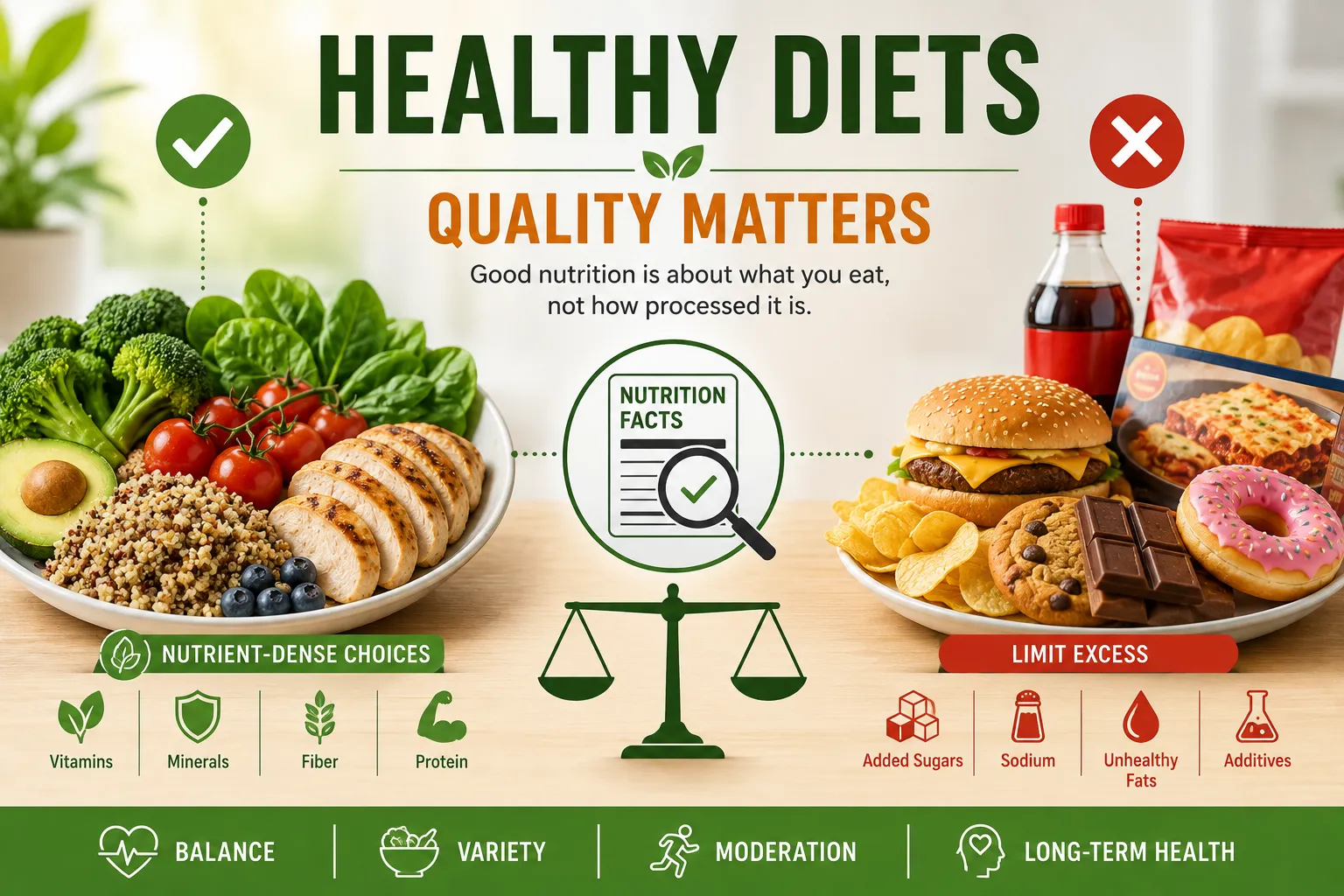

New Research Challenges How We Judge Healthy Diets: Quality May Matter More Than Food Processing
For years, many nutrition guidelines and popular diets have encouraged consumers to avoid ultra-processed foods whenever possible. While reducing heavily processed foods can be beneficial, emerging research suggests that focusing solely on how much a food is processed may not tell the full story. Instead, scientists are increasingly emphasizing the overall nutritional quality of foods, dietary patterns, and lifestyle habits when evaluating what makes a healthy diet.
The findings are reshaping conversations among nutrition researchers, healthcare professionals, and consumers. Rather than labeling every processed food as unhealthy, experts argue that nutritional value, ingredient quality, and an individual’s overall eating habits may play a larger role in long-term health outcomes.
A Shift in the Nutrition Conversation
Food processing has become one of the most debated topics in modern nutrition.
Many dietary recommendations encourage people to eat more whole foods while limiting highly processed products. However, researchers are increasingly examining whether the degree of processing alone is the best way to judge a food’s impact on health.
Some processed foods—such as canned beans, fortified cereals, frozen vegetables, whole-grain bread, and yogurt—can provide important nutrients and make healthy eating more accessible.
The emerging message is that how nutritious a food is may matter just as much, if not more, than how it was processed.
For a broader look at how these principles fit together, see this complete guide to healthy eating and balanced nutrition.
What Does “Processed Food” Actually Mean?
Contrary to popular belief, nearly all foods undergo some level of processing before reaching consumers.
Food processing can include:
- Washing
- Freezing
- Drying
- Fermenting
- Pasteurization
- Canning
- Packaging
- Fortification
These processes often improve food safety, shelf life, and convenience without necessarily reducing nutritional value.
Understanding Ultra-Processed Foods
Ultra-processed foods generally undergo multiple industrial processes and often contain ingredients rarely used in home cooking.
Examples may include:
- Sugary soft drinks
- Candy
- Packaged snack foods
- Instant noodles
- Some frozen meals
- Highly processed desserts
Many of these foods are high in:
- Added sugars
- Sodium
- Saturated fats
- Refined carbohydrates
However, researchers note that not every food classified as ultra-processed has the same nutritional profile.
This is one reason discussions about processed foods increasingly overlap with broader questions about how healthy eating patterns should be evaluated, including whether individual foods should be judged separately from the overall quality of a person’s diet.
Why Nutritional Quality Is Gaining Attention
Nutrition experts increasingly recommend evaluating foods based on their overall nutrient content rather than relying solely on processing classifications.
Important nutritional factors include:
- Protein
- Dietary fiber
- Vitamins
- Minerals
- Healthy fats
- Whole grains
- Added sugar content
- Sodium levels
Foods rich in essential nutrients may contribute positively to a healthy diet even if they undergo moderate processing.
Protein is one example of a nutrient that can play an important role in dietary quality. Understanding why the body needs protein every day can help put individual food choices into a broader nutritional context.
Looking at the Whole Diet
Researchers emphasize that individual foods rarely determine long-term health on their own.
Instead, overall dietary patterns matter more.
Healthy eating habits often include:
- Plenty of vegetables
- Fruits
- Whole grains
- Lean proteins
- Legumes
- Nuts
- Seeds
- Healthy oils
- Adequate hydration
An occasional processed food is unlikely to outweigh an otherwise balanced eating pattern.
Convenience Can Support Healthy Eating
Modern lifestyles make convenience an important consideration.
Nutritious processed foods can help people prepare healthy meals more easily.
Examples include:
- Frozen vegetables
- Frozen fruit
- Low-sodium canned beans
- Plain yogurt
- Whole-grain bread
- Pre-cut vegetables
- Frozen seafood
These products may encourage healthier eating by reducing preparation time and food waste.
For people balancing nutrition with financial limitations, practical strategies such as healthy eating on a limited budget can also make nutritious choices easier to maintain.
Reading Nutrition Labels Matters
Rather than judging foods solely by their level of processing, experts recommend carefully reviewing nutrition labels.
Look for:
- High fiber
- Adequate protein
- Lower added sugars
- Moderate sodium
- Healthy fats
- Reasonable serving sizes
Ingredient lists and nutrition facts panels provide valuable information about a product’s overall quality.
This approach can be particularly useful when comparing products that may have similar processing classifications but very different nutritional profiles.
The Role of Dietary Balance
Healthy diets are built over time through consistent habits.
Nutrition professionals often recommend:
- Eating a variety of foods
- Choosing minimally processed foods when practical
- Including nutrient-dense options
- Limiting excess added sugars
- Reducing excessive sodium
- Watching portion sizes
- Staying physically active
Flexibility may also improve long-term adherence to healthy eating patterns.
The growing popularity of protein-rich foods also illustrates why nutritional quality remains an important part of the discussion. High-protein foods continue dominating consumer nutrition trends, but simply emphasizing one nutrient does not replace the need for a balanced overall diet.
Why This Research Matters
The evolving research encourages a more balanced conversation around nutrition.
Instead of categorizing foods as simply “good” or “bad,” experts increasingly recommend considering:
- Nutritional value
- Portion size
- Frequency of consumption
- Overall diet quality
- Individual health needs
- Cultural preferences
- Food accessibility
This approach recognizes that healthy eating looks different for different people.
Public Health Implications
If future research continues supporting this broader perspective, dietary guidance may increasingly focus on improving overall eating patterns rather than emphasizing food processing alone.
Potential benefits include:
- More practical nutrition advice
- Better food accessibility
- Reduced confusion among consumers
- Greater dietary flexibility
- Improved long-term adherence
Public health experts hope this could encourage healthier choices without making nutritious eating feel unnecessarily restrictive.
Challenges for Consumers
Despite growing research, choosing healthy foods can still be confusing.
Consumers often face:
- Conflicting nutrition advice
- Marketing claims
- Busy lifestyles
- Budget constraints
- Limited access to fresh foods
- Information overload
Learning to evaluate foods based on nutritional quality may help simplify everyday decisions.
What Experts Recommend
Most nutrition professionals continue to agree on several key principles:
- Eat more fruits and vegetables.
- Include whole grains regularly.
- Choose lean protein sources.
- Consume healthy fats in moderation.
- Limit excessive added sugars.
- Watch sodium intake.
- Stay physically active.
- Focus on long-term eating habits rather than perfection.
These recommendations remain consistent regardless of individual food processing classifications.
Looking Ahead
Nutrition science continues to evolve as researchers gain a better understanding of how foods affect long-term health.
Future studies are expected to explore:
- Dietary patterns
- Personalized nutrition
- Gut microbiome interactions
- Food processing methods
- Nutrient density
- Chronic disease prevention
- Sustainable diets
As evidence grows, dietary recommendations will likely continue shifting toward a more comprehensive understanding of healthy eating.
Frequently Asked Questions
Are all processed foods unhealthy?
No. Many processed foods, such as frozen vegetables, canned beans, and yogurt, provide valuable nutrients and can support a healthy diet.
What matters most when choosing foods?
Experts increasingly recommend considering overall nutritional quality, including fiber, protein, vitamins, minerals, healthy fats, and added sugar levels.
Should I avoid ultra-processed foods completely?
Most nutrition professionals recommend limiting foods high in added sugars, sodium, and unhealthy fats while focusing on overall dietary balance rather than complete avoidance.
Why are nutrition labels important?
Nutrition labels help consumers compare foods based on nutrient content instead of relying only on marketing claims or processing levels.
What is the healthiest dietary approach?
A balanced eating pattern that emphasizes fruits, vegetables, whole grains, lean proteins, healthy fats, and moderation remains one of the most widely recommended approaches.
A More Nuanced Way to Judge Healthy Foods
New research is encouraging a more nuanced view of healthy eating by suggesting that the nutritional quality of foods may be just as important as, or even more important than, their level of processing. While limiting highly processed foods remains sensible in many cases, experts increasingly emphasize evaluating foods based on their overall contribution to a balanced diet rather than relying on a single classification.
For consumers, this means shifting the focus from labels alone to broader dietary habits. Choosing nutrient-dense foods, reading nutrition labels, maintaining variety, and building sustainable eating patterns may offer greater long-term health benefits than simply avoiding processed foods altogether. As nutrition science continues to evolve, the message remains clear: healthy diets are built through consistent, balanced choices over time.
Continue Reading
Similar Posts
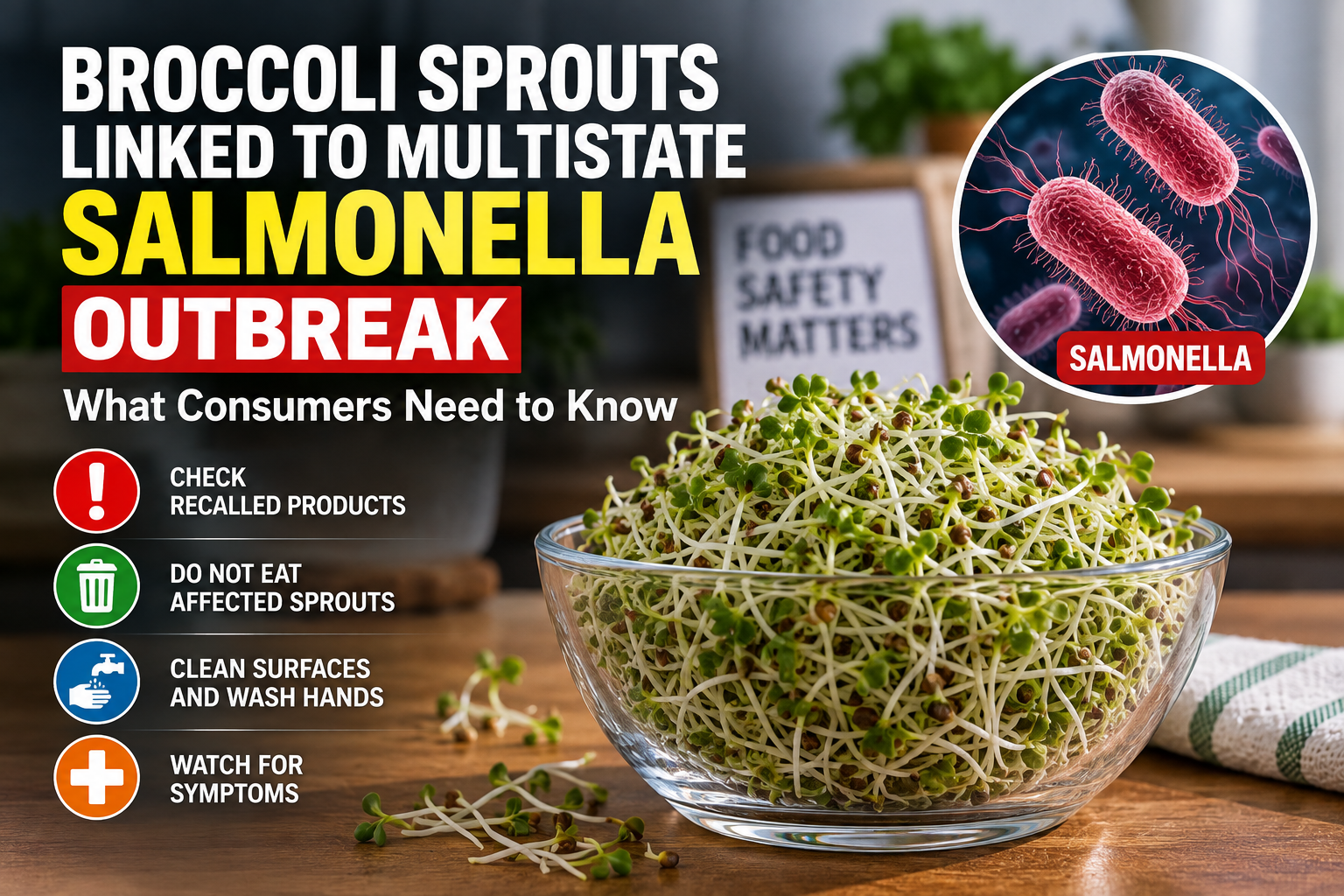
Broccoli Sprouts Linked to Multistate Salmonella Outbreak: What Consumers Need to Know
For consumers, the most important step is to determine whether recalled broccoli sprouts are in the refrigerator, freezer, or kitchen and to avoid eating, serving, or selling them.
Read article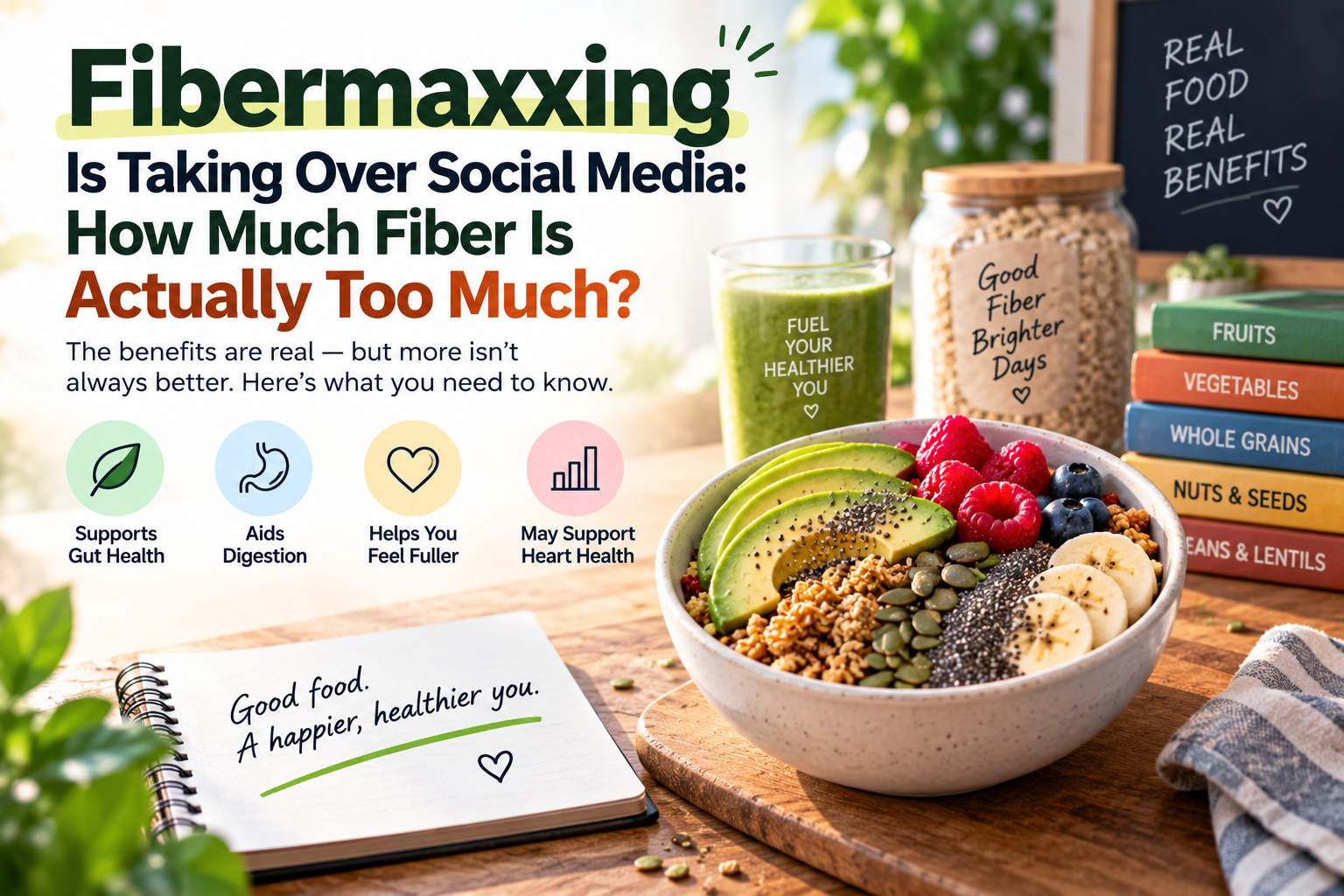
Fibermaxxing Is Taking Over Social Media: How Much Fiber Is Actually Too Much
More is not automatically better. Increasing fiber too rapidly or consuming very large amounts can cause bloating, gas, abdominal discomfort, constipation, or changes in bowel habits.
Read article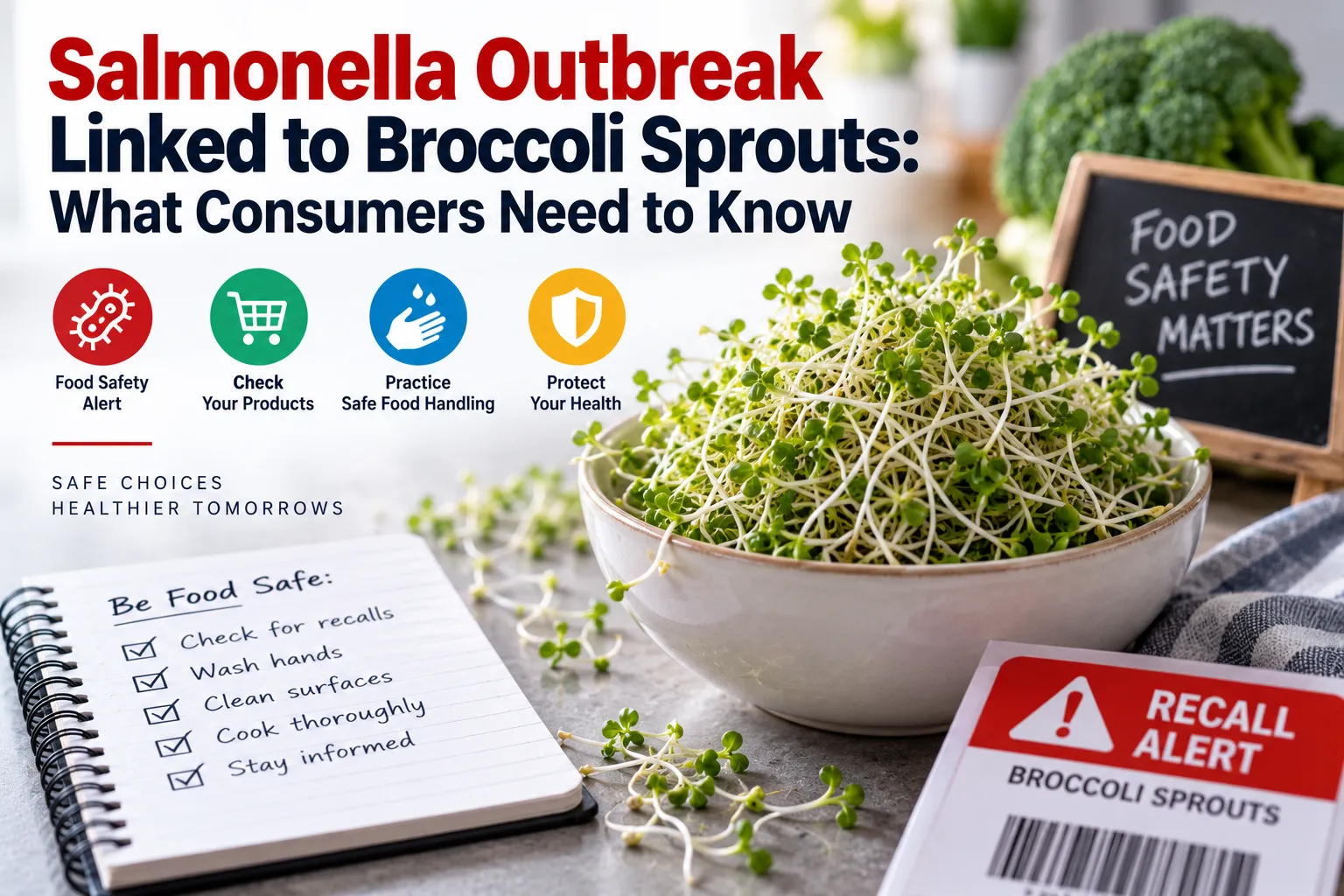
Salmonella Outbreak Linked to Broccoli Sprouts: What Consumers Need to Know
For consumers, the most important issue right now is knowing what products are affected, what symptoms to watch for, and how to reduce the risk of foodborne illness.
Read article

Join 10,000+ Readers Building Healthier Habits
Get actionable wellness tips every week plus our newest articles delivered straight to your inbox.