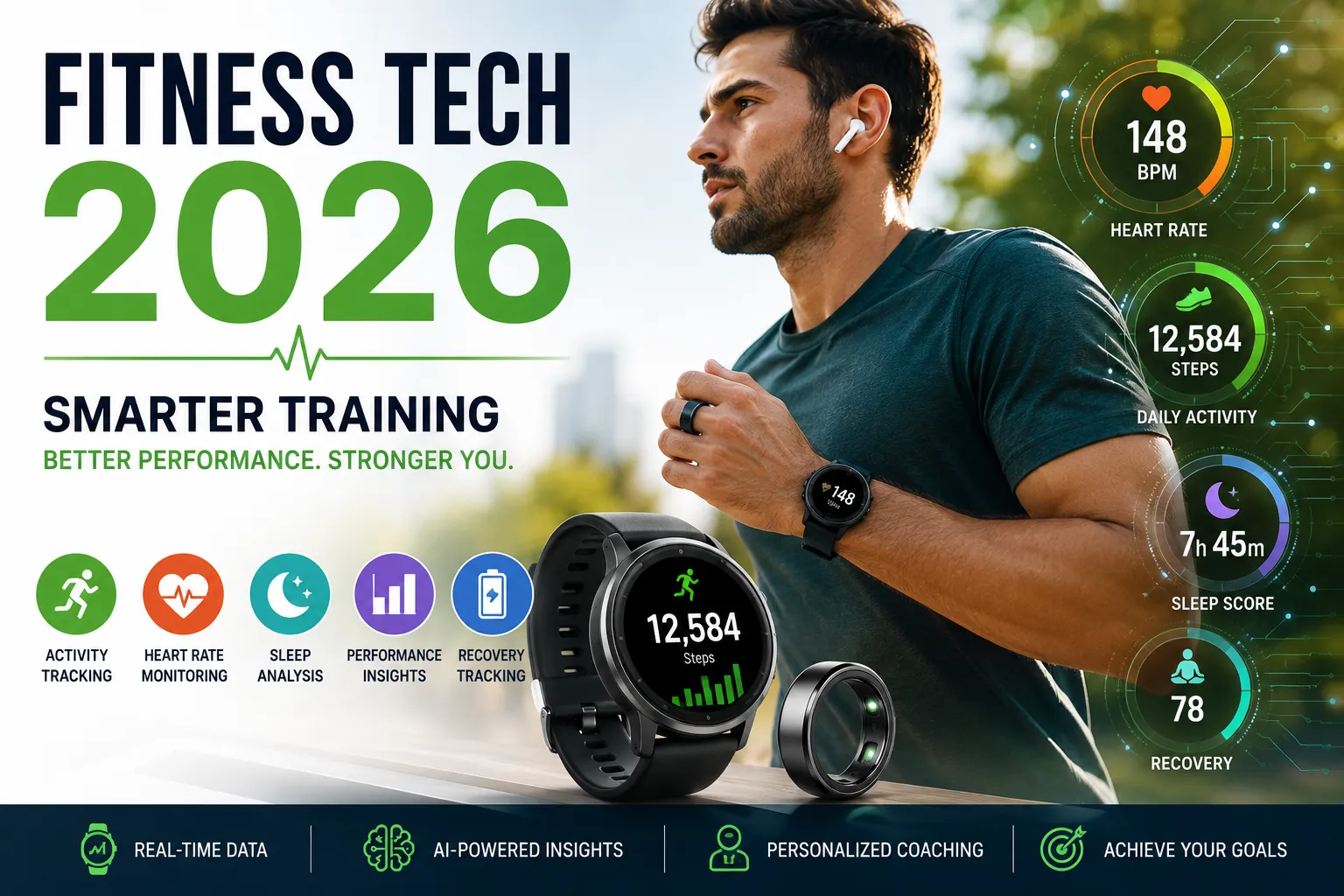

Wearable Fitness Technology Continues to Lead 2026’s Biggest Exercise Trends
Fitness technology is entering a new era as wearable devices become more intelligent, personalized, and deeply integrated into everyday health routines. Smartwatches, fitness bands, heart rate monitors, smart rings, and AI-powered health trackers are no longer simply counting steps—they are helping millions of people monitor recovery, optimize workouts, improve sleep, and make informed lifestyle decisions.
Industry analysts say wearable technology continues to dominate global fitness trends in 2026 as consumers increasingly seek real-time health insights and personalized coaching. Advances in artificial intelligence, biometric sensors, and connected health ecosystems are transforming wearable devices into powerful wellness companions that support both everyday users and elite athletes.
For a broader understanding of how exercise, movement, recovery, and fitness fit together, see the complete guide to physical activity and exercise.
Wearable Technology Remains at the Center of Modern Fitness
Over the past decade, wearable fitness devices have evolved from simple activity trackers into sophisticated health-monitoring systems.
Today’s devices can track:
- Heart rate
- Sleep quality
- Blood oxygen levels
- Stress levels
- Calories burned
- Workout intensity
- Recovery time
- Daily movement
- Body temperature trends
Many devices now use artificial intelligence to interpret this information and provide personalized recommendations based on individual health and fitness goals.
Consumers Demand Smarter Health Insights
Fitness enthusiasts increasingly want more than basic activity tracking.
Modern users expect wearable devices to provide:
- Personalized workout suggestions
- Recovery recommendations
- Sleep coaching
- Hydration reminders
- Stress management insights
- Daily readiness scores
- Long-term health trends
These features help users better understand how lifestyle habits affect overall wellness rather than focusing only on daily exercise.
Artificial Intelligence Is Enhancing Personal Coaching
AI has become one of the biggest drivers of innovation in wearable fitness technology.
Instead of simply displaying health data, AI-powered platforms can now:
- Analyze workout performance
- Detect activity patterns
- Recommend recovery periods
- Suggest exercise intensity
- Identify sleep deficiencies
- Adapt training plans
- Encourage healthy habits
This creates a more personalized fitness experience that evolves with each user.
Recovery Tracking Is Becoming a Priority
Recovery has become one of the fastest-growing areas in fitness technology.
Wearable devices now monitor indicators such as:
- Resting heart rate
- Heart rate variability (HRV)
- Sleep duration
- Sleep stages
- Physical strain
- Recovery readiness
These measurements help users determine whether their bodies are ready for intense training or may benefit from additional rest.
The growing emphasis on recovery also connects with the broader role of rest and recovery in healthy physical activity.
Readers interested in how recovery data is becoming a major part of modern fitness technology can also explore recovery tracking in fitness.
Smart Rings Gain Popularity
While smartwatches remain highly popular, smart rings continue attracting attention due to their compact design and advanced health monitoring capabilities.
Many smart rings can measure:
- Sleep quality
- Heart rate
- Recovery metrics
- Body temperature
- Daily activity
Their lightweight design appeals to users seeking continuous health monitoring without wearing a traditional smartwatch.
Screen-free wearable designs are also evolving, with devices such as Garmin Cirqa and its screen-free approach to fitness tracking offering another example of how manufacturers are exploring different ways to deliver health and fitness insights.
The broader wearable market is also seeing major new fitness wearable launches as manufacturers compete to make health tracking more useful and personalized.
Fitness Tracking Goes Beyond Exercise
Wearables are increasingly supporting overall wellness rather than focusing solely on workouts.
Modern platforms encourage healthier habits by monitoring:
- Daily movement
- Sleep consistency
- Stress management
- Mindfulness sessions
- Hydration
- Sedentary time
This broader approach reflects growing recognition that health depends on more than exercise alone.
For people interested in increasing everyday movement beyond formal workouts, reducing sedentary behavior and adding more movement to everyday life is another important part of the picture.
Connected Fitness Ecosystems Continue to Expand
Many wearable devices now integrate seamlessly with smartphones, fitness equipment, nutrition apps, and healthcare platforms.
Users can synchronize:
- Workout history
- Nutrition tracking
- Weight management
- Running routes
- Cycling performance
- Heart health data
Connected ecosystems provide a more complete picture of overall health and fitness progress.
Personalized Fitness Plans
Wearables increasingly deliver customized recommendations rather than generic exercise advice.
Using historical data, AI systems can recommend:
- Weekly training goals
- Recovery days
- Workout intensity
- Sleep improvements
- Activity reminders
- Fitness milestones
Personalization helps users remain motivated while reducing the risk of overtraining.
Why Consumers Continue Buying Wearables
Several factors continue driving demand.
Consumers appreciate:
- Convenience
- Real-time health insights
- Motivation
- Goal tracking
- Improved accountability
- Better workout efficiency
- Long battery life
- Stylish designs
As technology improves, wearable devices appeal to both beginners and experienced athletes.
Challenges Facing Wearable Technology
Despite rapid innovation, manufacturers continue facing several challenges.
These include:
- Data privacy concerns
- Sensor accuracy
- Battery limitations
- Device compatibility
- Information overload
- Subscription costs
- Cybersecurity risks
Consumers increasingly expect transparent privacy policies alongside reliable performance.
Wearables in Healthcare
Healthcare providers are also exploring wearable technology for preventive care and remote monitoring.
Potential applications include:
- Heart rhythm monitoring
- Chronic disease management
- Post-surgery recovery
- Physical rehabilitation
- Remote patient monitoring
While consumer wearables are not replacements for medical devices, they may help individuals identify trends worth discussing with healthcare professionals.
Future Trends in Fitness Technology
Industry experts expect wearable technology to continue evolving rapidly.
Emerging innovations include:
- More advanced AI coaching
- Continuous health monitoring
- Non-invasive biometric sensing
- Smarter recovery analytics
- Improved battery technology
- Enhanced mental wellness tracking
- Personalized nutrition guidance
- Integration with augmented reality fitness experiences
These developments aim to provide users with even more meaningful and actionable health insights.
Why This Matters
The growing popularity of wearable technology reflects a broader shift toward proactive health management.
Rather than reacting to health problems after they occur, many people now use wearable devices to:
- Build healthier habits
- Stay active
- Improve sleep
- Reduce stress
- Monitor long-term wellness
Technology is becoming an everyday partner in supporting healthier lifestyles.
Wearables can also complement other forms of digital exercise. Mobile platforms, for example, increasingly combine workout guidance with activity and health tracking, as explored in how mobile fitness apps are transforming at-home exercise.
Nutrition tracking is another area where technology is becoming increasingly sophisticated, although AI food tracking apps may underestimate calories, highlighting the importance of understanding the limitations of automated health data.
Frequently Asked Questions
What is wearable fitness technology?
Wearable fitness technology includes devices such as smartwatches, fitness bands, smart rings, and heart rate monitors that track health and physical activity.
Why are wearable devices so popular?
They provide real-time health information, personalized fitness insights, motivation, and convenient tracking of workouts and wellness habits.
Can wearable devices improve fitness?
They can support healthier habits by helping users monitor activity, recovery, sleep, and exercise consistency. However, results still depend on regular physical activity and healthy lifestyle choices.
Are wearable devices medically accurate?
Many provide useful health information, but they are generally intended for wellness purposes rather than medical diagnosis. Users should consult healthcare professionals regarding medical concerns.
What role does AI play in fitness wearables?
AI analyzes user data to deliver personalized workout recommendations, recovery guidance, health insights, and long-term progress tracking.
The Future of Connected Fitness
Wearable fitness technology continues to lead the fitness industry in 2026 as consumers increasingly embrace smarter, more personalized approaches to health and exercise. Advances in artificial intelligence, biometric sensors, and connected digital ecosystems are transforming wearable devices into comprehensive wellness companions capable of tracking far more than daily steps.
As technology continues to evolve, wearables are expected to become even more intelligent, helping users better understand their bodies, improve performance, and develop healthier long-term habits. While challenges related to privacy, accuracy, and accessibility remain, the future of fitness appears increasingly connected, data-driven, and personalized.
Continue Reading
Similar Posts

Just 3 Minutes of Intense Exercise Could Trigger Powerful Health-Related Changes, Study Finds
That does not mean three minutes of sprinting has been proven to replace a longer workout. Instead, the findings offer a closer look at why intense exercise may produce such a rapid and wide-ranging biological response.
Read article
Is Walking Enough Exercise? New Research Reopens the Fitness Debate
The study does not prove that walking faster or taking a particular number of steps prevents death. It does, however, add to a growing body of evidence suggesting that there is no single magic step count or perfect form of exercise.
Read article
Regular Exercise Linked to Lower Risk of Death in Older Adults, New Study Finds
The findings add to a growing body of evidence suggesting that staying physically active may be important not only for maintaining strength and independence in later life, but also for improving long-term health outcomes.
Read article

Join 10,000+ Readers Building Healthier Habits
Get actionable wellness tips every week plus our newest articles delivered straight to your inbox.