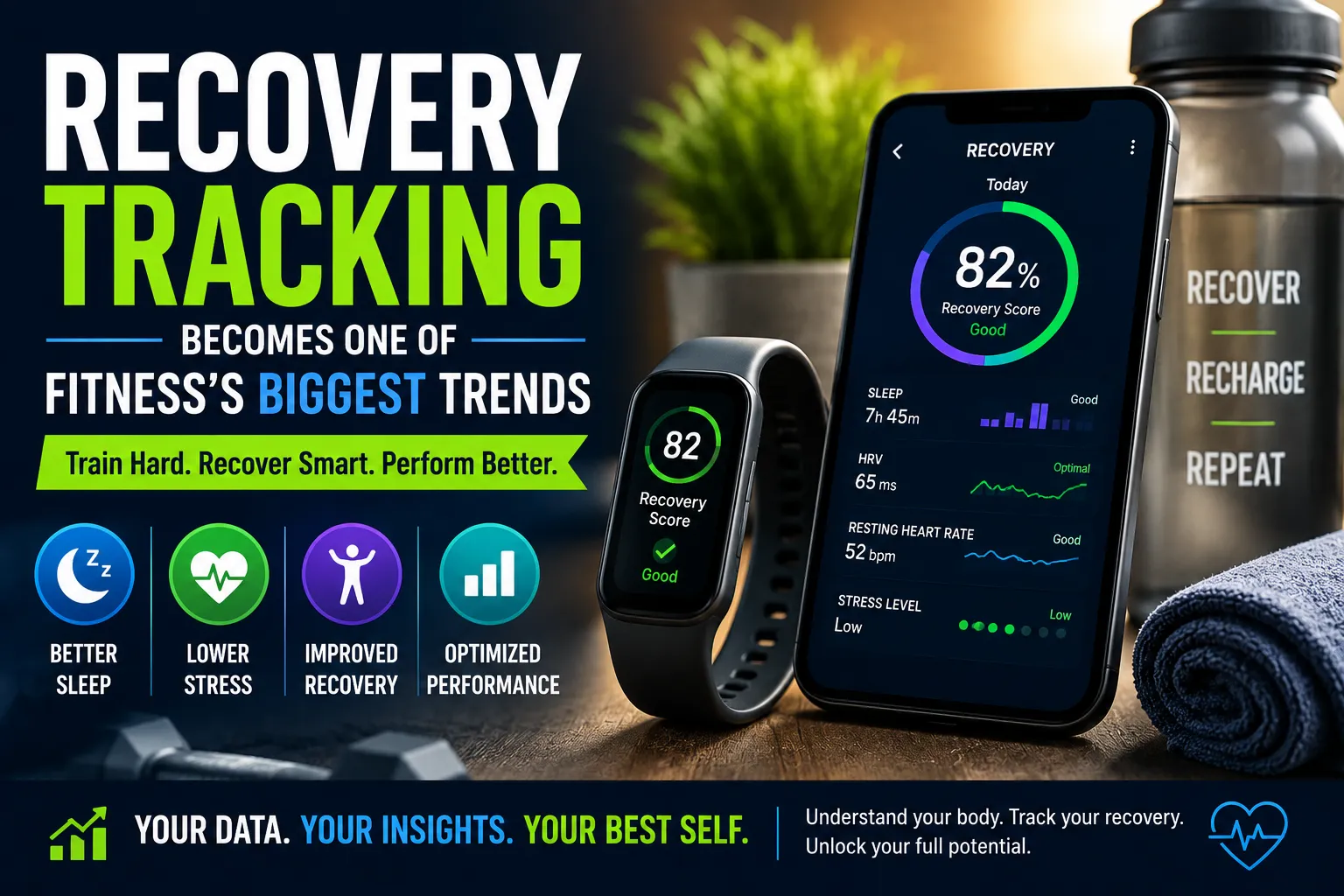

Recovery Tracking Becomes One of Fitness’s Biggest Trends
Recovery has long been considered an important part of athletic performance, but it is now becoming one of the fastest-growing areas of the fitness industry. While many people have traditionally focused on workouts, training intensity, and calorie burn, there is growing recognition that recovery plays an equally important role in improving performance, preventing injuries, and supporting long-term health.
Advances in wearable technology, fitness apps, sleep monitoring, and personalized health insights have made recovery tracking more accessible than ever. From professional athletes to recreational gym-goers, more individuals are using data to understand how well their bodies recover between workouts and make smarter training decisions.
This article explores why recovery tracking is gaining momentum, the technologies driving its growth, and what the trend means for the future of fitness.
What Is Recovery Tracking?
Recovery tracking involves monitoring various physical and physiological indicators to understand how well the body is recovering after exercise, stress, or daily activity.
Common recovery metrics include:
- Sleep quality
- Resting heart rate
- Heart rate variability (HRV)
- Training load
- Muscle soreness
- Daily activity levels
- Stress indicators
- Recovery scores
These measurements help individuals balance training with adequate recovery. For a broader look at how recovery fits into an effective exercise routine, the complete guide to physical activity and exercise provides additional context.
Why Recovery Matters
Exercise challenges the body, but improvements in fitness occur during the recovery process rather than during the workout itself.
Proper recovery helps:
- Repair muscle tissue
- Restore energy stores
- Improve athletic performance
- Reduce fatigue
- Lower injury risk
- Support immune function
- Enhance mental focus
- Promote long-term consistency
Without sufficient recovery, performance may decline despite increased training.
For people interested in the practical role of rest between workouts, how rest and recovery support healthy physical activity offers a closer look at this part of the fitness process.
Why Recovery Tracking Is Trending
Several factors have contributed to the growing popularity of recovery monitoring.
These include:
- Increased wearable device adoption
- Greater health awareness
- Personalized fitness programs
- Advances in sports science
- AI-powered fitness coaching
- Improved sleep tracking
- Data-driven training
- Preventive health strategies
Consumers are increasingly looking beyond workouts to understand overall wellness.
The Rise of Wearable Technology
Modern wearable devices have made recovery tracking available to millions of people.
Popular features include:
- Continuous heart rate monitoring
- Sleep analysis
- Activity tracking
- Recovery scoring
- Stress monitoring
- Workout detection
- Daily readiness indicators
- Personalized recommendations
Many devices automatically collect data throughout the day without requiring manual input.
The broader growth of connected fitness technology is also explored in wearable fitness technology and its role in 2026’s biggest exercise trends.
Sleep Takes Center Stage
Quality sleep has become one of the most important recovery metrics.
Good sleep supports:
- Muscle repair
- Memory consolidation
- Hormone regulation
- Immune health
- Mental performance
- Energy restoration
- Mood stability
- Physical recovery
Many recovery platforms place significant emphasis on sleep duration and consistency.
Heart Rate Variability (HRV)
Heart Rate Variability (HRV) has become one of the most widely discussed recovery indicators.
HRV reflects natural variations in the time between heartbeats.
Higher HRV often suggests:
- Better recovery
- Improved adaptability
- Lower physiological stress
- Greater readiness for training
Because HRV can vary between individuals, trends over time are generally more meaningful than a single reading.
Training Smarter Instead of Harder
Recovery tracking encourages a more balanced approach to exercise.
Instead of maximizing workout intensity every day, individuals can adjust training based on recovery data.
This may involve:
- Lighter workout days
- Additional rest
- Active recovery sessions
- Mobility work
- Stretching
- Walking
- Hydration
- Sleep prioritization
Listening to recovery signals may help improve long-term consistency.
Recovery Tools Beyond Technology
While wearable devices provide valuable information, recovery also depends on healthy habits.
Common recovery practices include:
- Quality sleep
- Balanced nutrition
- Adequate hydration
- Stretching
- Foam rolling
- Massage
- Mobility exercises
- Stress management
Technology complements these habits rather than replacing them.
Benefits for Everyday Fitness
Recovery tracking is no longer limited to elite athletes.
Recreational exercisers use recovery data to:
- Avoid overtraining
- Build consistent routines
- Improve workout quality
- Better understand fatigue
- Increase motivation
- Set realistic goals
- Support healthy aging
- Balance work and exercise
The emphasis has shifted toward sustainable fitness rather than constant high intensity.
The Role of Artificial Intelligence
Artificial intelligence is becoming increasingly important in recovery tracking.
AI-powered platforms can:
- Analyze long-term trends
- Personalize workout recommendations
- Detect unusual patterns
- Suggest recovery strategies
- Predict training readiness
- Identify potential fatigue
- Optimize exercise schedules
- Provide wellness insights
As algorithms improve, recommendations are becoming more individualized.
The same shift toward personalized digital exercise is also visible in how mobile fitness apps are transforming at-home exercise.
Challenges and Limitations
Recovery tracking provides useful guidance but should not replace professional medical advice or personal judgment.
Common limitations include:
- Device accuracy differences
- Individual variability
- Data interpretation challenges
- Sensor limitations
- Lifestyle influences
- Stress unrelated to exercise
- Incomplete health information
- Overreliance on scores
Recovery data is most valuable when viewed as part of a broader picture of overall health.
Common Recovery Myths
Several misconceptions continue surrounding recovery.
Myth: More Exercise Always Produces Better Results
Excessive training without adequate recovery can reduce performance and increase injury risk.
Myth: Rest Means Doing Nothing
Active recovery, such as light walking or stretching, may support recovery while maintaining movement.
Myth: Recovery Only Matters for Athletes
Everyone who exercises regularly can benefit from proper recovery habits.
Myth: Wearable Devices Know Everything
Wearables provide useful insights, but they cannot account for every aspect of health, nutrition, or personal circumstances.
Tips for Improving Recovery
Support healthier recovery habits by:
- Prioritizing consistent sleep.
- Staying hydrated.
- Eating balanced meals.
- Managing stress effectively.
- Including rest days.
- Performing mobility exercises.
- Listening to your body.
- Tracking long-term trends instead of daily fluctuations.
- Avoiding sudden increases in training volume.
- Maintaining consistent exercise habits.
Recovery is an ongoing process rather than a single event.
The Future of Recovery Tracking
Recovery technology continues evolving rapidly.
Emerging developments include:
- AI-powered recovery coaching
- Advanced biometric sensors
- Continuous health monitoring
- Personalized recovery plans
- Integrated nutrition guidance
- Smarter wearable devices
- Predictive performance analytics
- More holistic wellness platforms
These innovations aim to help individuals train more efficiently while supporting long-term health.
Building a Smarter Approach to Fitness
Recovery tracking is reshaping modern fitness by shifting attention from simply exercising harder to recovering smarter. As wearable technology, sports science, and artificial intelligence continue advancing, individuals have more tools than ever to understand how their bodies respond to training and daily stress.
Whether someone is preparing for athletic competition or simply working toward better health, balancing exercise with adequate recovery remains essential. By combining recovery data with healthy lifestyle habits and consistent training, people can improve performance, reduce injury risk, and build sustainable fitness routines that support long-term well-being.
Continue Reading
Similar Posts

Just 3 Minutes of Intense Exercise Could Trigger Powerful Health-Related Changes, Study Finds
That does not mean three minutes of sprinting has been proven to replace a longer workout. Instead, the findings offer a closer look at why intense exercise may produce such a rapid and wide-ranging biological response.
Read article
Is Walking Enough Exercise? New Research Reopens the Fitness Debate
The study does not prove that walking faster or taking a particular number of steps prevents death. It does, however, add to a growing body of evidence suggesting that there is no single magic step count or perfect form of exercise.
Read article
Regular Exercise Linked to Lower Risk of Death in Older Adults, New Study Finds
The findings add to a growing body of evidence suggesting that staying physically active may be important not only for maintaining strength and independence in later life, but also for improving long-term health outcomes.
Read article

Join 10,000+ Readers Building Healthier Habits
Get actionable wellness tips every week plus our newest articles delivered straight to your inbox.