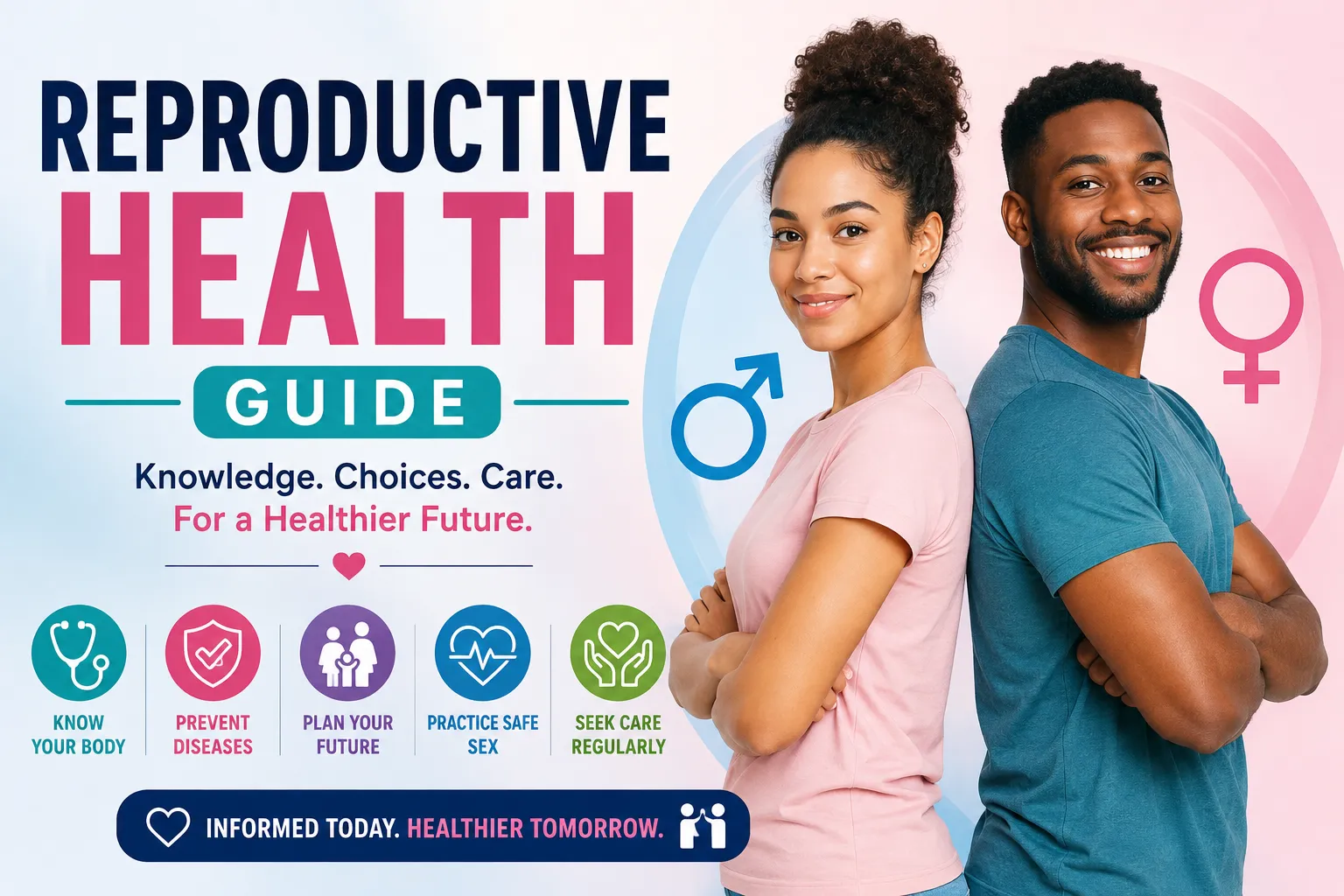

Reproductive Health Guide
Reproductive health is an essential part of overall well-being, affecting people throughout every stage of life. It encompasses the health of the reproductive system, sexual wellness, fertility, family planning, pregnancy, and the prevention and treatment of reproductive health conditions.
Good reproductive health goes beyond the absence of illness. It includes access to accurate information, preventive healthcare, healthy relationships, informed decision-making, and appropriate medical care when needed. For both women and men, maintaining reproductive health contributes to quality of life, emotional well-being, and long-term physical health.
This guide explains the fundamentals of reproductive health, common health concerns, preventive care, and healthy lifestyle practices that support reproductive wellness.
What Is Reproductive Health?
Reproductive health refers to the physical, mental, and social well-being related to the reproductive system throughout a person’s life.
It includes:
- Sexual health
- Fertility
- Pregnancy
- Family planning
- Menstrual health
- Male reproductive health
- Prevention of reproductive diseases
- Access to healthcare
Reproductive health is important regardless of age, whether or not someone plans to have children.
Why Reproductive Health Matters
Maintaining reproductive health supports both current and future well-being.
Benefits include:
- Early detection of health conditions
- Better fertility awareness
- Healthier pregnancies
- Prevention of infections
- Improved sexual wellness
- Better hormonal health
- Increased quality of life
Regular preventive care plays an important role in maintaining reproductive health.
Female Reproductive Health
The female reproductive system includes organs that support menstruation, fertility, pregnancy, and childbirth.
Key structures include:
- Ovaries
- Fallopian tubes
- Uterus
- Cervix
- Vagina
These organs work together through complex hormonal processes that regulate the menstrual cycle and reproduction.
Understanding the menstrual cycle in greater detail can help with recognizing normal patterns and identifying changes that may warrant medical attention. The Complete Guide to Menstrual Health and Cycles provides more information.
Male Reproductive Health
The male reproductive system produces and transports sperm while also producing important hormones.
Major structures include:
- Testes
- Epididymis
- Vas deferens
- Prostate gland
- Penis
Healthy reproductive function depends on hormonal balance, overall health, and lifestyle factors.
Understanding Fertility
Fertility refers to the ability to conceive a pregnancy.
Many factors can influence fertility, including:
- Age
- Overall health
- Hormone levels
- Lifestyle habits
- Certain medical conditions
- Environmental factors
Fertility varies considerably between individuals, and temporary changes do not necessarily indicate infertility.
For a broader look at fertility factors affecting both sexes, see Understanding Fertility for Women and Men.
Family Planning
Family planning allows individuals and couples to make informed decisions about if and when to have children.
It may include:
- Pregnancy planning
- Contraception
- Fertility awareness
- Preconception healthcare
- Reproductive counseling
Healthcare professionals can help individuals choose options appropriate for their personal circumstances.
Pregnancy planning can involve health assessments, lifestyle considerations, and discussions with healthcare professionals. The Pregnancy Planning Guide explores these considerations in greater detail.
Contraception
Contraception refers to methods used to reduce the likelihood of pregnancy.
Examples include:
- Barrier methods
- Hormonal contraception
- Intrauterine devices (IUDs)
- Permanent contraception
- Fertility awareness-based methods
No single method is suitable for everyone, and effectiveness varies depending on correct and consistent use.
Different options have different benefits, limitations, and potential risks. The guide to how different birth control methods work and how their benefits and risks compare provides a more detailed comparison.
Pregnancy and Prenatal Health
Healthy pregnancies benefit from early and regular prenatal care.
Important aspects include:
- Routine medical appointments
- Balanced nutrition
- Prenatal vitamins when recommended
- Physical activity, when appropriate
- Avoiding harmful substances
- Monitoring maternal and fetal health
Early prenatal care supports healthier outcomes for both parent and baby.
Preparing for pregnancy can begin before conception. How Preconception Health Can Support Reproductive Health explains how health and preventive care before pregnancy can contribute to reproductive wellness.
Pregnancy can also involve complications that require prompt recognition and management. More information is available in How Pregnancy Complications Are Recognized and Managed.
Menstrual Health
The menstrual cycle is a normal biological process that reflects hormonal changes within the body.
Healthy menstrual care includes:
- Tracking cycles
- Managing symptoms
- Maintaining hygiene
- Recognizing unusual changes
- Seeking medical advice for persistent concerns
Significant changes in menstrual patterns should be discussed with a qualified healthcare professional.
Sexual Health
Sexual health involves physical, emotional, and social well-being related to sexuality and intimate relationships.
Healthy sexual wellness includes:
- Mutual respect
- Open communication
- Informed consent
- Prevention of sexually transmitted infections (STIs)
- Access to healthcare
- Respect for personal boundaries
Good sexual health supports both physical and emotional well-being.
The ways reproductive and sexual health concerns can differ across sexes are explored further in How Sexual and Reproductive Health Differs Between Women and Men.
Preventing Sexually Transmitted Infections
Sexually transmitted infections can affect anyone who is sexually active.
Prevention strategies include:
- Practicing safer sex
- Regular health screenings
- Open communication with partners
- Vaccination where appropriate
- Seeking prompt medical evaluation for symptoms
Early diagnosis and treatment can reduce complications and help protect overall health.
Hormonal Health
Hormones regulate many aspects of reproductive function.
They influence:
- Menstrual cycles
- Fertility
- Libido
- Pregnancy
- Mood
- Bone health
Hormonal changes occur naturally throughout life, including during puberty, pregnancy, and menopause.
The transition into menopause involves significant hormonal changes. The Complete Guide to Menopause and Perimenopause provides a more focused look at this stage of reproductive health.
Lifestyle and Reproductive Health
Daily habits can influence reproductive wellness.
Healthy practices include:
- Eating a balanced diet
- Exercising regularly
- Getting adequate sleep
- Managing stress
- Maintaining a healthy body weight
- Avoiding tobacco
- Limiting alcohol consumption
These habits support overall health as well as reproductive function.
Preventive Healthcare
Routine medical care helps identify potential concerns early.
Recommended preventive measures may include:
- Regular health checkups
- Cervical cancer screening
- Breast health awareness
- Testicular self-awareness
- STI screening when appropriate
- Vaccinations
- Fertility counseling when needed
Screening recommendations vary based on age, medical history, and individual risk factors.
Breast health is an important part of preventive care for women. Understanding Women’s Breast Health provides more information about breast health and awareness.
Common Reproductive Health Conditions
Several conditions may affect reproductive health.
Examples include:
- Endometriosis
- Polycystic ovary syndrome (PCOS)
- Uterine fibroids
- Erectile dysfunction
- Benign prostate enlargement
- Infertility
- Sexually transmitted infections
Only qualified healthcare professionals can diagnose these conditions and recommend appropriate treatment.
Mental Health and Reproductive Wellness
Emotional well-being is closely connected to reproductive health.
Factors that may influence mental wellness include:
- Hormonal changes
- Fertility challenges
- Pregnancy
- Menopause
- Relationship concerns
- Chronic medical conditions
Seeking emotional support when needed is an important part of overall reproductive health.
Reproductive Health Across Life Stages
Reproductive health needs change throughout life.
Important stages include:
- Puberty
- Reproductive years
- Pregnancy
- Postpartum recovery
- Perimenopause
- Menopause
- Healthy aging
Each stage presents unique healthcare needs and opportunities for preventive care.
Postpartum recovery is an important period following pregnancy and childbirth. The Complete Guide to Postpartum Health covers health considerations during this stage.
Common Myths About Reproductive Health
Myth: Reproductive health only matters when planning to have children.
Reality: Reproductive health is important throughout life, regardless of family planning goals.
Myth: Fertility problems only affect women.
Reality: Fertility challenges can involve female factors, male factors, or a combination of both.
Myth: Preventive care is only necessary when symptoms appear.
Reality: Regular checkups and screenings help detect many conditions before symptoms develop.
When to Seek Medical Advice
Consult a qualified healthcare professional if you experience:
- Persistent pelvic pain
- Unusual bleeding
- Difficulty conceiving after an appropriate period of trying
- Changes in menstrual cycles
- Persistent reproductive symptoms
- Concerns about sexual health
- Signs of infection
Early evaluation often improves treatment options and outcomes.
The Future of Reproductive Healthcare
Advances in medicine continue improving reproductive healthcare.
Emerging developments include:
- Personalized fertility treatments
- Telehealth consultations
- Improved prenatal monitoring
- Genetic screening technologies
- Artificial intelligence-assisted diagnostics
- Expanded preventive healthcare
These innovations aim to improve access, early detection, and individualized care.
Looking Ahead
Reproductive health is a lifelong aspect of overall wellness that deserves attention, education, and preventive care. Understanding the reproductive system, practicing healthy lifestyle habits, attending regular medical checkups, and seeking professional advice when concerns arise can help individuals make informed decisions about their health.
Whether focused on fertility, family planning, pregnancy, or general well-being, prioritizing reproductive health supports healthier lives for both women and men at every stage of adulthood.
Frequently Asked Questions
What is reproductive health?
Reproductive health refers to the physical, mental, and social well-being related to the reproductive system, sexual health, fertility, and family planning.
Why is reproductive health important?
It supports fertility, pregnancy, hormonal balance, disease prevention, sexual wellness, and overall quality of life.
How can I maintain good reproductive health?
Maintain a healthy lifestyle, attend regular medical checkups, practice safer sex, stay informed about preventive care, and seek medical advice when symptoms or concerns arise.
Does reproductive health affect both women and men?
Yes. Reproductive health is important for everyone and includes the prevention, diagnosis, and management of conditions affecting both female and male reproductive systems.
When should I see a healthcare professional?
Seek medical advice if you experience persistent reproductive symptoms, unusual bleeding, pelvic pain, fertility concerns, signs of infection, or other ongoing health issues.
Key Takeaways
-
Reproductive health includes fertility, sexual wellness, pregnancy, family planning, and preventive healthcare.
-
Healthy lifestyle habits support reproductive function throughout life.
-
Regular medical checkups and appropriate screenings help detect conditions early.
-
Both women and men benefit from understanding and protecting their reproductive health.
-
Safe sexual practices and informed healthcare decisions contribute to long-term wellness.
-
Professional medical guidance is essential for diagnosing and treating reproductive health concerns.
Continue Reading
Similar Posts

How Communication Supports Sexual Health
Whether people are discussing contraception, sexual preferences, STI testing, fertility, consent, or changes in their health, clear communication can play an important role in making sexual relationships safer and healthier.
Read article
Why Health History Matters for Women
For women, keeping an accurate health history can be especially valuable because health needs can change significantly throughout different stages of life.
Read article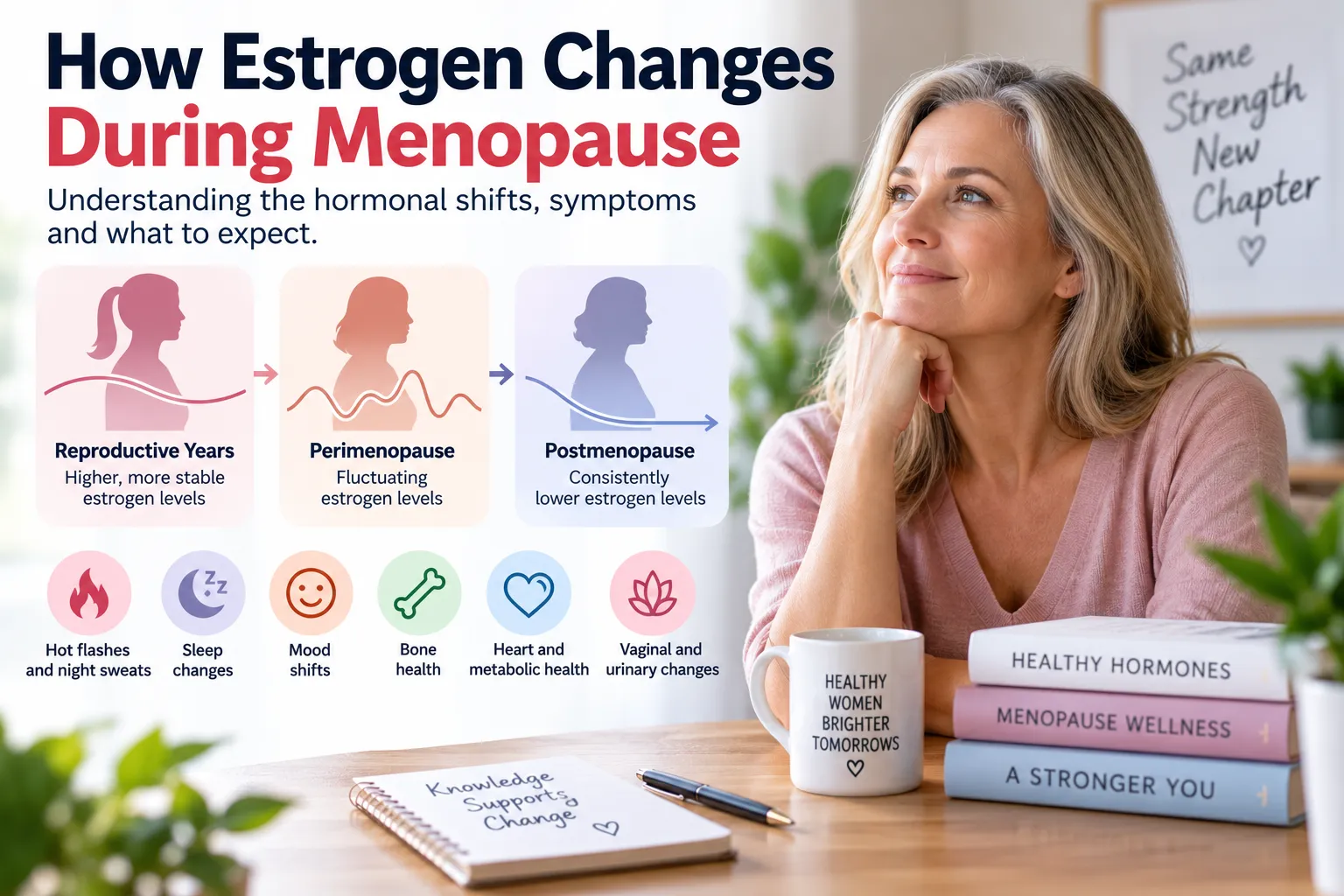
How Estrogen Changes During Menopause
Understanding how estrogen changes can make many of the physical and emotional changes associated with this stage of life easier to recognize and discuss with a healthcare professional.
Read article

Join 10,000+ Readers Building Healthier Habits
Get actionable wellness tips every week plus our newest articles delivered straight to your inbox.