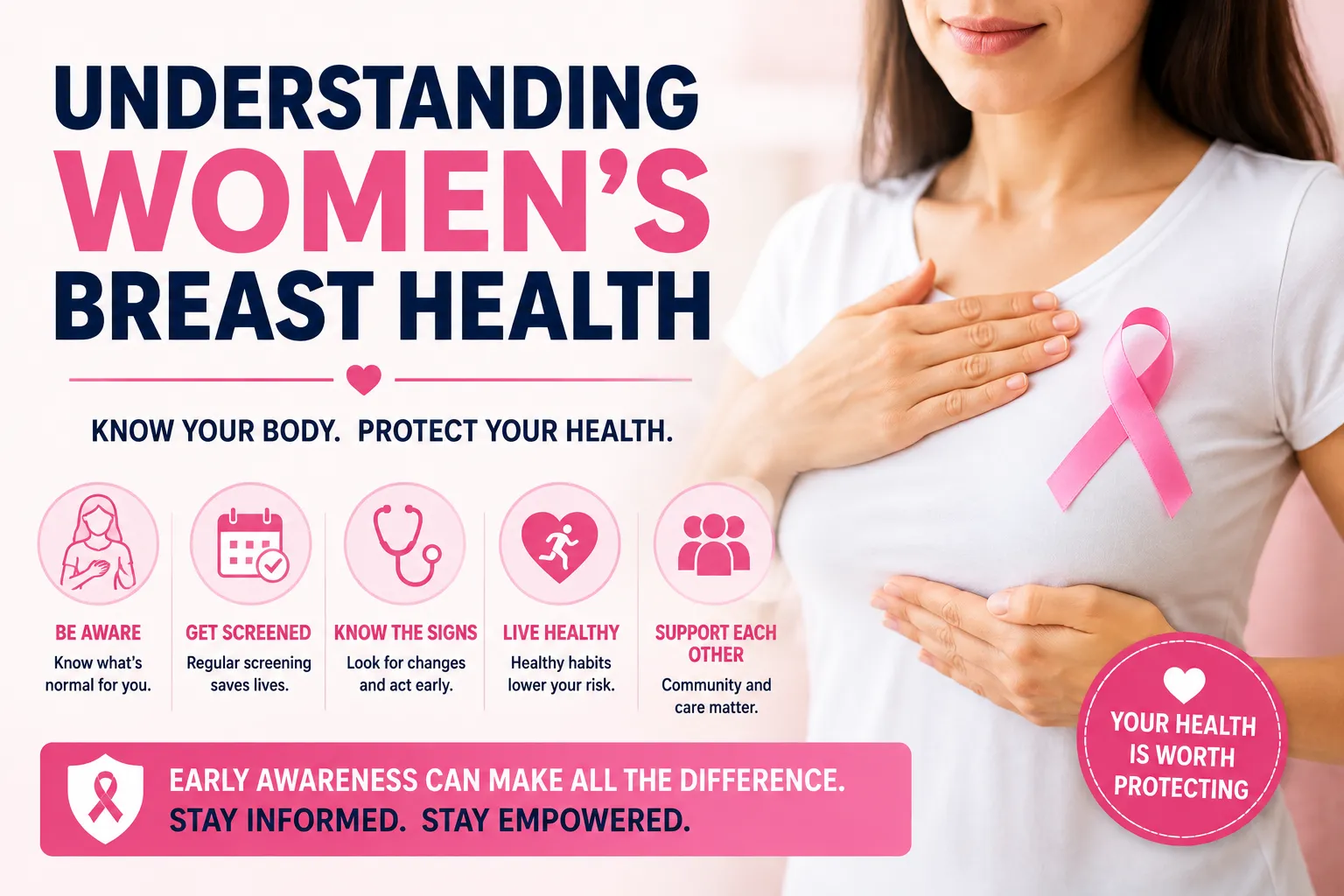

Understanding Women’s Breast Health
Breast health is an important part of women’s overall health, yet it is often discussed mainly in the context of breast cancer. In reality, breast health encompasses much more than cancer prevention. It includes understanding normal breast anatomy and changes, recognizing symptoms that deserve medical attention, knowing when screening may be appropriate, and understanding how factors such as age, hormones, pregnancy, breastfeeding, genetics and lifestyle can influence breast health.
Breasts naturally change throughout life. Menstrual cycles, pregnancy, breastfeeding, menopause, changes in body weight and certain medications can all affect how breasts look and feel. There is no single “normal” breast appearance or texture; what matters is recognizing changes that are unusual for you.
Understanding these changes can make it easier to distinguish ordinary variations from situations that need professional evaluation.
What Is Breast Health?
Breast health refers to the physical well-being of breast tissue and the awareness, prevention, screening and medical care associated with breast conditions.
Breast tissue includes:
- Lobes and lobules involved in milk production
- Ducts that transport milk
- Fatty tissue
- Connective tissue
- The nipple and areola
- Blood vessels
- Lymphatic vessels and lymph nodes
The composition of breast tissue changes over time. Hormones, age, pregnancy, breastfeeding and other factors can influence breast density and texture.
Breast health therefore isn’t about maintaining a particular breast size, shape or appearance. It is about understanding your own body and responding appropriately when something changes.
How Breasts Naturally Change Throughout Life
Breasts are not static organs.
During adolescence, hormonal changes stimulate breast development. During the menstrual cycle, hormonal fluctuations can cause temporary swelling, tenderness or changes in texture.
Pregnancy produces additional changes as breast tissue prepares for milk production. Breastfeeding can also change the appearance and feel of the breasts.
Later in life, particularly around menopause, changing hormone levels can alter breast tissue composition. Understanding these changes alongside broader information about menopause and perimenopause can help women recognize which changes may be part of a normal life transition and which may warrant professional evaluation.
These normal variations are one reason it is useful to become familiar with what is typical for you.
Breast Awareness Matters
Being breast aware means paying attention to how your breasts normally look and feel rather than following a rigid self-examination routine.
You might notice changes while:
- Bathing
- Getting dressed
- Exercising
- Applying skincare
- Breastfeeding
- During ordinary daily activities
The purpose is not to repeatedly check for cancer or diagnose yourself.
Instead, familiarity can make an unusual change easier to recognize.
Knowing how your breasts normally look and feel and discussing concerning changes with a healthcare professional can be an important part of routine breast health.
Breast Lumps Are Not Always Cancer
Finding a lump can understandably cause anxiety, but most breast lumps are not cancer.
Benign conditions such as cysts and fibrocystic breast changes can cause lumps, tenderness or changes in breast texture.
That does not mean a new lump should be ignored.
A healthcare professional can determine whether a lump requires additional assessment through examination or imaging.
The important distinction is:
A lump is a reason to seek evaluation, not a reason to assume a diagnosis.
Breast Cancer Can Occur Without Symptoms
One of the most important facts about breast health is that breast cancer does not always produce an obvious physical change.
Some breast cancers are detected through screening before a person notices a lump or other symptom. Mammography can identify some cancers at an early stage when they are too small to feel.
This is why being aware of changes and following an appropriate screening plan are complementary approaches.
Breast awareness does not replace screening.
Signs That Should Be Checked
A new or unusual breast change should be evaluated by a healthcare professional.
Possible warning signs include:
- A new lump in the breast or underarm
- Thickening or swelling of part of the breast
- Changes in breast size or shape
- Dimpling or irritation of the skin
- Redness or flaky skin around the breast or nipple
- A nipple turning inward
- Persistent nipple or breast pain
- Nipple discharge that is not breast milk, particularly if it contains blood
These can be possible breast cancer symptoms, while also resulting from conditions that are not cancer.
A symptom therefore does not automatically mean something serious has developed. It does mean the cause should be established rather than guessed.
When Breast Pain Deserves Attention
Breast pain is common and can have many causes.
Hormonal changes associated with the menstrual cycle can cause temporary tenderness. Pregnancy, breastfeeding, certain medications and benign breast conditions can also contribute to discomfort.
However, persistent, unusual or unexplained pain should be discussed with a healthcare professional, particularly when it occurs alongside another breast change.
Breast pain can have causes other than cancer, but persistent or concerning symptoms should still be evaluated.
Understanding Breast Cancer Risk
Breast cancer risk varies from person to person.
Some risk factors cannot be changed, including:
- Increasing age
- Family history
- Certain inherited genetic changes
- Personal history of breast cancer
- Certain reproductive factors
- Previous exposure to significant radiation
Other factors may be modifiable.
Alcohol consumption, physical inactivity and excess body weight after menopause are among factors associated with increased breast cancer risk.
Having a risk factor does not mean that someone will develop breast cancer.
Likewise, someone without obvious risk factors can still develop the disease.
Family History Can Matter
A close relative with breast cancer can affect an individual’s risk.
Having breast cancer in a first-degree relative—such as a mother, sister or daughter—increases risk.
Family history becomes particularly important when multiple relatives have had breast or related cancers, when cancer occurred at unusually young ages, or when there is a known inherited genetic variant associated with increased cancer risk.
People with concerning family histories may benefit from discussing individualized risk assessment with a healthcare professional.
Genetic Factors and Breast Health
Some inherited genetic variants can substantially increase breast cancer risk.
BRCA1 and BRCA2 are among the best-known examples, although other genes can also be involved.
Harmful variants in genes such as BRCA1, BRCA2, PALB2 and PTEN can be associated with substantially elevated breast cancer risk.
Genetic testing is not necessarily appropriate for everyone.
It may be considered when personal or family history suggests an increased likelihood of an inherited cancer susceptibility.
Genetic counseling can help people understand what testing may reveal and what the results could mean for screening and family members.
Breast Density Can Affect Screening
Breast density refers to the relative amounts of fibrous and glandular tissue compared with fatty tissue seen on a mammogram.
Dense breasts are common.
Dense breast tissue is associated with an increased risk of breast cancer and can also make cancer more difficult to detect on mammograms.
Having dense breasts does not mean that cancer is present.
It does, however, make individualized conversations about screening particularly relevant.
Evidence is currently insufficient to determine the benefits and harms of supplemental ultrasound or MRI screening for women with dense breasts who are otherwise at average risk.
How Mammograms Help
A mammogram is an X-ray examination of breast tissue used to look for abnormalities.
Screening mammography is designed for people who do not have breast symptoms, while diagnostic imaging may be used when a symptom or abnormal screening result requires further investigation.
Mammography can detect some breast cancers before they are large enough to feel or produce symptoms.
The appropriate screening schedule depends on factors such as age, risk and the recommendations used in the country where someone receives care.
Current U.S. Average-Risk Screening Recommendations
Screening recommendations differ between organizations and countries, so women should follow guidance appropriate to their location and individual risk.
For example, the U.S. Preventive Services Task Force (USPSTF) currently recommends mammography every two years for women ages 40 through 74 who are at average risk.
The recommendation applies to cisgender women and other people assigned female at birth in the specified age range who are at average risk.
Women with a known high-risk genetic syndrome, previous breast cancer, a history of high-dose chest radiation at a young age or certain high-risk breast lesions may need a different screening strategy.
This distinction is important because average-risk screening recommendations are not universal recommendations for every woman.
Why Screening Recommendations Differ
Different medical organizations can make somewhat different recommendations because screening involves both benefits and potential harms.
Potential benefits include finding cancers earlier.
Potential downsides include:
- False-positive results
- Additional imaging
- Biopsies
- Overdiagnosis
- Anxiety
- Radiation exposure, although the amount from mammography is relatively low
Biennial mammography from ages 40 to 74 has a moderate net benefit for women at average risk.
Women should discuss their personal circumstances with a healthcare professional rather than relying on a generalized internet schedule.
What About Breast Self-Exams?
Routine formal breast self-exams are different from breast awareness.
Evidence has not shown that regular breast self-exams reduce breast cancer deaths, and they can result in unnecessary follow-up for benign findings.
That does not mean women should ignore their breasts.
Being familiar with your normal appearance and texture remains useful.
The distinction is between knowing your normal and repeatedly performing a prescribed examination in an attempt to diagnose cancer yourself.
Breast Health During Pregnancy
Pregnancy can cause substantial breast changes.
These can include:
- Increased breast size
- Tenderness
- Changes in nipple appearance
- Increased prominence of veins
- Changes in breast texture
- Preparation of breast tissue for milk production
These changes are often normal.
However, pregnancy should not be treated as a period when concerning breast symptoms can simply be dismissed as hormonal.
A new persistent lump or other unusual change should still be discussed with a healthcare professional.
For women planning pregnancy, breast health is also one component of broader reproductive preparation, alongside topics covered in a complete guide to reproductive health.
Breastfeeding and Breast Health
Breastfeeding can produce its own breast-related changes.
Milk production, fullness and blocked ducts can cause temporary discomfort or changes in breast texture.
Breast infections such as mastitis can also occur during breastfeeding.
Persistent symptoms, severe pain, fever or a lump that does not improve should receive medical attention.
It is important not to assume that every breast problem during breastfeeding is simply part of lactation.
Menopause Changes Breast Tissue
Menopause represents another major transition.
As ovarian hormone production changes, breast tissue can become less glandular and more fatty.
Hormone therapy can also influence breast tissue and cancer risk.
Combined estrogen-plus-progestin menopausal hormone therapy is associated with increased breast cancer risk.
Women considering menopausal hormone therapy should discuss the potential benefits and risks with a healthcare professional based on their symptoms, age, medical history and individual risk profile.
Lifestyle and Breast Cancer Risk
Lifestyle cannot eliminate breast cancer risk, but certain choices can influence it.
Physical activity, maintaining a healthy weight and reducing or avoiding alcohol consumption are measures associated with lower breast cancer risk.
These behaviors also contribute to broader health.
Regular physical activity can support cardiovascular health, metabolic health, bone strength and overall well-being.
That makes healthy lifestyle habits valuable even when their effect on an individual’s breast cancer risk cannot be precisely predicted.
Breastfeeding and Cancer Risk
Breastfeeding has also been associated with a lower risk of breast cancer.
Breastfeeding for several months is identified as a protective factor.
However, breastfeeding is a personal decision influenced by many factors.
It should never be presented as a requirement for reducing breast cancer risk, and people who cannot or choose not to breastfeed should not be made to feel responsible for their future cancer risk.
Breast cancer has many contributing factors, including factors that individuals cannot control.
Hormones and Breast Health
Hormonal exposure plays an important role in breast biology.
Factors associated with longer exposure to naturally produced ovarian hormones include earlier menstruation and later menopause. Reproductive history can also influence risk.
Hormonal medications can have different effects depending on the specific medication, duration of use and individual circumstances.
This is why decisions about contraception or menopausal hormone therapy should consider the individual’s complete health history rather than focusing on breast cancer risk alone.
Alcohol and Breast Cancer Risk
Alcohol consumption is a modifiable breast cancer risk factor.
Alcohol consumption is associated with increased breast cancer risk and risk generally rises as alcohol consumption increases.
For someone concerned about breast cancer prevention, reducing alcohol intake can therefore be one practical risk-reduction measure.
This is different from saying that drinking alcohol guarantees cancer or that someone who develops breast cancer must have caused it through alcohol consumption.
Cancer develops through complex interactions among genetics, biology, environment and behavior.
Physical Activity Supports Breast Health
Regular physical activity is another potentially protective factor.
Physical activity is associated with lower breast cancer risk.
The benefits extend well beyond cancer prevention.
Regular movement can help support:
- Cardiovascular health
- Bone health
- Muscle strength
- Metabolic health
- Sleep
- Mood
- Healthy body weight
The goal does not have to be an extreme exercise routine.
Consistent, sustainable physical activity can be more practical than occasional intense workouts.
Breast Health Is Not Only About Cancer
Breast cancer receives much of the attention because of its seriousness, but many breast conditions are noncancerous.
Examples include:
- Cysts
- Fibrocystic breast changes
- Infections
- Hormonal tenderness
- Benign growths
- Changes associated with pregnancy
- Changes associated with breastfeeding
Many conditions can cause breast lumps, and most breast lumps are caused by conditions other than cancer.
That is reassuring, but it should not discourage people from getting new or persistent changes evaluated.
When to Contact a Healthcare Professional
A new breast change should be discussed with a healthcare professional, particularly if it is persistent, unusual or worsening.
Seek medical evaluation for changes such as:
- A new breast or underarm lump
- Persistent thickening
- Unexplained swelling
- Skin dimpling
- New nipple inversion
- Bloody or unusual nipple discharge
- Persistent nipple or breast pain
- A significant unexplained change in breast size or shape
- Redness, scaling or other unusual skin changes
These signs do not necessarily indicate cancer, but professional evaluation can determine the cause.
A Practical Breast Health Routine
Maintaining breast health does not need to be complicated.
A practical approach includes:
Know Your Normal
Pay attention to how your breasts typically look and feel at different points in your menstrual cycle and during major life changes.
Understand Your Risk
Discuss family history, previous breast conditions, medications and other relevant factors with your healthcare provider.
Follow Appropriate Screening
Use a screening schedule appropriate to your age and risk level.
Don’t Ignore New Changes
A new lump or unusual change deserves evaluation even if your last mammogram was normal.
Support Overall Health
Regular physical activity, maintaining a healthy weight and limiting alcohol can contribute to breast cancer risk reduction.
Keep Medical Records
Knowing your previous imaging results, biopsy history and family history can make future healthcare decisions easier.
Why Early Attention Matters
Breast health is ultimately about being proactive rather than fearful.
Most breast changes are not cancer, and many breast conditions can be successfully managed. At the same time, breast cancer can sometimes develop without noticeable symptoms, making appropriate screening important.
The strongest approach combines breast awareness, evidence-based screening, understanding personal risk and timely medical evaluation of concerning changes.
No single habit can guarantee that a woman will never develop breast cancer. Risk factors can be inherited, biological or outside an individual’s control.
But understanding those factors gives women an opportunity to make informed decisions about screening and prevention.
Making Breast Health Part of Everyday Healthcare
Breast health should not be something women think about only when they feel a lump or receive a screening reminder.
It is part of routine healthcare that changes throughout life—from adolescence and reproductive years through pregnancy, breastfeeding, menopause and older adulthood.
The most useful habits are straightforward: know what is normal for you, understand your personal risk, follow appropriate screening recommendations and seek professional evaluation when something changes.
That combination avoids two common extremes: ignoring potentially important symptoms and assuming that every breast change is cancer.
Good breast health is ultimately about informed awareness rather than fear—understanding your body well enough to recognize meaningful changes and knowing when professional care is the right next step.
Continue Reading
Similar Posts

How Communication Supports Sexual Health
Whether people are discussing contraception, sexual preferences, STI testing, fertility, consent, or changes in their health, clear communication can play an important role in making sexual relationships safer and healthier.
Read article
Why Health History Matters for Women
For women, keeping an accurate health history can be especially valuable because health needs can change significantly throughout different stages of life.
Read article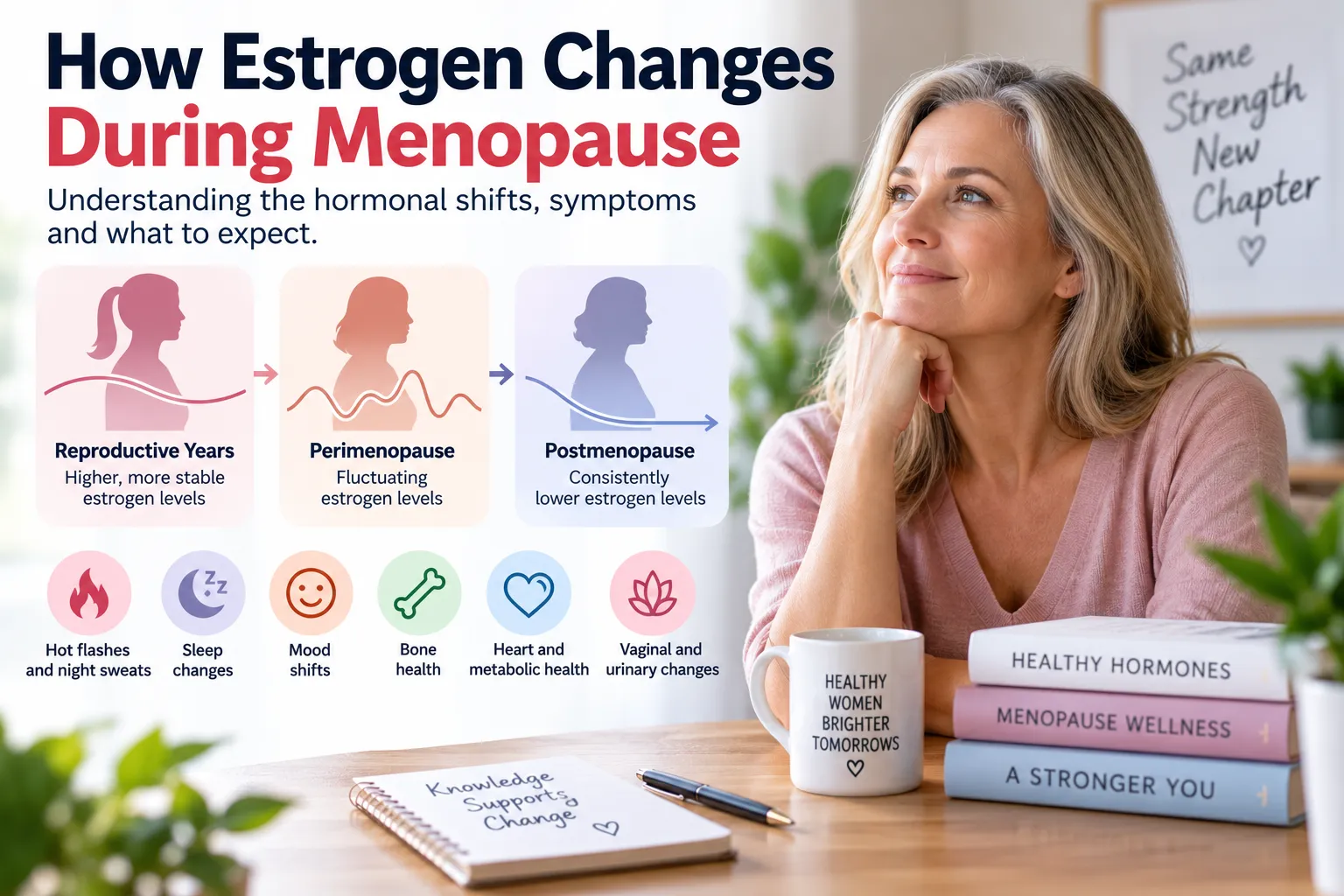
How Estrogen Changes During Menopause
Understanding how estrogen changes can make many of the physical and emotional changes associated with this stage of life easier to recognize and discuss with a healthcare professional.
Read article

Join 10,000+ Readers Building Healthier Habits
Get actionable wellness tips every week plus our newest articles delivered straight to your inbox.