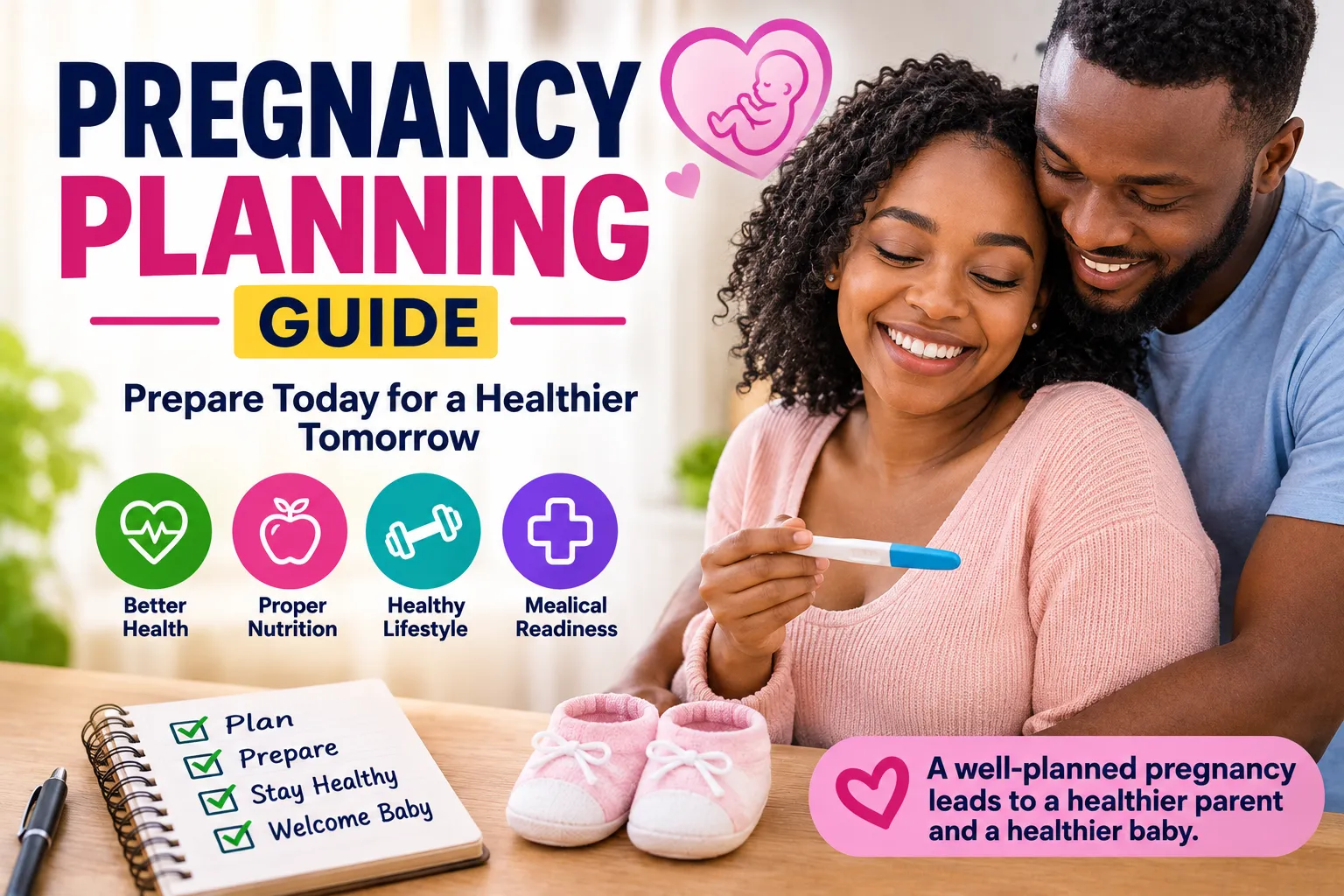

Pregnancy Planning Guide
Planning for pregnancy is one of the most important steps prospective parents can take to support a healthy pregnancy and the well-being of both parent and baby. While pregnancy often begins with a positive test, preparation ideally starts months before conception. Building healthy habits, understanding fertility, managing existing medical conditions, and seeking appropriate healthcare guidance can improve the chances of a healthy pregnancy and positive birth outcomes.
Pregnancy planning is about more than simply trying to conceive. It involves preparing physically, emotionally, financially, and medically for the journey ahead. Every individual and couple has unique circumstances, and thoughtful planning can help address potential challenges before pregnancy begins.
This guide explains what pregnancy planning involves, factors that influence fertility, healthy lifestyle habits, preconception healthcare, and practical steps to prepare for pregnancy. For broader information about reproductive health across different stages and circumstances, see the Complete Guide to Reproductive Health.
Note: This article is for educational purposes only and should not replace personalized medical advice. Individuals planning a pregnancy should consult a qualified healthcare professional for guidance tailored to their health and circumstances.
What Is Pregnancy Planning?
Pregnancy planning, sometimes called preconception planning, involves preparing for pregnancy before conception occurs.
It may include:
- Medical checkups
- Lifestyle improvements
- Nutrition planning
- Fertility awareness
- Medication review
- Financial preparation
- Emotional readiness
- Family planning discussions
Taking proactive steps before pregnancy can help support maternal and fetal health. Understanding how preconception health can support reproductive health can also help prospective parents identify areas to address before trying to conceive.
Why Pregnancy Planning Matters
Preparing before conception provides an opportunity to identify and address factors that may affect pregnancy.
Pregnancy planning can help:
- Support a healthy pregnancy
- Improve maternal health
- Reduce certain pregnancy risks
- Encourage healthy lifestyle habits
- Manage chronic medical conditions
- Review medications
- Promote healthy fetal development
- Increase confidence and preparedness
Early planning allows time to make meaningful health improvements before pregnancy begins.
Schedule a Preconception Checkup
A healthcare provider can help assess overall health before pregnancy.
A preconception appointment may include:
- Medical history review
- Physical examination
- Blood pressure assessment
- Vaccination review
- Medication evaluation
- Family medical history discussion
- Lifestyle assessment
- Recommended laboratory tests
This visit helps identify any health concerns that may require attention before conception.
Understanding Fertility
Fertility refers to the ability to conceive a pregnancy.
Factors that influence fertility include:
- Age
- Overall health
- Ovulation
- Sperm health
- Lifestyle habits
- Medical conditions
- Hormonal balance
- Reproductive health
Fertility varies significantly between individuals, and conception may take time even among healthy couples. Learning more about understanding fertility for women and men can provide useful context about the factors that may influence conception.
Nutrition Before Pregnancy
A balanced diet supports overall reproductive health.
Nutritious foods include:
- Fruits
- Vegetables
- Whole grains
- Lean proteins
- Healthy fats
- Dairy or fortified alternatives
- Legumes
- Nuts and seeds
Eating a variety of nutrient-rich foods helps prepare the body for pregnancy.
The Importance of Folic Acid
Healthcare professionals commonly recommend adequate folic acid intake before conception and during early pregnancy because it supports normal fetal development.
Sources may include:
- Fortified grains
- Leafy green vegetables
- Beans
- Citrus fruits
- Prenatal supplements when recommended
Discuss appropriate supplementation with a healthcare provider before becoming pregnant.
Maintain a Healthy Lifestyle
Healthy habits support both fertility and pregnancy.
Helpful practices include:
- Regular physical activity
- Balanced nutrition
- Adequate sleep
- Stress management
- Staying hydrated
- Maintaining a healthy weight
- Avoiding tobacco products
- Limiting or avoiding alcohol as advised
Consistency is generally more beneficial than making sudden lifestyle changes.
Review Medications
Some prescription, over-the-counter, and herbal products may not be appropriate during pregnancy.
Discuss with a healthcare provider:
- Prescription medications
- Vitamins
- Supplements
- Herbal products
- Pain relievers
- Allergy medications
- Chronic disease treatments
- Mental health medications
Never stop prescribed medications without professional guidance.
Vaccinations and Preventive Care
Staying current with recommended vaccinations may help protect both parent and baby.
A healthcare provider may review:
- Routine immunizations
- Travel-related vaccines
- Infectious disease history
- Preventive screenings
- Dental health
- Vision care
- General wellness
Preventive care supports overall health before pregnancy.
Chronic Health Conditions
Managing existing medical conditions before conception is important.
Examples include:
- Diabetes
- High blood pressure
- Thyroid disorders
- Asthma
- Autoimmune conditions
- Epilepsy
- Heart disease
- Mental health conditions
Working with healthcare professionals can help optimize treatment before pregnancy. If there is a history of pregnancy-related health concerns, understanding how pregnancy complications are recognized and managed can also help prospective parents know what kinds of concerns may require medical attention.
Mental and Emotional Preparation
Pregnancy planning also involves emotional well-being.
Helpful strategies include:
- Open communication
- Managing stress
- Building support networks
- Learning about pregnancy
- Discussing parenting goals
- Planning for work-life balance
- Seeking counseling if needed
- Setting realistic expectations
Emotional preparation can make the transition to parenthood smoother.
Financial Planning
Preparing financially can reduce future stress.
Consider planning for:
- Medical expenses
- Health insurance
- Maternity leave
- Childcare
- Baby supplies
- Emergency savings
- Household budget
- Long-term financial goals
Early planning allows families to prepare for changing expenses.
Healthy Habits for Both Partners
Pregnancy planning often involves both partners.
Supportive habits include:
- Eating nutritious meals
- Exercising regularly
- Sleeping well
- Avoiding tobacco products
- Limiting excessive alcohol consumption
- Managing stress
- Attending medical appointments together
- Discussing shared parenting goals
Healthy lifestyle choices benefit overall reproductive health.
Common Myths About Pregnancy Planning
Several misconceptions surround pregnancy preparation.
Myth: Preparation Begins After Pregnancy
Many important health decisions are most effective before conception occurs.
Myth: Fertility Depends Only on Women
Male reproductive health also plays an important role in conception.
Myth: Healthy People Do Not Need Preconception Care
Even healthy individuals can benefit from medical guidance before pregnancy.
Myth: Pregnancy Happens Immediately
Conception timelines vary widely, and it may take several months for healthy couples to become pregnant.
When to Seek Medical Advice
Consider speaking with a healthcare professional if:
- Pregnancy has not occurred after an appropriate period of trying based on age and individual circumstances.
- You have irregular menstrual cycles.
- You have a known medical condition.
- You have experienced previous pregnancy complications.
- You have concerns about fertility or reproductive health.
Early medical guidance may help identify and address underlying issues.
Tips for Preparing for Pregnancy
Support a healthy pregnancy journey by:
- Scheduling a preconception checkup.
- Eating a balanced diet.
- Taking recommended prenatal supplements if advised.
- Staying physically active.
- Managing stress effectively.
- Getting enough sleep.
- Reviewing medications with your healthcare provider.
- Maintaining regular medical and dental care.
- Building a strong support system.
- Planning financially and emotionally for parenthood.
Preparation before pregnancy can contribute to greater confidence and healthier outcomes.
The Future of Pregnancy Planning
Advances in reproductive medicine continue improving preconception care.
Emerging developments include:
- Personalized reproductive healthcare
- Genetic counseling
- Digital fertility tracking
- Telehealth consultations
- AI-assisted fertility insights
- Improved prenatal screening
- Precision nutrition
- Expanded reproductive health education
These innovations aim to provide more individualized support for people planning a pregnancy.
Preparing for the Next Stage
Pregnancy planning is an important opportunity to prepare physically, emotionally, and medically for one of life’s most significant experiences. By adopting healthy habits, managing existing health conditions, reviewing medications, and seeking professional guidance before conception, prospective parents can create a strong foundation for a healthy pregnancy.
Although every pregnancy journey is unique, thoughtful preparation can help reduce uncertainty and support both parental well-being and healthy fetal development. Working closely with qualified healthcare professionals ensures that pregnancy planning is tailored to individual health needs, goals, and circumstances.
Continue Reading
Similar Posts

How Communication Supports Sexual Health
Whether people are discussing contraception, sexual preferences, STI testing, fertility, consent, or changes in their health, clear communication can play an important role in making sexual relationships safer and healthier.
Read article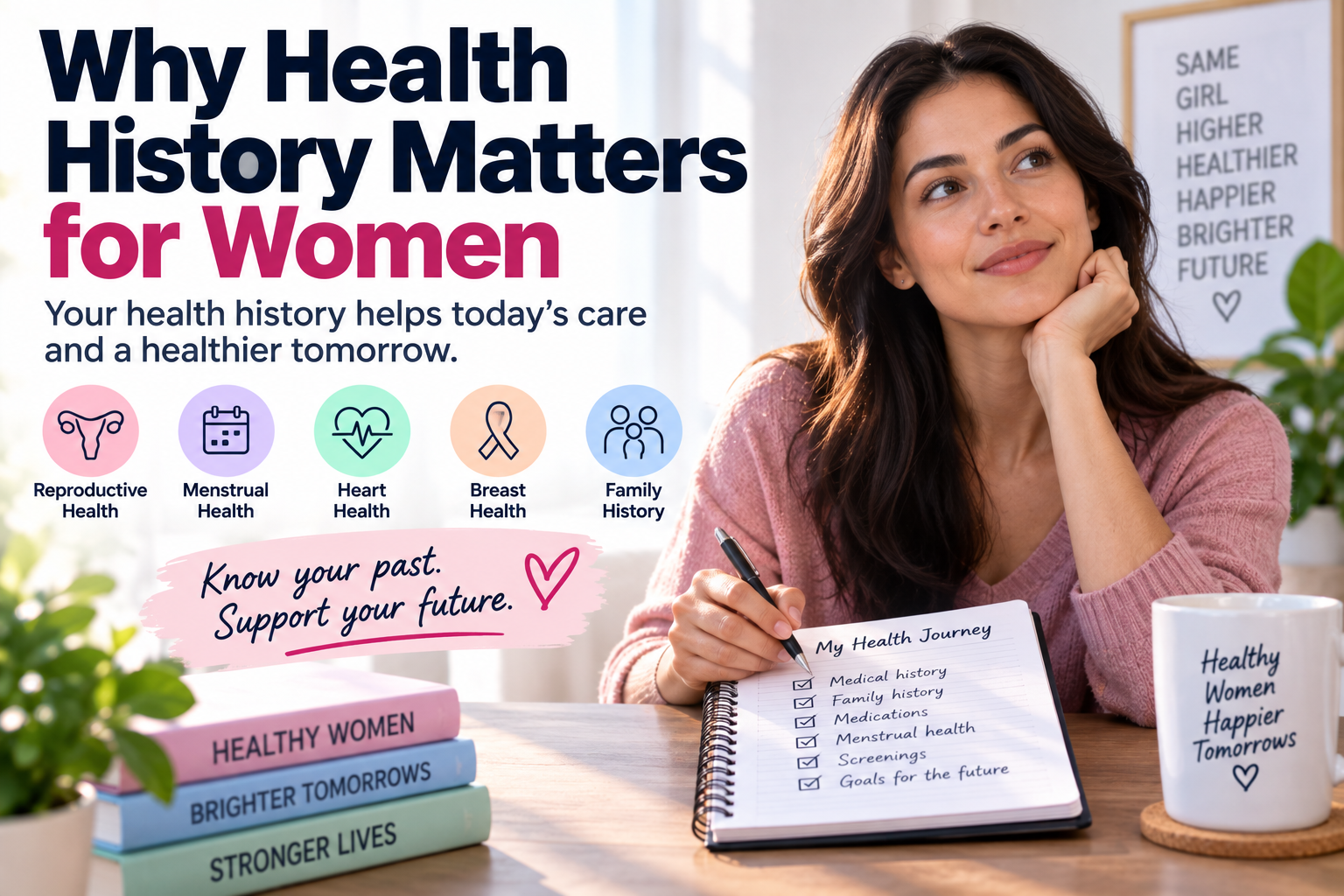
Why Health History Matters for Women
For women, keeping an accurate health history can be especially valuable because health needs can change significantly throughout different stages of life.
Read article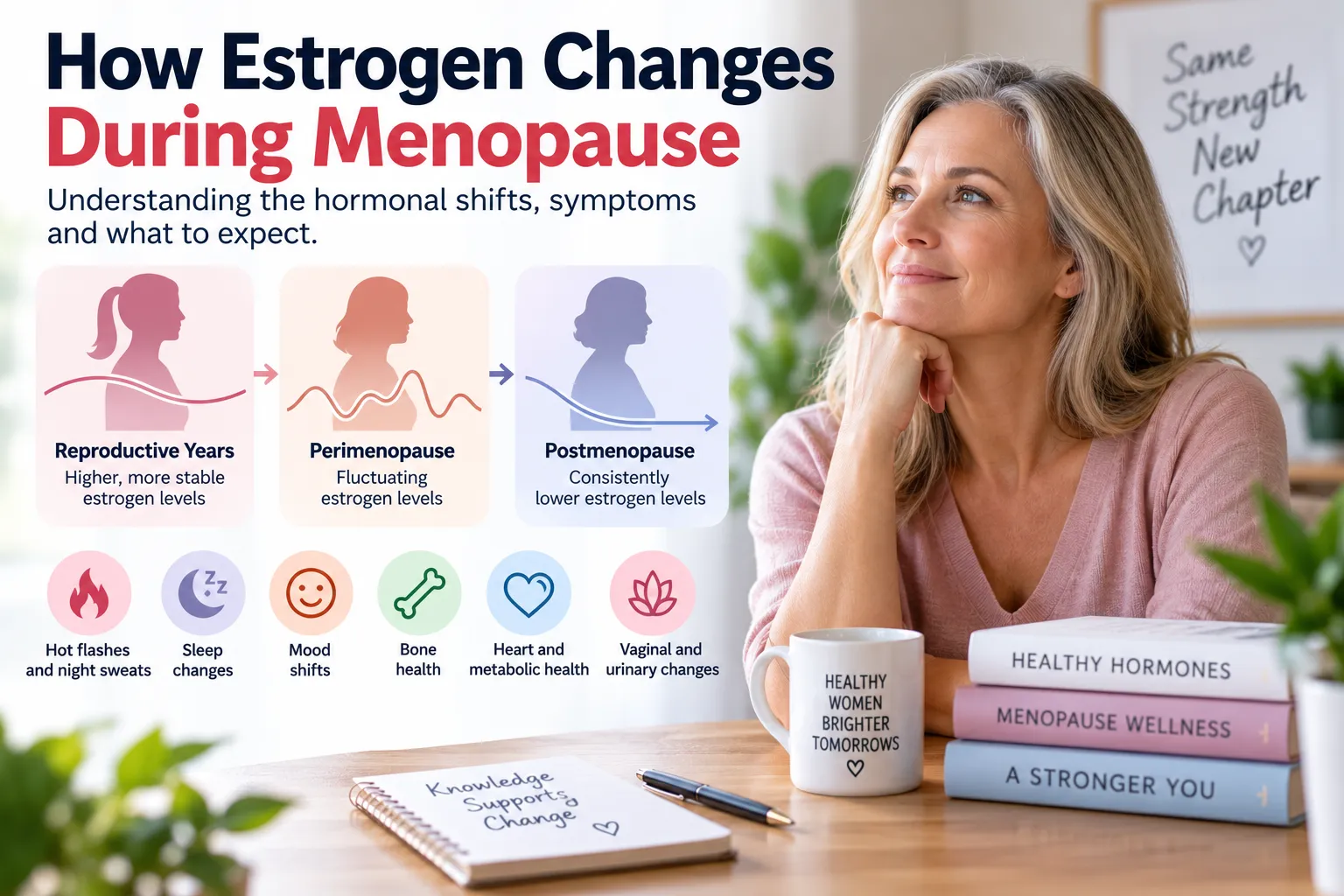
How Estrogen Changes During Menopause
Understanding how estrogen changes can make many of the physical and emotional changes associated with this stage of life easier to recognize and discuss with a healthcare professional.
Read article

Join 10,000+ Readers Building Healthier Habits
Get actionable wellness tips every week plus our newest articles delivered straight to your inbox.