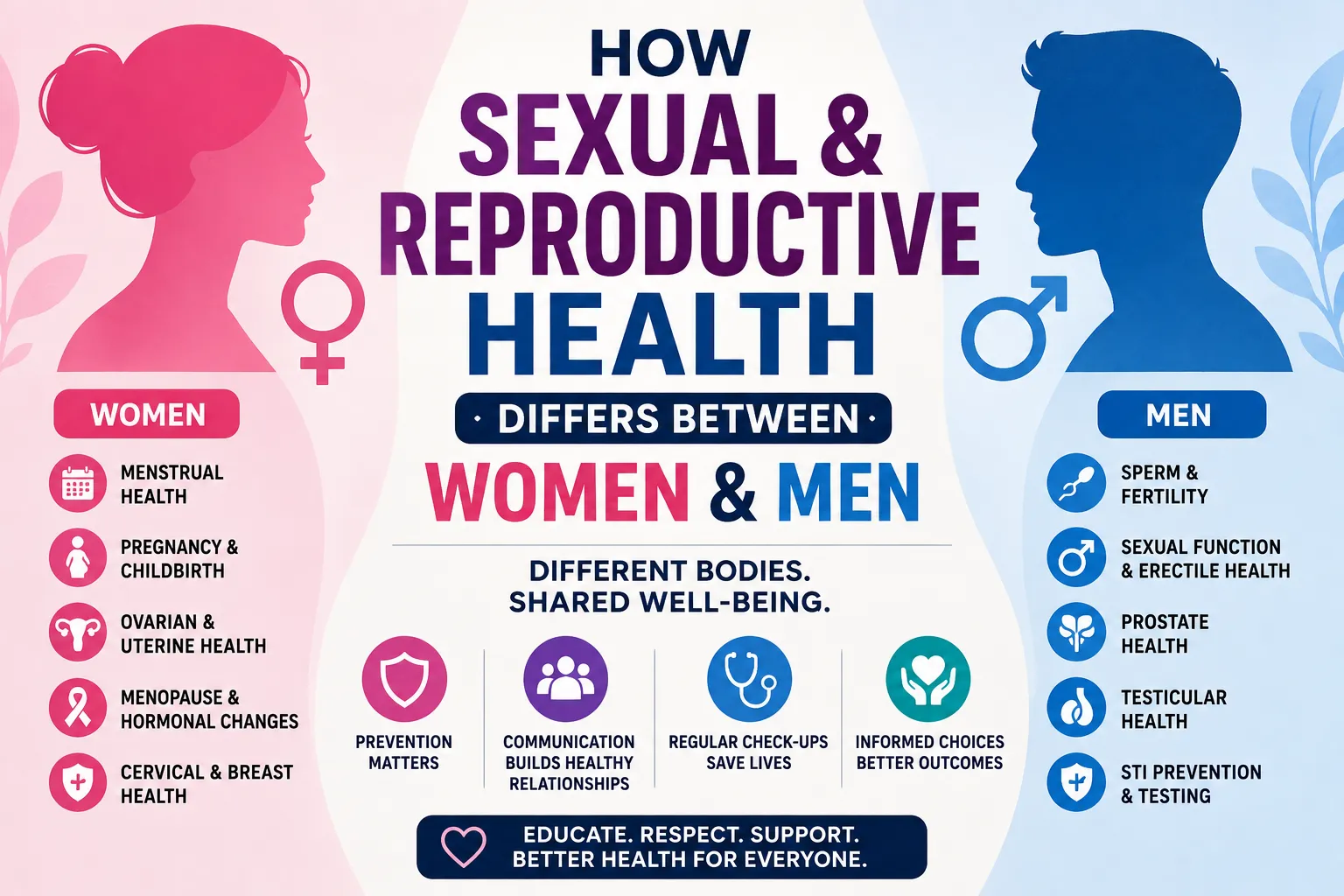

How Sexual and Reproductive Health Differs Between Women and Men
Sexual and reproductive health affects everyone, but it does not look exactly the same in women and men.
Biological differences in reproductive anatomy, hormones, fertility, pregnancy, and aging create different health needs. At the same time, sexual health is influenced by much more than biology. Access to healthcare, relationships, social expectations, income, education, safety, and personal circumstances can all affect outcomes.
The World Health Organization defines sexual health broadly as physical, emotional, mental, and social well-being related to sexuality—not simply the absence of disease. Reproductive health similarly includes the ability to have a safe and satisfying sex life, reproduce if desired, and decide whether, when, and how often to have children.
Understanding the differences between women’s and men’s sexual and reproductive health can make it easier to recognize health concerns, seek appropriate care, and have informed conversations about prevention and treatment. These differences are part of the broader picture covered in the complete guide to reproductive health.
Important terminology: This article discusses typical biological differences associated with female and male reproductive systems. Sex and gender are not identical, and biological characteristics vary among individuals, including people with intersex variations and transgender people. Healthcare needs should therefore be based on a person’s anatomy, physiology, medical history, and individual circumstances rather than assumptions alone.
What Sexual and Reproductive Health Includes
Sexual and reproductive health covers a much broader area than pregnancy or sexually transmitted infections.
It can include:
- Sexual function and well-being
- Fertility
- Contraception
- Pregnancy and childbirth
- Menstrual health
- Menopause
- Erectile and sexual-function concerns
- Sexually transmitted infections (STIs)
- Reproductive cancers
- Infertility
- Sexual consent and healthy relationships
- Prevention of sexual violence
- Sexual-health education
- Access to appropriate healthcare
WHO emphasizes that sexual health applies throughout life, not only during the years when a person can have children.
The Basic Biological Difference
The most fundamental difference comes from reproductive anatomy.
Typically, women have reproductive systems involving the ovaries, fallopian tubes, uterus, cervix, and vagina. The ovaries produce eggs and reproductive hormones, while the uterus provides the environment in which a pregnancy can develop.
Typically, men have reproductive systems involving the testes, epididymis, prostate, seminal vesicles, penis, and other structures. The testes produce sperm and reproductive hormones.
These differences influence fertility, contraception, sexual function, reproductive diseases, and healthcare needs.
They do not, however, determine every aspect of a person’s sexual experience.
Women’s Reproductive Health Includes Menstrual Health
Menstruation is a major part of reproductive health for many women during the reproductive years.
The menstrual cycle involves coordinated changes in reproductive hormones and the reproductive organs.
A typical cycle includes processes associated with:
- Preparation of the uterine lining
- Development of an egg-containing follicle
- Ovulation
- Hormonal changes
- Menstruation if pregnancy does not occur
Cycles can vary considerably between individuals and can change with age, stress, illness, medications, pregnancy, and other factors.
Changes such as unusually heavy bleeding, persistent pelvic pain, very irregular cycles, or significant changes from a person’s normal pattern may warrant medical evaluation.
For a more detailed look at these processes, the complete guide to menstrual health and cycles explores menstrual patterns and the factors that can affect them.
Men Do Not Experience Menstruation or Pregnancy
Men do not have ovaries or a uterus in the typical male reproductive system, so they do not menstruate or carry pregnancies.
Instead, male reproductive health includes processes such as sperm production and the function of the testes, prostate, and other reproductive structures.
Sperm production can continue for many years, although fertility and reproductive function can change with age and health.
This creates an important difference in how reproductive aging affects women and men.
Pregnancy Creates Unique Health Needs for Women
Pregnancy is one of the most significant differences between typical female and male reproductive health.
A woman who becomes pregnant experiences substantial physical and physiological changes as the body supports fetal development.
Pregnancy affects multiple systems, including:
- Cardiovascular function
- Hormones
- Metabolism
- Musculoskeletal function
- Immune responses
- Blood volume
- Reproductive organs
Pregnancy can be a normal physiological process, but it also involves potential health risks and therefore requires appropriate prenatal care.
WHO identifies maternal and perinatal health as a major component of sexual and reproductive healthcare.
Childbirth Adds Another Layer of Care
The reproductive health needs associated with pregnancy do not end when a baby is born.
Postpartum care can involve physical recovery, reproductive health, mental well-being, breastfeeding where applicable, contraception, and monitoring for complications.
The experience of childbirth can also have longer-term implications for pelvic health and sexual function.
This is one reason reproductive healthcare for women extends well beyond contraception and pregnancy testing.
Men Face Their Own Reproductive Health Concerns
Men do not experience pregnancy or childbirth, but male reproductive health has its own challenges.
These can include:
- Erectile dysfunction
- Ejaculatory problems
- Testicular disorders
- Prostate conditions
- Hormonal disorders
- Low sperm production
- Problems with sperm movement or function
- Sexually transmitted infections
- Testicular cancer
- Prostate cancer
These conditions can affect sexual function, fertility, quality of life, or general health.
Men may also be less likely to seek medical attention for sensitive reproductive or sexual concerns, making awareness and routine healthcare particularly important.
Fertility Depends on Both Partners
Fertility is sometimes incorrectly viewed as primarily a woman’s health issue.
In reality, infertility can involve female factors, male factors, both partners, or situations in which no clear cause is identified.
WHO estimates that approximately one in six people worldwide experience infertility during their lifetime. The organization notes that infertility can result from male factors, female factors, a combination of factors, or unexplained causes.
Male fertility can be affected by sperm production, sperm quality, reproductive anatomy, hormones, certain medical conditions, medications, and lifestyle factors.
Female fertility can be affected by ovulation, reproductive anatomy, age, hormonal conditions, and other health factors.
For a closer examination of these factors in both partners, the complete guide to fertility for women and men explains how fertility works and when evaluation may be appropriate.
Age Affects Female and Male Fertility Differently
Age is relevant to fertility in both women and men, but the pattern is different.
Women are born with a finite number of eggs, and fertility generally declines with age, particularly as ovarian reserve and egg quality change.
Men can continue producing sperm throughout much of adulthood, but sperm production and quality can also change with increasing age.
This difference means that reproductive aging does not follow the same biological timeline in women and men.
Menopause Is a Distinctive Female Health Transition
Menopause is another major difference in reproductive aging.
Menopause occurs when menstrual periods permanently stop as a result of the decline in ovarian reproductive function. It typically occurs during midlife, although the timing varies.
The transition can involve symptoms such as:
- Hot flashes
- Night sweats
- Sleep changes
- Vaginal dryness
- Changes in menstrual patterns
- Mood changes
- Changes in sexual comfort or desire
Menopause is not a disease, but symptoms can significantly affect quality of life for some people.
Healthcare options are available for troublesome symptoms, and treatment should be individualized. The complete guide to menopause and perimenopause provides more detail about this reproductive transition and the changes that can occur around it.
Men Experience Hormonal Changes Too
Men do not experience menopause in the same biological way as women.
Testosterone levels generally change gradually rather than undergoing the relatively abrupt reproductive transition associated with menopause.
Some men develop clinically significant low testosterone because of medical conditions or other causes.
Symptoms can include changes in sexual desire, erectile function, energy, muscle mass, or mood, although these symptoms can have many possible causes.
Aging alone does not automatically mean that testosterone treatment is appropriate.
Sexual Function Is Influenced by Hormones
Hormones play important roles in sexual and reproductive health in both women and men.
Estrogen, progesterone, testosterone, and other hormones influence reproductive processes and can affect aspects of sexual function.
However, sexual desire and sexual satisfaction cannot be explained by hormones alone.
They can also be influenced by:
- Stress
- Sleep
- Mental health
- Relationships
- Medications
- Physical health
- Past experiences
- Communication
- Pain
- Hormonal changes
- Cultural and social factors
This is why sexual health should be approached as a multidimensional aspect of well-being rather than simply a question of hormone levels.
Erectile Health Is a Male-Specific Concern
Erectile dysfunction refers to difficulty achieving or maintaining an erection sufficient for satisfactory sexual activity.
It can occur for many reasons.
Potential contributors include:
- Cardiovascular disease
- Diabetes
- High blood pressure
- Certain medications
- Hormonal disorders
- Nerve problems
- Psychological factors
- Smoking
- Alcohol use
- Other health conditions
Persistent erectile difficulties should not simply be dismissed as an unavoidable consequence of aging.
In some cases, erectile dysfunction can be associated with underlying health problems that deserve medical attention.
Sexual Pain Can Affect Women
Pain during sexual activity is another important sexual-health concern.
Possible causes can include:
- Vaginal dryness
- Hormonal changes
- Infections
- Pelvic-floor problems
- Endometriosis
- Certain gynecological conditions
- Previous injury
- Psychological factors
- Relationship or emotional factors
Pain during sex is not something a person should simply be expected to tolerate.
Persistent or recurrent pain deserves appropriate medical assessment.
Contraception Affects Women and Men Differently
Contraception is relevant to both partners, but many contraceptive methods place the physical responsibility primarily on the woman.
Women’s contraceptive options can include:
- Oral contraceptive pills
- Intrauterine devices
- Hormonal implants
- Injectable contraception
- Contraceptive patches
- Vaginal rings
- Barrier methods
- Fertility-awareness approaches
- Permanent contraception
Men have fewer established contraceptive options.
Currently available male-controlled approaches include:
- Condoms
- Withdrawal
- Vasectomy
Condoms have the additional benefit of helping reduce the risk of many sexually transmitted infections when used correctly and consistently.
For a more detailed comparison of available options, see the guide to how different birth control methods work and how their benefits and risks compare.
Contraception Is a Shared Responsibility
Although the physical effects of some contraceptive methods fall primarily on one partner, pregnancy prevention is fundamentally a shared responsibility.
Partners can discuss:
- Whether they want children
- When they might want children
- Which contraception is acceptable
- STI prevention
- Condom use
- Possible side effects
- Long-term reproductive goals
Open communication can make contraceptive decisions more effective and respectful.
WHO identifies contraception and family planning as core components of sexual and reproductive healthcare.
Sexually Transmitted Infections Can Affect Everyone
STIs do not belong exclusively to women’s or men’s health.
Anyone who is sexually active can potentially acquire or transmit an STI depending on the type of sexual contact and other circumstances.
STIs can include infections caused by:
- Bacteria
- Viruses
- Parasites
Some infections produce obvious symptoms.
Others can remain unnoticed for extended periods.
This is why testing, prevention, vaccination where available, and appropriate treatment are important components of sexual health.
WHO includes prevention and treatment of STIs, including HIV, within comprehensive sexual and reproductive healthcare.
Some STIs Can Produce Different Consequences
An infection can affect women and men differently because of anatomy and reproductive biology.
For example, some untreated infections can cause complications involving reproductive organs and fertility.
In women, certain untreated STIs can contribute to pelvic inflammatory disease and potentially affect fertility.
Men can also experience reproductive complications, including inflammation affecting structures involved in sperm transport.
The specific risk depends on the infection and whether it is diagnosed and treated.
HPV Is Important for Both Sexes
Human papillomavirus, commonly known as HPV, is one of the most widespread sexually transmitted infections.
Certain HPV types can cause genital warts, while others are associated with several cancers.
HPV can affect people of different sexes, and vaccination can help prevent infections from HPV types associated with cancer and genital warts.
Because HPV can affect both women and men, prevention should not be viewed as exclusively a women’s health issue.
Cervical Cancer Is a Female Reproductive Health Concern
Cervical cancer develops in the cervix, which is part of the female reproductive system.
Persistent infection with high-risk types of HPV is a major cause of cervical cancer.
Prevention can involve:
- HPV vaccination
- Appropriate cervical screening
- Follow-up of abnormal screening results
- Treatment of precancerous changes
This is an example of how reproductive anatomy creates specific screening needs.
Prostate Health Is a Major Male Concern
The prostate is a gland in the male reproductive system.
As men age, the prostate can become enlarged, producing urinary symptoms such as difficulty starting urination, weak flow, or frequent urination.
An enlarged prostate is not the same thing as prostate cancer.
Prostate cancer is another important male health concern, although screening decisions need to take individual age, risk factors, and preferences into account.
Testicular Health Matters Too
The testes are responsible for producing sperm and testosterone.
Problems affecting the testes can therefore influence both fertility and hormone production.
Men should be aware of persistent changes such as:
- A new lump
- Swelling
- Persistent pain
- Changes in size
- A feeling of heaviness
Not every testicular change is cancer, but unexplained or persistent changes should be assessed by a healthcare professional.
Breast Health Is Not Exclusively a Women’s Issue
Breast cancer occurs much more commonly in women, but men can develop breast cancer too.
Men should not automatically assume that a breast lump or other unusual change is harmless simply because breast cancer is less common in men.
The appropriate evaluation depends on the person’s symptoms and risk factors.
This illustrates a broader point: biological differences affect risk levels, but they rarely create absolute boundaries.
Sexual Health Includes Mental and Emotional Well-Being
Sexual health is not simply about reproductive organs.
WHO explicitly defines sexual health in terms of physical, emotional, mental, and social well-being.
Stress, anxiety, depression, relationship difficulties, body-image concerns, previous trauma, and other psychological factors can influence sexual desire and function.
These issues can affect both women and men.
A person experiencing sexual difficulties should not assume that the problem must be purely physical.
Healthy Relationships Matter
Communication and consent are fundamental parts of sexual health.
A healthy sexual relationship should involve:
- Mutual consent
- Respect
- Communication
- Freedom from coercion
- Appropriate protection from infections
- Consideration of each person’s comfort and boundaries
WHO’s definition of sexual health specifically emphasizes safe and pleasurable sexual experiences free from coercion, discrimination, and violence.
Gender Roles Can Affect Health Outcomes
Biology is only one part of the picture.
Social expectations can also influence sexual and reproductive health.
For example, cultural expectations about masculinity may discourage some men from discussing erectile problems, infertility, or other sensitive health concerns.
Women may face barriers involving access to contraception, reproductive services, decision-making power, or social expectations.
WHO notes that gender norms, roles, expectations, and power dynamics can significantly influence sexual health.
Access to Healthcare Matters
Two people with the same medical condition can have very different outcomes depending on whether they can access appropriate care.
Barriers can include:
- Cost
- Distance
- Lack of information
- Stigma
- Discrimination
- Privacy concerns
- Shortages of healthcare professionals
- Cultural barriers
- Fear of judgment
WHO emphasizes that access to high-quality sexual and reproductive health information and services is an important part of achieving sexual and reproductive well-being.
Prevention Looks Different for Different People
Prevention should be tailored to individual circumstances.
For women, this may include:
- Appropriate cervical screening
- Pregnancy planning
- Contraceptive care
- Prenatal care when pregnant
- Postpartum care
- Menopause care
- STI prevention and testing
For men, it may include:
- STI prevention and testing
- Testicular health awareness
- Sexual-function evaluation when needed
- Prostate-health discussions
- Fertility assessment when appropriate
- Cardiovascular and metabolic health management
Both groups benefit from vaccination where recommended, healthy lifestyle habits, safer-sex practices, and regular healthcare.
Infertility Should Be Approached as a Couple’s Health Issue
When pregnancy does not occur as expected, it is important not to automatically assume that the woman is responsible.
Infertility can arise from female factors, male factors, combined factors, or unexplained causes.
Evaluation may therefore involve both partners.
This approach can lead to earlier identification of treatable problems and reduces the tendency to place responsibility on one person without medical evidence.
Sexual Health Changes Across the Life Course
Sexual and reproductive health is not static.
Needs can change during:
- Adolescence
- Early adulthood
- Pregnancy
- Parenthood
- Midlife
- Menopause
- Older age
WHO emphasizes that sexual health remains relevant throughout a person’s life, including during older adulthood.
A person’s healthcare needs should therefore change as their circumstances and physiology change.
Women and Men Share Many Sexual Health Needs
Despite important biological differences, women and men have many common needs.
Both benefit from:
- Accurate sexual-health information
- Access to healthcare
- STI prevention
- Respectful relationships
- Consent
- Appropriate contraception
- Fertility information
- Mental-health support
- Screening appropriate to individual risk
- Treatment for sexual dysfunction
- Protection from sexual violence
The differences should not obscure these common foundations.
A Simple Comparison
| Area | Women | Men |
|---|---|---|
| Typical reproductive organs | Ovaries, uterus, cervix, vagina and related structures | Testes, prostate, penis and related structures |
| Menstruation | Usually occurs during reproductive years | Does not occur |
| Pregnancy | Can become pregnant and carry pregnancy in typical female reproductive anatomy | Does not carry pregnancy in typical male reproductive anatomy |
| Ovulation | Central to typical female fertility | Not applicable |
| Sperm production | Not typical of female reproductive biology | Produced by testes |
| Menopause | Distinct reproductive transition | No equivalent abrupt reproductive transition |
| Erectile dysfunction | Can occur, but erectile function is not a typical female reproductive function | Common male sexual-health concern |
| Cervical health | Relevant for people with a cervix | Not applicable to people without a cervix |
| Prostate health | Not typical unless a person has a prostate | Important male reproductive and urinary health consideration |
| Fertility concerns | Ovulation, ovarian reserve, reproductive anatomy and other factors | Sperm production, quality, transport and other factors |
| Pregnancy-related care | Major component for those who become pregnant | Does not involve carrying pregnancy but can involve reproductive planning and partner support |
| STI prevention | Important | Important |
These are broad biological distinctions rather than rules that apply identically to every individual.
When to Seek Medical Advice
Sexual or reproductive symptoms should not automatically be dismissed as embarrassing, normal aging, or something that will disappear on its own.
Consider seeking medical advice for issues such as:
- Persistent pelvic or genital pain
- Unusual bleeding
- New genital lumps or swelling
- Persistent erectile difficulties
- Pain during sexual activity
- Changes in menstrual patterns that are concerning
- Difficulty becoming pregnant
- Unusual genital discharge
- Sores or lesions
- Possible STI exposure
- Persistent urinary changes
- Significant changes in sexual desire accompanied by other symptoms
Early evaluation can sometimes identify a treatable condition before it becomes more complicated.
Different Biology, Shared Responsibility for Health
Women’s and men’s sexual and reproductive health differs because their typical reproductive systems, hormonal patterns, fertility processes, and reproductive life stages are different.
Women face health needs related to menstruation, pregnancy, childbirth, menopause, and conditions affecting the female reproductive system. Men have different concerns involving sperm production, erectile function, testicular health, prostate health, and male reproductive conditions.
But the similarities are just as important.
Both women and men need accurate information, access to appropriate healthcare, STI prevention, healthy relationships, contraception options, fertility care when necessary, and support for their physical and emotional well-being. WHO describes sexual and reproductive health as a broad area encompassing physical, mental, and social well-being rather than simply the absence of disease.
The most useful approach is therefore neither to treat women’s and men’s health as identical nor to assume that every woman or man has the same needs. Good sexual and reproductive healthcare recognizes biological differences while tailoring prevention, screening, treatment, and support to the individual.
Continue Reading
Similar Posts

How Communication Supports Sexual Health
Whether people are discussing contraception, sexual preferences, STI testing, fertility, consent, or changes in their health, clear communication can play an important role in making sexual relationships safer and healthier.
Read article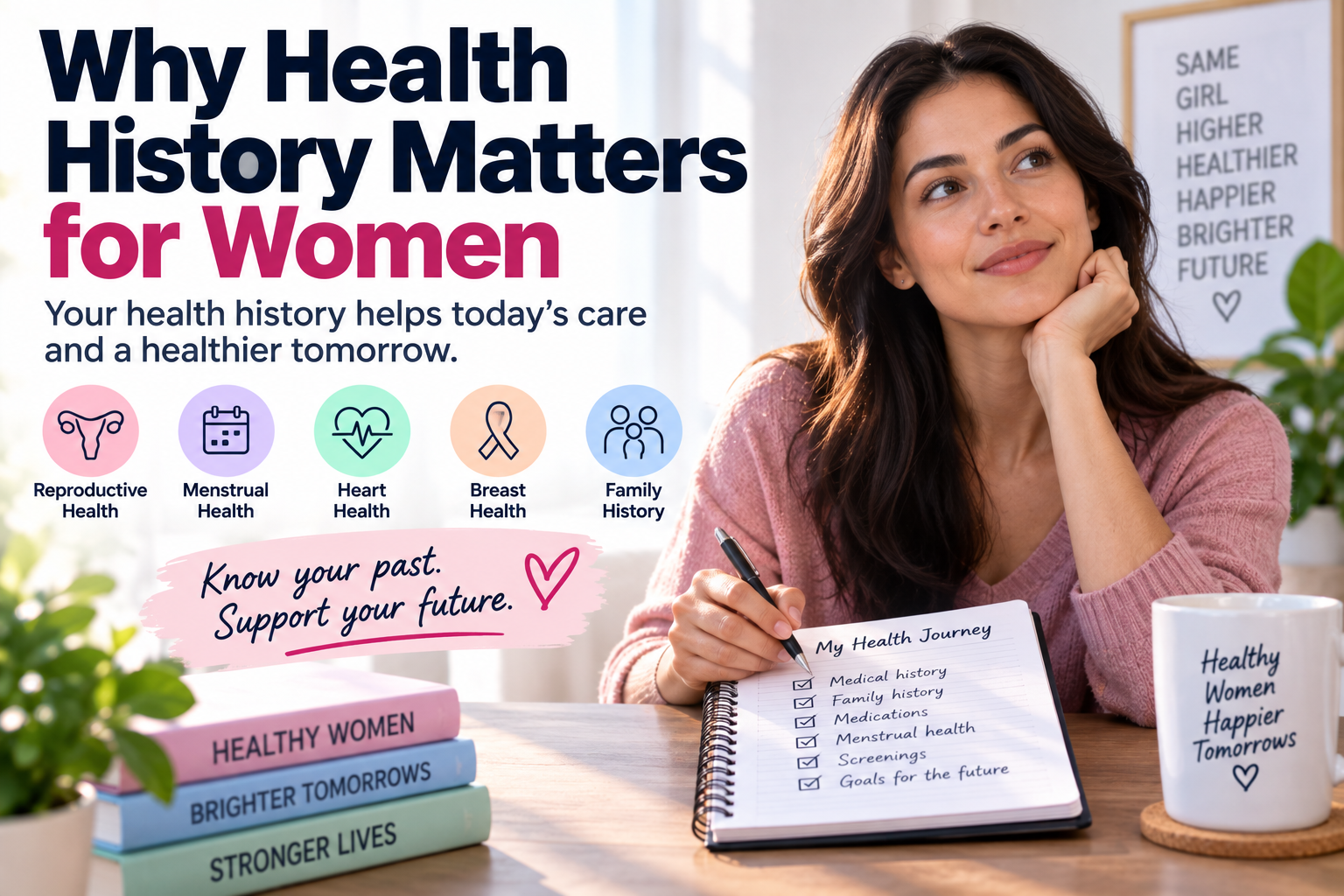
Why Health History Matters for Women
For women, keeping an accurate health history can be especially valuable because health needs can change significantly throughout different stages of life.
Read article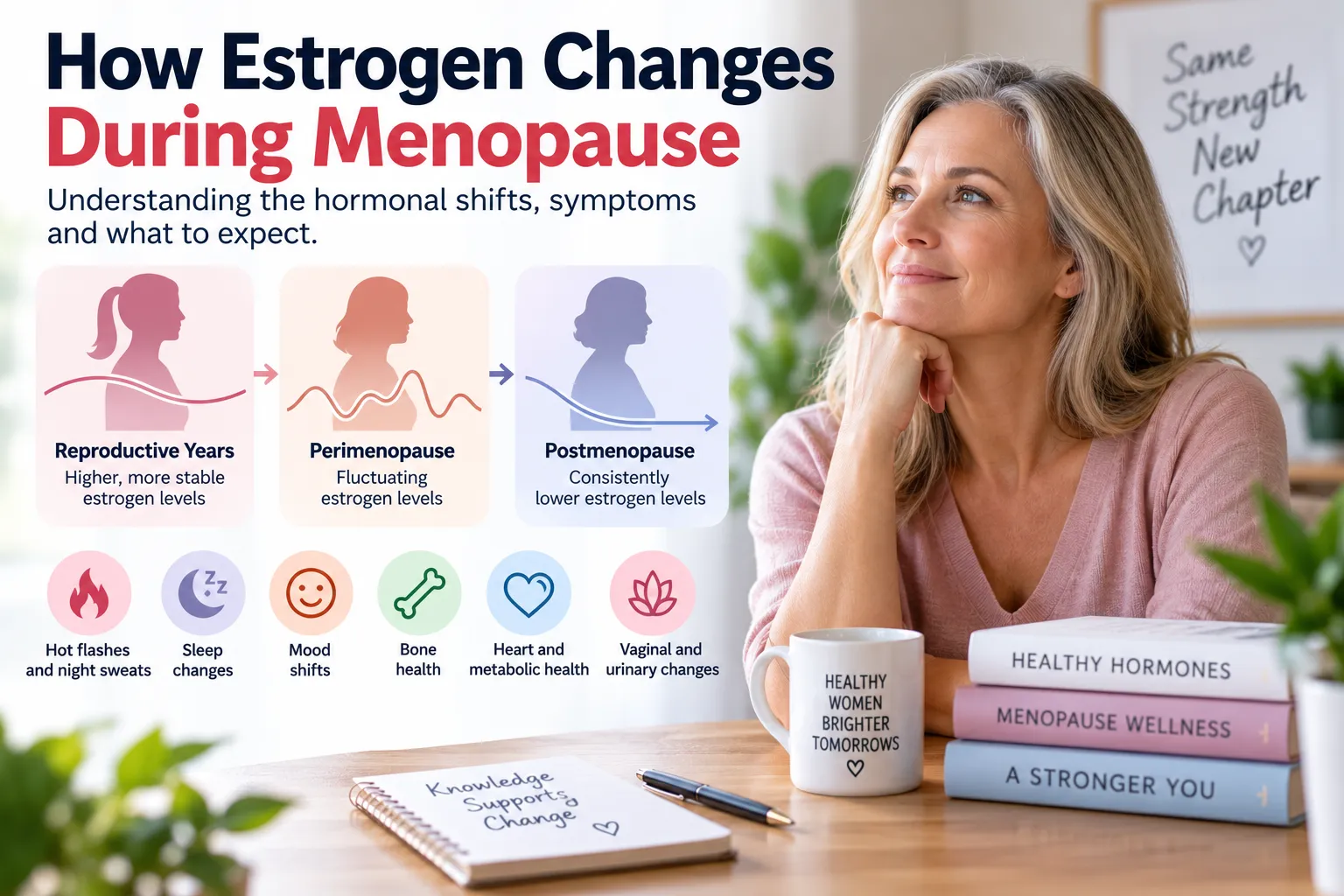
How Estrogen Changes During Menopause
Understanding how estrogen changes can make many of the physical and emotional changes associated with this stage of life easier to recognize and discuss with a healthcare professional.
Read article

Join 10,000+ Readers Building Healthier Habits
Get actionable wellness tips every week plus our newest articles delivered straight to your inbox.