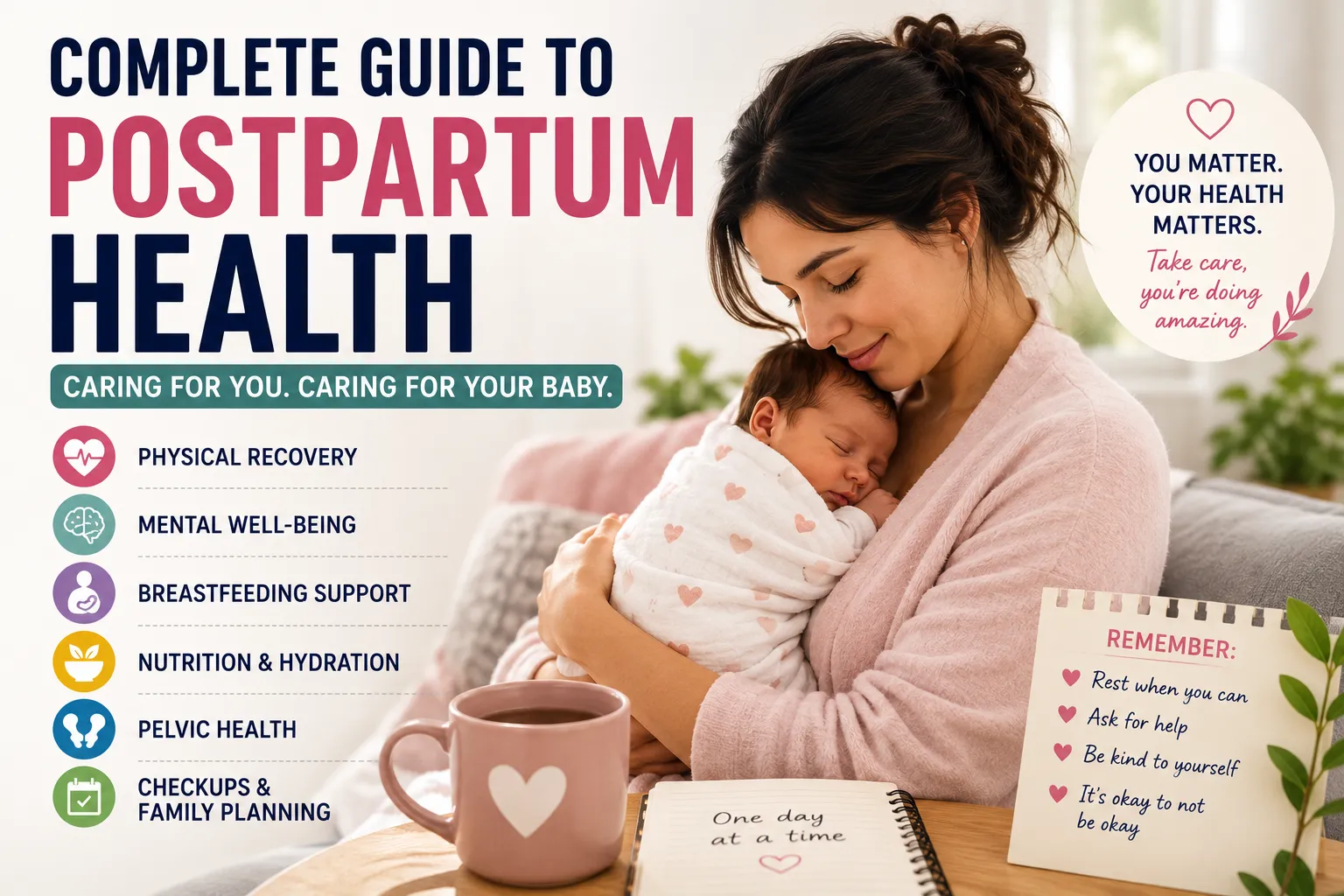

Complete Guide to Postpartum Health
The weeks and months after childbirth can bring enormous physical, emotional and practical changes. The postpartum period is not simply about recovering from labor—it is a period when the body continues healing, hormones shift, sleep can become disrupted, feeding may require adjustment, and emotional health deserves just as much attention as physical recovery.
Postpartum care should therefore be viewed as an ongoing process rather than a single checkup. The World Health Organization (WHO) emphasizes care for the mother and baby during the postnatal period, including physical, mental, emotional and social well-being.
Most people recover without serious complications, but some postpartum problems can develop quickly and require urgent medical attention. Knowing what is generally expected, what deserves a routine appointment and what constitutes an emergency can help new parents seek appropriate care sooner.
Medical disclaimer: This article provides general educational information and is not a substitute for medical diagnosis or treatment. Postpartum recovery varies from person to person. Contact your doctor, midwife or other qualified healthcare professional for advice specific to your circumstances. Seek emergency care for severe or rapidly worsening symptoms.
What Is Postpartum Health?
Postpartum health refers to the physical, mental and emotional well-being of a person after giving birth.
Although people often use the term to describe the first six weeks after delivery, recovery can continue considerably longer. WHO’s postnatal-care recommendations focus particularly on the first six weeks while recognizing the importance of longer-term health and well-being.
Postpartum health can include:
- Recovery from vaginal or cesarean birth
- Vaginal bleeding and uterine recovery
- Healing of stitches or surgical wounds
- Breast and breastfeeding health
- Nutrition and hydration
- Sleep and fatigue
- Pelvic-floor health
- Emotional and mental health
- Sexual and reproductive health
- Contraception and family planning
- Blood pressure monitoring
- Recovery from pregnancy-related conditions
- Adjustment to caring for a newborn
A healthy postpartum experience is not about recovering as quickly as possible. It is about receiving appropriate support while the body and mind gradually adjust.
For a broader overview of reproductive health before, during and after pregnancy, see the Complete Guide to Reproductive Health.
What Happens to the Body After Birth?
Childbirth triggers major physical changes.
The uterus begins contracting and gradually returns toward its pre-pregnancy size. Hormone levels change rapidly. Vaginal bleeding occurs as the body sheds blood and tissue from the uterus, while muscles and tissues affected by pregnancy and delivery begin repairing themselves.
WHO recommends monitoring areas such as vaginal bleeding, uterine recovery, temperature, heart rate, blood pressure, urination, bowel function, wound healing, pain, fatigue and breast symptoms during postpartum care.
Recovery can look very different depending on:
- Vaginal versus cesarean delivery
- Length and difficulty of labor
- Whether there were complications
- Episiotomy or tearing
- Blood loss
- Breastfeeding or formula feeding
- Previous pregnancies
- Existing health conditions
- Available family and social support
Postpartum Bleeding: What Is Normal?
Vaginal bleeding after birth is called lochia.
It is normal for lochia to change in color and amount as recovery progresses. It may initially be bright red and gradually become lighter.
However, very heavy or rapidly increasing bleeding is not something to ignore.
ACOG advises contacting a healthcare professional for heavy bleeding, including bleeding that soaks through two sanitary pads per hour for more than an hour or two.
Seek urgent medical attention for:
- Heavy or rapidly increasing bleeding
- Large blood clots accompanied by significant bleeding
- Severe dizziness or weakness
- Fainting
- Rapid heartbeat
- Pale or clammy skin
- Confusion
Postpartum hemorrhage can be a life-threatening complication. It usually occurs shortly after birth but can also occur later, which is why concerning bleeding should be evaluated promptly.
Postpartum Pain and Physical Discomfort
Some discomfort is expected after childbirth.
Depending on the type of delivery, people may experience:
- Abdominal cramps
- Perineal soreness
- Vaginal or pelvic discomfort
- Incision pain after cesarean delivery
- Breast tenderness
- Back pain
- Constipation
- Hemorrhoids
- Pain when urinating
- Muscle soreness
- General fatigue
Normal discomfort should generally improve rather than progressively worsen.
ACOG advises seeking medical attention for severe abdominal pain, chest pain, breathing difficulties, seizures, significant leg pain or swelling, severe headache and other concerning symptoms.
Recovering After a Cesarean Birth
A cesarean birth involves major abdominal surgery, so recovery can take time.
Care generally includes following medical instructions for:
- Incision care
- Pain management
- Physical activity
- Lifting restrictions
- Wound monitoring
- Follow-up appointments
Watch for signs that the incision may be infected or failing to heal properly, including increasing redness, swelling, worsening pain, drainage or fever.
Avoid pushing through significant pain simply because you feel pressure to resume normal activities quickly.
Postpartum Nutrition
Nutrition remains important after childbirth.
The body needs nutrients to support tissue repair, energy production and, when applicable, breastfeeding.
A balanced postpartum eating pattern can include:
- Vegetables and fruits
- Whole grains
- Beans and other legumes
- Eggs
- Fish and other protein sources
- Lean meats or poultry
- Dairy or fortified alternatives
- Nuts and seeds
- Healthy fats
- Adequate fluids
Individual nutritional requirements vary, particularly when someone experienced substantial blood loss, has anemia, is breastfeeding or has a medical condition.
A healthcare professional may recommend specific supplements based on individual needs. Avoid taking high-dose supplements simply because they are marketed for postpartum recovery.
Hydration After Childbirth
Dehydration can contribute to fatigue, headaches, constipation and reduced overall well-being.
Keep fluids accessible, especially when caring for a newborn or breastfeeding.
Practical strategies include:
- Keeping a water bottle nearby
- Drinking with meals
- Having fluids available during breastfeeding
- Eating water-rich foods
- Paying attention to thirst and urine changes
People with medical conditions affecting fluid intake should follow their healthcare professional’s advice.
Breastfeeding and Breast Health
Breastfeeding can be rewarding, but it can also involve challenges.
Common concerns include:
- Sore nipples
- Breast fullness
- Engorgement
- Blocked ducts
- Difficulty with positioning
- Concerns about milk supply
- Breast pain
- Difficulty with infant latch
Breastfeeding support from a qualified healthcare professional or lactation specialist can make a significant difference.
WHO recommends supporting breastfeeding as part of quality postnatal care where breastfeeding is desired and appropriate.
For broader information about breast health beyond the postpartum period, see Understanding Women’s Breast Health.
When breast symptoms need attention
Seek medical advice if you develop:
- Significant breast redness
- Severe breast pain
- Fever or chills
- A painful area that does not improve
- Symptoms that are rapidly worsening
These may require evaluation for infection or another breastfeeding-related problem.
Postpartum Mental Health
Mental health is one of the most important—and sometimes overlooked—parts of postpartum recovery.
Having a baby can involve:
- Sleep deprivation
- Hormonal changes
- Physical exhaustion
- Anxiety about the baby
- Changes in identity
- Relationship adjustments
- Financial pressure
- Feeding difficulties
- Reduced personal time
- Feelings of isolation
Temporary emotional changes can occur after childbirth, but persistent, severe or worsening symptoms deserve professional attention.
Postpartum care should address mental health alongside physical health. WHO specifically includes emotional and psychological well-being within comprehensive postnatal care.
Baby Blues Versus Postpartum Depression
The baby blues and postpartum depression are not the same thing.
Someone experiencing the baby blues may feel:
- Tearful
- Irritable
- Overwhelmed
- Emotionally sensitive
- Anxious
- Exhausted
These feelings are generally temporary.
Postpartum depression is more serious and can involve persistent symptoms such as:
- Ongoing sadness
- Loss of interest or pleasure
- Severe anxiety
- Feelings of hopelessness
- Extreme guilt
- Difficulty bonding with the baby
- Major changes in sleep or appetite
- Feeling unable to cope
- Thoughts of self-harm or harming the baby
Anyone experiencing concerning mental-health symptoms should speak with a healthcare professional.
A mental-health emergency
Thoughts about suicide, self-harm or harming the baby require immediate professional help.
ACOG lists thoughts of hurting yourself or your baby among symptoms requiring emergency assistance.
Do not remain alone with these thoughts. Seek emergency medical care or contact a trusted person who can stay with you while help is obtained.
Postpartum Anxiety
Postpartum anxiety can occur with or without depression.
It may involve:
- Excessive worry about the baby
- Constant fear that something will go wrong
- Racing thoughts
- Difficulty relaxing
- Panic symptoms
- Repeated checking
- Difficulty sleeping even when the baby is asleep
Occasional worry is understandable when caring for a newborn. The concern becomes more important when anxiety is intense, persistent or interferes with daily life.
Professional support can help.
Postpartum Blood Pressure and Preeclampsia
High blood pressure does not necessarily end when pregnancy ends.
Postpartum preeclampsia can develop after delivery, including in people who had normal blood pressure during pregnancy.
ACOG notes that postpartum preeclampsia most often occurs within several days after delivery but can develop up to six weeks later.
Warning signs include:
- Severe or persistent headache
- Vision changes
- Shortness of breath
- Facial or hand swelling
- Upper abdominal pain
- Nausea or vomiting
- Sudden weight gain
- Elevated blood pressure
ACOG advises contacting a healthcare professional immediately for a blood-pressure reading of 140/90 mm Hg or higher, particularly in the postpartum period, or for concerning symptoms.
Pregnancy complications can sometimes extend into the postpartum period, making awareness of warning signs especially important. The guide to how pregnancy complications are recognized and managed provides broader information about pregnancy-related complications and their warning signs.
Postpartum Infection
Infections can develop after childbirth.
Potential symptoms include:
- Fever
- Chills
- Increasing abdominal pain
- Uterine tenderness
- Foul-smelling vaginal discharge
- Increasing pain around a wound or incision
- Feeling increasingly unwell
One example is endometritis, an infection involving the lining of the uterus. ACOG notes that it commonly occurs within several days after delivery but can occur later.
Prompt medical assessment is important because untreated infections can become serious.
Pelvic-Floor Health After Pregnancy
Pregnancy and childbirth place substantial demands on the pelvic-floor muscles.
Some people experience:
- Urinary leakage
- Difficulty controlling gas or bowel movements
- Pelvic pressure
- Pain during sex
- Reduced pelvic-floor strength
- A feeling of heaviness
These symptoms are common, but they should not simply be accepted as something a person must live with.
A healthcare professional can assess symptoms and determine whether pelvic-floor rehabilitation or another treatment approach is appropriate.
Postpartum Exercise and Physical Activity
Returning to exercise should be gradual and appropriate for the type of delivery and individual recovery.
Early movement can be useful, but postpartum exercise should not be treated as a race to lose pregnancy weight.
A gradual approach may involve:
- Gentle movement
- Short walks
- Appropriate pelvic-floor exercises
- Gradually increasing activity
- Returning to more demanding exercise when medically appropriate
People recovering from cesarean delivery or complications may require additional guidance.
Stop and seek medical advice if exercise causes significant pain, heavy bleeding, dizziness, breathing problems or other concerning symptoms.
Postpartum Weight Changes
Body weight naturally changes after pregnancy and childbirth.
Some weight is lost immediately through delivery and fluid changes, while additional changes occur gradually.
There is no universal timeline for returning to a pre-pregnancy weight.
Rapid dieting can be counterproductive, particularly when someone is recovering from childbirth or breastfeeding.
A healthier focus is often:
- Nutritious meals
- Adequate protein
- Fruits and vegetables
- Appropriate physical activity
- Adequate hydration
- Sleep whenever possible
- Gradual, sustainable changes
Sleep and Postpartum Recovery
Sleep deprivation is one of the biggest challenges for new parents.
Interrupted sleep can affect:
- Mood
- Concentration
- Appetite
- Energy
- Stress levels
- Emotional resilience
- Physical recovery
Whenever possible, new parents can benefit from sharing nighttime responsibilities and accepting practical help from trusted family members or friends.
The goal is not perfect sleep. The goal is to create opportunities for adequate rest while caring for the baby.
Postpartum Sexual Health
Sexual health is part of postpartum health.
After childbirth, hormonal changes, physical healing, fatigue and emotional adjustments can affect sexual desire and comfort.
Some people experience:
- Reduced libido
- Vaginal dryness
- Pain during intercourse
- Fear of pain
- Changes in body confidence
- Emotional difficulty becoming intimate again
There is no universal deadline for returning to sexual activity.
If sex is painful, discuss it with a healthcare professional rather than simply tolerating the pain.
Postpartum Contraception and Family Planning
Fertility can return before the first postpartum menstrual period.
For this reason, anyone who wants to avoid another pregnancy should discuss contraception with a healthcare professional.
Postpartum care is an opportunity to discuss:
- Birth-control options
- Breastfeeding considerations
- Future pregnancy plans
- Birth spacing
- Fertility
- Sexual health
For a more detailed comparison of available contraceptive approaches, see How Different Birth Control Methods Work and How Their Benefits and Risks Compare.
WHO identifies postpartum family planning and sexual and reproductive health as important components of quality postnatal care.
Postpartum Checkups Matter
Postpartum care should not be reduced to a single appointment.
ACOG recommends an ongoing process of postpartum care, including contact with a healthcare professional within the first three weeks and a comprehensive postpartum visit no later than 12 weeks after birth.
WHO also recommends postpartum contacts during the first six weeks.
The exact schedule can vary depending on local healthcare systems and individual circumstances.
Appointments may cover:
- Physical recovery
- Blood pressure
- Bleeding
- Incision or perineal healing
- Breastfeeding
- Mental health
- Contraception
- Sexual health
- Nutrition
- Sleep
- Chronic conditions
- Future pregnancy planning
Postpartum Warning Signs You Should Not Ignore
Some symptoms require immediate attention.
| Symptom | Recommended Response |
|---|---|
| Chest pain | Seek emergency medical care |
| Difficulty breathing | Seek emergency medical care |
| Seizure | Seek emergency medical care |
| Thoughts of harming yourself or baby | Seek emergency mental-health/medical care |
| Severe abdominal pain | Seek urgent medical attention |
| Heavy vaginal bleeding | Seek urgent medical attention |
| Severe headache with vision changes | Contact a healthcare professional immediately |
| High fever | Contact a healthcare professional |
| Foul-smelling discharge with illness | Seek medical assessment |
| Significant leg pain or swelling | Seek urgent medical assessment |
ACOG identifies chest pain, breathing difficulty, seizures, self-harm thoughts, severe abdominal pain and significant leg symptoms among emergency warning signs.
When Should You Call Your Doctor?
Contact your healthcare professional if you develop symptoms such as:
- Fever
- Persistent or worsening pain
- Heavy bleeding
- Severe headache
- Vision changes
- Painful urination
- Persistent vomiting
- Increasing wound pain
- Redness or drainage from an incision
- Significant breast pain with fever
- Persistent sadness or anxiety
- Difficulty functioning
- Concerning changes in blood pressure
It is better to ask about a concerning symptom than to assume it is simply part of recovery.
How Partners and Families Can Support Postpartum Health
Postpartum recovery is not solely the responsibility of the person who gave birth.
Partners, relatives and friends can provide practical support by:
- Preparing meals
- Helping with household tasks
- Caring for older children
- Giving the parent opportunities to rest
- Accompanying them to appointments
- Supporting feeding choices without judgment
- Watching for concerning changes in mood
- Encouraging professional help when needed
- Respecting physical recovery and boundaries
WHO emphasizes that partners, parents, caregivers and families are part of creating a positive postnatal experience.
Building a Practical Postpartum Recovery Plan
A simple recovery plan can make the first weeks more manageable.
Physical health
- Keep medical appointments
- Follow wound-care instructions
- Monitor bleeding
- Take prescribed medications as directed
- Gradually increase physical activity
- Report unusual symptoms
Nutrition
- Eat regular balanced meals
- Stay hydrated
- Follow professional advice about supplements
- Avoid extreme dieting
Mental health
- Talk openly about emotions
- Accept support
- Prioritize rest where possible
- Seek professional help for persistent or severe symptoms
Baby care
- Attend recommended newborn appointments
- Follow feeding guidance
- Learn infant danger signs
- Ask for help when something seems wrong
Social support
- Identify trusted people who can help
- Share household responsibilities
- Avoid trying to manage everything alone
Frequently Asked Questions About Postpartum Health
How long does postpartum recovery take?
There is no single recovery timeline. The first six weeks are an important period of postnatal care, but physical and emotional recovery can continue for months. WHO’s recommendations specifically emphasize comprehensive care during the first six weeks after birth.
Is bleeding normal after childbirth?
Yes, vaginal bleeding known as lochia is normal after childbirth. However, very heavy or rapidly increasing bleeding can indicate a serious complication and requires prompt medical attention.
Can postpartum preeclampsia happen after delivery?
Yes. Postpartum preeclampsia can occur after childbirth, including in people who did not have high blood pressure during pregnancy.
When should postpartum depression be treated?
Anyone experiencing persistent, severe or concerning emotional symptoms should discuss them with a healthcare professional. Thoughts of self-harm or harming the baby require immediate emergency help.
When can I exercise after having a baby?
The appropriate timing depends on the delivery, recovery and individual health. Gradual activity is generally preferable to immediately returning to intense exercise. Ask your healthcare professional for personalized guidance.
When can I have sex after childbirth?
There is no single timeline that works for everyone. Physical healing, comfort, bleeding, pain, emotional readiness and contraception should all be considered. Discuss persistent pain or other concerns with a healthcare professional.
Can you get pregnant soon after giving birth?
Yes. Fertility can return before the first menstrual period, so discuss contraception and family planning with your healthcare provider if you want to prevent another pregnancy.
A Postpartum Checklist for New Parents
Keep this checklist handy during recovery:
- Attend recommended postpartum appointments
- Monitor bleeding and pain
- Watch for signs of infection
- Know the warning signs of postpartum preeclampsia
- Take prescribed medication correctly
- Eat nutritious meals
- Stay hydrated
- Get as much rest as circumstances allow
- Ask for help with household responsibilities
- Pay attention to mental health
- Seek breastfeeding support if needed
- Discuss contraception and family planning
- Gradually return to physical activity
- Report symptoms that feel unusual or concerning
Giving Postpartum Recovery the Attention It Deserves
Postpartum health is much broader than physical healing after delivery. It includes blood pressure, bleeding, infection prevention, nutrition, sleep, pelvic-floor function, breastfeeding, mental health, sexual health and the transition into life with a new baby.
WHO describes quality postnatal care as an opportunity to support the woman’s and baby’s physical, emotional and social well-being—not simply to check whether there are immediate complications.
Most importantly, new parents do not have to navigate recovery alone. Regular postpartum care, practical support from family and friends, and timely medical attention when warning signs appear can make the transition safer and healthier.
If something feels seriously wrong, do not wait for the next scheduled appointment. Contact a qualified healthcare professional or seek emergency medical care, particularly for heavy bleeding, breathing difficulties, chest pain, seizures, severe pain, concerning blood-pressure symptoms or thoughts of self-harm or harming the baby.
Continue Reading
Similar Posts

How Communication Supports Sexual Health
Whether people are discussing contraception, sexual preferences, STI testing, fertility, consent, or changes in their health, clear communication can play an important role in making sexual relationships safer and healthier.
Read article
Why Health History Matters for Women
For women, keeping an accurate health history can be especially valuable because health needs can change significantly throughout different stages of life.
Read article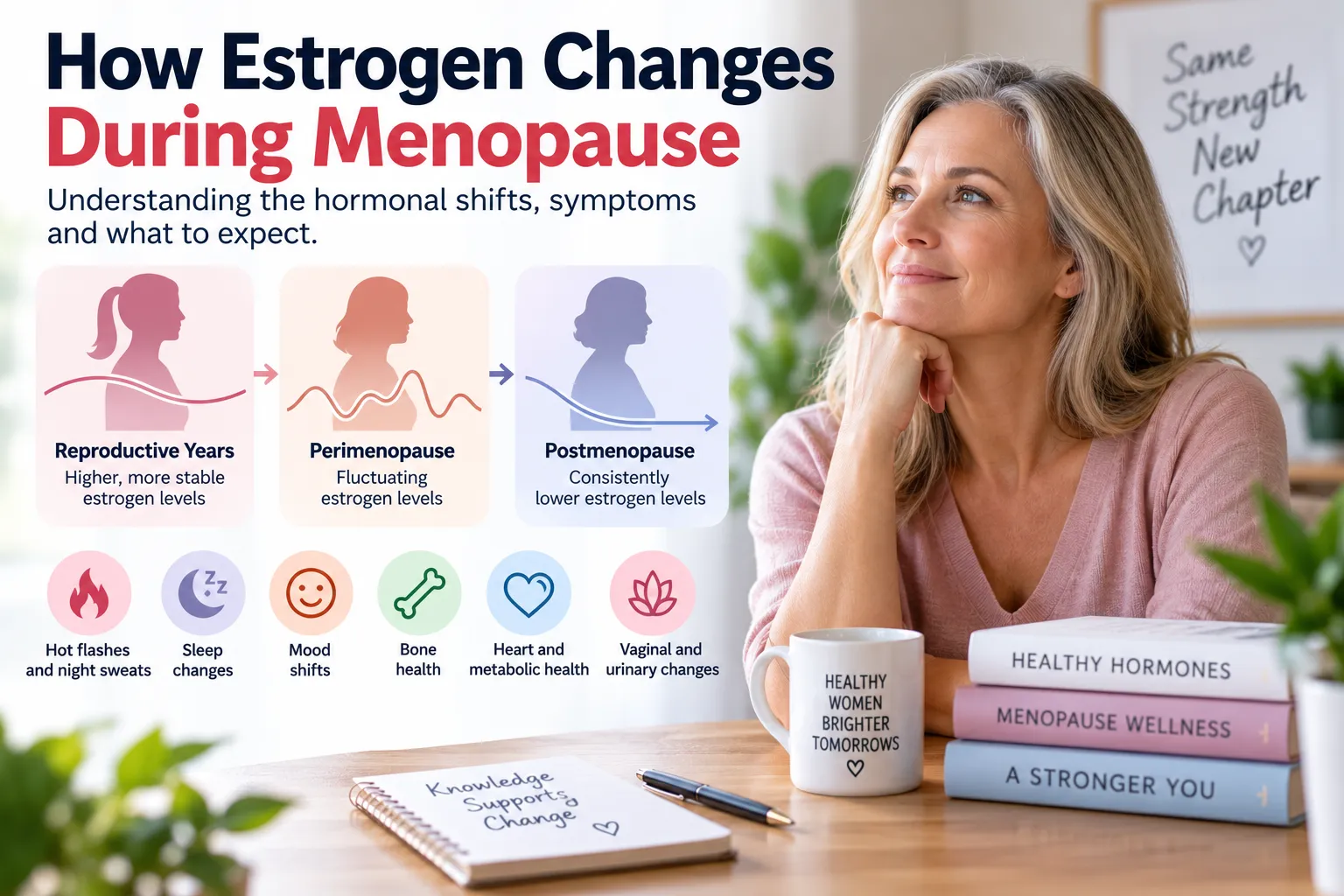
How Estrogen Changes During Menopause
Understanding how estrogen changes can make many of the physical and emotional changes associated with this stage of life easier to recognize and discuss with a healthcare professional.
Read article

Join 10,000+ Readers Building Healthier Habits
Get actionable wellness tips every week plus our newest articles delivered straight to your inbox.