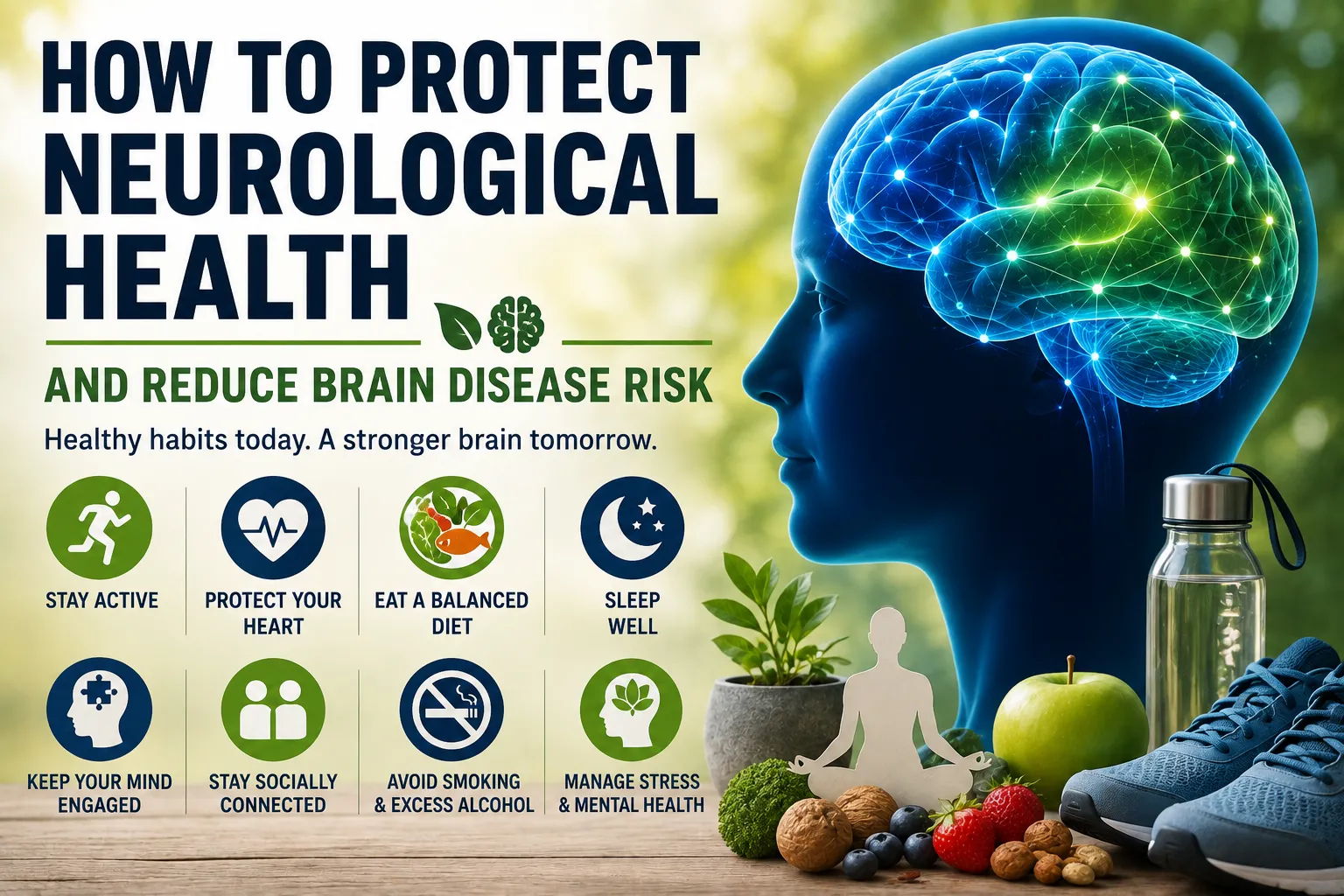

How to Protect Neurological Health and Reduce Brain Disease Risk
The brain and nervous system control almost every major function in the human body, from movement and balance to memory, communication, sensation and emotional responses. Protecting neurological health, therefore, is not simply about preserving memory as we age. It is about supporting the brain and nervous system throughout the entire course of life.
Neurological conditions are a major global health challenge. The World Health Organization says neurological conditions are the leading cause of ill health and disability worldwide, affecting more than one in three people globally.
Not every neurological disease can be prevented. Genetics, aging, infections, injuries and other factors can influence an individual’s risk. However, research increasingly shows that several aspects of brain health are connected to factors people can address, including cardiovascular health, physical activity, smoking, alcohol use, sleep, hearing, diet and social connection.
The most useful approach is not to look for a single “brain-boosting” food, supplement or exercise. Instead, neurological health benefits from a collection of healthy habits maintained consistently over time. For broader information about neurological conditions and other major chronic diseases, see the Complete Guide to Common Health Conditions.
What Does Neurological Health Mean?
Neurological health encompasses much more than memory.
The National Institute on Aging describes brain health as involving cognitive abilities such as thinking, learning and remembering, as well as motor, emotional, tactile and sensory functions.
That means protecting neurological health can involve supporting:
- Memory and learning
- Concentration and decision-making
- Balance and coordination
- Vision and hearing
- Movement and muscle control
- Emotional well-being
- Sleep
- Communication and language
- The brain’s ability to adapt to changing circumstances
Because these systems are interconnected, habits that benefit cardiovascular and metabolic health can also contribute to healthier brain aging.
Control High Blood Pressure
Blood pressure is one of the most important health factors to pay attention to when thinking about long-term brain health.
Persistently high blood pressure can damage blood vessels and increase the risk of cardiovascular disease and stroke. It has also been associated with a higher risk of cognitive decline later in life.
Importantly, high blood pressure often has no obvious symptoms.
Regular blood-pressure checks can therefore identify a problem that a person might otherwise not notice. For a more detailed look at hypertension, its risk factors, diagnosis, and management, see High Blood Pressure Explained.
If blood pressure is elevated, treatment may involve changes to diet and physical activity as well as medication when prescribed by a healthcare professional.
A major clinical trial, SPRINT-MIND, also found that intensive blood-pressure management in adults aged 50 and older at elevated cardiovascular risk reduced the occurrence of mild cognitive impairment.
This does not mean everyone should try to lower their blood pressure as aggressively as possible. Blood-pressure targets should be individualized with a healthcare professional.
Protect Cardiovascular Health
The brain depends on a healthy cardiovascular system to deliver oxygen and nutrients.
Conditions that damage blood vessels can consequently affect neurological health.
Managing factors such as high blood pressure, high cholesterol, diabetes, smoking and physical inactivity can support both cardiovascular and brain health. The relationship between cardiovascular risk and neurological health makes broader heart disease prevention strategies relevant as part of a long-term approach.
This creates an important connection:
Taking care of your heart is also one way of taking care of your brain.
Regular medical checkups can help identify cardiovascular risk factors before they become more serious.
Stay Physically Active
Regular physical activity benefits the brain in several ways.
Exercise supports cardiovascular health, helps maintain strength and mobility, improves balance and can reduce the risk of conditions such as high blood pressure and type 2 diabetes. These benefits may indirectly contribute to better long-term brain health.
Research also suggests an association between physical activity and cognitive health, although scientists are still studying exactly how much exercise is needed to prevent particular neurological conditions.
For general health, federal guidance cited by the NIA recommends at least 150 minutes of physical activity per week for adults.
The activity does not have to be complicated.
Walking, cycling, swimming, dancing, gardening and other forms of movement can contribute to an active lifestyle.
For someone who is currently inactive, starting gradually may be more sustainable than attempting an intense exercise program immediately.
Avoid Smoking
Smoking is harmful to blood vessels and is associated with numerous serious health conditions.
Because the brain relies heavily on healthy blood circulation, protecting vascular health is an important component of neurological health.
The NIA recommends quitting smoking and avoiding other nicotine products such as chewing tobacco as part of maintaining cognitive health.
Quitting can be difficult, but people do not necessarily have to approach it without assistance. Healthcare professionals can provide evidence-based cessation strategies and discuss treatments that may make quitting more achievable.
Be Careful With Alcohol
Alcohol can affect the brain directly as well as contribute to other health problems.
Heavy alcohol use is associated with neurological and cognitive problems and can increase the risk of injuries and other conditions that affect the brain.
The NIA recommends limiting alcohol use as part of a broader approach to cognitive health.
The safest approach depends on individual circumstances, and people taking certain medications or living with particular health conditions may need to avoid alcohol altogether.
Get Consistent, Good-Quality Sleep
Sleep is essential for normal brain function.
Insufficient or poor-quality sleep can affect concentration, memory, mood and daytime functioning. Persistent sleep problems can also be a sign of an underlying condition that deserves attention.
The NIA generally recommends seven to nine hours of sleep each night for adults.
Good sleep habits can include:
- Maintaining a consistent sleep schedule
- Keeping the bedroom comfortable and quiet
- Limiting stimulating activities close to bedtime
- Getting regular physical activity during the day
- Addressing persistent sleep problems with a healthcare professional
Someone who regularly gets enough time in bed but still feels excessively tired may need to discuss the problem with a clinician.
Take Hearing Loss Seriously
Hearing health is increasingly recognized as part of healthy aging.
Uncorrected hearing loss has been associated with a higher risk of cognitive decline. Researchers are continuing to investigate the mechanisms behind this relationship, but addressing hearing problems is already an important part of maintaining sensory and social function.
The NIA notes that hearing aids and other hearing-restorative devices may have cognitive benefits, and an NIH-funded trial found that hearing aids reduced the rate of cognitive decline among older adults at higher risk.
Protecting hearing earlier in life also matters.
Reducing prolonged exposure to very loud sounds and using appropriate hearing protection can help protect the auditory system.
Protect Your Head From Injury
Traumatic brain injuries can have lasting neurological consequences.
Some injuries result from falls, vehicle crashes, sports, workplace incidents or other accidents.
Reducing preventable injuries is therefore an important component of brain health.
Practical measures include:
- Wearing a seat belt in vehicles
- Using appropriate helmets for cycling and relevant sports
- Making homes safer to reduce fall hazards
- Using appropriate protective equipment at work
- Following safety guidance during physical activities
The NIA specifically identifies falls and other accidents that can cause brain injuries as issues relevant to cognitive health.
Eat a Balanced, Nutrient-Dense Diet
There is no single food proven to prevent neurological disease.
However, overall dietary patterns matter for cardiovascular and metabolic health, which in turn can influence brain health.
The NIA recommends a nutritionally dense diet that includes foods such as fruits, vegetables, whole grains and other nutrient-rich choices while limiting excessive saturated fats, added sugars and salt.
Research has also investigated Mediterranean-style and MIND-style eating patterns in relation to cognitive health.
The evidence is promising in some areas but not definitive enough to claim that a particular diet can prevent Alzheimer’s disease. The NIA continues to describe dietary research as an active area of investigation.
The practical takeaway is relatively simple: prioritize an overall balanced eating pattern rather than searching for one miracle ingredient.
Manage Diabetes and Blood Sugar
Diabetes can affect blood vessels and increase the risk of cardiovascular complications.
Because vascular health is closely connected to brain health, managing diabetes is an important part of reducing broader health risks.
The NIA lists diabetes among chronic conditions that should be managed as part of maintaining cognitive health.
For people with diabetes, following the treatment plan recommended by their healthcare team is more useful than relying on unproven “blood-sugar balancing” products or supplements.
Keep Cholesterol in Check
High levels of certain blood lipids, particularly LDL cholesterol, are associated with cardiovascular risk.
Because vascular disease can affect the brain, managing cholesterol can form part of an overall neurological-health strategy.
Depending on an individual’s risk profile, management may include dietary changes, physical activity and medication.
Regular health screenings can help identify elevated cholesterol and other cardiovascular risk factors before they become more difficult to manage.
Keep Your Mind Engaged
The brain remains adaptable throughout life.
Learning new skills, reading, solving problems, practicing a musical instrument, studying a language or participating in intellectually challenging activities can provide opportunities for mental engagement.
The NIA notes that cognitive training appears to have benefits for maintaining certain cognitive abilities in older adults.
However, it is important to distinguish genuine cognitive engagement from products that make exaggerated claims.
A commercial “brain-training” program is not a guaranteed way to prevent dementia.
Real-world activities that combine learning, problem-solving and social interaction can be enjoyable ways to keep the mind active.
Maintain Social Connections
Brain health is also influenced by social and emotional well-being.
Regular interaction with friends, family, colleagues and community groups can provide conversation, emotional support and opportunities for participation.
The WHO identifies social connection, safe environments and lifelong learning among factors that influence brain health across the life course.
The NIA likewise identifies social connections as an important part of healthy aging and notes that staying connected can support mental well-being.
Social engagement does not have to mean attending large events.
Regular conversations, volunteering, shared hobbies, community activities or spending time with loved ones can all provide meaningful connection.
Look After Mental Health
Mental and neurological health are closely connected.
Persistent depression, chronic stress and social isolation can affect sleep, concentration, motivation and overall quality of life.
The WHO identifies chronic stress and social isolation among factors associated with mental and brain health, while secure environments and social support can be protective factors.
This does not mean depression or anxiety simply cause neurological disease. Mental health conditions are complex and have many contributing factors.
But persistent changes in mood, motivation or cognitive function deserve attention rather than being dismissed as an inevitable part of aging.
Avoid Unnecessary Exposure to Neurotoxic Substances
Some environmental exposures can affect the nervous system.
The WHO identifies certain pollutants, heavy metals, some pesticides and air pollution among environmental factors that can affect brain development and functioning.
People who work with potentially hazardous chemicals should follow workplace safety procedures, use appropriate protective equipment and follow local regulations.
For the general public, reducing unnecessary exposure to polluted air and hazardous substances is a sensible part of maintaining overall health.
Be Skeptical of “Brain-Boosting” Supplements
The market is filled with products promising sharper memory, improved concentration or protection against dementia.
Many of these claims are much stronger than the available evidence.
The NIA specifically warns consumers to be cautious about unproven memory-enhancement products, supplements and similar treatments because they may be ineffective, unsafe or interfere with other treatments.
A supplement should not replace proven approaches such as managing blood pressure, staying physically active, eating a balanced diet and avoiding tobacco.
If you are considering a supplement for neurological health, discussing it with a healthcare professional can help identify potential interactions and determine whether there is meaningful evidence behind the product.
Understand What You Can—and Cannot—Control
Neurological disease is influenced by many factors.
Age and genetics are important examples of risk factors that cannot be changed. A family history of Alzheimer’s disease does not mean someone will inevitably develop it, and people without a family history can still develop dementia.
This is why prevention should not be framed as a guarantee.
Healthy habits can reduce certain risk factors and support overall health, but they cannot eliminate the possibility of developing a neurological disorder.
That distinction is important because it prevents people from blaming themselves when disease occurs despite healthy choices.
Regular Health Checks Matter
Preventive healthcare can identify problems before they cause obvious symptoms.
Depending on age, personal risk and medical history, this may include checking:
- Blood pressure
- Blood glucose
- Cholesterol
- Hearing
- Vision
- Mental health
- Medication effects
- Cardiovascular risk factors
The NIA recommends appropriate health screenings and management of chronic conditions as part of maintaining cognitive health.
A healthcare professional can also help determine which screenings are appropriate for an individual.
Pay Attention to Changes in Memory and Movement
Occasional forgetfulness happens to everyone.
However, significant or progressive changes in memory, language, coordination, balance, personality or movement should not automatically be dismissed as normal aging.
The NIA recommends discussing concerning changes in thinking and memory with a doctor, who can help determine whether they are normal or related to another condition.
For people concerned about age-related cognitive decline, the Complete Guide to Dementia Risk Reduction provides a broader look at factors that may influence dementia risk and practical approaches to healthy aging.
Early evaluation can be valuable because some causes of cognitive or neurological symptoms may be treatable.
Know the Warning Signs of a Stroke
Protecting neurological health also means knowing when an emergency is happening.
A stroke can occur when blood flow to part of the brain is interrupted or when a blood vessel in the brain bleeds.
Sudden symptoms can include:
- Weakness or numbness, particularly on one side of the body
- Difficulty speaking or understanding speech
- Sudden vision problems
- Sudden severe dizziness or loss of balance
- A sudden, severe headache without a known cause
These symptoms require immediate emergency medical attention.
Do not wait to see whether they disappear.
Brain Health Is a Lifelong Process
Neurological health is not something that only becomes important in old age.
Brain development, injury prevention, physical activity, nutrition, cardiovascular health, sleep, sensory health and social connection all influence the brain across the life course. The WHO emphasizes that brain health is shaped by physical health, healthy environments, safety, lifelong learning and social connection.
That makes prevention a long-term process rather than a short-term health challenge.
A person does not need to completely redesign their life overnight.
Small changes—walking more regularly, checking blood pressure, stopping smoking, improving sleep, protecting hearing, eating a balanced diet or staying socially connected—can become part of a broader strategy.
Building a Brain-Healthy Lifestyle
There is no guaranteed formula for preventing neurological disease, and researchers are still learning which interventions have the strongest effects on specific conditions. The NIA describes evidence for several lifestyle approaches as promising but continues to emphasize that more research is needed.
What is already clear is that many brain-health strategies overlap with the fundamentals of good general health.
Protecting the brain means protecting the systems that support it.
That means keeping blood pressure and other chronic conditions under control, staying physically active, eating well, sleeping adequately, avoiding tobacco and excessive alcohol, protecting hearing and the head, maintaining social and mental engagement, and seeking medical advice when concerning symptoms appear.
The objective is not to guarantee a disease-free future. It is to give the brain and nervous system the strongest possible foundation for healthy functioning throughout life.
Continue Reading
Similar Posts

How Antibodies Help the Immune System Fight Infection
Understanding how antibodies work provides a clearer picture of why people develop immunity after certain infections or vaccinations and why the immune system can respond more effectively when it encounters a familiar pathogen again.
Read article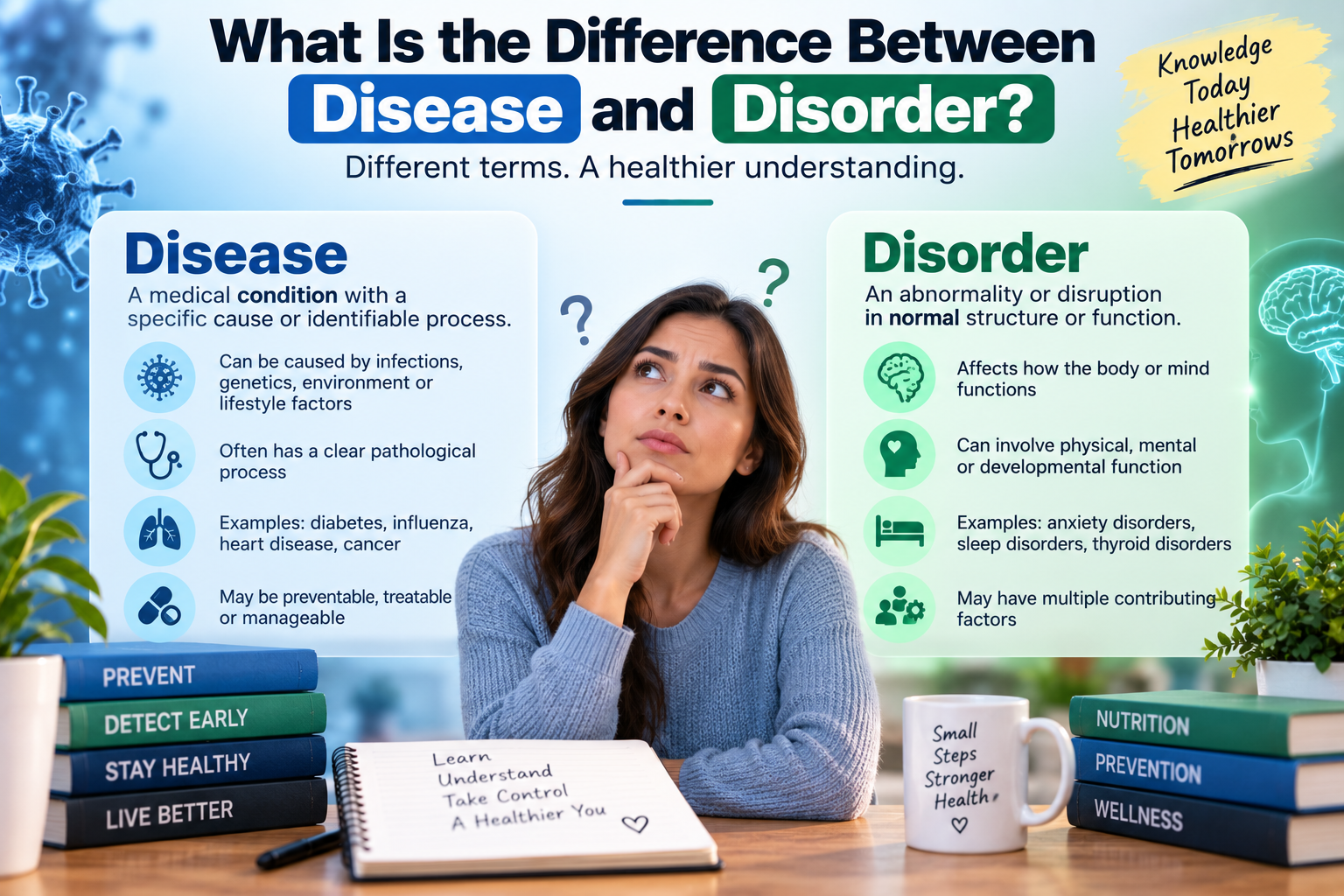
What Is the Difference Between Disease and Disorder
Understanding the distinction can make health information easier to interpret and help explain why doctors sometimes use one term rather than the other.
Read article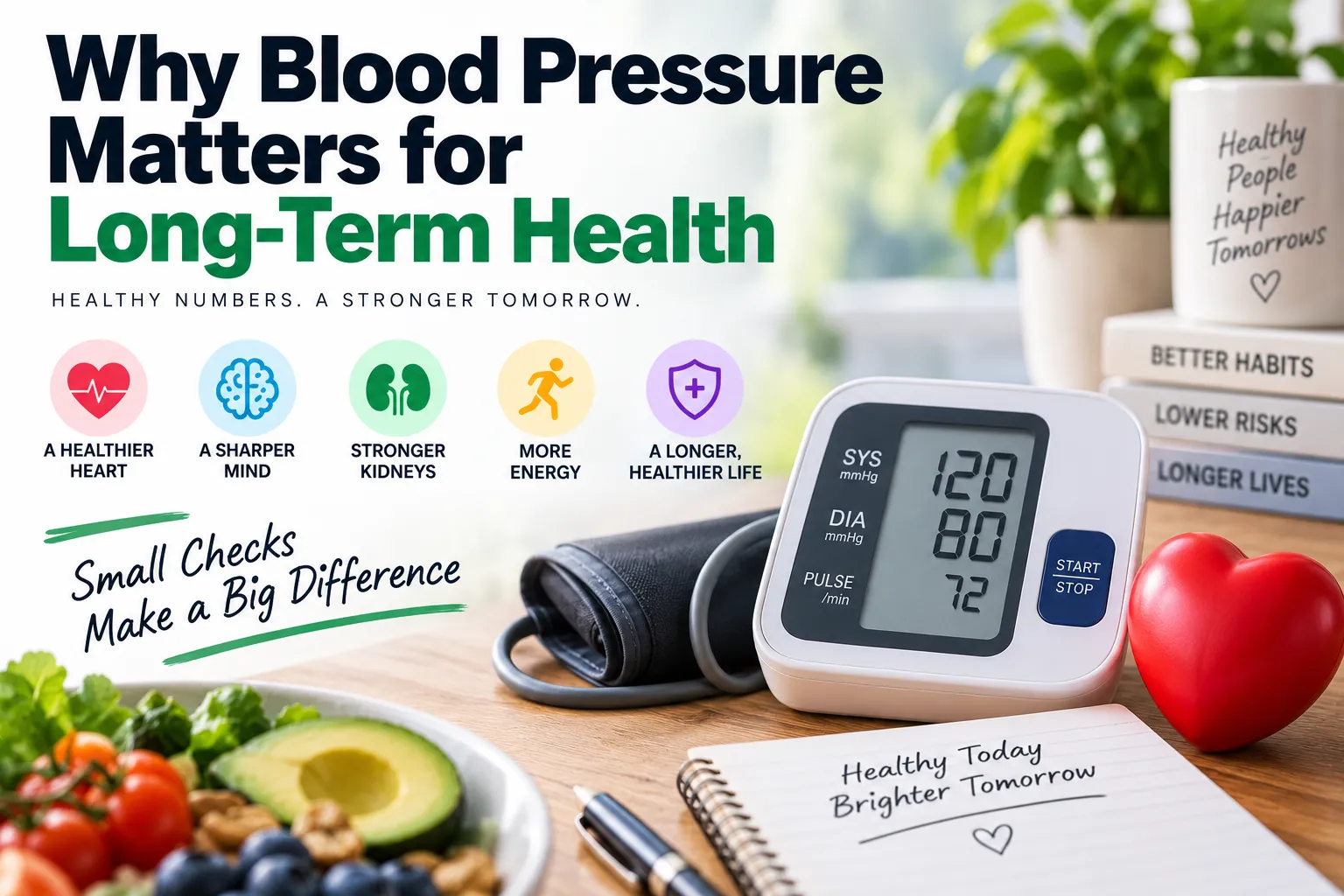
Why Blood Pressure Matters for Long-Term Health
Understanding why blood pressure matters can make it easier to recognize the importance of routine screening, healthy habits and appropriate treatment.
Read article

Join 10,000+ Readers Building Healthier Habits
Get actionable wellness tips every week plus our newest articles delivered straight to your inbox.