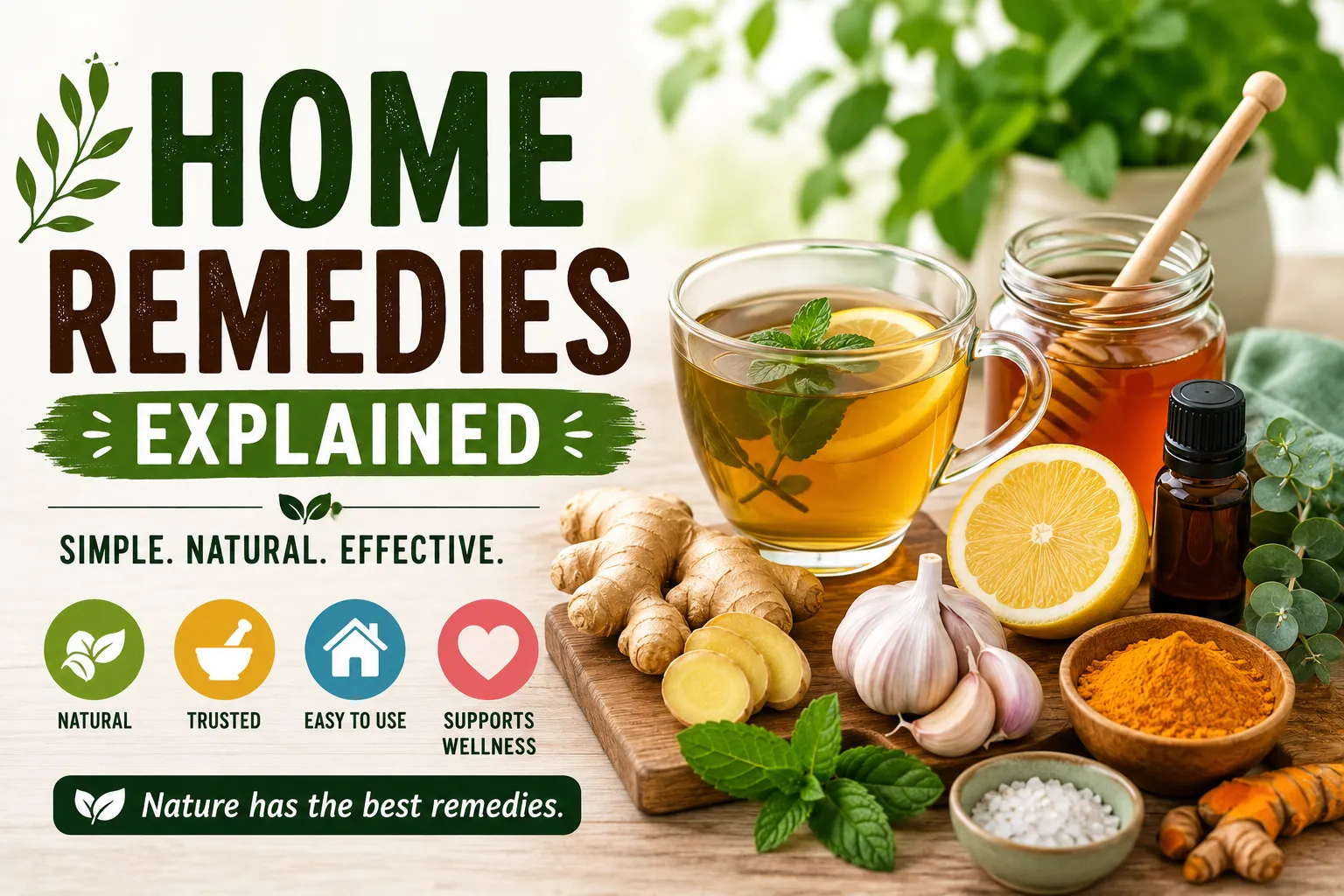

Home Remedies Explained
For generations, people around the world have turned to home remedies to help relieve everyday ailments, promote comfort, and support overall well-being. Long before modern medicine became widely available, herbs, spices, fruits, and other natural ingredients were commonly used in households to address minor health concerns.
Today, home remedies remain popular alongside conventional healthcare. While many traditional remedies may provide comfort or support for certain mild conditions, it’s important to understand that not all have been scientifically proven to be effective, and they should not replace professional medical care when it is needed.
This guide explores what home remedies are, their potential benefits, common examples, safety considerations, and how to use them responsibly.
What Are Home Remedies?
Home remedies are simple treatments or practices that people use at home to help manage minor illnesses, injuries, or everyday discomforts.
They may involve:
- Herbs
- Spices
- Fruits and vegetables
- Honey
- Warm or cold compresses
- Hydration
- Rest
- Lifestyle changes
Many home remedies are based on traditional practices that have been passed down through generations. Understanding the difference between traditional use and modern evidence is important, particularly because the scientific support for individual remedies can vary considerably. The complete guide to natural remedies evidence provides a broader framework for understanding how these approaches can be evaluated.
Why Home Remedies Remain Popular
People often choose home remedies because they are:
- Convenient
- Affordable
- Easy to prepare
- Readily available
- Rooted in cultural traditions
- Used alongside healthy lifestyle habits
For minor issues such as sore throats or mild digestive discomfort, some people find that home remedies can provide temporary relief.
Home Remedies vs. Modern Medicine
Home remedies and modern medicine serve different purposes.
Home remedies may help:
- Ease mild symptoms
- Promote comfort
- Support recovery
- Encourage healthy habits
Modern medical care is essential for:
- Serious infections
- Severe injuries
- Chronic diseases
- Medical emergencies
- Persistent or worsening symptoms
Natural remedies should complement—not replace—evidence-based medical treatment when appropriate.
Common Home Remedies
Honey for Sore Throats
Honey has long been used to soothe throat irritation and may help reduce coughing in some individuals.
It is commonly mixed with:
- Warm water
- Herbal tea
- Lemon juice
Note: Honey should not be given to infants under one year of age because of the risk of infant botulism.
Ginger
Ginger is widely used in traditional practices to help relieve:
- Mild nausea
- Motion sickness
- Digestive discomfort
It can be consumed as:
- Fresh slices
- Tea
- Powder
- Added to meals
Research suggests ginger may be helpful for certain types of nausea, though individual responses vary.
Peppermint
Peppermint is commonly used to support digestive comfort.
People often use it as:
- Herbal tea
- Essential oil (used appropriately)
- Flavoring
Some individuals find peppermint helpful for occasional digestive discomfort.
Chamomile
Chamomile tea is frequently consumed for relaxation and comfort.
It is often associated with:
- Relaxation
- Bedtime routines
- Mild digestive comfort
Scientific evidence varies depending on the condition being addressed.
Warm Salt Water Gargle
Gargling with warm salt water is a traditional remedy often used to soothe mild throat irritation.
It may also help maintain oral cleanliness during temporary discomfort.
Steam Inhalation
Warm steam may temporarily relieve feelings of nasal congestion.
People commonly use steam from:
- Warm showers
- Bowls of hot water (used carefully to avoid burns)
Steam does not cure infections but may provide short-term comfort.
Cold Compresses
Cold packs are commonly used after minor injuries.
They may help reduce:
- Swelling
- Minor pain
- Temporary inflammation
Cold therapy should be used carefully to avoid skin injury.
Warm Compresses
Heat therapy may help relax muscles and reduce temporary stiffness.
Examples include:
- Heating pads
- Warm towels
- Warm baths
Heat is often used for muscle tension rather than fresh injuries.
Lifestyle as a Natural Remedy
Many healthy habits can support overall well-being.
These include:
- Adequate sleep
- Regular physical activity
- Balanced nutrition
- Hydration
- Stress management
- Good hygiene
Healthy lifestyle choices often have a greater long-term impact than individual remedies.
Herbal Remedies
Plants have been used medicinally throughout history.
Common herbal remedies include:
- Turmeric
- Garlic
- Aloe vera
- Echinacea
- Lavender
- Lemon balm
Scientific evidence varies considerably between herbs, and not all traditional uses have been confirmed through high-quality clinical research. Readers interested in how plant-based treatments are used and evaluated can also explore the guide to herbal medicine.
The Importance of Hydration
Staying well hydrated supports many normal body functions.
Drinking enough fluids may help during mild illnesses by supporting:
- Normal body temperature regulation
- Digestion
- Circulation
- Overall comfort
Water remains the best choice for most people.
Nutrition and Recovery
Eating a balanced diet provides nutrients that support the body’s normal functions.
A healthy eating pattern typically includes:
- Fruits
- Vegetables
- Whole grains
- Lean proteins
- Healthy fats
Good nutrition supports overall health rather than serving as a cure for specific illnesses.
Are Home Remedies Scientifically Proven?
Some home remedies have been studied more extensively than others.
Research suggests certain remedies may provide benefits for specific situations, while others have limited or mixed scientific evidence.
Scientific understanding continues to evolve as new studies are conducted.
Consumers should be cautious about claims that promise guaranteed cures or dramatic health improvements.
Traditional experience can provide useful reasons for studying a remedy, but traditional use by itself does not establish effectiveness. Comparing traditional practices with modern research can help put those claims into perspective.
Safety Considerations
Natural does not always mean safe.
Some remedies may:
- Cause allergic reactions
- Interact with medications
- Be inappropriate during pregnancy
- Affect children differently
- Delay necessary medical treatment
A broader natural remedies safety guide can help readers understand why dosage, interactions, individual circumstances and product quality matter.
Always follow product directions and consult a qualified healthcare professional if you have questions about safety.
When to Seek Medical Care
Home remedies are generally intended for mild, short-term concerns.
Medical attention should be sought if symptoms are:
- Severe
- Persistent
- Worsening
- Accompanied by high fever
- Associated with difficulty breathing
- Causing significant pain
- Following a serious injury
Prompt medical evaluation can help identify conditions requiring professional treatment.
Common Myths About Home Remedies
Myth: If it’s natural, it’s completely safe.
Reality: Natural substances can still have side effects or interact with medications.
Myth: Home remedies can cure every illness.
Reality: Home remedies may provide comfort or symptom relief for some minor conditions, but they are not substitutes for appropriate medical care.
Myth: More is better.
Reality: Excessive use of herbs or supplements may increase the risk of unwanted effects.
The Future of Natural Remedies
Interest in natural wellness continues to grow.
Researchers are exploring:
- Plant-based compounds
- Personalized nutrition
- Integrative healthcare
- Herbal medicine research
- Sustainable botanical products
As evidence grows, some traditional remedies may become better understood, while others may require further study.
Looking Ahead
Home remedies remain a valued part of many cultures and households, offering simple ways to manage minor discomforts and promote overall well-being. While some remedies are supported by scientific evidence and others are based primarily on tradition, they should always be used thoughtfully and with realistic expectations.
The best approach combines healthy lifestyle habits, informed decision-making, and appropriate medical care when needed. By understanding both the potential benefits and limitations of home remedies, individuals can make safer, more informed choices about their health.
Frequently Asked Questions
What are home remedies?
Home remedies are treatments or practices using common household or natural ingredients to help relieve minor symptoms or promote comfort.
Are home remedies safe?
Many can be used safely when appropriate, but natural products may still cause side effects or interact with medications. Safety depends on the specific remedy and the individual.
Can home remedies replace medical treatment?
No. Home remedies should not replace professional medical care for serious illnesses, injuries, or persistent symptoms.
Which home remedies have scientific support?
Some remedies, such as honey for certain coughs and ginger for some types of nausea, have been studied and may provide benefits in specific situations. Many other traditional remedies require more research.
When should I see a healthcare professional?
Seek medical advice if symptoms are severe, worsen, last longer than expected, or involve serious warning signs such as difficulty breathing, high fever, or significant pain.
Key Takeaways
- Home remedies are traditional treatments used to help manage minor ailments and support comfort.
- Common remedies include honey, ginger, peppermint, chamomile, warm salt water gargles, and hot or cold compresses.
- Healthy lifestyle habits such as good nutrition, hydration, exercise, and adequate sleep remain the foundation of overall wellness.
- Not all home remedies are supported by strong scientific evidence, and effectiveness can vary.
- Natural products can still carry risks, including side effects and medication interactions.
- Home remedies work best as a complement to—not a replacement for—appropriate medical care.
Continue Reading
Similar Posts
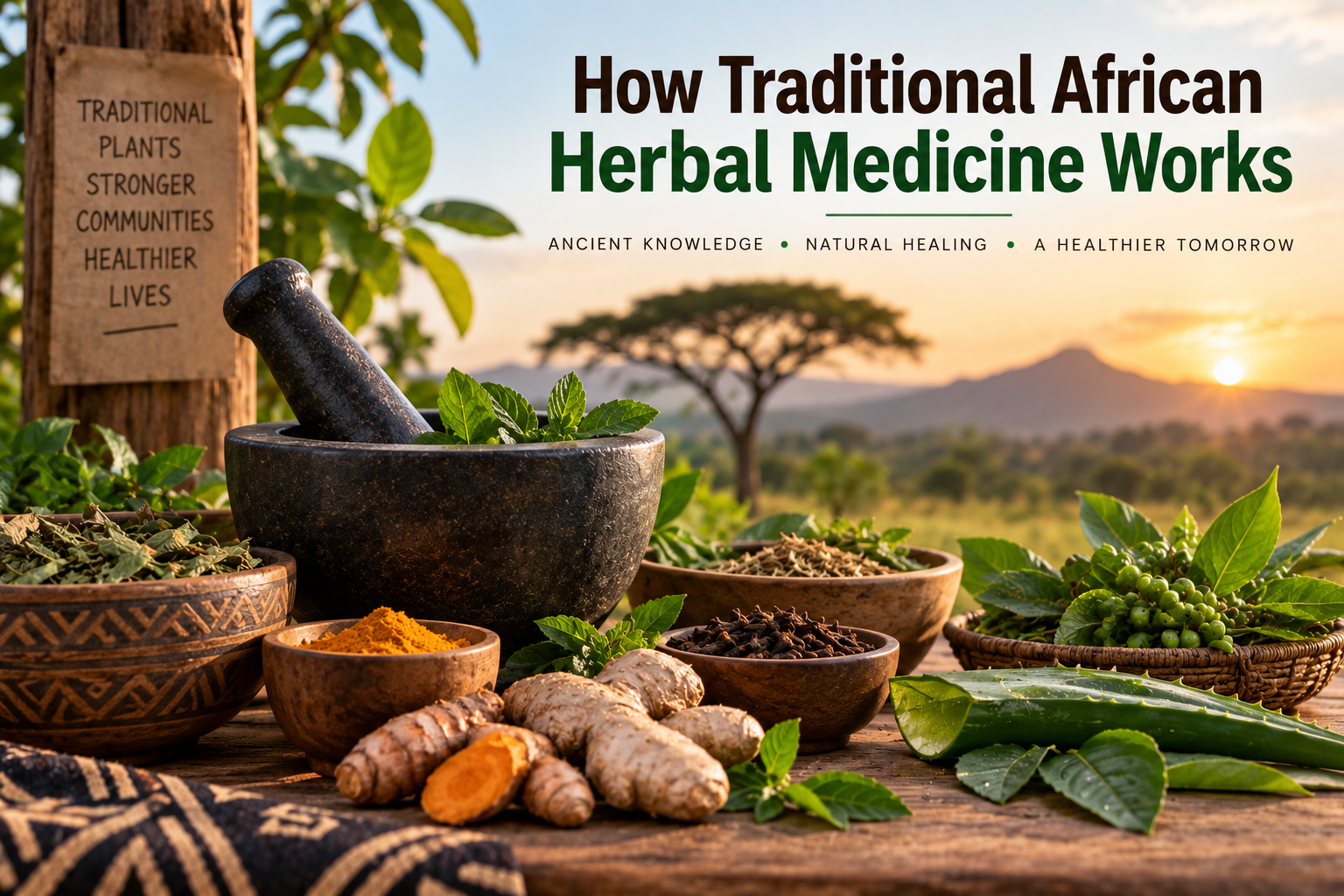
How Traditional African Herbal Medicine Works
Understanding how these remedies work requires looking at both traditional knowledge and modern scientific research. Some medicinal plants contain compounds with biological effects that researchers can study, while evidence for other traditional uses remains limited or uncertain.
Read article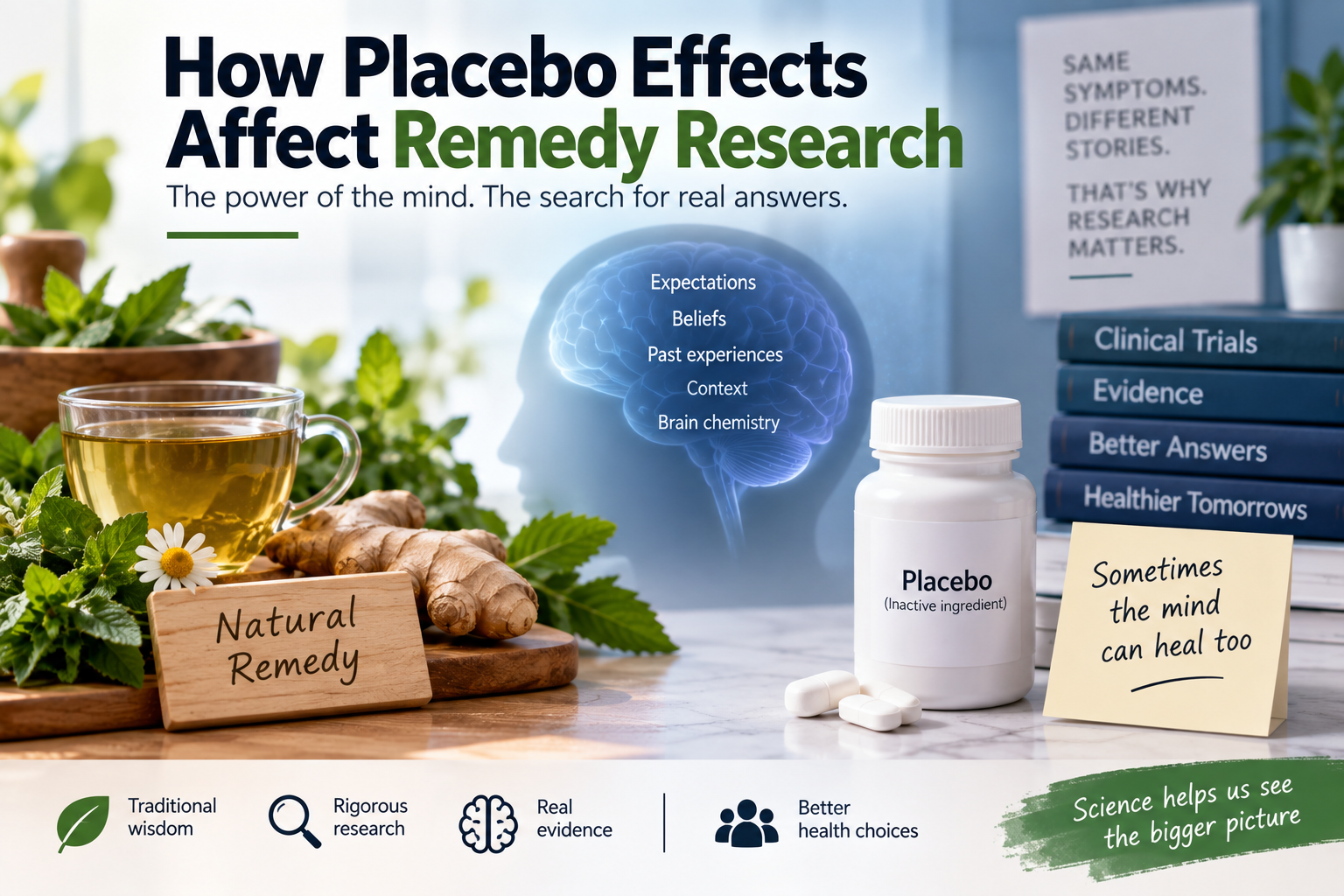
How Placebo Effects Affect Remedy Research
For natural remedies, this distinction can be particularly important. Many remedies have long histories of traditional use, and people may have strong expectations about their effectiveness. Carefully designed research is therefore needed to determine whether improvements are caused by the remedy, the context surrounding its use, natural changes in symptoms or some combination of factors
Read article
Are Natural Remedies Safe During Pregnancy
The safest approach is not to assume that a remedy is harmless simply because it is natural. Instead, its ingredients, dose, purpose, evidence, and potential risks should all be considered.
Read article

Join 10,000+ Readers Building Healthier Habits
Get actionable wellness tips every week plus our newest articles delivered straight to your inbox.