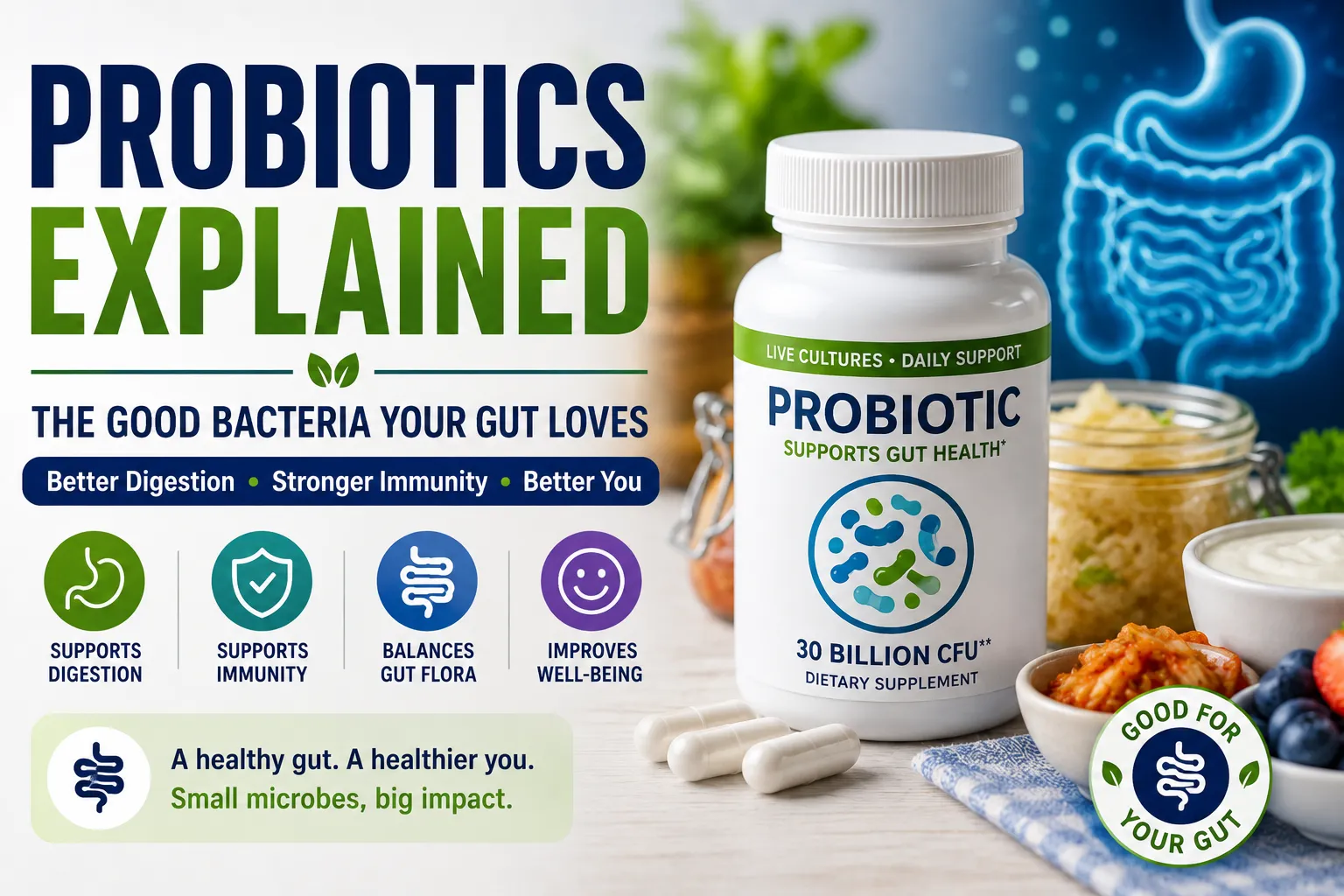

Probiotics Explained
Probiotics have become one of the most popular dietary supplements in recent years, attracting attention for their potential role in supporting digestive health and maintaining a balanced gut microbiome. As research into the trillions of microorganisms living in the human digestive tract continues to expand, scientists are gaining a better understanding of how these beneficial bacteria influence not only digestion but also immune function and overall well-being.
While probiotics are available in many foods and supplements, choosing the right product can be confusing due to the wide variety of strains, formulations, and health claims on the market. Understanding what probiotics are—and what current scientific evidence says about them—can help consumers make informed decisions.
This guide explains what probiotics are, how they work, their potential benefits, different types, safety considerations, and how they fit into a healthy lifestyle.
Note: This article is for educational purposes only and should not replace medical advice. Speak with a qualified healthcare professional before starting any supplement, especially if you have an underlying medical condition or a weakened immune system.
What Are Probiotics?
Probiotics are live microorganisms that, when consumed in adequate amounts, may provide health benefits for some individuals.
They are commonly found in:
- Dietary supplements
- Yogurt
- Kefir
- Fermented vegetables
- Kimchi
- Sauerkraut
- Miso
- Certain fermented beverages
Not all probiotics are the same, and different strains may have different effects.
Why Probiotics Matter
The human digestive system contains trillions of microorganisms collectively known as the gut microbiome.
A healthy microbiome helps:
- Support digestion
- Assist nutrient absorption
- Produce certain vitamins
- Maintain a balanced gut environment
- Support immune function
- Help protect against harmful microorganisms
- Contribute to overall health
- Promote digestive comfort
Probiotics are intended to support this complex microbial ecosystem.
How Probiotics Work
After being consumed, probiotics travel through the digestive system where some strains may survive and temporarily interact with the gut microbiome.
They may help by:
- Supporting beneficial bacteria
- Competing with harmful microbes
- Producing beneficial compounds
- Supporting the intestinal barrier
- Influencing immune responses
- Helping maintain microbial balance
- Assisting digestion
- Supporting gut health
The effects depend on the specific strain, dosage, and individual health status.
Common Types of Probiotics
Many different probiotic species are used in supplements and fermented foods.
Frequently used groups include:
- Lactobacillus
- Bifidobacterium
- Saccharomyces boulardii
- Streptococcus thermophilus
- Bacillus species
Each group contains multiple strains with unique characteristics and potential applications.
Probiotic Foods
Many people obtain probiotics through naturally fermented foods.
Common sources include:
- Yogurt with live cultures
- Kefir
- Sauerkraut
- Kimchi
- Miso
- Tempeh
- Kombucha
- Certain fermented cheeses
Including fermented foods as part of a balanced diet may contribute to overall dietary variety.
Potential Benefits of Probiotics
Research continues to investigate the role of probiotics in human health.
Some studies suggest certain probiotic strains may help support:
- Digestive health
- Gut microbiome balance
- Recovery after antibiotic use
- Regular bowel habits
- Immune function
- Lactose digestion for some individuals
- General gastrointestinal comfort
- Overall wellness
The evidence varies depending on the strain and the health condition being studied.
Understanding Probiotic Strains
Not all probiotic supplements contain the same microorganisms.
When comparing products, consider:
- Bacterial strain
- Colony-forming units (CFUs)
- Storage requirements
- Expiration date
- Intended use
- Scientific research
- Product quality
- Third-party testing
Choosing products backed by quality standards and scientific evidence is important.
What Are Prebiotics?
Prebiotics differ from probiotics.
Prebiotics are dietary fibers that nourish beneficial bacteria already living in the digestive system. For a deeper look at this relationship, see our guide to how prebiotic supplements work for gut health.
Common prebiotic foods include:
- Garlic
- Onions
- Bananas
- Oats
- Asparagus
- Chicory root
- Apples
- Legumes
A balanced diet often includes both probiotics and prebiotics.
Choosing a Probiotic Supplement
Selecting the right supplement depends on individual needs.
Helpful considerations include:
- Specific probiotic strains
- CFU count
- Product quality
- Independent testing
- Storage instructions
- Expiration date
- Healthcare provider recommendations
- Intended health goal
More CFUs do not necessarily mean a supplement is more effective.
Are Probiotics Safe?
Probiotics are generally considered safe for many healthy individuals when used appropriately.
However, some people should seek medical advice before using probiotics, including those with:
- Severely weakened immune systems
- Serious underlying illnesses
- Recent major surgery
- Certain medical conditions
Safety recommendations may differ depending on individual health circumstances.
Possible Side Effects
Some people may experience mild digestive symptoms when first taking probiotics.
Temporary effects may include:
- Gas
- Bloating
- Mild stomach discomfort
- Changes in bowel habits
These symptoms often improve as the body adjusts, although persistent or severe symptoms should be discussed with a healthcare professional.
Common Myths About Probiotics
Several misconceptions surround probiotic supplements.
Myth: All Probiotics Work the Same
Different strains have different properties, and research often focuses on specific strains rather than probiotics as a whole.
Myth: More Is Always Better
Higher CFU counts do not automatically produce better results.
Myth: Supplements Are Better Than Food
Fermented foods can also contribute beneficial microorganisms and other valuable nutrients.
Myth: Probiotics Replace a Healthy Diet
A balanced diet, regular exercise, adequate sleep, and overall healthy lifestyle habits remain the foundation of good health.
Tips for Supporting Gut Health
Promote digestive wellness by:
- Eating a balanced diet rich in fiber.
- Including fermented foods when appropriate.
- Staying hydrated.
- Exercising regularly.
- Getting enough sleep.
- Managing stress.
- Limiting highly processed foods.
- Taking antibiotics only when prescribed.
- Reading supplement labels carefully.
- Consulting a healthcare professional before starting new supplements.
Healthy lifestyle habits support the gut microbiome over the long term.
The Future of Probiotic Research
Scientific understanding of the gut microbiome continues to evolve.
Emerging areas of research include:
- Personalized probiotics
- Precision nutrition
- Gut microbiome mapping
- Synbiotic products
- Next-generation probiotic strains
- AI-assisted microbiome analysis
- Microbiome-based therapies
- Digestive health innovations
These developments may lead to more targeted approaches to supporting gut health.
Building a Smarter Approach to Probiotic Use
Probiotics are an important area of nutritional science, offering promising opportunities to support digestive health and maintain a balanced gut microbiome. While research continues to explore their full potential, current evidence suggests that certain probiotic strains may benefit specific individuals and health conditions.
Whether obtained through fermented foods or carefully selected supplements, probiotics are best viewed as one part of a healthy lifestyle that includes balanced nutrition, regular physical activity, quality sleep, and ongoing medical care when needed. Making informed decisions based on scientific evidence and professional guidance can help individuals choose the approach that best supports their long-term health.
For readers exploring the broader relationship between diet, medications, and digestive health, our guide to GLP-1 drugs and diet provides another relevant perspective. Those interested in digestive support beyond probiotic products can also explore natural remedies for digestion.
Continue Reading
Similar Posts
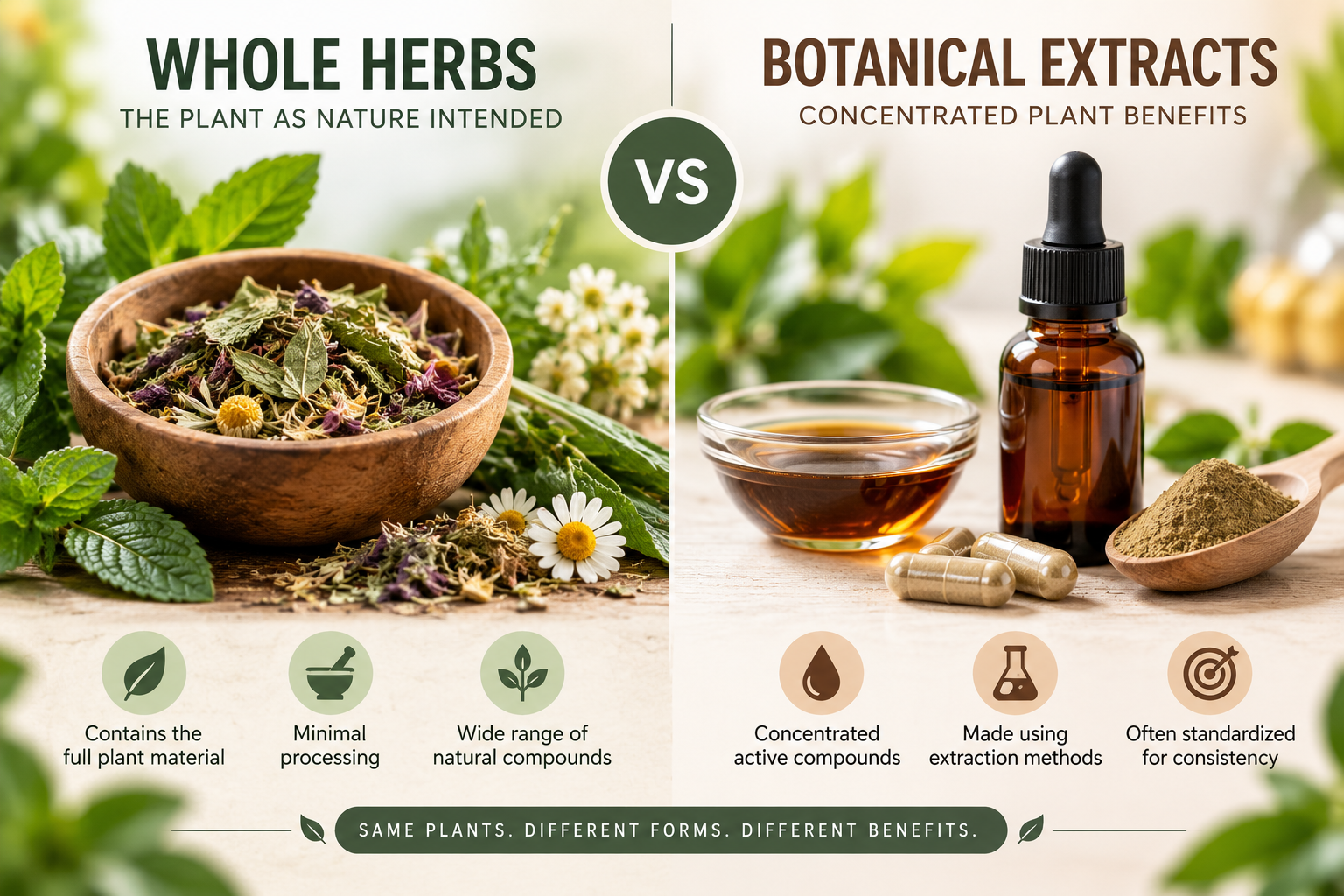
How Botanical Extracts Differ From Whole Herbs
Understanding how extracts differ from whole herbs can make it easier to interpret supplement labels, compare products, and evaluate claims about herbal ingredients.
Read article
How Nutrient Deficiencies Develop and Get Identified
Understanding how nutrient deficiencies develop—and how healthcare professionals identify them—can make it easier to recognize potential problems before they become more serious.
Read article
What Is the Difference Between Water-Soluble and Fat-Soluble Vitamins
Understanding this basic distinction can make it easier to interpret nutrition information, evaluate supplements, and make informed decisions about dietary intake.
Read article

Join 10,000+ Readers Building Healthier Habits
Get actionable wellness tips every week plus our newest articles delivered straight to your inbox.