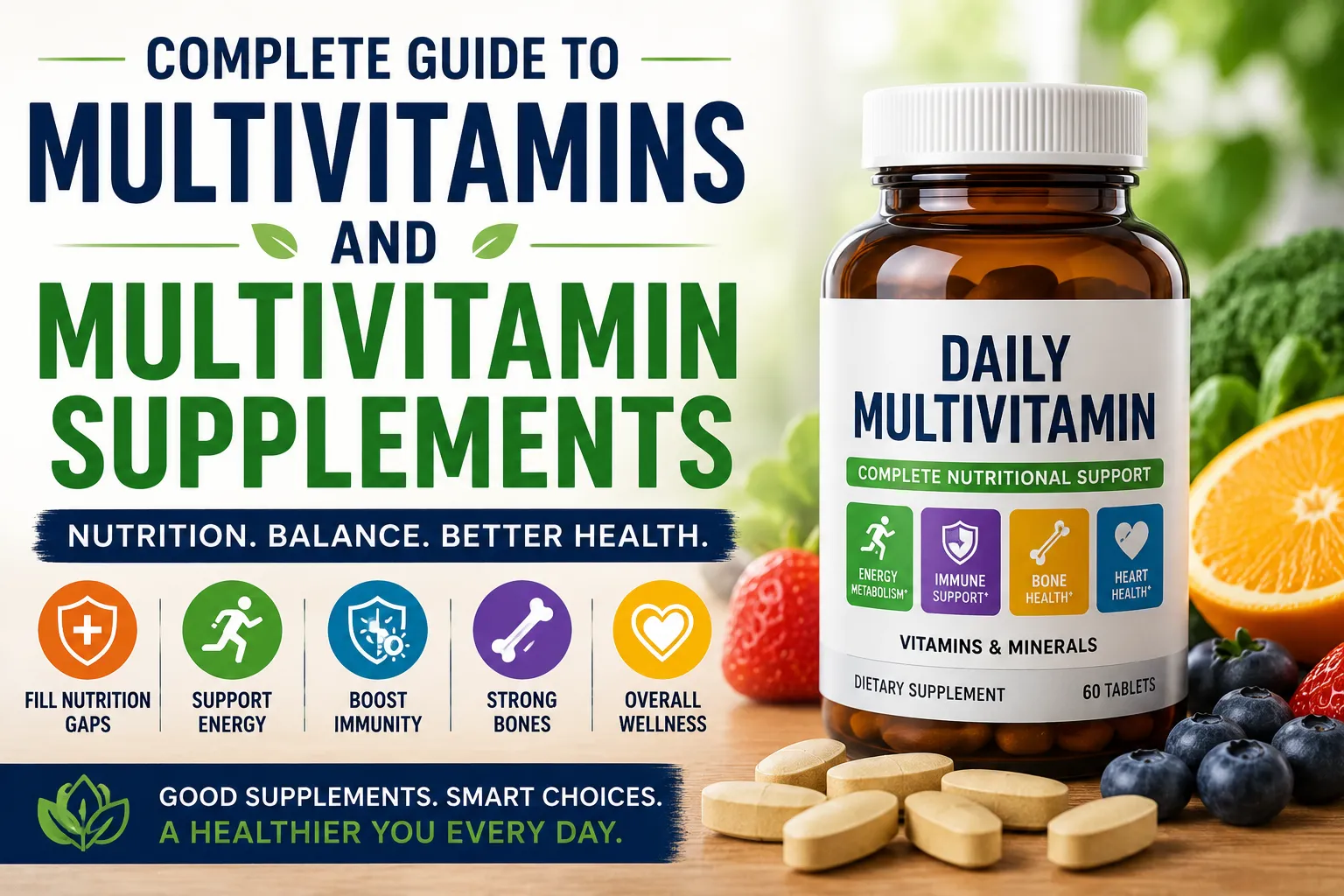

Complete Guide to Multivitamins and Multivitamin Supplements
Multivitamins are among the most widely used dietary supplements in the world. They are marketed for everything from filling nutritional gaps and supporting normal body functions to promoting energy, immunity, healthy aging and overall wellness.
But the reality is more nuanced.
A multivitamin isn’t a substitute for a balanced diet, and taking more vitamins doesn’t necessarily mean better health. Different products can contain very different combinations and amounts of nutrients, while individual needs can vary according to age, diet, pregnancy status, medical conditions, medications and other factors.
The National Institutes of Health (NIH) Office of Dietary Supplements notes that there is no standard multivitamin formula. Manufacturers decide which vitamins and minerals to include and at what amounts. Some products also contain additional ingredients such as herbs, probiotics or other compounds.
This complete guide to multivitamins and multivitamin supplements explains what they are, what they contain, potential benefits, limitations, safety concerns, interactions, different types, how to read a supplement label and when a multivitamin may or may not make sense. For broader information about supplements beyond multivitamins, see the complete guide to dietary supplements.
Important: This article provides general health information and isn’t a substitute for individualized medical advice. People who are pregnant, taking medication, managing a medical condition or considering high-dose supplementation should discuss supplements with a qualified healthcare professional.
What Is a Multivitamin?
A multivitamin is a dietary supplement containing a combination of vitamins and minerals. Some products also include other ingredients.
The terms multivitamin, multivitamin-mineral supplement, MVM, multi and multiple are often used interchangeably.
There isn’t one universally defined multivitamin formula.
One product might contain approximately the recommended amount of many nutrients, while another could contain substantially higher amounts of selected vitamins or minerals.
According to the NIH, common multivitamin products include once-daily formulas containing most vitamins and minerals in amounts close to recommended levels, while specialized products may contain higher amounts or additional ingredients.
Why Do People Take Multivitamins?
People use multivitamins for many different reasons.
Common motivations include:
- Filling potential nutrient gaps
- Supporting an inadequate diet
- Meeting increased nutritional needs during certain life stages
- Supporting general nutrition
- Convenience
- Maintaining adequate intake of certain vitamins and minerals
- Following advice from a healthcare professional
However, taking a multivitamin simply because it is marketed as an “insurance policy” doesn’t guarantee better health.
The NIH emphasizes that most nutrients should come from a varied diet and that supplements can be useful when dietary intake isn’t sufficient or when particular life stages or circumstances increase nutritional needs.
What Does a Multivitamin Contain?
A typical multivitamin may contain some or many of the following:
Vitamins
- Vitamin A
- Vitamin C
- Vitamin D
- Vitamin E
- Vitamin K
- Thiamin (vitamin B1)
- Riboflavin (vitamin B2)
- Niacin (vitamin B3)
- Pantothenic acid (vitamin B5)
- Vitamin B6
- Biotin (vitamin B7)
- Folate (vitamin B9)
- Vitamin B12
Minerals
- Calcium
- Iron
- Magnesium
- Zinc
- Copper
- Selenium
- Manganese
- Chromium
- Molybdenum
- Iodine
Not every multivitamin contains all of these.
Some contain relatively small amounts of certain nutrients because including large quantities would make the product difficult to formulate into a single serving.
For a broader explanation of the nutrients found in supplements, the complete guide to vitamins and their roles and minerals and the essential nutrients they provide provide useful context.
There Is No Standard Multivitamin
This is one of the most important things to understand before buying a supplement.
Two bottles can both be labeled “multivitamin” while containing significantly different formulas.
For example:
| Feature | Product A | Product B |
|---|---|---|
| Vitamin D | Moderate | High |
| Iron | Included | None |
| Calcium | Low | Moderate |
| B12 | Moderate | High |
| Herbal ingredients | None | Included |
| Daily servings | 1 | 2–3 |
This is why comparing products based solely on the word multivitamin isn’t particularly useful.
You need to read the actual Supplement Facts label.
Multivitamins Versus Individual Vitamins
A multivitamin contains multiple nutrients.
An individual supplement focuses primarily on one nutrient.
Examples include:
- Vitamin D supplements
- Iron supplements
- Vitamin B12 supplements
- Folate supplements
- Calcium supplements
An individual supplement may make more sense when a specific nutrient deficiency or increased requirement has been identified.
Taking a multivitamin plus several individual supplements, however, can unintentionally push total intake of certain nutrients higher than intended.
How Multivitamins Work
Multivitamins don’t work as a single substance.
Each nutrient performs different biological functions.
For example:
- Vitamin C contributes to normal collagen formation and antioxidant functions.
- Vitamin D helps with calcium absorption and bone health.
- Vitamin B12 is important for blood cells and neurological function.
- Folate is essential for DNA synthesis and cell division.
- Iron is needed to make hemoglobin.
- Iodine is required for thyroid hormone production.
The effect of supplementation therefore depends on which nutrients are present, how much is consumed and whether the person actually needs additional amounts.
Can Multivitamins Replace Healthy Food?
No.
This is one of the most important principles of supplementation.
Foods provide more than isolated vitamins and minerals.
A varied diet can also provide:
- Protein
- Fiber
- Essential fatty acids
- Carbohydrates
- Plant compounds
- Water
- Other naturally occurring substances
The NIH specifically states that multivitamin/mineral supplements cannot replace the variety of foods important to a healthy diet.
A supplement should generally be viewed as a supplement to nutrition—not a replacement for it.
Potential Benefits of Multivitamins
The potential value of a multivitamin depends heavily on the person taking it.
Filling Nutritional Gaps
One of the clearest reasons to use a multivitamin is to help provide nutrients that may be missing from the diet.
This may be relevant when someone has:
- A highly restricted diet
- Low food intake
- Poor appetite
- Increased nutritional needs
- Certain dietary limitations
However, the appropriate supplement depends on the actual nutritional situation.
Supporting Normal Body Functions
Vitamins and minerals are essential for many biological processes.
They contribute to functions involving:
- Energy metabolism
- Immune function
- Blood formation
- Bone maintenance
- Neurological function
- Cell division
- Vision
- Hormone production
This doesn’t mean that taking extra amounts above nutritional requirements will automatically improve these functions.
The body needs adequate amounts, not necessarily ever-increasing amounts.
Do Multivitamins Increase Energy?
This claim requires some clarification.
Vitamins don’t function like caffeine or other stimulants that produce an immediate feeling of increased energy.
However, certain vitamins and minerals are involved in normal energy metabolism.
If someone has a genuine nutritional deficiency, correcting that deficiency may improve symptoms associated with the deficiency.
But taking a multivitamin when nutritional needs are already adequately met isn’t necessarily going to produce a noticeable energy boost.
Do Multivitamins Improve Immunity?
The immune system depends on adequate nutrition.
Several vitamins and minerals—including vitamins A, C and D, zinc and selenium—play roles in normal immune function.
That doesn’t mean taking large doses of these nutrients will automatically prevent infections.
A multivitamin can help supply nutrients, but it shouldn’t be treated as a guarantee against illness.
Do Multivitamins Prevent Disease?
This is one of the most complicated questions surrounding multivitamin use.
The U.S. Preventive Services Task Force (USPSTF) concluded that evidence is insufficient to determine whether multivitamin supplementation provides a net benefit for preventing cardiovascular disease or cancer in generally healthy, nonpregnant adults.
An evidence review found some evidence of a small reduction in cancer incidence among multivitamin users, but the researchers emphasized important limitations in the evidence and concluded that most vitamin and mineral supplements showed little or no clinically important benefit for preventing cancer, cardiovascular disease or death in healthy adults without known deficiencies.
So a multivitamin shouldn’t be marketed or understood as a general-purpose disease-prevention pill.
Multivitamins and Heart Health
There is currently insufficient evidence to recommend multivitamins specifically for preventing cardiovascular disease in generally healthy adults.
This is an important distinction:
Providing adequate nutrients is not the same as proving that taking extra nutrients prevents heart disease.
Heart-health strategies with stronger evidence include addressing established risk factors through appropriate diet, physical activity, blood-pressure management, avoiding tobacco and receiving appropriate medical care.
Multivitamins and Cancer Prevention
Research into multivitamins and cancer is complicated.
Some studies have suggested possible benefits, while others haven’t demonstrated meaningful effects.
The USPSTF found insufficient evidence to determine the overall balance of benefits and harms for multivitamin use as a strategy for preventing cardiovascular disease or cancer.
The evidence therefore doesn’t support treating a standard multivitamin as a cancer-prevention strategy.
Multivitamins and Longevity
People sometimes take multivitamins because they believe they will help them live longer.
Current evidence doesn’t establish that routine multivitamin use extends lifespan in healthy adults.
The USPSTF’s evidence review found no association between multivitamin supplementation and reduced all-cause mortality in pooled randomized trials.
That doesn’t mean multivitamins are useless.
It means their most defensible role is generally related to nutritional adequacy rather than assuming that more vitamins automatically translate into longer life.
Who Might Benefit From a Multivitamin?
A multivitamin may be useful for some people depending on their circumstances.
Potential examples include people who:
- Have limited dietary variety
- Have increased nutritional requirements
- Have difficulty consuming adequate food
- Follow restrictive eating patterns
- Are advised by a healthcare professional to supplement
- Have specific nutritional concerns
But the right product varies by individual.
A person with an identified deficiency may need a targeted supplement rather than a standard multivitamin.
Multivitamins for Older Adults
Older adults can have different nutritional considerations than younger adults.
Factors such as:
- Appetite changes
- Dietary restrictions
- Medication use
- Absorption changes
- Reduced food intake
can affect nutritional status.
Some products marketed for older adults contain more vitamin D or B12 and less iron than general adult formulas.
However, the NIH notes that formulas vary, so age-specific marketing doesn’t automatically mean a product is appropriate for every older person.
Multivitamins for Men
Men’s multivitamins may be formulated with particular nutrient amounts and are often marketed around:
- Energy
- General wellness
- Immune support
- Healthy aging
- Performance
The important point is that “men’s” doesn’t automatically mean nutritionally superior.
Compare the actual nutrient profile with your dietary needs.
Multivitamins for Women
Women’s multivitamins may contain different amounts of nutrients such as:
- Iron
- Folate
- Vitamin D
- Calcium
depending on the product.
Individual requirements vary considerably, particularly during reproductive years, pregnancy and later life.
Prenatal Multivitamins
Prenatal supplements are a distinct category and shouldn’t simply be treated as ordinary women’s multivitamins.
Pregnancy changes nutritional requirements.
Folic acid is particularly important because adequate folic acid before conception and during early pregnancy helps reduce the risk of neural tube defects.
NIH guidance notes that women and adolescents who are planning pregnancy or capable of becoming pregnant should obtain 400–800 micrograms of folic acid daily from supplements and/or fortified foods, beginning at least one month before conception and continuing through the first two to three months of pregnancy.
People at higher risk of neural tube defects may require a different dose under medical supervision.
Children’s Multivitamins
Children’s nutritional needs are different from those of adults.
Children’s multivitamins are therefore formulated differently and often contain smaller amounts of certain nutrients.
Parents should avoid assuming that an adult multivitamin can simply be divided into a smaller dose.
Some vitamins and minerals can be harmful in excessive amounts, particularly for children.
Keep supplements securely stored and follow the product’s age and dosing instructions.
Multivitamins for Teenagers
Teenagers experience substantial growth and development, but that doesn’t mean every teenager needs a multivitamin.
Nutritional requirements depend on:
- Diet
- Growth
- Activity level
- Health status
- Eating patterns
A healthcare professional or registered dietitian can help identify whether supplementation is appropriate.
Multivitamins for Vegetarians and Vegans
People following vegetarian or vegan diets may have different nutritional considerations.
Depending on the foods consumed, attention may be needed for nutrients such as:
- Vitamin B12
- Iron
- Zinc
- Calcium
- Vitamin D
- Iodine
A multivitamin can sometimes contribute to nutrient intake, but the exact formula matters.
Vitamin B12 deserves particular attention because reliable dietary sources are limited in vegan diets unless fortified foods or supplements are used.
Multivitamins and Iron
Iron is an essential mineral, but more isn’t necessarily better.
Iron deficiency can cause significant health problems, but excessive iron can also be harmful.
For this reason, people shouldn’t automatically choose a high-iron multivitamin without considering whether they actually need additional iron.
This is particularly important when combining a multivitamin with a separate iron supplement.
Multivitamins and Vitamin D
Vitamin D is included in many multivitamins, but amounts vary substantially.
Vitamin D plays important roles in:
- Calcium absorption
- Bone health
- Muscle function
- Immune function
Whether someone needs additional vitamin D depends on diet, sun exposure, health status and other factors.
A multivitamin containing vitamin D isn’t necessarily sufficient to treat a confirmed deficiency.
Multivitamins and Vitamin B12
Vitamin B12 supports:
- Red blood cell formation
- Normal neurological function
- DNA synthesis
- Energy metabolism
B12 deficiency can occur for various reasons, including inadequate intake and certain absorption problems.
People with suspected B12 deficiency should seek appropriate evaluation rather than simply taking a multivitamin and assuming the issue is resolved.
Multivitamins and Folate
Folate is important for DNA synthesis and cell division.
Its importance increases substantially during pregnancy.
As discussed above, folic acid has a well-established role in reducing neural tube defects when consumed before and during early pregnancy.
This is a good example of why supplement needs can change dramatically according to life stage.
Multivitamins and Calcium
Calcium is important for:
- Bones
- Teeth
- Muscle contraction
- Nerve function
Many multivitamins contain relatively modest amounts of calcium because including the full daily requirement would make the product physically large.
People who need additional calcium may therefore require dietary changes or a separate supplement based on professional advice.
Multivitamins and Magnesium
Magnesium participates in numerous biological processes.
It is involved in:
- Muscle and nerve function
- Energy metabolism
- Protein synthesis
- Blood glucose regulation
But a multivitamin isn’t necessarily the best way to obtain substantial magnesium.
The amount in many multis is relatively modest.
Multivitamins and Vitamin K
Vitamin K plays an important role in blood clotting and bone metabolism.
This nutrient deserves particular attention for people taking certain anticoagulant medications.
Changing vitamin K intake substantially can affect medication management in some circumstances.
Anyone taking anticoagulants should discuss supplement use with their healthcare professional rather than making significant changes independently.
Can Multivitamins Cause Side Effects?
Yes.
Although many people tolerate standard multivitamins well, supplements can cause problems depending on their ingredients and doses.
Possible issues include:
- Nausea
- Stomach discomfort
- Constipation
- Diarrhea
- Headache
- Unpleasant taste
- Changes in urine color
- Other nutrient-specific effects
Taking a multivitamin with food may improve tolerance for some people, although product directions should be followed.
Can You Take Too Many Vitamins?
Yes.
The idea that vitamins are harmless simply because they are essential nutrients is incorrect.
Some vitamins can accumulate in the body, while excessive amounts of others can cause adverse effects.
The risk becomes particularly important when someone combines:
- A multivitamin
- Individual vitamin supplements
- Fortified foods
- Other supplements
The total intake can become much higher than expected.
Fat-Soluble Versus Water-Soluble Vitamins
Vitamins are commonly divided into two groups.
Fat-Soluble Vitamins
These include:
- Vitamin A
- Vitamin D
- Vitamin E
- Vitamin K
They can be stored in the body, making excessive intake a particular concern.
Water-Soluble Vitamins
These include:
- Vitamin C
- Most B vitamins
They generally behave differently in the body, but this doesn’t mean unlimited amounts are harmless.
Some water-soluble vitamins can still cause adverse effects when consumed in excessive doses.
Why Vitamin A Requires Special Attention
Vitamin A is essential, but excessive intake of preformed vitamin A can be harmful.
The NIH lists a tolerable upper intake level of 3,000 micrograms RAE per day for adults for preformed vitamin A from food and supplements.
Pregnancy requires additional caution because high doses of preformed vitamin A can harm fetal development.
Some prenatal products therefore use beta-carotene as a vitamin A source.
Beta-Carotene Is Not the Same as Vitamin A
Beta-carotene can be converted by the body into vitamin A.
But it behaves differently from preformed vitamin A.
High-dose beta-carotene supplementation is particularly concerning for people who smoke or have occupational asbestos exposure. The USPSTF recommends against beta-carotene supplementation for preventing cardiovascular disease or cancer, and NIH notes increased lung-cancer risk among smokers and certain exposed populations taking high-dose beta-carotene supplements.
Can Multivitamins Interact With Medications?
Yes.
This is one of the most important reasons to review supplements with a healthcare professional.
The FDA warns that dietary supplements can interact with medications, interfere with laboratory tests and create risks around surgery.
Examples can involve nutrients such as:
- Vitamin K
- Calcium
- Iron
- Magnesium
The interaction depends on the medication and the nutrient.
If you take prescription medicines regularly, don’t assume a multivitamin is automatically safe simply because it is sold without a prescription.
Multivitamins Before Surgery
Some supplements can affect bleeding, anesthesia, medication metabolism or other aspects of medical care.
The FDA specifically advises consumers that dietary supplements can interact with medications and may create problems during surgery.
Tell your healthcare team about all supplements you take before a planned procedure.
Multivitamins and Laboratory Tests
Certain supplement ingredients can interfere with laboratory tests.
This is another reason healthcare professionals should know what supplements you are taking.
Don’t assume that an over-the-counter supplement is irrelevant when discussing medical testing.
How to Read a Multivitamin Label
A supplement label can seem complicated at first.
Focus on several key sections.
Serving Size
This tells you how much of the product constitutes one serving.
A serving may be:
- One tablet
- Two tablets
- Three capsules
- A powder serving
- A gummy serving
Never compare nutrient amounts without first checking the serving size.
For a more detailed explanation of supplement labels, see how to read supplement labels correctly.
Amount Per Serving
This shows how much of each nutrient the manufacturer provides in the stated serving.
Percent Daily Value
The %DV indicates how much the serving contributes to the Daily Value established for that nutrient.
The Daily Value isn’t always identical to an individual’s recommended intake.
Other Ingredients
This section can include:
- Fillers
- Flavoring
- Coloring
- Sweeteners
- Capsule materials
- Preservatives
- Other compounds
Read this section if you have allergies, intolerances or specific dietary requirements.
What Does “High Potency” Mean?
“High potency” is primarily a marketing description rather than a guarantee of superior health outcomes.
A high-potency product may contain substantially more than the Daily Value of certain nutrients.
That isn’t automatically better.
For some nutrients and some individuals, higher amounts may be appropriate.
For others, they may provide no additional benefit and could increase risk.
What Does “Whole Food Multivitamin” Mean?
Products marketed as “whole food” multivitamins often emphasize ingredients derived from or associated with food sources.
But the marketing term doesn’t automatically establish that the product is safer, more effective or nutritionally superior.
Look at the actual nutrient amounts and ingredient list.
What Are Gummies?
Gummy multivitamins are chewable supplements designed to be easier to consume than tablets or capsules.
They may be particularly appealing to:
- Children
- People who dislike swallowing pills
- People who prefer chewable products
However, gummies can contain added sugars or other ingredients, and their nutrient profiles vary.
They should also be treated like other supplements and stored securely.
Tablets, Capsules, Powders and Gummies
| Form | Potential Advantage | Potential Consideration |
|---|---|---|
| Tablets | Often compact and inexpensive | Can be difficult to swallow |
| Capsules | Easy for some people to swallow | May have different formulation constraints |
| Gummies | Easy to chew | May contain sugars or fewer minerals |
| Powder | Flexible delivery | Requires preparation |
| Liquid | Useful for some people with swallowing difficulties | Stability and dosing vary |
The best form is the one that provides appropriate nutrients in a formulation you can use consistently.
How to Choose a Multivitamin
Instead of asking:
“What is the best multivitamin?”
ask:
“What multivitamin, if any, fits my nutritional needs?”
Consider:
Age
Children, adults and older adults have different nutritional requirements.
Sex and Life Stage
Nutrient needs can differ according to sex and reproductive stage.
Diet
Your diet may already provide substantial amounts of certain nutrients.
Pregnancy
Prenatal nutrition has specific requirements.
Medications
Some nutrients can interact with medications.
Medical Conditions
Certain conditions can affect nutrient absorption or metabolism.
Nutritional Deficiencies
A confirmed deficiency may require a targeted approach.
Should You Choose a Multivitamin With 100% Daily Value?
Not necessarily.
A product providing around 100% DV of many nutrients can be a reasonable starting point for some people, but the appropriate amount depends on the individual’s circumstances.
Some nutrients have different recommended amounts depending on age and sex.
Others may be intentionally present at lower or higher levels for formulation reasons.
Is More Than 100% Daily Value Dangerous?
Not automatically.
The Daily Value isn’t the same thing as the Tolerable Upper Intake Level (UL).
A product can contain more than 100% DV of a nutrient without exceeding the UL.
However, repeatedly consuming high doses can become problematic for certain nutrients.
The key is to look at the total intake and the specific nutrient.
What Is the Tolerable Upper Intake Level?
The UL is the highest average daily intake level unlikely to pose a risk of adverse health effects for most people in a particular age or life-stage group.
It isn’t a target.
You shouldn’t aim to consume the UL.
It’s a safety boundary rather than a recommended intake.
Can You Take a Multivitamin Every Day?
Many multivitamins are designed for daily use.
However, whether daily use makes sense depends on:
- The product
- The dose
- Your diet
- Your age
- Your health
- Other supplements
- Medications
- Individual nutritional needs
Follow the product’s directions and seek professional advice when your situation is complex.
What Time of Day Should You Take a Multivitamin?
There isn’t one universally correct time.
Some people take their multivitamin:
- With breakfast
- With lunch
- With dinner
Taking it with food can improve tolerance for some people.
Fat-soluble vitamins are also better absorbed when consumed with dietary fat.
The most practical approach is usually to follow the product instructions and choose a consistent time that works for you.
Can You Take a Multivitamin on an Empty Stomach?
Some people can, but certain multivitamins may cause nausea or stomach discomfort when taken without food.
If this happens, taking it with a meal may help.
Always follow the label’s directions.
Can You Take Multivitamins With Coffee?
This depends on the ingredients and product.
Coffee and other beverages can affect the absorption of certain nutrients under some circumstances.
People taking supplements containing iron, for example, may need to consider timing around beverages and foods that affect iron absorption.
If a supplement contains a nutrient with specific absorption instructions, follow those instructions.
Can You Take Multiple Supplements Together?
You can physically take multiple supplements, but that doesn’t mean you should automatically combine them.
Check for overlapping nutrients.
For example, you might unknowingly take vitamin D from:
- A multivitamin
- A separate vitamin D supplement
- A calcium-and-vitamin-D product
- A fortified food
The same issue can occur with iron, zinc, vitamin A and other nutrients.
A Simple Supplement Audit
If you take several products, create a list.
| Product | Nutrients | Daily Amount |
|---|---|---|
| Multivitamin | Multiple | Label dose |
| Vitamin D | Vitamin D | Label dose |
| Calcium | Calcium | Label dose |
| Magnesium | Magnesium | Label dose |
Then identify duplicates.
A pharmacist, doctor or dietitian can help determine whether the combined intake makes sense.
How to Avoid Supplement Overlap
Before adding another supplement, ask:
Does my current multivitamin already contain this nutrient?
Then ask:
Do I have a reason to take more?
This simple habit can prevent unnecessary supplementation.
Are Expensive Multivitamins Better?
Not necessarily.
Price can reflect:
- Branding
- Packaging
- Ingredients
- Manufacturing processes
- Testing
- Distribution
- Marketing
A more expensive product isn’t automatically more effective.
Compare the actual formulation, serving size, quality information and suitability for your needs.
What About “Natural” Multivitamins?
The word natural shouldn’t be treated as a guarantee of safety or effectiveness.
The FDA specifically warns consumers not to assume that a supplement is safe simply because it is described as natural.
Safety depends on:
- Ingredient
- Dose
- Purity
- Interactions
- Individual health
- Manufacturing quality
How Are Supplements Regulated?
Regulation varies by country.
In the United States, dietary supplements are regulated differently from prescription medicines.
The FDA explains that it generally does not approve dietary supplements for safety and effectiveness before they reach the market in the same way it approves drugs.
This makes informed purchasing particularly important.
Consumers shouldn’t interpret a supplement being sold in a store as proof that it has been demonstrated to treat or prevent disease.
How to Choose a Higher-Quality Supplement
Look for:
- A complete Supplement Facts label
- Clear serving instructions
- Transparent ingredient amounts
- A reputable manufacturer
- Appropriate quality-testing information
- Lot or batch information where applicable
- Reasonable claims rather than miracle promises
Independent quality-testing organizations may also provide certification programs for supplements.
However, certification doesn’t mean a product is medically necessary or guaranteed to produce a particular health benefit.
Be Skeptical of Miracle Claims
Be cautious with products promising:
- Instant energy
- Guaranteed immunity
- Rapid weight loss
- Disease cures
- “Detoxification”
- Anti-aging miracles
- Dramatic hormone changes
The FDA advises consumers to be wary of hype and notes that sound health advice is generally based on research over time rather than a single study.
Common Multivitamin Mistakes
Taking a Multivitamin Instead of Eating Well
A supplement cannot replace a varied diet.
Assuming More Is Better
Higher doses can create unnecessary risks.
Combining Too Many Products
Overlapping nutrients can push total intake higher than intended.
Ignoring Medications
Some nutrients interact with medicines.
Choosing Based Only on Marketing
A colorful label doesn’t tell you whether the formulation suits your needs.
Buying a Product Without Checking Serving Size
A bottle may contain 120 capsules but provide only 40 servings if the recommended dose is three capsules per day.
Assuming Everyone Needs the Same Formula
Nutritional requirements vary.
Using a Multivitamin to Treat a Medical Condition
A multivitamin isn’t a replacement for diagnosis or treatment.
Multivitamins and a Balanced Diet
A strong nutritional foundation still begins with food.
A varied dietary pattern can provide:
- Vitamins
- Minerals
- Protein
- Fiber
- Healthy fats
- Carbohydrates
- Plant compounds
A multivitamin can help supplement nutrient intake in specific circumstances, but it doesn’t reproduce everything contained in whole foods.
The NIH explicitly recommends getting most nutrients from foods and beverages and describes supplements as useful in situations where dietary intake cannot meet needs.
A Practical Way to Think About Multivitamins
Think of supplementation as a three-step process:
Step 1: Start With Food
Build a varied and nutritionally adequate diet.
Step 2: Identify Gaps
Consider whether dietary restrictions, life stage or other circumstances create nutritional gaps.
Step 3: Supplement Strategically
Use a supplement that addresses the actual gap rather than taking multiple products simply because they are marketed for wellness.
This approach is generally more rational than trying to obtain as much of every nutrient as possible.
Frequently Asked Questions About Multivitamins
Are Multivitamins Necessary?
Not everyone needs a multivitamin. Many people can obtain adequate nutrients from a varied diet. Supplements may be useful in certain circumstances, including some life stages, restricted diets or identified nutritional deficiencies.
What Is the Best Multivitamin?
There isn’t one best multivitamin for everyone. The appropriate product depends on age, diet, life stage, medications, health status and nutritional needs.
Do Multivitamins Give You Energy?
They don’t work like stimulants. If someone has a nutrient deficiency, correcting it may improve symptoms related to that deficiency, but a multivitamin isn’t guaranteed to produce an immediate energy boost.
Can You Take a Multivitamin Every Day?
Many are designed for daily use, but the appropriate frequency depends on the product and individual circumstances.
Can Multivitamins Cause Harm?
Yes. Excessive intake of certain nutrients can cause adverse effects, and supplements can interact with medicines.
Should Children Take Multivitamins?
Some children may benefit from supplementation depending on their diet and circumstances, but children should use age-appropriate products and doses.
Should Pregnant Women Take Multivitamins?
Pregnancy has specific nutritional requirements. Prenatal supplements commonly provide important nutrients such as folic acid, but the appropriate product should be discussed with a healthcare professional.
Can You Take a Multivitamin With Other Supplements?
Possibly, but check for overlapping nutrients and medication interactions first.
Are Gummy Multivitamins Effective?
Gummies can provide vitamins and minerals, but their nutrient profiles vary. They should be evaluated based on their actual ingredients and doses rather than their format.
Do Multivitamins Prevent Cancer?
Current evidence isn’t sufficient to recommend multivitamins as a general cancer-prevention strategy.
Do Multivitamins Prevent Heart Disease?
There isn’t enough evidence to establish a net benefit for preventing cardiovascular disease in generally healthy, nonpregnant adults.
Can You Take Too Much Vitamin A?
Yes. Excessive preformed vitamin A can cause toxicity, and high doses are particularly concerning during pregnancy.
A Smart Multivitamin Checklist
Before purchasing a multivitamin, ask:
- What nutrients does it contain?
- How much of each nutrient does it provide?
- What is the serving size?
- Do I already get these nutrients from another supplement?
- Does it contain iron? Do I need iron?
- Does it contain vitamin A, and in what form?
- Does it contain ingredients I don’t need?
- Could it interact with my medications?
- Is the manufacturer transparent about quality?
- Is the product appropriate for my age and life stage?
- Am I taking it to address a real nutritional need or simply because of marketing?
If you can’t answer these questions, it’s worth speaking with a pharmacist, doctor or dietitian before purchasing.
When to Talk to a Healthcare Professional
Professional advice is particularly important if you:
- Are pregnant or planning pregnancy
- Are breastfeeding
- Take prescription medications
- Have a chronic medical condition
- Have a diagnosed nutrient deficiency
- Are preparing for surgery
- Take multiple supplements
- Are considering high-dose vitamins
- Have unexplained symptoms
- Are giving supplements to a child
The FDA recommends discussing dietary supplements with a doctor, pharmacist, registered dietitian or other qualified healthcare professional because supplements can interact with medications and cause adverse effects.
The Bottom Line on Multivitamins
Multivitamins can be useful, but they’re not magic pills.
Their most straightforward role is helping provide vitamins and minerals when dietary intake or individual circumstances make it difficult to meet nutritional needs. The NIH emphasizes that multivitamins vary considerably in their formulas and should complement—not replace—a varied diet.
The evidence is much less convincing when multivitamins are promoted as universal solutions for preventing chronic disease, extending lifespan or guaranteeing better health. For cardiovascular disease and cancer prevention, the USPSTF currently considers the evidence insufficient to determine a net benefit for multivitamin supplementation in generally healthy, nonpregnant adults.
That distinction is important.
Adequate nutrition matters. More supplementation isn’t automatically better.
Making Multivitamins Work for the Right Reasons
The smartest approach to multivitamins is not to search for the most powerful formula or the product with the longest ingredient list.
Start with your diet. Consider your age, life stage and individual nutritional circumstances. Look at the actual label. Check for duplicate ingredients. Consider medication interactions. Avoid unnecessarily high doses. And use professional guidance when your nutritional needs are complicated.
A well-chosen multivitamin can be a practical tool for filling specific nutritional gaps.
But the foundation remains the same: a varied diet, appropriate physical activity, adequate sleep, preventive healthcare and evidence-based medical care when needed.
A supplement can add to that foundation.
It shouldn’t be expected to replace it.
Continue Reading
Similar Posts
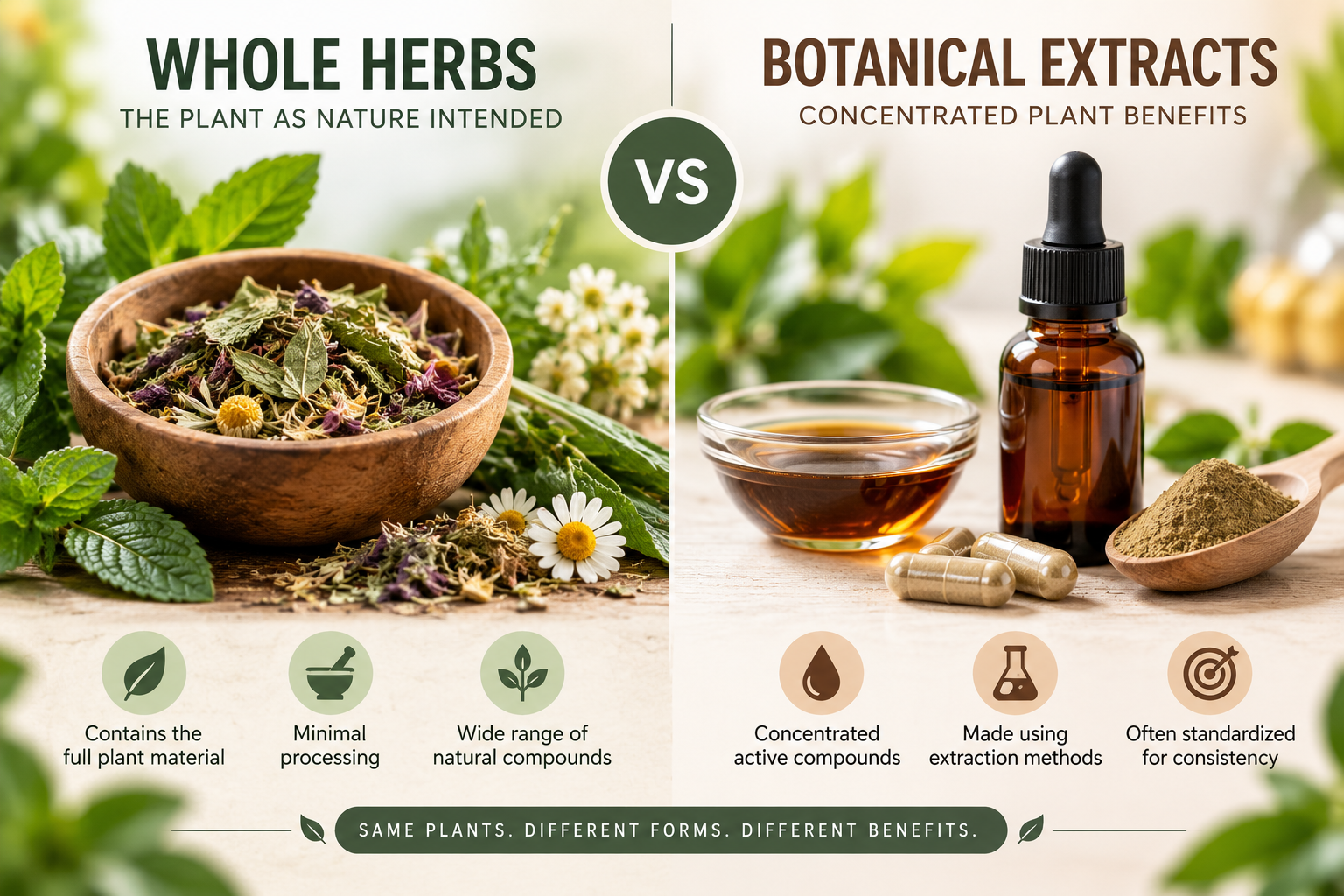
How Botanical Extracts Differ From Whole Herbs
Understanding how extracts differ from whole herbs can make it easier to interpret supplement labels, compare products, and evaluate claims about herbal ingredients.
Read article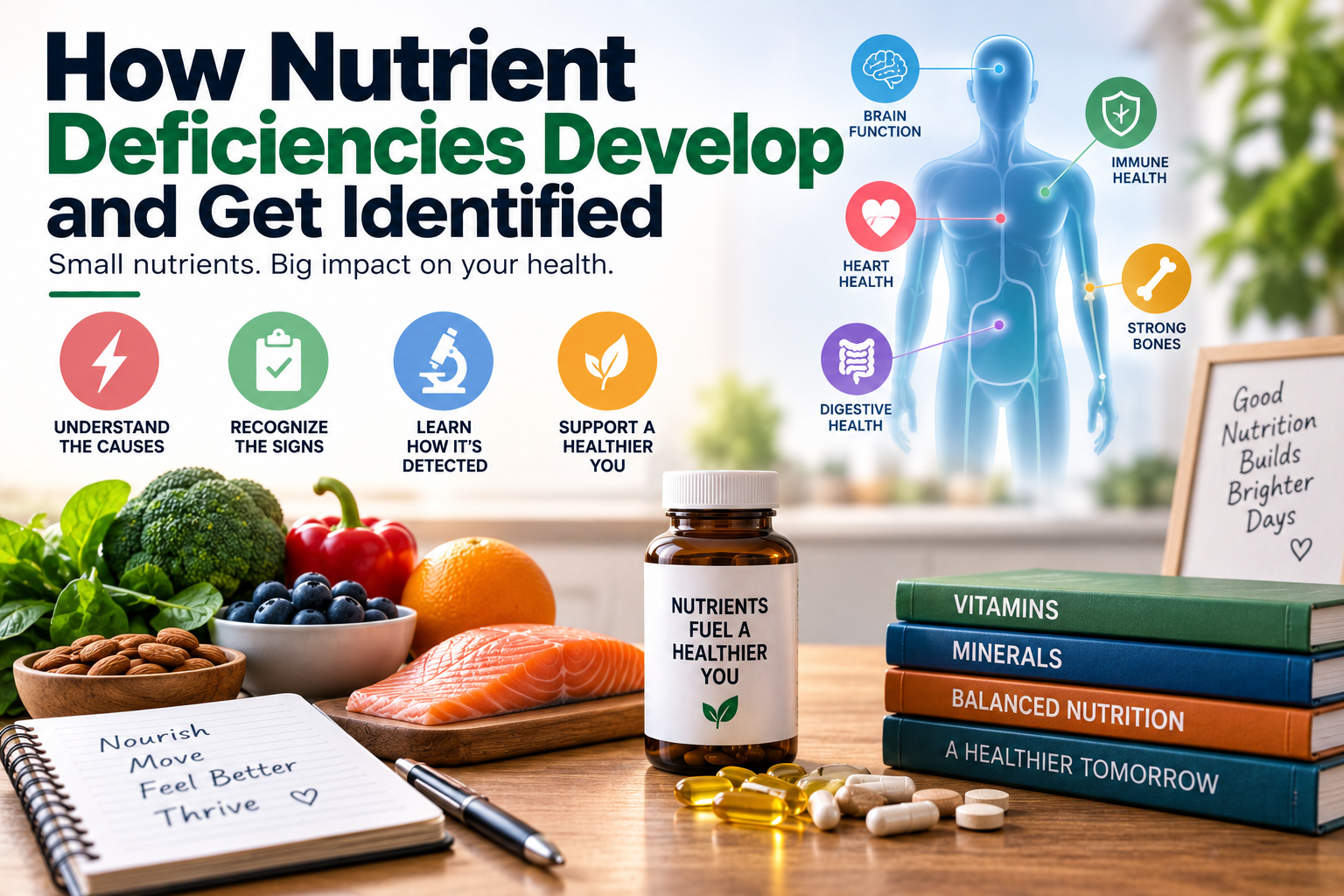
How Nutrient Deficiencies Develop and Get Identified
Understanding how nutrient deficiencies develop—and how healthcare professionals identify them—can make it easier to recognize potential problems before they become more serious.
Read article
What Is the Difference Between Water-Soluble and Fat-Soluble Vitamins
Understanding this basic distinction can make it easier to interpret nutrition information, evaluate supplements, and make informed decisions about dietary intake.
Read article

Join 10,000+ Readers Building Healthier Habits
Get actionable wellness tips every week plus our newest articles delivered straight to your inbox.