

What Can Cause Irregular Menstrual Cycles?
Menstrual cycles do not always follow an identical schedule every month. Cycle length, bleeding duration, and flow can vary from person to person and can sometimes change during different stages of life.
Occasional changes are often not a sign of a serious problem. However, consistently irregular periods, significant changes from a person’s usual pattern, very heavy bleeding, or periods that stop unexpectedly can sometimes indicate an underlying health issue.
Understanding the potential causes of irregular menstrual cycles can help people recognize normal variation and know when a change may be worth discussing with a healthcare professional.
What Is an Irregular Menstrual Cycle?
A menstrual cycle begins on the first day of menstrual bleeding and continues until the day before the next period begins.
Cycle length naturally varies between individuals. An irregular cycle generally refers to periods that do not follow a relatively predictable pattern or cycle lengths that frequently fall outside the expected range for that individual.
Irregularity can involve:
- Periods arriving earlier or later than usual
- Skipping periods
- Bleeding for an unusually long or short time
- Unusually heavy or light bleeding
- Changes in the amount of time between periods
- Bleeding between periods
Understanding how cycles normally work can provide useful context. The Complete Guide to Menstrual Health and Cycles provides a broader overview of menstrual patterns and reproductive health.
Puberty Can Cause Irregular Cycles
Irregular periods are common during the early years after menstruation begins.
The hormonal systems responsible for coordinating ovulation and menstruation may take time to establish a more consistent pattern. As a result, periods may occur at unpredictable intervals during adolescence.
Some variation can continue for several years after the first period.
However, unusually heavy bleeding, severe pain, prolonged bleeding, or other concerning symptoms should be discussed with a healthcare professional.
Perimenopause Can Change Menstrual Patterns
Menstrual cycles often become less predictable during perimenopause, the transition leading up to menopause.
Hormone levels can fluctuate during this period, and ovulation may occur less consistently. This can cause periods to become closer together, farther apart, heavier, lighter, longer, or shorter.
Eventually, menstruation stops at menopause.
Changes in estrogen are an important part of this transition. How Estrogen Changes During Menopause explores the relationship between estrogen and menopause in greater detail.
Hormonal Changes Can Affect Menstruation
Menstrual cycles depend on communication between the brain, pituitary gland, ovaries, and reproductive organs.
Hormones help coordinate the development of an egg, ovulation, changes to the uterine lining, and menstruation.
When hormonal signals become disrupted, the timing of these processes can change.
A broader understanding of The Complete Guide to Hormonal Health can help explain how hormones influence different aspects of health and wellbeing.
Polycystic Ovary Syndrome
Polycystic ovary syndrome, commonly known as PCOS, is a condition that can affect menstrual cycles and ovulation.
People with PCOS may experience irregular or infrequent periods because ovulation does not occur regularly.
Other features can include increased androgen activity, acne, excess facial or body hair, and difficulties with fertility, although symptoms vary considerably between individuals.
Not everyone with irregular periods has PCOS, and irregular cycles can have many other causes.
Thyroid Conditions
The thyroid gland produces hormones that influence metabolism and numerous bodily processes.
Both an underactive thyroid and an overactive thyroid can affect menstrual patterns.
Possible symptoms of thyroid disorders vary depending on the condition but may include changes in energy, weight, body temperature sensitivity, heart rate, mood, and bowel habits.
When menstrual changes occur alongside other unexplained symptoms, a healthcare professional may consider whether thyroid function should be evaluated.
Changes in Body Weight
Significant changes in body weight can affect menstrual cycles.
Rapid weight loss, very low body weight, or inadequate energy availability can interfere with the hormonal signals involved in ovulation. Significant weight gain can also be associated with changes in menstrual regularity, particularly when it occurs alongside metabolic or hormonal conditions.
The relationship is not simply about a particular number on a scale. Nutrition, energy balance, physical activity, and underlying health conditions can all influence reproductive function.
Intense Exercise Can Affect Menstruation
Physical activity is generally beneficial for health, but very high levels of exercise combined with inadequate energy intake can sometimes disrupt menstrual cycles.
This can occur when the body does not have enough available energy to support all of its physiological demands.
Athletes and people undertaking intensive training may therefore experience less frequent or absent periods, particularly when training volume increases rapidly or nutrition does not adequately support energy needs.
Persistent menstrual changes in physically active people should be discussed with an appropriate healthcare professional.
Stress Can Change Menstrual Patterns
Psychological stress can influence the hormonal systems involved in reproduction.
Periods may become irregular during periods of significant emotional or physical stress. Changes in sleep, appetite, daily routines, and hormone signaling can all contribute.
A stressful period does not necessarily cause long-term menstrual problems, and cycles may become more predictable once circumstances improve.
However, persistent irregularity should not automatically be attributed to stress without considering other possible causes.
Pregnancy Can Cause a Missed Period
Pregnancy is an important potential explanation for a missed period in someone who is sexually active and capable of becoming pregnant.
Menstruation normally stops during pregnancy, although bleeding can sometimes occur for other reasons.
When a period is unexpectedly missed, taking an appropriate pregnancy test can help clarify whether pregnancy may be involved.
Anyone experiencing unusual bleeding during a possible pregnancy should seek appropriate medical advice.
Breastfeeding Can Affect Menstrual Cycles
After childbirth, breastfeeding can influence menstrual patterns.
Hormonal changes associated with breastfeeding can suppress ovulation and delay the return of regular periods. The timing varies considerably between individuals and can depend on factors such as how frequently breastfeeding occurs and whether other foods or formula are being introduced.
The return of menstruation does not necessarily mean that fertility has returned to its previous pattern immediately, and ovulation can occur before the first postpartum period.
Changes in Progesterone Can Influence Cycles
Progesterone is one of the hormones involved in the menstrual cycle.
After ovulation, progesterone helps prepare and maintain the uterine lining for a potential pregnancy. If pregnancy does not occur, progesterone levels fall, contributing to the hormonal changes that lead to menstruation.
Disruptions in ovulation can therefore affect progesterone patterns and contribute to irregular bleeding or changes in cycle timing.
How Progesterone Works in Women’s Health provides additional information about this hormone and its role in reproductive health.
Certain Medications Can Affect Periods
Some medications can influence menstrual patterns.
Hormonal contraception is a common example because it deliberately changes reproductive hormone patterns and can alter bleeding frequency, flow, or timing.
Other medications may affect menstruation indirectly by influencing hormones, metabolism, or overall health.
Anyone who notices significant menstrual changes after starting, stopping, or changing a medication should discuss the changes with a healthcare professional.
Prescribed medication should not be stopped without appropriate medical guidance.
Hormonal Birth Control Can Change Bleeding Patterns
Different forms of hormonal contraception can produce different menstrual experiences.
Some people may have lighter periods, while others may experience irregular spotting, fewer periods, or no periods depending on the method.
These changes can be expected effects of the contraceptive method rather than evidence of an underlying disease.
However, new, persistent, or concerning bleeding should still be discussed with a healthcare professional.
Uterine Fibroids Can Cause Heavy or Irregular Bleeding
Fibroids are noncancerous growths that develop in or around the uterus.
Some people with fibroids have no symptoms, while others may experience heavy menstrual bleeding, longer periods, pelvic pressure, or pain.
The location, size, and number of fibroids can influence the symptoms they cause.
Persistent heavy menstrual bleeding deserves medical evaluation because there are several possible causes, including fibroids and other reproductive health conditions.
Endometriosis Can Affect Menstrual Health
Endometriosis occurs when tissue similar to the lining of the uterus grows outside the uterus.
It can be associated with pelvic pain, painful periods, pain during sex, and fertility difficulties. Some people may also experience changes in bleeding patterns.
Symptoms can vary significantly, and severe menstrual pain should not automatically be considered a normal part of menstruation.
Adenomyosis Can Cause Menstrual Changes
Adenomyosis occurs when tissue similar to the uterine lining grows into the muscular wall of the uterus.
It can cause heavy or prolonged periods and significant menstrual cramping in some people.
Because several conditions can produce similar symptoms, a healthcare professional may need to evaluate persistent changes to determine the underlying cause.
Uterine Polyps Can Affect Bleeding
Uterine or endometrial polyps are growths that develop from the lining of the uterus.
They can sometimes cause irregular bleeding, spotting between periods, or heavier menstrual bleeding.
Not every person with a uterine polyp experiences symptoms, and other conditions can cause similar bleeding patterns.
Chronic Health Conditions May Influence Cycles
Some long-term health conditions can affect menstrual regularity.
Conditions involving metabolism, hormones, the reproductive system, or other body systems may influence ovulation or the hormonal signals that coordinate menstruation.
This is one reason a complete health history can be important when evaluating persistent menstrual changes.
Sleep and Lifestyle Changes Can Matter
Major changes in daily routines can sometimes coincide with changes in menstrual patterns.
Poor sleep, significant stress, changes in physical activity, major dietary changes, and disrupted schedules may all interact with the body’s hormonal systems.
Lifestyle factors are rarely the only possible explanation for persistent irregular periods, but they can be relevant when considered alongside other symptoms and health circumstances.
Tracking Your Menstrual Cycle Can Help
Keeping track of menstrual cycles can make changes easier to recognize.
A person can record:
- The first day of each period
- The number of days of bleeding
- Approximate flow
- Significant pain
- Spotting between periods
- Other symptoms
- Major changes in medication or lifestyle
A calendar, notebook, or menstrual-tracking application can be used.
Tracking does not diagnose a condition, but it can give a healthcare professional useful information when evaluating changes.
When Should Irregular Periods Be Checked?
Medical advice can be appropriate when menstrual cycles become persistently irregular, periods stop unexpectedly, or bleeding becomes unusually heavy or prolonged.
It is particularly important to seek medical attention for symptoms such as:
- Very heavy bleeding
- Severe or worsening pelvic pain
- Fainting or significant dizziness
- Bleeding during pregnancy or possible pregnancy
- Bleeding after menopause
- Persistent bleeding between periods
- Periods that repeatedly disappear without an obvious explanation
The appropriate evaluation depends on the person’s age, medical history, reproductive circumstances, symptoms, and other factors.
Irregular Does Not Always Mean Abnormal
Menstrual cycles naturally vary, and an occasional change does not necessarily indicate a health problem.
The important issue is often a persistent departure from a person’s usual pattern or the appearance of symptoms that are unusual, severe, or disruptive.
Menstrual health is influenced by a complex interaction of hormones, reproductive organs, metabolism, lifestyle, medications, and general health. Recognizing this complexity can help people avoid assuming that one explanation applies to every irregular cycle.
When changes persist or cause concern, keeping track of symptoms and discussing them with a healthcare professional can help identify the underlying cause and determine whether further evaluation or treatment is appropriate.
Continue Reading
Similar Posts

How Gender Can Influence Health Outcomes
Understanding these influences can help explain why some health conditions affect women and men differently and why healthcare cannot always take a one-size-fits-all approach.
Read article
How Period Pain Differs From Severe Pain
Understanding the difference between typical menstrual cramps and pain that may be unusually severe can help people recognize when symptoms deserve additional attention.
Read article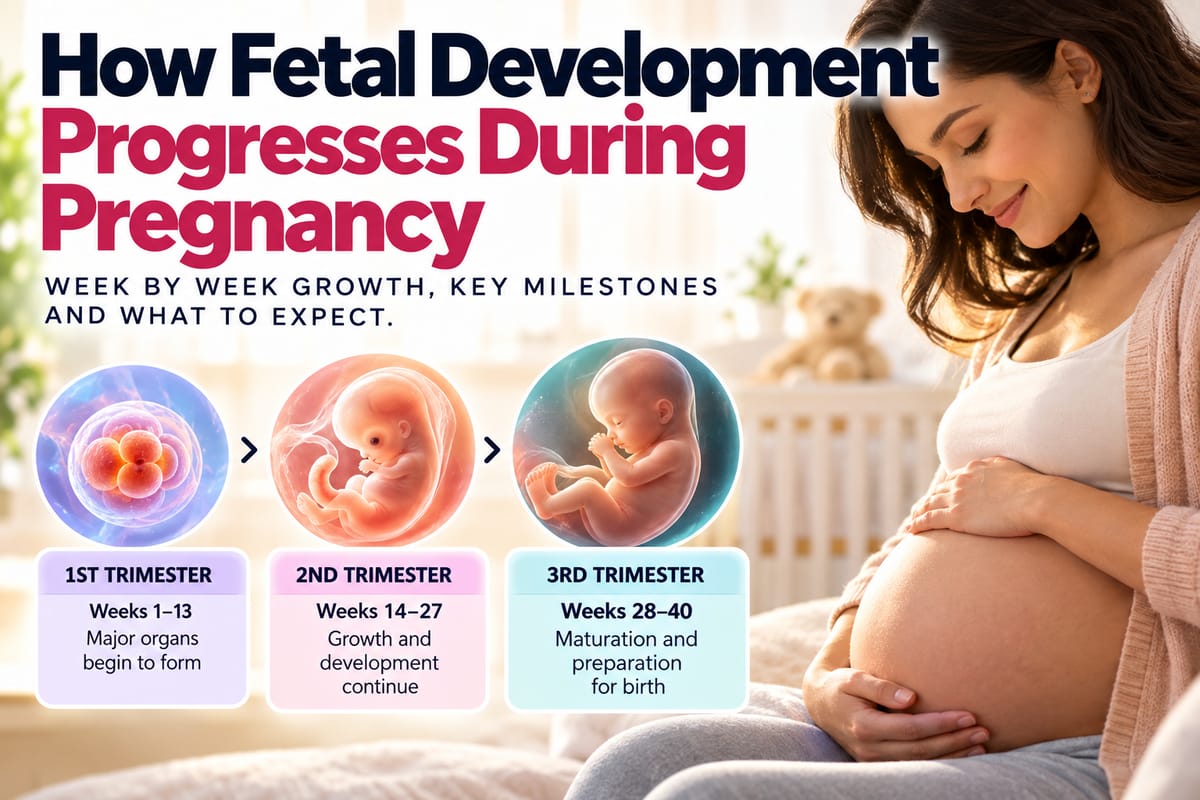
How Fetal Development Progresses During Pregnancy
Understanding the general stages of fetal development can make pregnancy easier to understand and can provide useful context for prenatal care, pregnancy planning, and discussions with healthcare professionals.
Read article

Join 10,000+ Readers Building Healthier Habits
Get actionable wellness tips every week plus our newest articles delivered straight to your inbox.