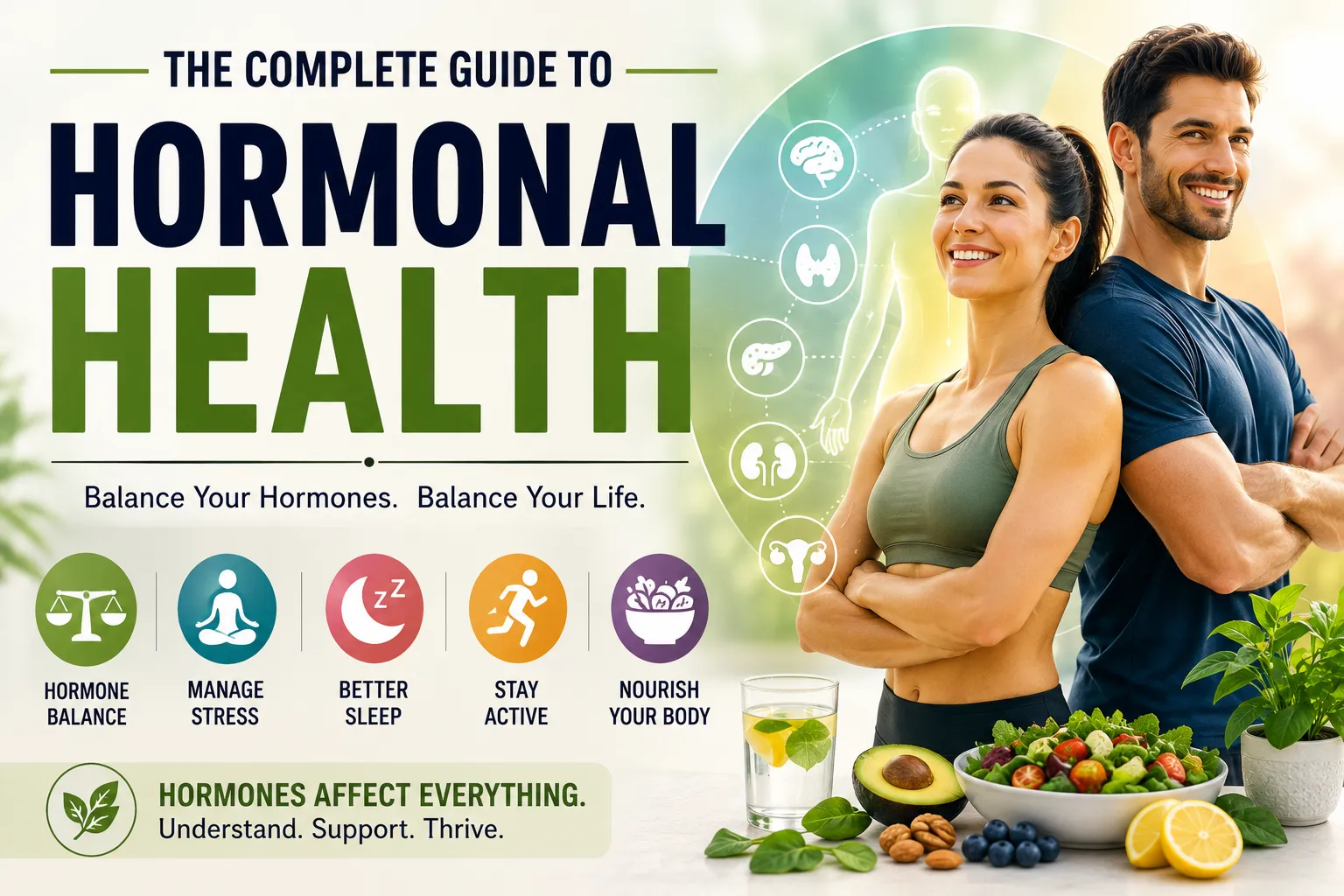

The Complete Guide to Hormonal Health
Hormones rarely get noticed when everything is working normally.
They quietly help regulate metabolism, growth, reproduction, sexual function, mood, sleep, appetite, stress responses, and many other processes happening throughout the body. When hormone production or signaling is disrupted, however, the effects can become noticeable in surprisingly different ways.
Fatigue, changes in weight, irregular periods, fertility problems, changes in libido, sleep difficulties, temperature sensitivity, mood changes, and changes in muscle or bone health can sometimes be connected to hormonal conditions. But these symptoms are also common in many other health problems, which is why assuming that every symptom is caused by a “hormonal imbalance” can be misleading.
The endocrine system is a network of glands and organs that produce, store, and release hormones. Major endocrine organs include the thyroid, pituitary, adrenal glands, pancreas, ovaries, and testes. Hormones act as chemical messengers, helping coordinate processes throughout the body.
Understanding hormonal health therefore means more than trying to “balance” hormones. It means understanding how the endocrine system works, recognizing genuine signs of hormonal disease, supporting healthy habits, and knowing when professional evaluation is appropriate.
What Are Hormones?
Hormones are chemical messengers produced by glands and other organs.
They travel through the bloodstream or act locally to deliver instructions to cells and tissues. Depending on the hormone, these instructions can influence:
- Metabolism
- Growth and development
- Reproduction
- Sexual function
- Mood
- Appetite
- Sleep
- Stress responses
- Blood sugar
- Blood pressure
- Bone health
- Fluid balance
The endocrine system is remarkably interconnected. A change involving one gland can sometimes affect several seemingly unrelated parts of the body.
For example, thyroid hormones influence how the body uses energy and affect systems ranging from the heart to the brain.
The Major Hormones You Should Know
There are many hormones in the human body, but several are especially important to everyday health.
Insulin
Insulin helps regulate blood glucose by helping the body’s cells use glucose for energy.
Problems with insulin production or the body’s response to insulin can contribute to diabetes and other metabolic conditions.
Thyroid Hormones
The thyroid produces hormones including thyroxine (T4) and triiodothyronine (T3).
These hormones play important roles in metabolism, energy use, temperature regulation, and other body functions.
Cortisol
Cortisol is produced by the adrenal glands and is involved in the body’s response to stress, metabolism, immune function, and other processes.
Cortisol is sometimes portrayed online as a hormone that should simply be “lowered.” That is an oversimplification.
The body needs cortisol.
The problem is an abnormal level or pattern caused by an underlying medical condition—not simply the existence of cortisol.
Estrogen and Progesterone
Estrogen and progesterone are important reproductive hormones.
They help regulate the menstrual cycle and are involved in fertility, pregnancy, bone health, and other processes.
Hormone levels naturally change during different stages of life, including puberty, pregnancy, the menstrual cycle, perimenopause, and menopause.
Testosterone
Testosterone is an important sex hormone in both men and women, although average levels differ substantially between the sexes.
In men, testosterone contributes to sexual development, sperm production, muscle and bone maintenance, and other functions.
Low testosterone can have several possible causes and should be diagnosed through appropriate clinical evaluation rather than symptoms alone.
What Does “Hormonal Balance” Actually Mean?
The phrase “hormonal balance” is common in wellness marketing, but it can be misleading.
There is no single ideal hormone level that applies to everyone.
Hormone concentrations naturally change according to:
- Age
- Sex
- Menstrual-cycle stage
- Pregnancy
- Time of day
- Sleep
- Stress
- Medications
- Illness
- Nutrition
- Physical activity
Some hormones also operate through complex feedback systems.
Healthy endocrine function is therefore less about keeping every hormone at a fixed number and more about maintaining appropriate production, signaling, and regulation.
The Endocrine Society describes hormonal regulation as a delicate signaling system in which glands adjust hormone release according to the body’s changing needs.
Signs That May Point to a Hormonal Problem
Hormonal disorders can produce many different symptoms.
Possible signs include:
- Persistent unexplained fatigue
- Unexplained weight changes
- Changes in appetite
- Irregular menstrual periods
- Abnormally heavy menstrual bleeding
- Hot flashes
- Infertility
- Changes in libido
- Erectile difficulties
- Excessive thirst or urination
- Unusual sensitivity to heat or cold
- Changes in hair growth
- Hair thinning
- Acne
- Changes in muscle strength
- Changes in bone health
- Mood changes
- Sleep disturbances
But none of these symptoms automatically proves that a hormonal disorder exists.
Fatigue, for example, can result from insufficient sleep, anemia, depression, infections, medication side effects, nutritional problems, thyroid disease, and many other causes.
That is why diagnosis matters.
Why Self-Diagnosing a “Hormone Imbalance” Can Be Misleading
Social media has made it easy to find lists of symptoms supposedly associated with “high cortisol,” “low estrogen,” “estrogen dominance,” “low testosterone,” or “adrenal fatigue.”
The problem is that many of these symptoms are nonspecific.
Feeling tired does not tell you which hormone is responsible—or whether a hormone is responsible at all.
Similarly, difficulty losing weight does not automatically indicate a thyroid problem.
A responsible approach looks for an underlying condition rather than trying to assign every symptom to a hormone.
The Endocrine System and the Brain
Two important structures involved in hormone regulation are the hypothalamus and pituitary gland.
Located in or near the brain, they help coordinate signals to other endocrine glands.
The hypothalamus produces regulatory hormones, while the pituitary releases hormones that influence several other glands throughout the body.
This communication system is sometimes described as a hormonal feedback loop.
If hormone levels become too high or too low, feedback signals can alter hormone production.
Disruption anywhere in this network can potentially lead to endocrine disease.
Thyroid Health
The thyroid is a small, butterfly-shaped gland located in the front of the neck.
Despite its size, it has widespread effects.
Thyroid hormones help regulate metabolism, energy use, body temperature, and the function of multiple organs.
Two common thyroid disorders are:
- Hypothyroidism: the thyroid does not produce enough thyroid hormone.
- Hyperthyroidism: the thyroid produces too much thyroid hormone.
Possible Symptoms of Hypothyroidism
Symptoms can include:
- Fatigue
- Feeling unusually cold
- Weight gain
- Dry skin
- Constipation
- Slower heart rate
- Depression or low mood
Possible Symptoms of Hyperthyroidism
Symptoms may include:
- Unexplained weight loss
- Heat intolerance
- Rapid heartbeat
- Trembling
- Anxiety
- Increased sweating
- Difficulty sleeping
These symptoms overlap with many other conditions, so testing is important.
Supporting Thyroid Health
There is no universal “thyroid detox.”
A healthy diet and adequate intake of essential nutrients support normal thyroid function, but taking high-dose supplements without a demonstrated need can create problems.
People with suspected thyroid disease should seek appropriate medical evaluation rather than relying on supplements marketed as thyroid boosters.
Some thyroid conditions require prescription treatment and ongoing monitoring.
Hormonal Health and Women’s Menstrual Cycle
The menstrual cycle is fundamentally a hormonal process.
Estrogen, progesterone, and other reproductive hormones change throughout the cycle, helping coordinate ovulation and preparing the body for a possible pregnancy.
A typical menstrual cycle can vary from person to person.
The Office on Women’s Health notes that cycles are generally considered regular when they occur every 24 to 38 days.
Changes in menstrual patterns can sometimes provide useful clues about health.
When Period Changes Deserve Attention
Menstrual changes can occur for many reasons, including:
- Pregnancy
- Perimenopause
- Polycystic ovary syndrome
- Thyroid disorders
- Significant weight changes
- Excessive exercise
- Certain medications
- Stress
- Other reproductive or medical conditions
Irregular or unusually heavy periods should not automatically be dismissed as a normal “hormonal imbalance.”
The Office on Women’s Health notes that irregular, heavy, or painful periods may signal an underlying health problem.
Polycystic Ovary Syndrome
Polycystic ovary syndrome, or PCOS, is one of the most common hormonal conditions affecting reproductive-age women.
It involves reproductive hormone and metabolic abnormalities and can affect ovulation, menstrual cycles, fertility, skin, hair growth, and metabolic health.
Common features can include:
- Irregular periods
- Higher-than-normal androgen levels
- Acne
- Increased facial or body hair
- Difficulty with ovulation
- Insulin resistance
PCOS is also associated with increased risks of conditions such as type 2 diabetes and high blood pressure.
Importantly, having PCOS does not mean someone cannot become pregnant.
It is a treatable cause of infertility, and medical treatment can help address symptoms and reproductive goals.
Hormones During Pregnancy
Pregnancy involves major hormonal changes.
Hormones help support:
- Ovulation and implantation
- Growth of the placenta
- Development of the fetus
- Changes in the breasts
- Changes in metabolism
- Preparation for childbirth and breastfeeding
Thyroid hormones are particularly important during pregnancy.
Both underactive and overactive thyroid conditions can affect pregnancy and require appropriate medical management.
Pregnant people should therefore discuss known endocrine conditions and medications with their healthcare providers.
Perimenopause and Menopause
Menopause is a natural life stage in which menstrual periods permanently stop as ovarian estrogen production declines.
The transition leading up to menopause is called perimenopause.
During this period, hormone levels can fluctuate considerably, and menstrual cycles may become shorter, longer, lighter, heavier, or less predictable.
Common symptoms may include:
- Hot flashes
- Night sweats
- Sleep problems
- Vaginal dryness
- Mood changes
- Changes in menstrual bleeding
- Changes in sexual function
Not every person experiences the same symptoms.
Hormone Therapy for Menopause
Hormone therapy can be an effective treatment for certain menopausal symptoms.
ACOG states that systemic estrogen therapy, with or without progestin depending on whether the uterus is present, is the most effective treatment for hot flashes and night sweats. Estrogen can also relieve vaginal dryness and help protect against bone loss.
However, hormone therapy is not appropriate for everyone.
Potential risks include increased risks of conditions such as blood clots and stroke, while some forms are also associated with a small increase in breast cancer risk. The balance of benefits and risks depends on factors including age, health history, treatment type, and when therapy is started.
This is why menopause treatment should be individualized.
Do You Need Hormone Testing During Menopause?
Not necessarily.
Hormone levels can fluctuate substantially during perimenopause.
ACOG states that hormone testing generally is not needed to identify perimenopause in typical cases; age, symptoms, and menstrual changes can often provide enough information. Testing may be considered in younger people when early or premature menopause is suspected.
This is an important counterpoint to the growing market for extensive hormone panels.
More testing does not automatically mean better healthcare.
Hormonal Health in Men
Men also experience important hormonal changes throughout life.
Testosterone is central to male reproductive development and contributes to sexual function, muscle and bone health, and other physiological processes.
But testosterone levels naturally vary, and a lower result does not automatically mean a man has a hormone disorder.
Low Testosterone and Hypogonadism
The medical condition involving inadequate testosterone production is known as hypogonadism.
The Endocrine Society recommends diagnosing hypogonadism only when compatible symptoms and signs are present alongside consistently and unequivocally low testosterone concentrations. The diagnosis should be confirmed with appropriately timed testing, typically including repeat morning measurements.
Possible symptoms include:
- Reduced libido
- Erectile difficulties
- Reduced energy
- Reduced muscle mass
- Reduced bone density
- Changes in mood
- Reduced fertility
But symptoms alone are not enough to diagnose low testosterone.
The Endocrine Society’s 2026 statement emphasizes that symptoms such as low energy, libido changes, and mood changes are common and can have causes other than testosterone deficiency.
Testosterone Therapy Is Not a General Anti-Aging Treatment
Testosterone replacement therapy can benefit appropriately diagnosed men with genuine hypogonadism.
It should not automatically be used simply because testosterone declines somewhat with age.
The Endocrine Society recommends against routine population screening of asymptomatic men and emphasizes accurate testing, identification of the underlying cause, and individualized treatment decisions.
Men considering testosterone therapy should also discuss fertility.
Exogenous testosterone can suppress sperm production, making it inappropriate for men who are trying to conceive in the near term.
Hormones and Fertility
Hormonal signals coordinate reproductive function in both women and men.
In women, hormones help regulate:
- Follicle development
- Ovulation
- Menstrual cycles
- Uterine preparation
- Pregnancy
In men, hormones help regulate:
- Testicular function
- Testosterone production
- Sperm production
- Sexual development
Fertility problems can have many causes, however, and a hormone problem is only one possibility.
Couples experiencing difficulty conceiving should receive an appropriate fertility evaluation rather than assuming that a particular hormone is responsible.
Hormones and Bone Health
Hormones have an important relationship with bone health.
Estrogen helps maintain bone density, which is one reason bone loss becomes an important concern around and after menopause.
Thyroid and parathyroid hormones also influence bone and mineral metabolism. Parathyroid hormone plays an important role in regulating calcium levels in the blood.
Men can also experience osteoporosis and hormone-related bone loss.
Bone health is therefore not exclusively a women’s health issue.
Hormones and Metabolism
Hormonal signals influence how the body uses and stores energy.
Insulin plays a central role in blood-glucose regulation.
Thyroid hormones influence metabolic rate.
Cortisol participates in metabolism and the stress response.
Sex hormones can also influence body composition and metabolic health.
This interconnectedness explains why endocrine disorders can affect weight, energy, appetite, blood sugar, and other aspects of health simultaneously.
Why Weight Is Not Simply a Hormone Problem
Weight management is often framed online as a matter of “fixing your hormones.”
Real biology is more complicated.
Body weight is influenced by:
- Food intake
- Physical activity
- Sleep
- Genetics
- Medications
- Metabolism
- Age
- Environment
- Medical conditions
- Hormonal signals
Hormonal disorders can affect weight, but not every change in weight indicates an endocrine disorder.
Someone experiencing unexplained or rapid weight change should discuss it with a healthcare professional rather than automatically purchasing a hormone-balancing supplement.
Sleep and Hormonal Health
Sleep and hormones are closely connected.
Hormonal signals influence sleep and circadian rhythms, while sleep itself can affect metabolic, reproductive, and stress-related processes.
Poor sleep can also worsen symptoms that people sometimes mistakenly attribute entirely to hormones.
A consistent sleep schedule, sufficient sleep, and treatment of sleep disorders are therefore important parts of overall health.
Stress and Cortisol
Cortisol is often described online as the “stress hormone.”
That description is technically correct but incomplete.
Cortisol is essential.
It helps the body respond to stress and participates in metabolism, immune function, blood pressure regulation, and other processes.
Problems arise when cortisol production or regulation becomes abnormal.
This can happen in specific medical conditions affecting the adrenal glands or the systems that regulate them.
The “Adrenal Fatigue” Problem
“Adrenal fatigue” is frequently used online to explain symptoms such as tiredness, difficulty concentrating, sleep problems, and low energy.
But having these symptoms does not establish that the adrenal glands are failing.
Actual adrenal disorders are medical conditions that require proper diagnosis.
Persistent fatigue deserves a broader evaluation that considers sleep, mental health, anemia, thyroid disorders, medications, infections, nutritional factors, and other possible causes.
Can Diet Improve Hormonal Health?
Diet matters for overall endocrine and metabolic health.
A balanced eating pattern can provide the nutrients required for normal physiological processes and can support a healthy body weight.
Useful foundations include:
- Vegetables and fruits
- Whole grains
- Legumes
- Adequate protein
- Healthy fats
- Fiber-rich foods
- Appropriate fluid intake
But there is no single food that can “balance all hormones.”
Hormonal disorders are medical conditions, and some require medication or other targeted treatment.
Exercise and Hormones
Regular physical activity supports metabolic, cardiovascular, musculoskeletal, and mental health.
Exercise can also influence hormone signaling.
Resistance training helps preserve muscle and bone.
Aerobic exercise supports cardiovascular fitness and metabolic health.
However, more exercise is not automatically better.
Excessive training combined with inadequate energy intake can disrupt reproductive function in some people.
The appropriate amount depends on the person’s health, nutrition, training status, and goals.
Healthy Weight and Hormonal Health
Maintaining a healthy body weight can support metabolic health.
In some endocrine conditions, weight management can also improve hormonal function.
The Endocrine Society’s current 2026 statement on testosterone therapy, for example, notes that for appropriately diagnosed hypogonadism associated with overweight or obesity when no other cause is identified, weight loss is typically the first-line approach.
This illustrates an important principle: treating an underlying contributor can sometimes be more appropriate than immediately prescribing a hormone.
Supplements and “Hormone Balancing”
The supplement industry has embraced hormonal health.
Products may promise to:
- “Balance estrogen”
- Lower cortisol
- Boost testosterone
- Support thyroid function
- Improve fertility
- “Detox” hormones
- Optimize insulin
- Reset metabolism
Consumers should be cautious.
A supplement can have biological effects without being proven to safely treat a hormonal disorder.
Some supplements can also interact with medications or interfere with laboratory testing.
The Endocrine Society notes that medications and substances including herbal supplements can affect endocrine organs and hormone function.
Be Skeptical of Hormone Detoxes
The body already has organs responsible for processing and eliminating many substances, including the liver and kidneys.
There is no scientifically established universal “hormone detox” that resets the endocrine system.
A detox tea, restrictive diet, or supplement protocol should not be used as a substitute for diagnosing an actual endocrine disorder.
If a hormone is genuinely too high or too low, the appropriate treatment depends on why that abnormality exists.
Environmental Chemicals and Hormonal Health
Some chemicals can interfere with endocrine signaling.
These are known as endocrine-disrupting chemicals (EDCs).
The Endocrine Society explains that some EDCs can mimic hormones or interfere with normal hormone signaling. People can encounter such chemicals through various environmental and consumer sources.
This does not mean people should become fearful of every household product.
It does mean that reducing unnecessary exposure to known harmful chemicals and supporting strong public-health and environmental protections are reasonable parts of a broader approach to health.
Medications Can Affect Hormones
Hormone levels can be influenced by medications.
Examples include:
- Steroids
- Opioids
- Certain psychiatric medications
- Hormonal contraceptives
- Thyroid medications
- Fertility medications
The effect depends on the medication and the individual.
Never stop a prescribed medication simply because you suspect it is affecting your hormones.
Discuss concerns with the prescribing clinician.
How Hormone Testing Works
Hormone testing can involve blood, urine, or other samples depending on the suspected condition.
But the right test depends on the question being investigated.
Testing may need to account for:
- Time of day
- Menstrual-cycle stage
- Fasting status
- Medication use
- Pregnancy
- Age
- Laboratory method
A single hormone result can sometimes be misleading if interpreted without clinical context.
This is particularly important with testosterone, where the Endocrine Society recommends appropriately timed and repeated testing when diagnosing hypogonadism.
Why More Hormone Tests Aren’t Always Better
Online companies increasingly offer large panels measuring numerous hormones.
The appeal is understandable.
People want an explanation for how they feel.
But testing hormones without a specific clinical question can create confusing results, false alarms, unnecessary treatment, and anxiety.
ACOG, for example, says routine hormone testing generally is not needed to diagnose typical perimenopause because hormone levels fluctuate substantially during the transition.
Good medical testing begins with a clinical question.
Hormonal Health Through Different Life Stages
Hormonal function naturally changes throughout life.
Puberty
Hormonal changes drive sexual development, growth, body composition, and reproductive maturation.
Reproductive Years
Hormones regulate menstrual cycles, ovulation, fertility, pregnancy, and sexual function.
Pregnancy
Hormonal changes become substantial as the body supports fetal growth and prepares for childbirth and breastfeeding.
Perimenopause
Reproductive hormones fluctuate and eventually decline.
Menopause
Ovarian estrogen production decreases substantially, and menstrual periods permanently stop.
Later Life
Hormone levels and endocrine function continue to change, but not every age-related change represents disease.
Understanding these transitions helps distinguish normal physiology from conditions requiring treatment.
When to See a Doctor About Hormonal Health
Consider professional evaluation if you experience persistent or unexplained:
- Changes in menstrual cycles
- Very heavy or unusually frequent bleeding
- Loss of periods
- Fertility difficulties
- Erectile problems
- Significant libido changes
- Unexplained weight changes
- Persistent fatigue
- Excessive thirst or urination
- Major changes in temperature tolerance
- Significant hair or skin changes
- Unusual muscle weakness
- Recurrent fractures
- Symptoms suggesting thyroid disease
The appropriate clinician may be a primary-care doctor, gynecologist, urologist, endocrinologist, or another specialist depending on the symptoms.
Seek Prompt Care for Serious Symptoms
Some symptoms should not be attributed to hormones without urgent evaluation.
Seek prompt medical care for symptoms such as:
- Severe chest pain
- Severe difficulty breathing
- Fainting
- Sudden neurological changes
- Severe dehydration
- Heavy unexplained bleeding
- Severe abdominal pain
- Sudden severe headache
- Confusion or loss of consciousness
A hormone explanation should never become a reason to delay emergency care.
Building a Hormone-Friendly Lifestyle
There is no perfect “hormone-balancing lifestyle.”
But several basic health habits support the systems that regulate hormones.
Prioritize Sleep
Aim for consistent, sufficient sleep and address persistent sleep problems.
Eat a Balanced Diet
Focus on nutrient-dense foods rather than extreme restriction.
Stay Physically Active
Combine aerobic movement with strength training where appropriate.
Manage Chronic Stress
Use realistic strategies such as exercise, relaxation, social connection, time outdoors, hobbies, or professional support.
Avoid Tobacco
Smoking can negatively affect cardiovascular, reproductive, and overall health.
Moderate Alcohol Intake
Excessive alcohol consumption can affect multiple aspects of health, including metabolism and reproductive function.
Take Medications Correctly
Do not alter hormone-related medications without medical advice.
Attend Recommended Health Screenings
Preventive healthcare can identify conditions before symptoms become severe.
What “Healthy Hormones” Really Looks Like
Healthy hormonal function does not mean having perfectly balanced numbers on a laboratory report.
It means the endocrine system is producing and responding to hormones appropriately for the person’s age, sex, physiological state, and circumstances.
That distinction matters.
Hormone levels naturally change during puberty, pregnancy, the menstrual cycle, menopause, aging, and other life stages.
A number outside a generic internet “optimal range” does not automatically mean something is wrong.
A Practical Hormonal Health Checklist
Use these questions as a starting point:
- Am I getting enough consistent sleep?
- Am I eating a varied, nutrient-rich diet?
- Am I physically active?
- Do I maintain a healthy relationship with food and exercise?
- Are my menstrual cycles changing unexpectedly?
- Have I experienced unexplained changes in libido or sexual function?
- Have I experienced unexplained changes in weight or energy?
- Do I have persistent symptoms that are affecting daily life?
- Am I taking medications or supplements that could affect hormone function?
- Have I discussed persistent concerns with a healthcare professional?
This checklist is not a diagnostic tool.
It is a way to identify when a conversation with a clinician may be worthwhile.
Common Hormonal Health Myths
“Every Symptom Is a Hormone Imbalance”
No.
Symptoms such as fatigue, weight gain, acne, anxiety, and poor sleep have many possible causes.
“You Need to Detox Your Hormones”
There is no universal evidence-based hormone detox.
“Low Testosterone Is Just Part of Getting Older”
Testosterone changes with age, but clinically significant hypogonadism should be diagnosed using symptoms, signs, and consistently low laboratory measurements—not age alone.
“Menopause Means You Should Have Your Hormones Tested Regularly”
Routine hormone testing is generally not necessary for typical perimenopause because levels fluctuate significantly.
“Natural Hormone Supplements Are Always Safer”
No.
Herbal and nutritional supplements can have side effects and interact with medications.
“Hormone Therapy Is Always Dangerous”
Also no.
Hormone therapy can be highly effective for appropriate patients, particularly for menopausal symptoms, but the benefits and risks need to be assessed individually.
The Most Important Hormonal Health Habit
Perhaps the most useful approach to hormonal health is to stop thinking of hormones as something that needs to be constantly “optimized.”
Your endocrine system is already working continuously to maintain balance.
The goal is to support that system with good overall health habits and to recognize when something may be wrong.
Sleep adequately.
Eat well.
Stay active.
Manage stress.
Avoid unnecessary supplements.
Take prescribed medications correctly.
Pay attention to persistent changes in your body.
And when symptoms suggest a possible endocrine disorder, get an appropriate evaluation rather than trying to diagnose yourself from a social-media checklist.
Hormonal health is ultimately part of whole-body health. Hormones influence metabolism, reproduction, mood, growth, sleep, sexual function, bone health, and many other systems, but they do so as part of a complex network rather than as isolated switches.
The smartest approach is therefore not to chase perfect hormone numbers or buy products promising a “reset.” It is to understand how hormones naturally change, recognize genuine warning signs, use evidence-based treatments when needed, and build everyday habits that support the body’s ability to regulate itself.
Continue Reading
Similar Posts

How Communication Supports Sexual Health
Whether people are discussing contraception, sexual preferences, STI testing, fertility, consent, or changes in their health, clear communication can play an important role in making sexual relationships safer and healthier.
Read article
Why Health History Matters for Women
For women, keeping an accurate health history can be especially valuable because health needs can change significantly throughout different stages of life.
Read article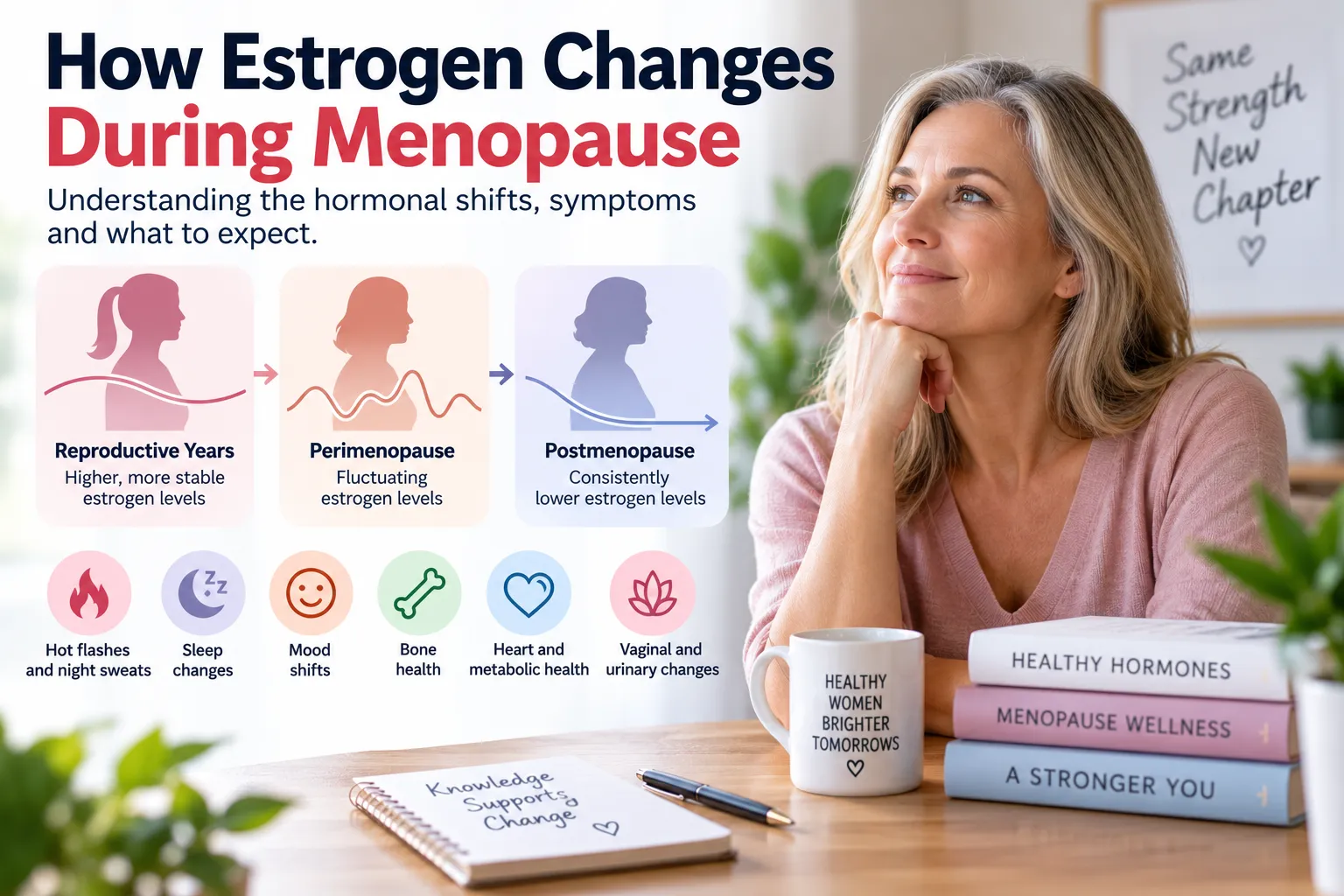
How Estrogen Changes During Menopause
Understanding how estrogen changes can make many of the physical and emotional changes associated with this stage of life easier to recognize and discuss with a healthcare professional.
Read article

Join 10,000+ Readers Building Healthier Habits
Get actionable wellness tips every week plus our newest articles delivered straight to your inbox.