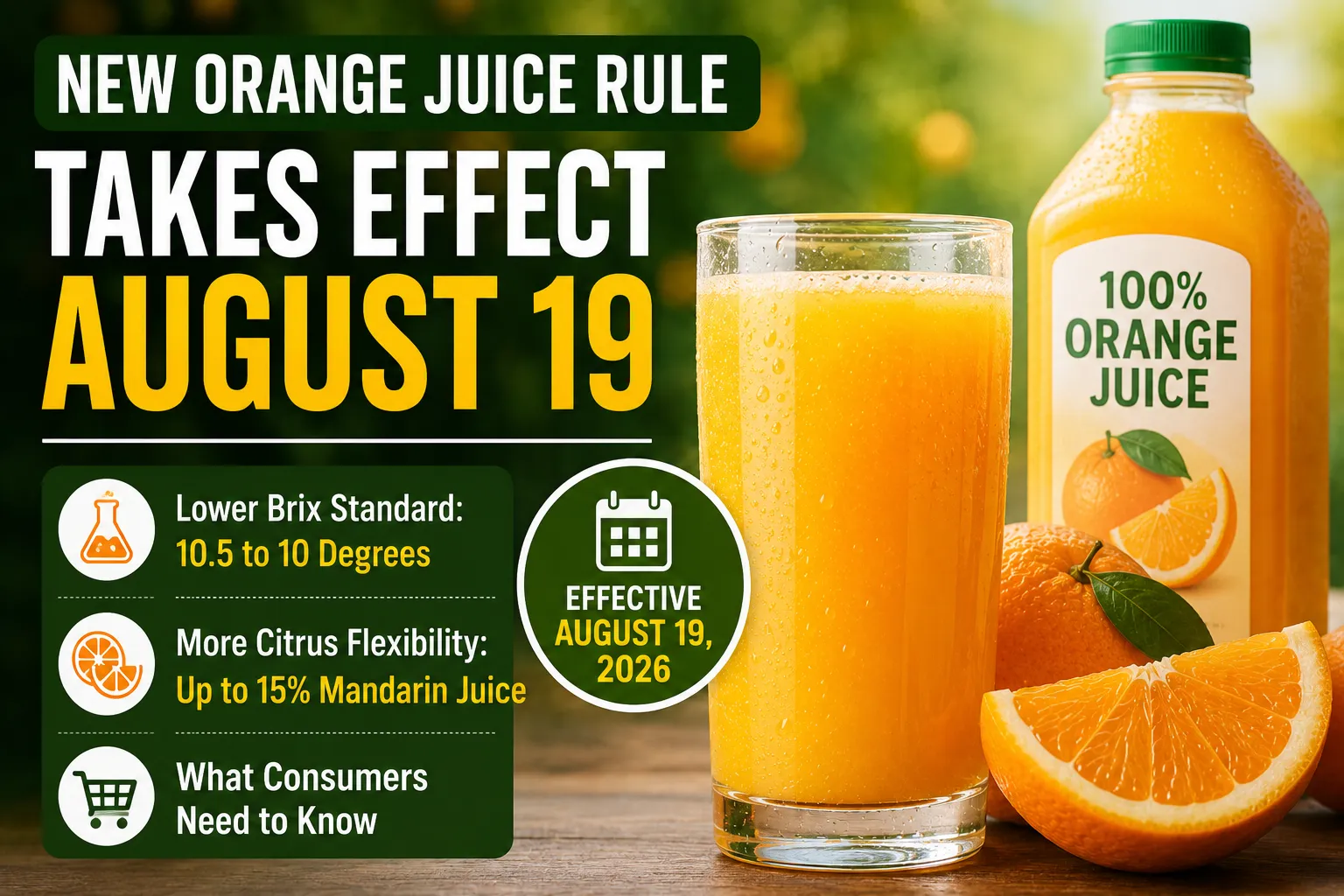

New Orange Juice Rule Takes Effect August 19: What Consumers Need to Know
A new U.S. Food and Drug Administration rule affecting pasteurized orange juice is set to take effect on August 19, 2026, changing the federal standard that defines what can qualify as pasteurized orange juice.
The update has attracted attention because it changes two long-standing requirements: the minimum soluble-solids level, measured in degrees Brix, and the amount of juice from certain mandarin or tangerine-related citrus varieties that can be included.
For shoppers, however, the change does not mean that orange juice is being banned, recalled, or declared unsafe. Instead, the FDA says the updated standard is intended to modernize rules that govern the composition of pasteurized orange juice and give producers greater flexibility.
What Changes on August 19?
The FDA’s final rule makes two major changes to the standard of identity for pasteurized orange juice.
First, the minimum soluble-solids requirement will fall from 10.5 degrees Brix to 10 degrees Brix.
Second, the maximum amount of juice from Citrus reticulata or its hybrids will increase from 10% to 15% by volume. These citrus varieties include mandarins and related hybrids.
The rule was published in the Federal Register on July 20, 2026, and both its effective date and compliance date are August 19, 2026.
What Does Brix Mean for Orange Juice?
One of the less familiar terms in the new rule is Brix.
Brix is a measurement commonly used to describe the concentration of soluble solids in a liquid. In fruit juice, those solids include naturally occurring sugars and other dissolved substances.
Under the previous standard, pasteurized orange juice had to meet a minimum level of 10.5 degrees Brix. The new rule lowers that threshold to 10 degrees.
That does not mean that every carton of orange juice will suddenly contain less sugar.
The change establishes a regulatory minimum for the product’s soluble-solids content. Individual products can still have different nutritional profiles depending on the fruit, processing methods, formulation, and whether ingredients have been added.
Why Is the FDA Changing the Standard?
The FDA describes the change as a modernization of the standard of identity for pasteurized orange juice.
According to the agency, the updated requirements are intended to reflect current agricultural conditions and provide greater flexibility for manufacturers while maintaining standards intended to promote honesty and fair dealing with consumers.
The agency’s economic analysis also says the changes could give manufacturers more flexibility in responding to agricultural challenges, including disease and climate-related impacts affecting citrus production.
The rule followed petitions submitted by citrus industry organizations seeking changes to the existing standard.
These types of regulatory changes are part of a broader food-safety landscape in which federal agencies also update guidance and respond to emerging risks. Consumers interested in how those investigations and regulatory actions can lead to recalls can learn more in this complete guide to FDA food safety investigations and new recalls.
Could Orange Juice Contain More Mandarin Juice?
Yes, under the revised standard.
The previous standard permitted up to 10% by volume of juice from Citrus reticulata or its hybrids in pasteurized orange juice.
The new standard increases that maximum to 15%.
This does not mean manufacturers must use the additional allowance. It simply gives them the option to do so while still meeting the federal standard for pasteurized orange juice.
For consumers, the practical effect could be that some products have greater flexibility in the citrus varieties used in their formulation.
Does This Mean Orange Juice Is Becoming Less Healthy?
Not necessarily.
The regulatory change itself should not be interpreted as a declaration that orange juice has become unhealthy.
The rule primarily concerns the standard of identity—the regulatory definition and compositional requirements for a standardized food.
Nutrition depends on much more than the Brix threshold or the percentage of permitted citrus varieties. Consumers should continue looking at the Nutrition Facts label for information such as:
- Total carbohydrate
- Total sugars
- Calories
- Vitamin C
- Serving size
- Added sugars, where applicable
- Other nutrients listed on the package
The FDA’s rule does not establish that orange juice generally provides a particular health benefit or that consumers should increase or decrease their intake because of this regulatory change.
Will Consumers Notice a Difference in Taste?
Possibly, but not necessarily.
Orange juice can vary naturally in flavor because oranges and other citrus fruits differ in sweetness, acidity, maturity, growing conditions, and composition.
The new rule gives manufacturers additional flexibility in meeting the standard, but it does not require every producer to reformulate its juice.
Consequently, consumers should not assume that all orange juice will taste different after August 19.
Any changes in individual products would depend on how manufacturers choose to use the flexibility provided by the revised standard.
Does the Rule Change Orange Juice Labels?
The FDA’s rule could lead to voluntary reformulation or relabeling for some manufacturers, but the agency does not require every producer to reformulate products.
Its economic analysis says companies may face costs associated with reformulation or relabeling if they voluntarily choose to adjust their products.
That means shoppers should continue to rely on the product’s actual packaging and Nutrition Facts label rather than assuming that every orange juice product has changed.
This is similar to the practical approach consumers should take with other food-related regulatory developments and recalls: look at the specific product information rather than assuming that every product in a category is affected. For example, the Taylor Farms recall and latest Salmonella risk involved specific products and a specific food-safety concern rather than every packaged food product.
Is the New Rule a Food Safety Regulation?
The distinction is important.
The FDA’s action is primarily a change to the standard of identity for pasteurized orange juice. It is not an announcement that existing orange juice products are unsafe.
Standards of identity establish requirements for what a standardized food must contain and how it can be represented.
The FDA maintains that the updated orange juice standard is intended to modernize the regulatory framework and provide appropriate flexibility while preserving consumer protections.
Therefore, consumers should not interpret August 19 as a deadline after which previously purchased orange juice becomes unsafe.
Food-safety rules and standards can involve very different types of regulatory actions. Consumers can see this distinction in other FDA-related developments, such as new produce safety guidance following major foodborne illness outbreaks, where the focus is on reducing food-safety risks rather than changing the compositional standard for a particular beverage.
What Should Consumers Check at the Store?
There is no need for shoppers to panic or clear orange juice from their refrigerators before the rule takes effect.
Instead, consumers who want to understand what they are buying can continue using the same basic approach they use for other packaged beverages.
Check the Serving Size
A carton may contain multiple servings, so comparing products requires looking at the nutritional information per serving.
Check Total Sugars
Orange juice naturally contains sugars from oranges. Looking at the Nutrition Facts panel can help consumers understand how much sugar is present in a serving.
Look at the Ingredient List
The ingredient list can provide additional information about what is included in the product.
Compare Different Products
Not all orange juice products are identical. Some may be fortified, blended, or formulated differently.
Comparing labels can help shoppers choose a product that fits their dietary preferences.
What the Rule Does Not Mean
Several conclusions would go beyond what the FDA’s announcement actually says.
The August 19 change does not mean:
- All orange juice will contain 15% mandarin juice.
- Orange juice is being replaced with mandarin juice.
- Orange juice is being declared unsafe.
- Consumers must stop drinking orange juice.
- Every brand will change its formula.
- Every carton will have a different taste.
- The FDA is requiring manufacturers to reformulate their products.
The central change is that manufacturers will have greater flexibility under the federal standard.
Why the Change Matters Beyond the Juice Aisle
The orange juice rule is also an example of how food standards can evolve as agricultural and manufacturing conditions change.
Citrus production can be affected by plant diseases, weather, environmental conditions, supply constraints, and other factors. The FDA’s economic analysis specifically points to potential flexibility and sustainability benefits associated with allowing manufacturers to respond to such conditions.
For the industry, that flexibility could make it easier to work with available citrus supplies while continuing to market products under the standardized name.
For consumers, the more important question will be how individual manufacturers use that flexibility.
The broader food-safety environment can also change when investigations identify contamination risks. A separate jalapeño recall and Salmonella outbreak illustrates why consumers should distinguish between a product-standard update and an actual food-safety recall.
The August 19 Date to Watch
The FDA’s revised standard becomes effective and reaches its compliance date on August 19, 2026.
For most consumers, the immediate takeaway is straightforward: there is no reason to treat August 19 as an orange juice safety deadline. The date marks the implementation of a regulatory change governing how pasteurized orange juice can be formulated under the federal standard.
As products evolve, consumers can make informed choices by paying attention to ingredient lists, Nutrition Facts panels, serving sizes, and product descriptions rather than relying on headlines or social-media claims about the new rule.
The bigger story is not that orange juice is disappearing or becoming unsafe. It is that a decades-old food standard is being updated to give the citrus industry more flexibility while maintaining a federal framework for what can be sold as pasteurized orange juice.
Continue Reading
Similar Posts
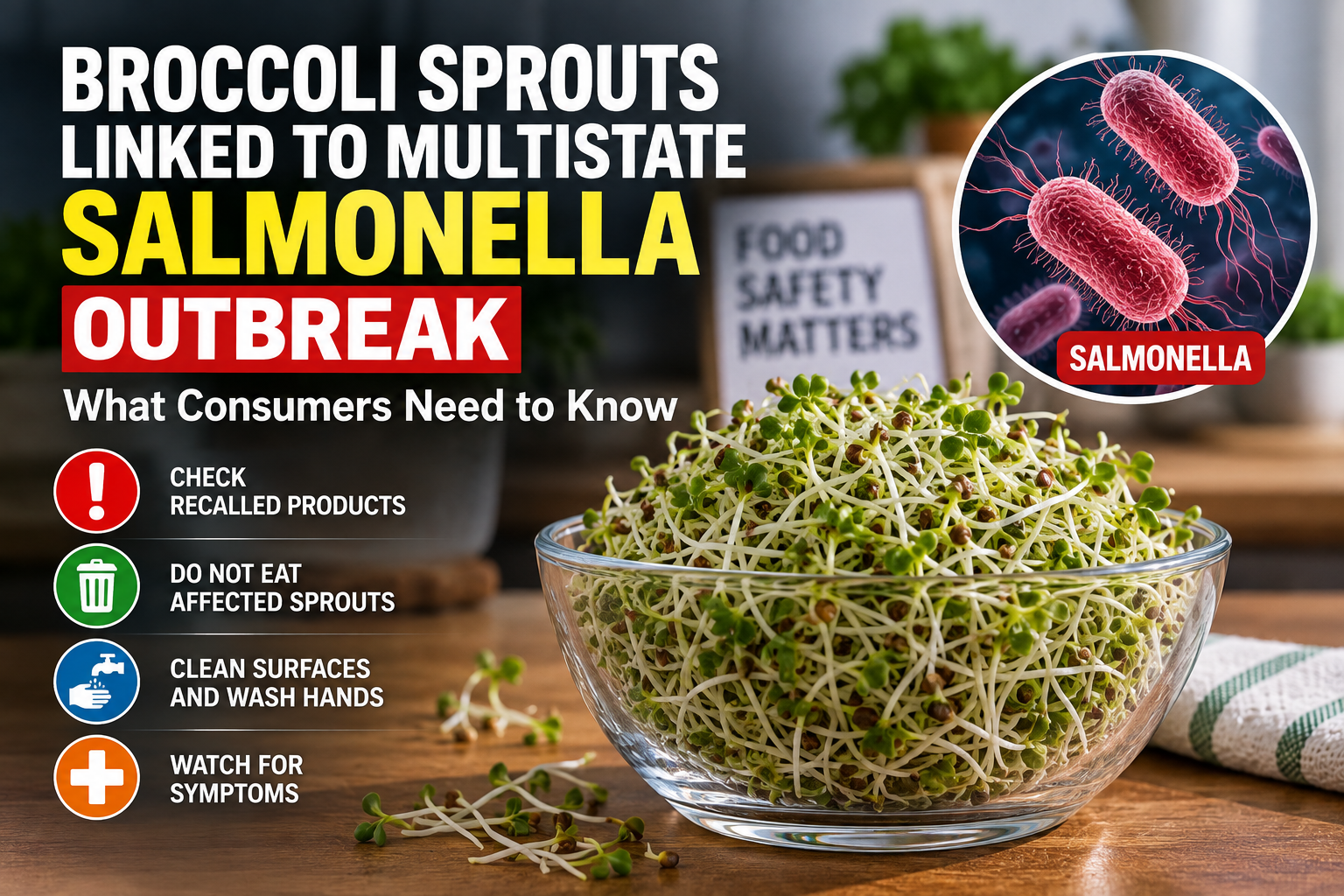
Broccoli Sprouts Linked to Multistate Salmonella Outbreak: What Consumers Need to Know
For consumers, the most important step is to determine whether recalled broccoli sprouts are in the refrigerator, freezer, or kitchen and to avoid eating, serving, or selling them.
Read article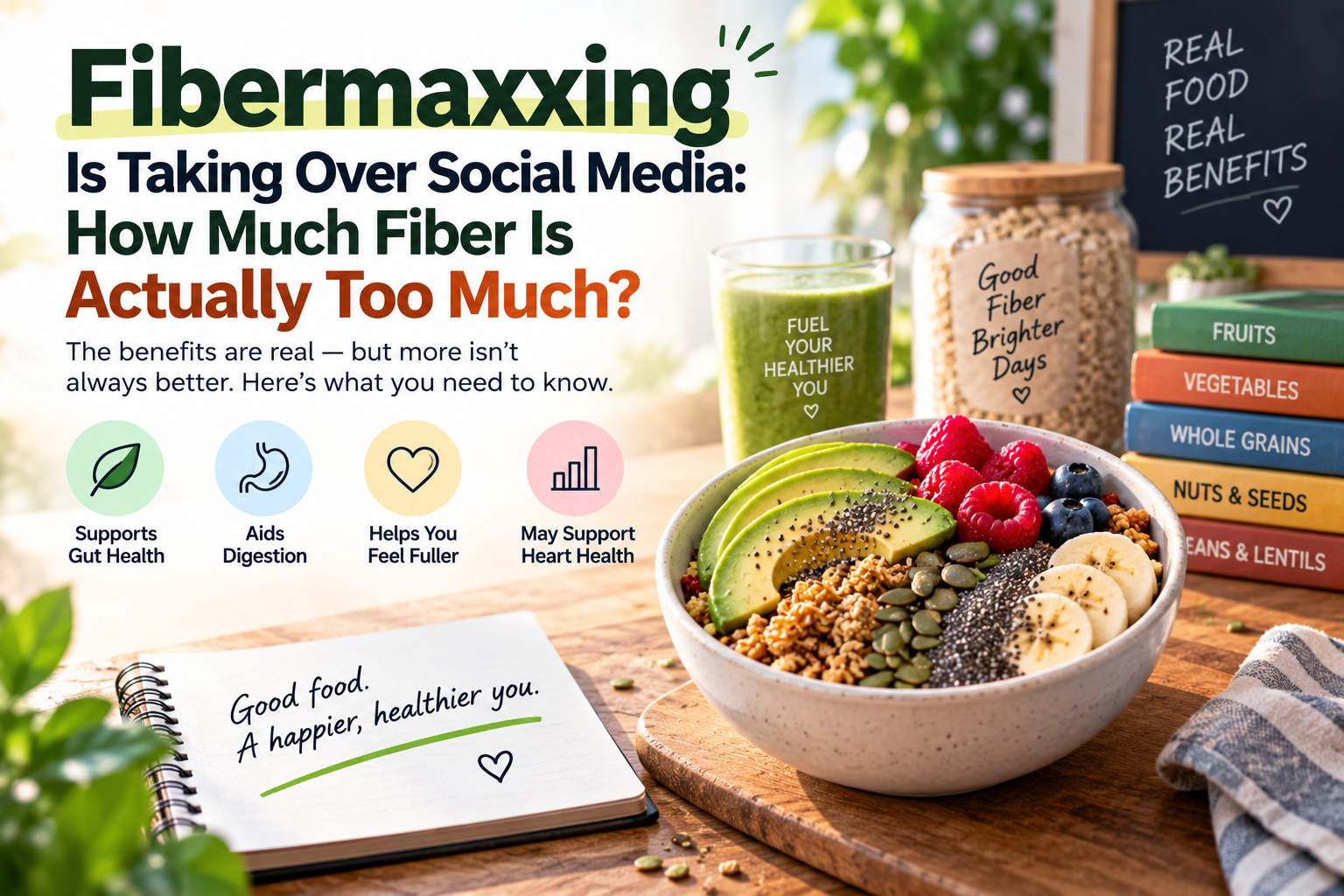
Fibermaxxing Is Taking Over Social Media: How Much Fiber Is Actually Too Much
More is not automatically better. Increasing fiber too rapidly or consuming very large amounts can cause bloating, gas, abdominal discomfort, constipation, or changes in bowel habits.
Read article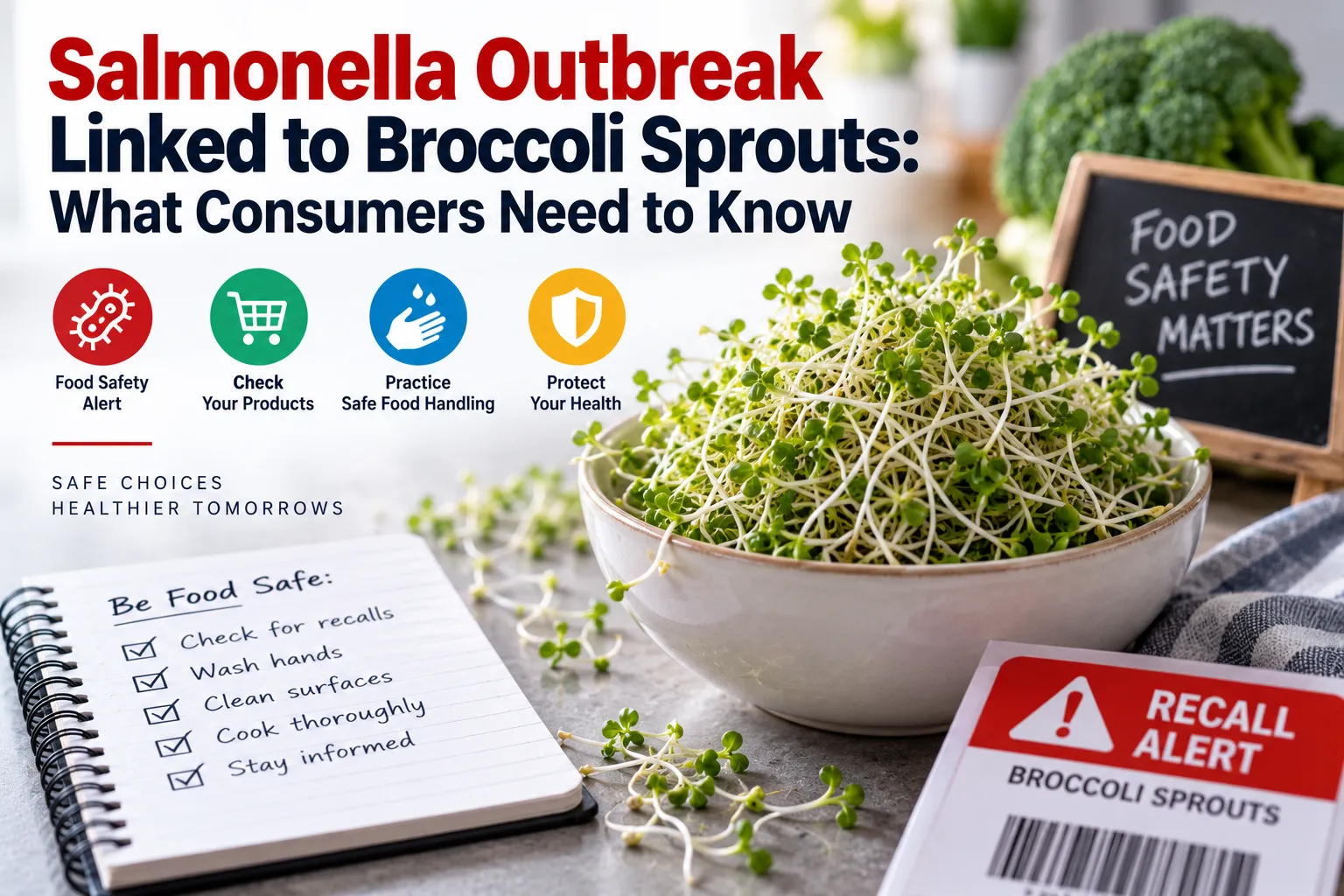
Salmonella Outbreak Linked to Broccoli Sprouts: What Consumers Need to Know
For consumers, the most important issue right now is knowing what products are affected, what symptoms to watch for, and how to reduce the risk of foodborne illness.
Read article

Join 10,000+ Readers Building Healthier Habits
Get actionable wellness tips every week plus our newest articles delivered straight to your inbox.