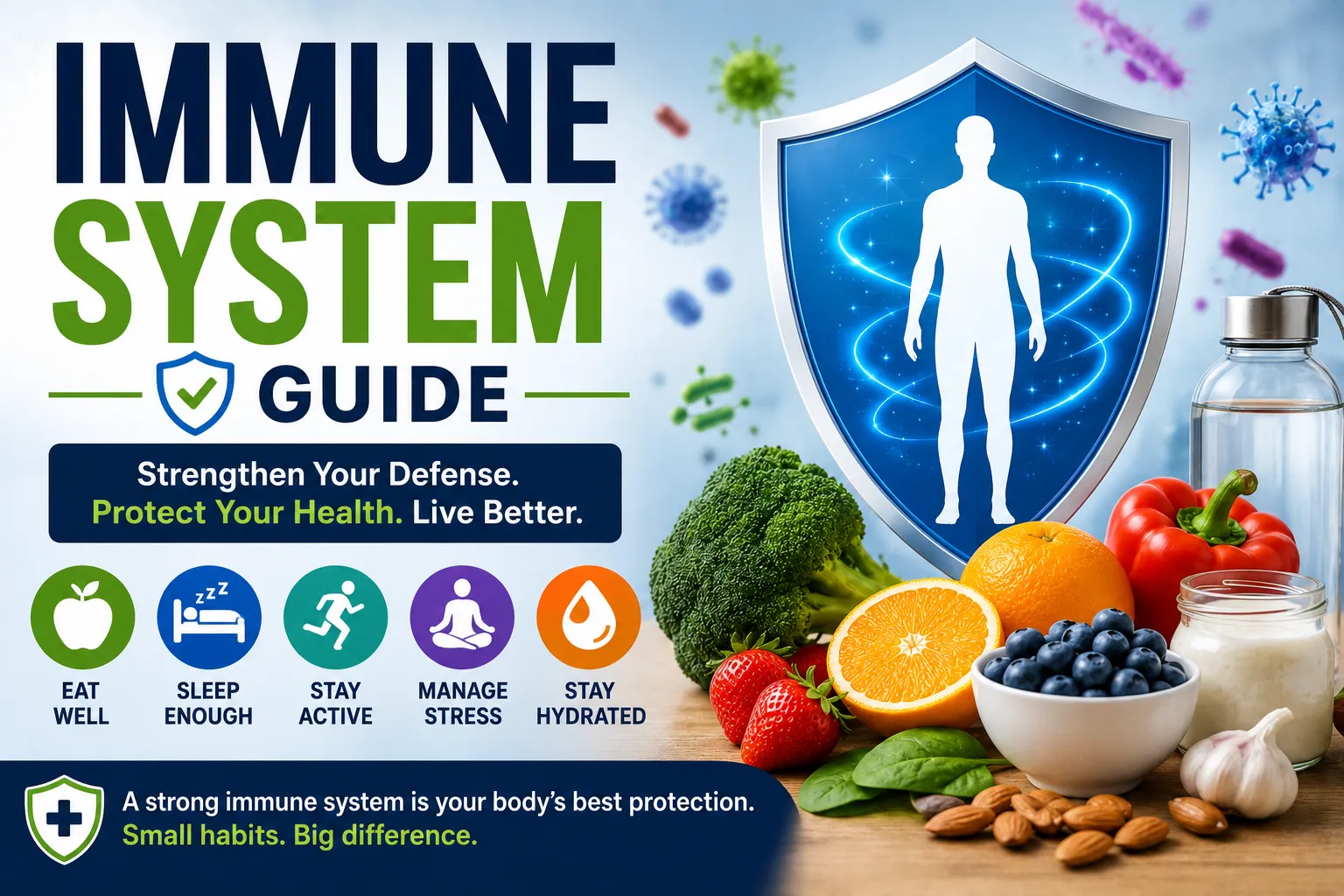

Immune System Guide
The immune system is the body’s natural defense network, working around the clock to protect against harmful bacteria, viruses, fungi, parasites, and other potentially dangerous microorganisms. It is a highly sophisticated system made up of specialized cells, tissues, organs, and proteins that work together to recognize threats, eliminate infections, and help the body recover from illness.
Maintaining a healthy immune system is an important part of overall well-being. While no single food, supplement, or lifestyle habit can guarantee immunity against every illness, healthy daily habits can support the immune system’s normal function and help the body respond effectively to infections.
This guide explains what the immune system is, how it works, the different parts that make it function, factors that influence immune health, and practical ways to support a healthy immune system.
For a broader look at how everyday prevention strategies work together, see the complete guide to infectious disease prevention.
What Is the Immune System?
The immune system is a complex network of cells, tissues, organs, and molecules that protects the body from harmful pathogens and helps repair damaged tissues.
Its primary functions include:
- Detecting harmful microorganisms
- Destroying bacteria and viruses
- Fighting infections
- Removing damaged cells
- Supporting wound healing
- Remembering previous infections
- Coordinating inflammatory responses
- Protecting long-term health
A properly functioning immune system continuously monitors the body for potential threats.
Why the Immune System Matters
The immune system plays a critical role in maintaining overall health.
A healthy immune system helps:
- Fight infections
- Reduce illness severity
- Support faster recovery
- Protect against harmful microbes
- Promote tissue repair
- Maintain overall health
- Respond to vaccines
- Support healthy aging
Without a functioning immune system, even minor infections could become serious.
How the Immune System Works
The immune system constantly scans the body for unfamiliar substances called pathogens.
When a threat is detected, the immune response typically involves:
- Recognizing foreign invaders
- Activating immune cells
- Producing antibodies
- Destroying infected cells
- Eliminating pathogens
- Repairing damaged tissues
- Creating immune memory
- Returning the body to normal
These responses often occur automatically without conscious awareness.
The Two Main Types of Immunity
The immune system has two major defense mechanisms.
Innate Immunity
Innate immunity provides the body’s first line of defense.
It includes:
- Skin
- Mucous membranes
- Stomach acid
- White blood cells
- Inflammatory responses
- Natural protective barriers
This system responds rapidly to many different threats.
Adaptive Immunity
Adaptive immunity develops after exposure to specific pathogens.
Key features include:
- Antibody production
- Immune memory
- Targeted responses
- Long-term protection
- Vaccine response
- Specialized immune cells
Adaptive immunity helps the body respond more efficiently to future exposures.
Key Components of the Immune System
Several organs and tissues work together to support immune function.
Important components include:
- Bone marrow
- Thymus
- Spleen
- Lymph nodes
- Tonsils
- White blood cells
- Lymphatic vessels
- Antibodies
Each plays a specialized role in defending the body.
White Blood Cells
White blood cells are among the immune system’s most important defenders.
Their responsibilities include:
- Detecting pathogens
- Destroying bacteria
- Fighting viruses
- Removing damaged cells
- Producing antibodies
- Coordinating immune responses
- Supporting healing
- Monitoring for infections
Different types of white blood cells perform different functions within the immune system.
The Role of Antibodies
Antibodies are specialized proteins produced by the immune system.
They help by:
- Identifying harmful invaders
- Neutralizing pathogens
- Preventing infections from spreading
- Supporting long-term immune memory
- Helping immune cells recognize threats
Vaccines work by helping the body produce protective antibodies against specific diseases. For a more detailed explanation of this process, see how vaccines help prevent infectious diseases.
Factors That Influence Immune Health
Many lifestyle factors affect how well the immune system functions.
Important influences include:
- Nutrition
- Sleep
- Physical activity
- Stress levels
- Hydration
- Smoking
- Alcohol consumption
- Chronic medical conditions
Maintaining healthy habits supports normal immune function.
Nutrition and Immunity
A balanced diet provides nutrients that support the immune system.
Nutrient-rich foods include:
- Fruits
- Vegetables
- Whole grains
- Lean proteins
- Healthy fats
- Legumes
- Nuts
- Seeds
Eating a variety of foods helps supply vitamins and minerals that contribute to normal immune function.
Sleep Supports Immunity
Sleep allows the body to recover and regulate many biological processes.
Consistent, high-quality sleep supports:
- Immune cell activity
- Hormone balance
- Tissue repair
- Memory formation
- Stress regulation
- Overall recovery
Adults generally benefit from maintaining a regular sleep schedule.
Physical Activity and Immune Health
Regular exercise contributes to overall wellness.
Moderate physical activity may help:
- Improve circulation
- Support cardiovascular health
- Reduce stress
- Promote healthy weight management
- Enhance overall well-being
Balanced exercise routines are generally more beneficial than excessive training without adequate recovery.
Stress and the Immune System
Long-term stress can affect physical and emotional well-being.
Managing stress may involve:
- Meditation
- Deep breathing
- Physical activity
- Time outdoors
- Social support
- Hobbies
- Adequate rest
- Professional support when needed
Healthy stress management supports overall wellness.
Vaccination and Immune Protection
Vaccines help prepare the immune system to recognize and respond to specific infectious diseases.
Vaccination works by:
- Stimulating antibody production
- Creating immune memory
- Reducing disease severity
- Supporting community health
- Helping prevent outbreaks
Vaccination recommendations vary depending on age, health status, and local public health guidance.
Common Myths About the Immune System
Several misconceptions continue to circulate.
Myth: One Food Can “Boost” Immunity Overnight
No single food can instantly strengthen the immune system. Long-term healthy eating habits are far more important.
Myth: Supplements Can Replace a Healthy Lifestyle
Supplements may be appropriate in certain situations, but they generally do not replace balanced nutrition, sleep, exercise, and other healthy habits.
Myth: Getting Sick Means Your Immune System Is Weak
Many infections occur even in healthy individuals. Illness alone does not necessarily indicate poor immune function.
Myth: More Exercise Always Improves Immunity
Moderate, consistent exercise supports health, while excessive training without recovery may temporarily increase physical stress.
Tips for Supporting a Healthy Immune System
Support your immune health by:
- Eating a balanced diet.
- Getting enough sleep.
- Staying physically active.
- Drinking enough water.
- Managing stress.
- Avoiding tobacco products.
- Limiting excessive alcohol consumption.
- Practicing good hygiene.
- Staying up to date with recommended vaccinations.
- Attending regular medical checkups.
Consistency is more important than quick fixes. Good hygiene is particularly important for reducing exposure to infectious organisms, and how personal hygiene helps prevent illness provides a closer look at this part of infection prevention.
The Future of Immune Health Research
Scientific understanding of the immune system continues advancing.
Emerging areas of research include:
- Personalized immunology
- Vaccine innovation
- Gut microbiome research
- Precision medicine
- Artificial intelligence in disease detection
- Immune cell therapies
- Healthy aging research
- Autoimmune disease treatments
These developments may improve disease prevention and treatment in the years ahead.
Building Stronger Everyday Defenses
The immune system is one of the body’s most remarkable and essential defense mechanisms, protecting against infections while supporting healing and long-term health. Although no lifestyle guarantees complete protection from illness, maintaining balanced nutrition, regular physical activity, quality sleep, stress management, and other healthy habits can help support normal immune function.
Understanding how the immune system works empowers individuals to make informed health decisions and focus on sustainable habits that promote overall well-being. A healthy lifestyle remains one of the most effective ways to support the body’s natural defenses throughout every stage of life.
Continue Reading
Similar Posts

How Your Environment Affects Everyday Health
Understanding these connections can help people make practical changes that support healthier daily living.
Read article
How Aerobic Exercise Supports Cardiovascular Health
Understanding how aerobic exercise affects cardiovascular health can make it easier to choose activities that are enjoyable, sustainable, and appropriate for your fitness level.
Read article
What Is the Gut Microbiome and Why Does It Matter
Understanding how this ecosystem works can make it easier to understand why diet, lifestyle, medications, and other factors can influence digestive health.
Read article

Join 10,000+ Readers Building Healthier Habits
Get actionable wellness tips every week plus our newest articles delivered straight to your inbox.