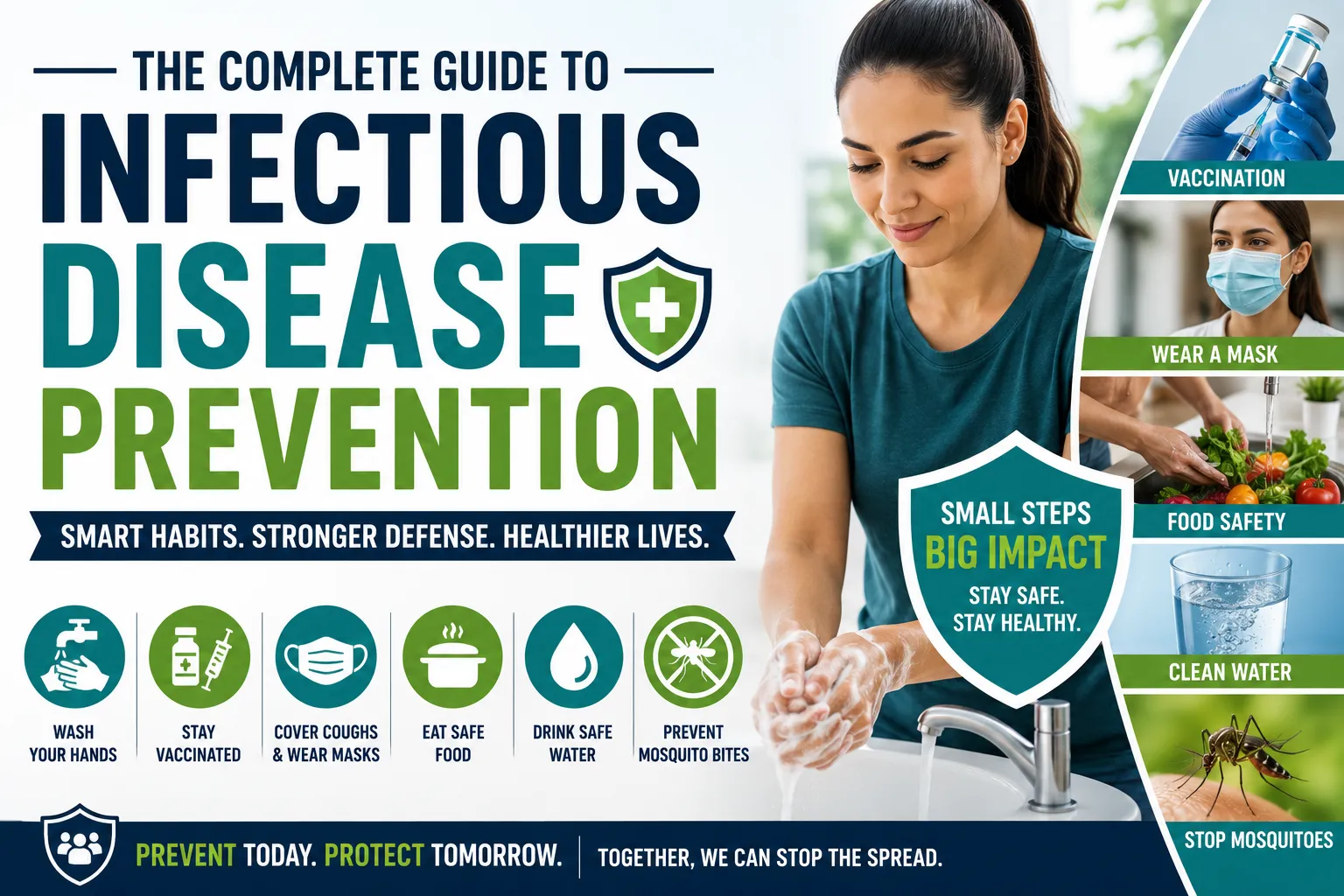

The Complete Guide to Infectious Disease Prevention
Infectious diseases can spread through the air, contaminated food and water, insects, animals, sexual contact, blood, contaminated surfaces, and direct contact between people.
Some infections are mild and disappear without treatment. Others can cause severe illness, long-term complications, disability, or death. The good news is that many infections can be prevented—or their spread substantially reduced—through practical measures that individuals, families, communities, workplaces, and healthcare systems can take every day.
Infectious disease prevention is not about eliminating every germ from your environment. That would be impossible and unnecessary.
Instead, effective prevention focuses on interrupting the ways pathogens move from one person, animal, food source, water source, or environment to another.
Vaccination, hand hygiene, safe food and water, respiratory precautions, safer sexual practices, mosquito control, appropriate healthcare practices, and responsible use of antimicrobial medicines all play different roles.
This guide explains the major ways infectious diseases spread and the evidence-based steps that can help reduce your risk.
What Is an Infectious Disease?
An infectious disease is caused by a microorganism or other infectious agent that can enter the body and multiply or otherwise cause disease.
Major categories include:
- Bacteria
- Viruses
- Fungi
- Parasites
Examples include influenza, COVID-19, malaria, tuberculosis, cholera, measles, hepatitis, salmonellosis, HIV infection, and many others.
Not every infection spreads in the same way.
That is why prevention must be tailored to the pathogen and its route of transmission. Understanding the difference between viruses and bacteria is also useful when considering why different infections require different prevention and treatment approaches.
How Infectious Diseases Spread
Understanding transmission is one of the most useful ways to understand prevention.
Infections can spread through:
- Respiratory droplets and particles
- Direct physical contact
- Contaminated hands and surfaces
- Contaminated food
- Contaminated water
- Insect bites
- Animal contact
- Sexual contact
- Blood and other body fluids
- Contaminated medical equipment
- Mother-to-child transmission during pregnancy, birth, or breastfeeding in certain infections
A single disease may also have more than one transmission route.
For example, some infections can spread through respiratory particles while others are primarily transmitted through contaminated food or water.
The Most Important Principle: Break the Chain of Infection
A useful way to think about prevention is as a chain.
An infectious agent needs a way to:
- Exist or multiply somewhere.
- Leave its source.
- Travel through a transmission route.
- Reach another person.
- Enter the new person’s body.
- Establish infection.
Prevention works by interrupting one or more links.
Vaccination can make a person less susceptible.
Handwashing can remove pathogens before they reach the mouth, nose, eyes, food, or another person.
A mosquito net can block an insect vector.
Safe cooking can destroy pathogens in food.
Ventilation can reduce concentrations of infectious respiratory particles indoors.
This is why no single prevention measure can replace every other one.
Vaccination: One of the Most Powerful Prevention Tools
Vaccination trains the immune system to recognize specific infectious agents before exposure to the disease.
Vaccines stimulate immune defenses without requiring a person to experience the disease itself.
Vaccines are available against a range of infectious diseases, including:
- Measles
- Polio
- Tetanus
- Diphtheria
- Pertussis
- Hepatitis B
- Human papillomavirus
- Influenza
- COVID-19
- Pneumococcal disease
- Meningococcal disease
- Rotavirus
- Yellow fever
- Japanese encephalitis
- Rabies in specific circumstances
The exact vaccines recommended depend on age, pregnancy, health conditions, occupation, location, travel, previous vaccination, and exposure risk.
For a focused explanation of this prevention strategy, see how vaccines help prevent infectious diseases.
Why Staying Up to Date Matters
Protection from some vaccines can decline over time, while some vaccines require multiple doses.
New vaccines may also become recommended as people move through different stages of life.
Staying up to date with recommended immunizations can lower the risk of serious illness from vaccine-preventable diseases.
The practical lesson is simple:
Do not assume that childhood vaccinations are the end of the vaccination schedule.
Adults may need additional vaccines or boosters depending on their circumstances.
Vaccination Is Also Community Protection
Vaccines do more than protect the person receiving them.
When vaccination levels are high, there are fewer susceptible people available for some infectious diseases to spread through.
This can provide indirect protection to people who cannot receive certain vaccines or who are more vulnerable to severe disease.
Vaccination is therefore both an individual and public-health intervention.
Hand Hygiene: A Small Habit With a Large Impact
Hands frequently act as vehicles for infectious organisms.
People touch:
- Their faces
- Food
- Phones
- Door handles
- Keyboards
- Money
- Bathroom surfaces
- Other people
- Pets and animals
If contaminated hands reach the eyes, nose, mouth, food, or another person, pathogens can move to a new location.
Handwashing with soap and water is one of the best ways to prevent illness and the spread of germs.
For more detail on this everyday prevention practice, see how personal hygiene helps prevent illness.
When Should You Wash Your Hands?
Important times include:
- Before preparing food
- Before eating
- After using the toilet
- After changing a diaper
- After caring for someone who is sick
- After coughing, sneezing, or blowing your nose
- After touching animals or animal waste
- After handling garbage
- After touching potentially contaminated surfaces
- Before and after caring for wounds
- Before and after certain healthcare tasks
Hand hygiene is especially important when preparing food because contaminated hands can transfer pathogens to ingredients, utensils, and surfaces.
How to Wash Your Hands Properly
Effective handwashing involves more than briefly running water over your hands.
A basic process is:
- Wet your hands with clean running water.
- Apply soap.
- Rub your hands together thoroughly.
- Clean the palms, backs of the hands, between the fingers, and around the nails.
- Scrub for about 20 seconds.
- Rinse well.
- Dry completely.
The goal is coverage, not simply timing.
When Hand Sanitizer Is Useful
Soap and water are generally preferred when available.
When they are not available, alcohol-based hand sanitizer containing at least 60% alcohol can be useful.
Hand sanitizer is particularly convenient when:
- Traveling
- Using public transportation
- Shopping
- Working outdoors
- Attending events
- Moving between activities
However, sanitizer does not remove every type of germ and is less effective when hands are visibly dirty or greasy. Soap and water are also more effective against certain organisms, including norovirus and Clostridioides difficile.
Respiratory Infection Prevention
Respiratory infections can spread when infected people release infectious particles while breathing, talking, coughing, or sneezing.
Prevention can involve several layers:
- Vaccination
- Staying home when sick
- Improving indoor air quality
- Hand hygiene
- Covering coughs and sneezes
- Wearing a mask when appropriate
- Avoiding close contact with people who are sick
- Testing when appropriate
Respiratory prevention is a broad subject, and our respiratory health guide provides additional information about protecting respiratory health.
Improve Indoor Air
Ventilation matters because infectious respiratory particles can accumulate in poorly ventilated indoor spaces.
Useful strategies can include:
- Opening windows when practical
- Increasing outdoor-air ventilation
- Using appropriate air filtration
- Avoiding overcrowding
- Spending time outdoors when appropriate
- Maintaining ventilation systems
Cleaner indoor air is particularly valuable during periods when respiratory illnesses are circulating widely.
When Masks Can Help
Masks are one additional layer of respiratory protection.
Masks can help lower respiratory-virus transmission and may be particularly useful in crowded settings, when respiratory illness is increasing in a community, or when someone is at increased risk of severe disease.
A mask should fit well and cover both the nose and mouth.
Different types of masks provide different levels of protection.
The most protective mask is not necessarily useful if it cannot be worn comfortably and consistently.
Stay Home When You’re Sick
One of the simplest ways to protect other people is to avoid exposing them when you are infectious.
If you have a respiratory illness:
- Stay away from others when practical.
- Improve ventilation.
- Practice good hand hygiene.
- Cover coughs and sneezes.
- Consider wearing a well-fitting mask around others.
- Follow relevant public-health guidance.
- Seek medical care if symptoms are severe or worsening.
Additional precautions after illness or a positive respiratory-virus test can reduce the chance of transmitting infection to others.
Cover Coughs and Sneezes
Coughing or sneezing directly into your hands can leave infectious material on your skin.
Instead, use:
- A tissue, followed by handwashing
- Your elbow or upper sleeve when a tissue is unavailable
Avoid touching your eyes, nose, and mouth with unwashed hands.
These simple behaviors can reduce opportunities for pathogens to move from respiratory secretions to other people or surfaces.
Food Safety
Foodborne infections occur when food or drinks become contaminated with harmful bacteria, viruses, parasites, or other hazards.
Food safety therefore belongs at the center of infectious disease prevention.
The Four Basic Food-Safety Steps
Household food-safety prevention can be summarized using four words:
Clean. Separate. Cook. Chill.
Clean
Wash your hands and clean food-preparation surfaces.
Separate
Keep raw meat, poultry, seafood, and eggs away from foods that are ready to eat.
Cook
Cook foods to safe internal temperatures.
Chill
Refrigerate foods promptly and keep perishable foods at safe temperatures.
These steps help reduce cross-contamination and prevent pathogens from multiplying.
Avoid Cross-Contamination
Cross-contamination occurs when microorganisms move from one food, surface, utensil, or person’s hands to another.
For example, using the same cutting board for raw chicken and salad vegetables without proper cleaning can transfer pathogens to food that will not be cooked.
Practical measures include:
- Use separate cutting boards when appropriate.
- Wash utensils between tasks.
- Clean kitchen surfaces.
- Wash hands after handling raw foods.
- Store raw animal products separately from ready-to-eat foods.
Safe Drinking Water
Safe water is fundamental to infectious disease prevention.
Contaminated drinking water can transmit diseases including:
- Cholera
- Typhoid
- Dysentery
- Hepatitis A
- Diarrheal infections
- Polio
- Certain parasitic diseases
Safe drinking water, sanitation, and hygiene are essential components of public health and disease prevention.
Where water safety is uncertain, follow local public-health recommendations for treatment, filtration, boiling, or alternative safe water sources.
Sanitation Matters
Sanitation is more than having a toilet.
It involves safely containing and managing human waste.
Poor sanitation can contribute to transmission of diarrheal diseases, intestinal worm infections, typhoid, cholera, and other illnesses.
Effective sanitation requires:
- Safe toilets or latrines
- Proper wastewater management
- Safe disposal of human waste
- Protection of drinking-water sources
- Appropriate waste management
- Handwashing facilities
These systems are especially important in schools, healthcare facilities, workplaces, refugee settings, and communities affected by floods or other emergencies.
Infectious Disease Prevention at Home
Homes can become places where infections spread easily, particularly when several people live together.
Useful household practices include:
- Washing hands regularly
- Cleaning frequently touched surfaces when appropriate
- Improving ventilation
- Avoiding sharing personal items during illness
- Washing and handling laundry appropriately
- Practicing food safety
- Keeping vaccinations current
- Separating sick household members when practical
Routine cleaning does not mean every surface needs constant disinfection.
Focus on high-risk situations and follow disease-specific guidance during outbreaks.
Cleaning vs. Disinfecting
Cleaning removes dirt and many microorganisms from surfaces.
Disinfecting uses a chemical product designed to kill microorganisms that remain on the surface.
Disinfection can be especially useful when surfaces have been contaminated with infectious material or when a person with certain infections has been using the area.
However, excessive or inappropriate use of disinfectants can create unnecessary chemical exposure.
Use products according to their labels.
Preventing Infections in Healthcare Settings
Healthcare facilities are essential for treating disease, but they can also become locations where infections spread if infection-prevention measures fail.
Important measures include:
- Hand hygiene
- Safe injections
- Proper sterilization
- Environmental cleaning
- Appropriate use of personal protective equipment
- Safe waste disposal
- Respiratory hygiene
- Appropriate isolation
- Surveillance for healthcare-associated infections
Healthcare-Associated Infections
A healthcare-associated infection is an infection acquired while receiving or providing healthcare.
Examples can include:
- Surgical-site infections
- Catheter-associated infections
- Bloodstream infections
- Certain respiratory infections
- Other infections associated with healthcare procedures
Strong infection-prevention and control programs can reduce these risks.
Preventing healthcare-associated infections can also help reduce antimicrobial resistance because every infection prevented can mean fewer antimicrobial medicines are needed.
Safe Injections
Injections should be given using sterile equipment and safe procedures.
Never reuse needles or syringes between people.
Healthcare facilities should also follow appropriate protocols for:
- Medication preparation
- Injection equipment
- Sharps disposal
- Cleaning
- Sterilization
- Blood-borne infection prevention
Patients can also play a role by choosing reputable healthcare providers and asking questions when they are concerned about infection-control practices.
Preventing Blood-Borne Infections
Certain infections can spread through infected blood or body fluids.
Examples include:
- HIV
- Hepatitis B
- Hepatitis C
- Some other blood-borne pathogens
Prevention can include:
- Never sharing needles or injection equipment
- Using sterile medical equipment
- Appropriate screening of donated blood
- Safe tattooing and piercing practices
- Appropriate use of protective equipment in healthcare
- Testing when exposure is possible
- Vaccination against hepatitis B
People with potential exposure should seek medical advice promptly because some infections have time-sensitive prevention or treatment options.
Sexual Health and Infection Prevention
Sexual contact can transmit a number of infections, including:
- HIV
- Syphilis
- Gonorrhea
- Chlamydia
- Hepatitis B
- Herpes
- Human papillomavirus
- Trichomoniasis
Risk can be reduced through measures such as:
- Barrier protection
- Appropriate vaccination
- Testing
- Mutual communication between partners
- Reducing exposure to untreated infections
- HIV prevention strategies when appropriate
People who are sexually active should discuss testing and prevention according to their circumstances and local clinical guidance.
Vaccines That Help Prevent Sexually Transmitted Infections
Vaccination is particularly relevant to certain sexually transmitted infections.
For example, vaccination can prevent many infections caused by human papillomavirus (HPV), while hepatitis B vaccination prevents hepatitis B infection.
The timing and eligibility for these vaccines depend on age and individual circumstances.
Vaccination is therefore part of sexual-health prevention, not just childhood healthcare.
Mosquito-Borne Disease Prevention
Mosquitoes can transmit infectious diseases such as:
- Malaria
- Dengue
- Yellow fever
- West Nile virus
- Chikungunya
- Zika virus
The risk depends heavily on geography, season, mosquito species, and local transmission patterns.
For a more detailed look at vector transmission and prevention, see how insect bites spread disease.
Use Effective Insect Repellent
When mosquitoes are present, use a proven insect repellent according to its instructions.
Repellents containing specific active ingredients with demonstrated effectiveness can help reduce mosquito bites.
A common mistake is assuming that a product labeled “natural” is automatically effective.
The effectiveness of some non-registered natural repellents is unknown.
Wear Protective Clothing
Long sleeves and long trousers can reduce exposed skin.
Loose-fitting clothing can be more comfortable in hot environments.
In areas where mosquito-borne disease is common, clothing or gear treated with appropriate insecticide can provide additional protection.
Use Mosquito Nets Where Appropriate
Mosquito nets can provide an important physical barrier while sleeping.
In malaria-endemic areas, insecticide-treated nets are an especially important prevention tool.
Insecticide-treated bed nets can reduce malaria illness and severe disease.
Eliminate Standing Water
Many mosquitoes lay eggs in water-holding containers.
Around homes, regularly check for:
- Buckets
- Tires
- Flowerpot saucers
- Containers
- Uncovered tanks
- Toys
- Gutters
- Other objects that collect water
Emptying, scrubbing, covering, or removing water-holding containers regularly can reduce mosquito breeding.
Animal-Related Infection Prevention
Animals can carry microorganisms that infect humans.
Potential sources include:
- Domestic animals
- Livestock
- Wildlife
- Rodents
- Insects
- Contaminated animal environments
Prevention includes:
- Washing hands after animal contact
- Avoiding contact with sick wildlife
- Keeping pets appropriately vaccinated
- Handling animal waste safely
- Cooking animal products thoroughly
- Using protective equipment when occupational exposure is likely
Do not assume that a healthy-looking animal cannot carry an infectious organism.
Avoid Contact With Sick or Dead Wildlife
Wild animals can carry diseases that are transmissible to people.
Avoid handling sick or dead wildlife unless you are trained and equipped to do so.
If you are bitten or scratched by an animal that could carry rabies, seek urgent medical advice.
Rabies is preventable after exposure when appropriate post-exposure treatment is given promptly, but once symptoms develop, it is almost always fatal.
Travel and Infectious Disease Prevention
Travel can expose people to infectious diseases that may be uncommon where they live.
Before international travel, consider:
- Destination-specific vaccines
- Malaria prevention where relevant
- Food and water safety
- Mosquito protection
- Travel health insurance
- Required medications
- Local disease outbreaks
- Travel advisories
The appropriate precautions depend heavily on the destination.
A traveler visiting an urban area for a short business trip may have very different risks from someone staying for months in rural areas.
Food and Water While Traveling
Travelers should be especially cautious in locations where water and sanitation systems differ from what they are accustomed to.
Depending on local conditions:
- Drink safe water.
- Use treated or bottled water when appropriate.
- Be cautious with untreated ice.
- Eat food that has been cooked thoroughly.
- Wash hands before eating.
- Be cautious with raw foods when sanitation is uncertain.
The exact advice should be tailored to the destination and current outbreak situation.
Preventing Infections During Floods and Disasters
Floods and other disasters can increase infectious-disease risks by disrupting:
- Water supplies
- Sanitation
- Waste management
- Healthcare
- Food storage
- Housing
- Vector control
Floodwater may contain sewage, chemicals, animal waste, and other hazards.
People should follow local emergency guidance regarding drinking water, food, cleanup, and temporary shelter.
Protecting Vulnerable People
Some people have a higher risk of severe infectious disease.
This can include:
- Infants
- Older adults
- Pregnant people
- People with weakened immune systems
- People with certain chronic illnesses
- People receiving immune-suppressing treatments
Prevention becomes particularly important around vulnerable people.
Healthy household members can help by staying current with recommended vaccines, practicing good hygiene, staying home when sick, and following appropriate respiratory precautions.
Understanding how the body’s immune defenses work can provide useful context for these measures. Our immune system guide explains the role of immune function in protecting the body from infectious threats.
Antibiotics Are Not a General Infection Prevention Tool
Antibiotics treat certain bacterial infections.
They do not treat viral infections such as most colds and influenza.
Taking antibiotics unnecessarily can expose a person to side effects without providing benefit.
More importantly, inappropriate antimicrobial use contributes to antimicrobial resistance.
Antimicrobial resistance occurs when bacteria, viruses, fungi, and parasites no longer respond to antimicrobial medicines, making infections harder to treat and increasing the risks of severe illness, spread, disability, and death.
What Is Antimicrobial Resistance?
Antimicrobial resistance, or AMR, occurs when microorganisms evolve or acquire mechanisms that allow them to survive medicines designed to kill or control them.
It can involve:
- Antibiotic-resistant bacteria
- Antiviral-resistant viruses
- Antifungal-resistant fungi
- Antiparasitic-resistant parasites
Resistance is a biological phenomenon, but human behavior strongly influences how quickly resistant organisms emerge and spread.
How Individuals Can Help Slow Resistance
People can help by:
- Taking antibiotics only when prescribed.
- Using them exactly as directed.
- Not sharing antibiotics.
- Not saving leftover antibiotics for future illnesses.
- Not demanding antibiotics for viral infections.
- Completing treatment according to the prescribing clinician’s instructions.
- Preventing infections through vaccination and hygiene.
Infection prevention, sanitation, vaccination, and responsible antimicrobial use all contribute to slowing resistance.
Don’t Save Leftover Antibiotics
Keeping leftover antibiotics for future illnesses may seem practical, but it can be risky.
The medicine may be inappropriate for the new infection.
The dose or duration may be wrong.
The illness may not be bacterial.
Leftover antibiotics should not be shared with family members or friends.
Follow local guidance for safe disposal.
Infection Prevention in Schools
Schools can play an important role in preventing infectious disease transmission.
Useful measures include:
- Handwashing facilities
- Clean drinking water
- Safe sanitation
- Appropriate ventilation
- Vaccination
- Staying home when sick
- Food safety
- Routine environmental cleaning
Children can also learn hand hygiene early and carry those habits into adulthood.
Handwashing education can become a lifelong healthy habit when children are taught how and when to wash their hands.
Infection Prevention in the Workplace
Workplaces vary enormously in their infection risks.
An office worker, healthcare worker, farmer, food handler, construction worker, and laboratory technician may face very different exposures.
General workplace measures include:
- Hand hygiene
- Adequate ventilation
- Appropriate sick-leave policies
- Vaccination
- Safe food handling
- Cleaning procedures
- Personal protective equipment where necessary
- Occupational health programs
Workplace hand hygiene can help reduce the spread of germs among employees, customers, families, and communities.
Personal Protective Equipment
Personal protective equipment, or PPE, may include:
- Gloves
- Masks
- Respirators
- Eye protection
- Gowns
- Protective footwear
PPE is particularly important in healthcare, laboratories, industrial settings, and occupations involving infectious or biological hazards.
But PPE is not a substitute for other prevention measures.
Infection prevention works best when hand hygiene, environmental controls, safe procedures, and appropriate protective equipment are used together.
Why Gloves Do Not Replace Hand Hygiene
Gloves can become contaminated just like hands.
Touching a contaminated object with gloves and then touching another surface can transfer pathogens.
Gloves should therefore be used appropriately, and hand hygiene remains essential.
Infection Prevention for Food Handlers
People who prepare food for others have an especially important role in preventing foodborne illness.
Food handlers should:
- Wash hands properly.
- Stay away from food preparation when experiencing certain infectious illnesses.
- Prevent cross-contamination.
- Cook food appropriately.
- Store food safely.
- Keep preparation surfaces clean.
- Follow local food-safety regulations.
A single contaminated batch of food can expose many people.
Safe Handling of Leftovers
Cooked food should not remain at unsafe temperatures for extended periods.
Refrigerate perishable foods promptly.
Use clean containers and avoid repeatedly leaving food at room temperature and returning it to the refrigerator.
When in doubt about whether food has been stored safely, follow established food-safety guidance rather than relying on smell or appearance alone.
Food can contain dangerous pathogens without looking or smelling spoiled.
Personal Hygiene and Infectious Disease
Personal hygiene can reduce opportunities for pathogens to spread.
Useful practices include:
- Regular handwashing
- Dental hygiene
- Safe wound care
- Keeping cuts covered when appropriate
- Regular bathing
- Safe handling of bodily fluids
- Cleaning personal items when contaminated
Personal hygiene should be practical rather than obsessive.
You do not need to sterilize your home to maintain good health.
Don’t Forget Wound Care
Broken skin creates an entry point for microorganisms.
Minor wounds should generally be cleaned appropriately and protected from contamination.
Seek medical care when a wound is:
- Deep
- Severely contaminated
- Caused by an animal or human bite
- Associated with significant swelling or redness
- Producing pus
- Accompanied by fever
- Not healing normally
Tetanus vaccination status should also be considered after certain injuries.
Dental and Oral Hygiene
The mouth contains a large microbial community.
Good oral hygiene can help prevent dental infections and supports overall health.
Basic measures include:
- Brushing regularly with fluoride toothpaste
- Cleaning between teeth
- Regular dental care
- Avoiding tobacco
- Limiting excessive sugar intake
Oral infections can become serious, particularly in people with certain health conditions.
Sexual Health Testing
Many sexually transmitted infections can cause few or no symptoms.
A person can therefore transmit an infection without realizing they have it.
Testing can help identify infections early and allow treatment and prevention measures to begin.
Testing frequency should be based on factors such as:
- Number of partners
- Types of sexual contact
- Previous infections
- Pregnancy
- HIV risk
- Local epidemiology
Discuss appropriate testing with a healthcare professional.
What to Do After a Possible Exposure
If you believe you have been exposed to an infectious disease, do not wait for symptoms before asking whether anything can be done.
Some exposures have time-sensitive interventions.
Examples can include:
- Rabies exposure
- Certain HIV exposures
- Hepatitis exposure
- Some vaccine-preventable diseases
- Certain occupational exposures
The correct response depends entirely on the pathogen, exposure, timing, and person’s health.
Contact an appropriate healthcare provider or public-health authority promptly.
Recognizing Symptoms of Infection
Common signs of infection can include:
- Fever
- Chills
- Cough
- Sore throat
- Runny nose
- Diarrhea
- Vomiting
- Rash
- Swelling
- Redness
- Pain
- Pus
- Fatigue
But symptoms vary widely.
Some serious infections initially cause few symptoms.
Others resemble common illnesses.
This is another reason why prevention and appropriate testing matter.
When an Infection Requires Urgent Care
Seek urgent medical attention for serious symptoms such as:
- Difficulty breathing
- Chest pain
- Confusion
- Fainting
- Severe dehydration
- Seizures
- Severe or rapidly worsening pain
- Blue or gray lips or skin
- Severe weakness
- New neurological symptoms
- Persistent high fever with concerning symptoms
Infants, older adults, pregnant people, and people with weakened immune systems may require earlier evaluation.
Infection Prevention Is a Community Responsibility
Individuals can make a significant difference, but infectious diseases do not respect household boundaries.
Effective prevention also requires:
- Reliable healthcare
- Vaccination programs
- Safe water
- Sanitation
- Food-safety systems
- Disease surveillance
- Laboratory capacity
- Healthcare infection-control programs
- Access to appropriate medicines
- Public-health communication
Prevention-first approaches emphasize infection prevention and control, water and sanitation, vaccination, environmental measures, surveillance, and responsible antimicrobial use.
The One Health Connection
Human infectious diseases are connected to animals and the environment.
Pathogens can move between:
- People
- Livestock
- Wildlife
- Food systems
- Water
- Soil
- Healthcare environments
This is why modern infectious-disease prevention increasingly uses a One Health approach.
Coordinated action across human, animal, plant, food, and environmental systems can help address infectious disease threats.
Climate and Infectious Disease Risk
Environmental changes can alter infectious-disease patterns.
Changes in:
- Temperature
- Rainfall
- Flooding
- Drought
- Water availability
- Human migration
- Land use
can affect vectors, water quality, food safety, and human exposure.
For example, mosquito populations and the geographic range of some mosquito-borne diseases can be influenced by environmental conditions.
This makes surveillance and community-level prevention increasingly important.
Common Infectious Disease Prevention Mistakes
Relying on Supplements Instead of Vaccination
Vitamins and supplements cannot replace vaccines against vaccine-preventable infections.
Washing Hands Only After Becoming Sick
Hand hygiene is preventive. It should be part of normal daily behavior.
Assuming Hand Sanitizer Works for Everything
Sanitizer is useful but does not remove every type of germ and is less effective on visibly dirty hands.
Taking Antibiotics for Every Infection
Many infections are viral and do not respond to antibiotics.
Ignoring Food Temperature
Food can look normal while containing harmful pathogens.
Assuming Natural Repellents Are Always Effective
The effectiveness of some non-registered natural insect repellents is unknown.
Going to Work or School While Highly Contagious
Staying home when sick can protect vulnerable people and reduce transmission.
Forgetting Travel-Specific Risks
A vaccine or prevention strategy appropriate for one location may not address risks in another.
A Practical Daily Prevention Checklist
A simple routine can cover many of the most important prevention measures.
Every Day
- Wash hands at key times.
- Practice good respiratory hygiene.
- Eat safely prepared food.
- Drink safe water.
- Keep wounds clean and protected.
- Avoid unnecessary exposure to sick people when practical.
- Stay home when you are contagious.
Regularly
- Keep recommended vaccinations up to date.
- Review medications with a healthcare professional.
- Attend recommended health screenings.
- Maintain dental and general healthcare.
- Check your home for mosquito breeding sites where relevant.
Before Travel
- Check destination-specific health advice.
- Review vaccines.
- Assess malaria or other vector-borne disease risks.
- Plan for safe food and water.
- Pack appropriate medicines and protective equipment.
After a Potential Exposure
- Identify what you were exposed to.
- Record when the exposure occurred.
- Contact a healthcare professional promptly.
- Follow testing or preventive-treatment recommendations.
- Monitor for symptoms.
A Layered Approach Works Best
No prevention strategy is perfect.
Vaccination does not prevent every infection.
Handwashing cannot eliminate respiratory transmission.
Masks cannot replace ventilation.
Mosquito repellent cannot eliminate every mosquito bite.
Food safety cannot eliminate every foodborne illness.
But combining several measures can significantly reduce risk.
This is the principle behind layered prevention.
The more transmission pathways you interrupt, the fewer opportunities an infectious organism has to reach you or someone else.
The Most Important Habits to Remember
If you want to simplify infectious-disease prevention, focus on these fundamentals:
Keep vaccinations current.
Wash your hands properly and often.
Practice food and water safety.
Improve indoor air when respiratory infections are circulating.
Stay home when you are sick and take additional precautions around vulnerable people.
Protect yourself from mosquitoes and other vectors.
Practice safer sex and obtain appropriate testing.
Use healthcare services that follow good infection-prevention practices.
Use antibiotics and other antimicrobials responsibly.
Seek medical advice promptly after high-risk exposures.
These measures may sound ordinary, but their power comes from consistency.
Prevention Starts Before Symptoms Appear
The most effective infectious-disease strategy is often the one that happens before anyone feels sick.
A vaccine prepares the immune system.
A mosquito net blocks a vector.
Safe water prevents exposure.
Handwashing interrupts transmission.
Proper cooking destroys pathogens.
Ventilation reduces infectious particles indoors.
A sterile medical instrument prevents contamination.
Responsible antibiotic use helps preserve effective treatments for the future.
Infection-prevention frameworks reinforce this prevention-first approach, emphasizing that strong infection prevention and control protects patients and healthcare workers while reducing healthcare-associated infections and antimicrobial resistance.
Infectious diseases will remain part of human life, but exposure does not have to mean infection, and infection does not have to mean uncontrolled spread.
The most effective approach is practical rather than extreme: vaccinate when recommended, keep your hands clean, make food and water safety routine, protect yourself from vectors, use respiratory precautions when appropriate, practice safer sexual and healthcare behaviors, and seek timely medical advice after significant exposures.
Prevention works best when it becomes part of everyday life—not something people think about only when an outbreak makes the news.
Continue Reading
Similar Posts
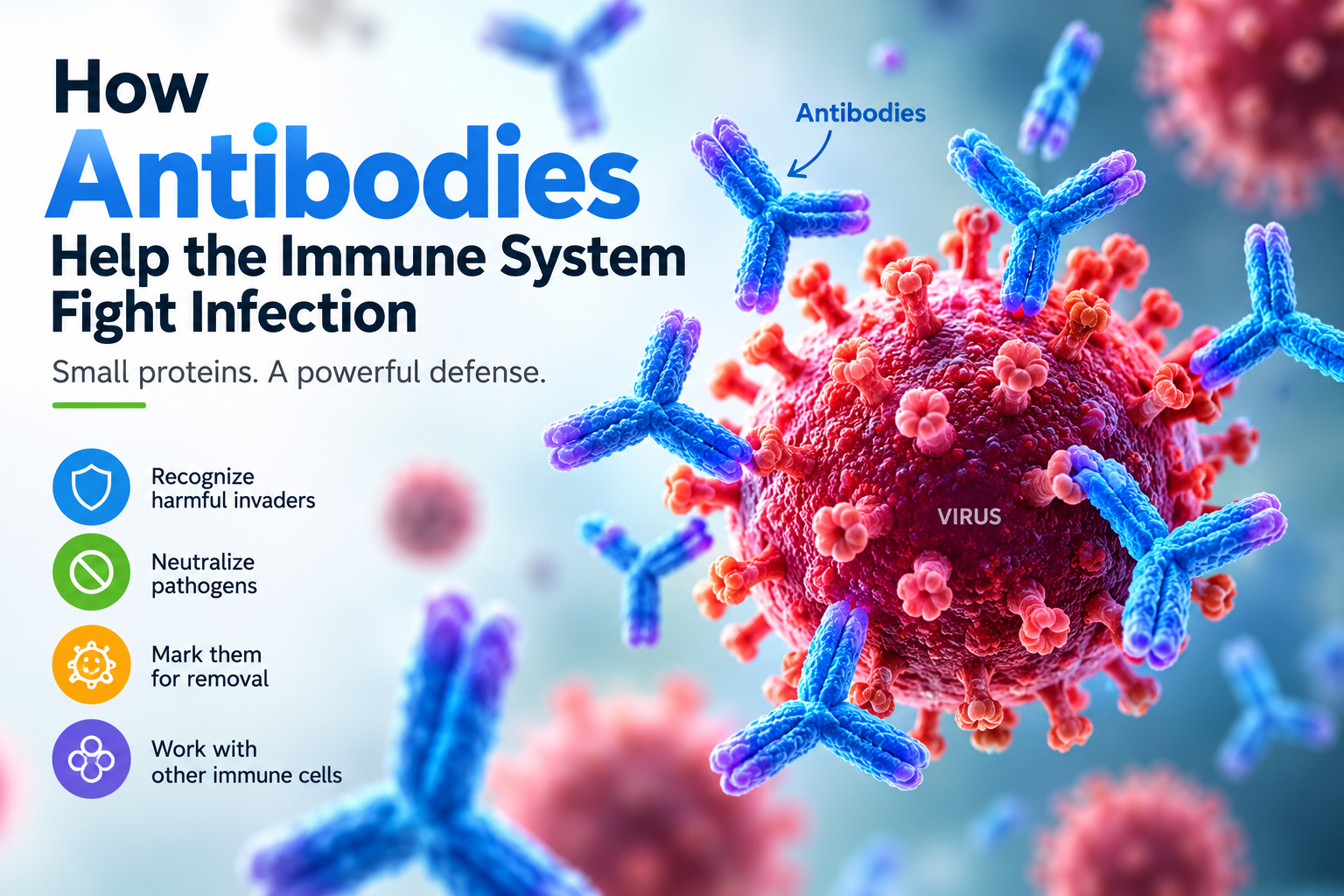
How Antibodies Help the Immune System Fight Infection
Understanding how antibodies work provides a clearer picture of why people develop immunity after certain infections or vaccinations and why the immune system can respond more effectively when it encounters a familiar pathogen again.
Read article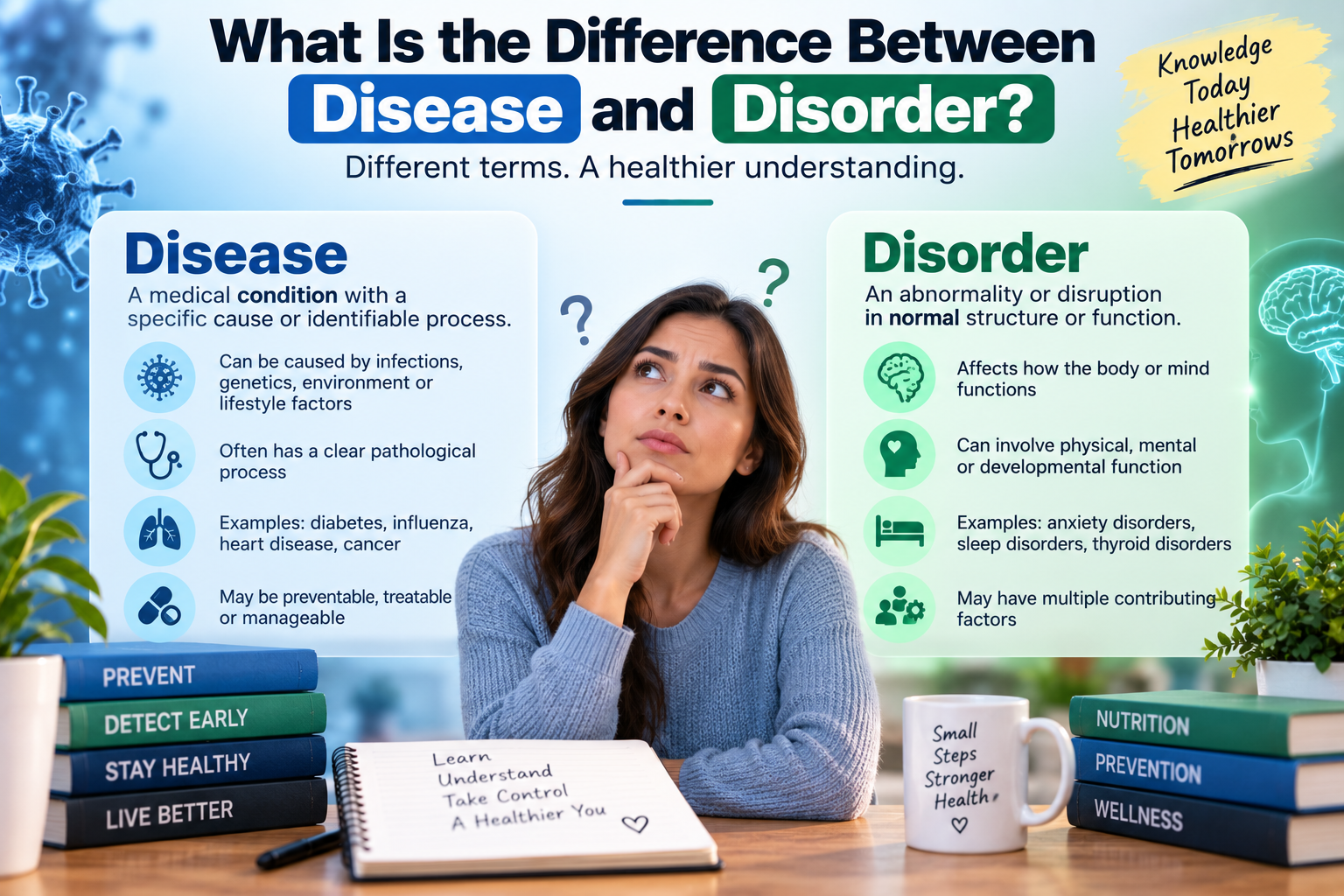
What Is the Difference Between Disease and Disorder
Understanding the distinction can make health information easier to interpret and help explain why doctors sometimes use one term rather than the other.
Read article
Why Blood Pressure Matters for Long-Term Health
Understanding why blood pressure matters can make it easier to recognize the importance of routine screening, healthy habits and appropriate treatment.
Read article

Join 10,000+ Readers Building Healthier Habits
Get actionable wellness tips every week plus our newest articles delivered straight to your inbox.