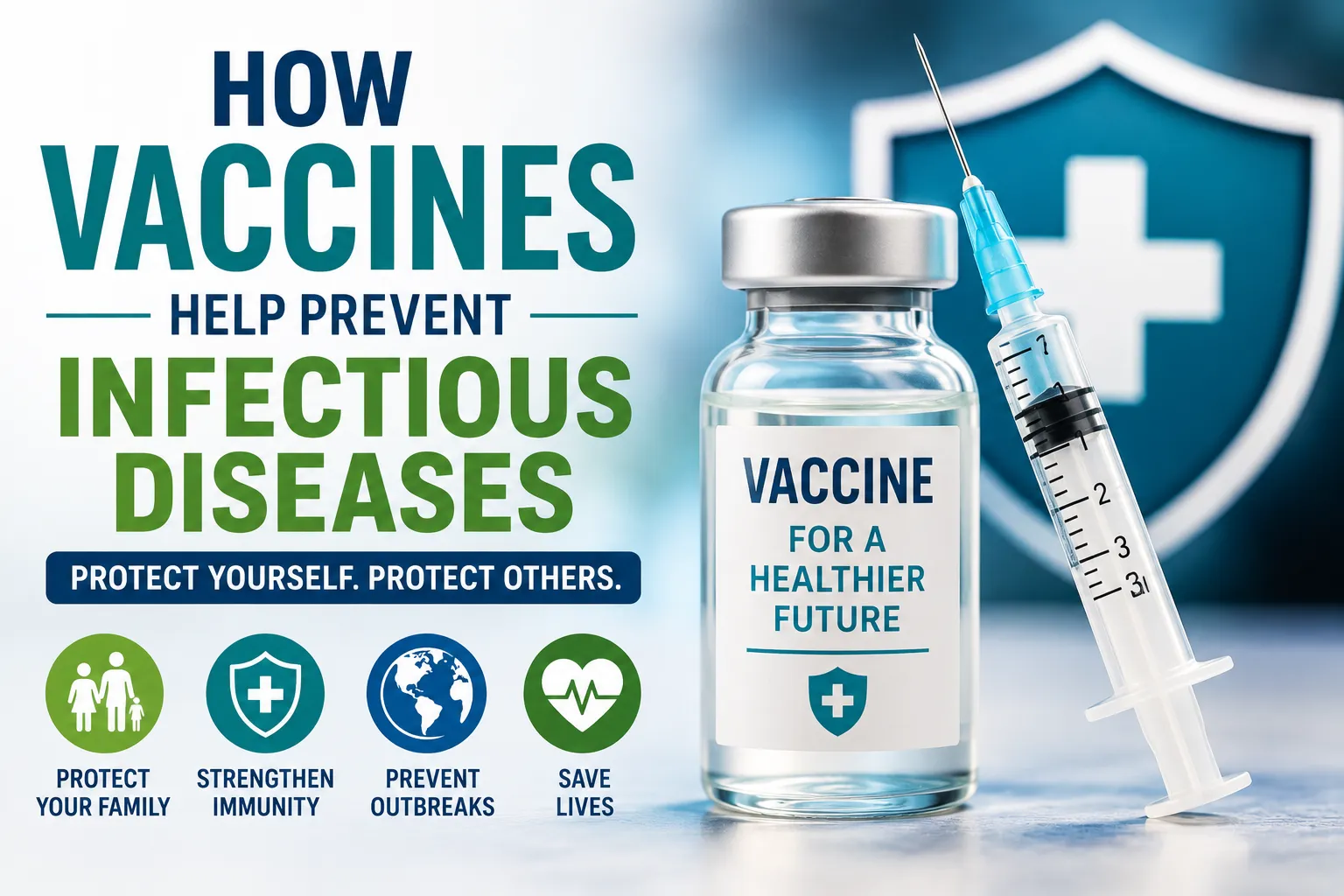

How Vaccines Help Prevent Infectious Diseases
Vaccines are one of the most important tools available for preventing infectious diseases. Rather than waiting for an infection to occur and then treating it, vaccination prepares the immune system to recognize and respond to specific disease-causing organisms before they can cause serious illness.
From measles and polio to influenza, hepatitis B, meningitis and several other infections, vaccines have helped reduce illness, disability and deaths around the world. The World Health Organization estimates that immunization currently prevents 3.5 million to 5 million deaths every year from vaccine-preventable diseases.
Understanding how vaccines work can make it easier to see why keeping recommended vaccinations up to date remains an important part of infectious-disease prevention. For a broader overview of prevention strategies, see the complete guide to infectious disease prevention.
What Are Vaccines?
Vaccines are biological preparations designed to teach the immune system how to recognize a particular infectious threat.
Depending on the vaccine, the active component may contain:
- An inactivated microorganism
- A weakened form of a microorganism
- A specific part of a virus or bacterium
- A harmless protein or other antigen
- Genetic instructions that tell cells to temporarily produce a particular antigen
The objective is the same: stimulate an immune response without causing the disease the vaccine is designed to prevent.
Vaccines are available against many different infectious diseases, including measles, polio, tetanus, influenza, hepatitis B, pertussis, meningitis, rabies, yellow fever and others. Some vaccines are also designed to protect against infections that can contribute to cancer, such as human papillomavirus (HPV).
How the Immune System Responds to Infection
The immune system has sophisticated defenses against viruses, bacteria and other pathogens.
When an unfamiliar pathogen enters the body, immune cells identify molecules associated with it, known as antigens. The immune system then begins producing antibodies and activating other immune responses designed to eliminate the threat.
The first response can take time.
During that period, the pathogen may multiply and cause illness.
Afterward, however, the immune system retains a memory of the pathogen. Specialized memory cells can help the body respond much more rapidly if it encounters the same threat again.
This immune memory is central to how vaccination works. Understanding the broader role of immune defenses can also be useful when considering how the immune system protects the body from infection.
Vaccines Train the Immune System Before an Infection
A vaccine essentially gives the immune system a safe opportunity to practice.
Instead of encountering the full disease-causing pathogen for the first time, the immune system encounters an antigen or instructions for producing one.
The immune system responds by developing antibodies and other defenses. It can also establish immune memory.
If the vaccinated person later encounters the actual pathogen, the immune system may recognize it much faster and mount a stronger response.
That can prevent infection altogether or reduce the severity of the resulting illness.
This is one of the biggest differences between vaccination and treatment: vaccination prepares the body before disease occurs.
Vaccines Do Not All Work in Exactly the Same Way
There is no single vaccine technology.
Different vaccines use different approaches depending on the pathogen and the type of immune response scientists want to generate.
Some use an inactivated version of a pathogen. Others use only selected pieces of the organism.
Some newer vaccines use genetic instructions that allow the body’s cells to temporarily produce an antigen that trains the immune system.
These approaches can look very different scientifically, but they share the same broad purpose: exposing the immune system to a safe representation of a pathogen so that it can develop protection.
Why Multiple Doses Are Sometimes Necessary
Some vaccines require more than one dose.
The first dose may initiate an immune response, while subsequent doses can strengthen and extend protection.
For some diseases, protection can also decrease over time, making booster doses useful.
The recommended schedule is based on evidence from clinical trials and effectiveness studies. Following the recommended schedule helps ensure that protection develops and is maintained appropriately.
This is why missing a vaccine appointment does not necessarily mean someone has to start the entire vaccination process over.
In many cases, healthcare providers can recommend a catch-up schedule based on the person’s age, vaccination history and circumstances.
Vaccination Can Reduce the Risk of Serious Disease
No vaccine provides perfect protection.
A vaccinated person can sometimes still become infected, depending on the disease, vaccine and individual circumstances.
However, vaccination can substantially reduce the risk of serious illness for many vaccine-preventable diseases.
WHO notes that breakthrough infections can occur, but vaccinated people who become infected are generally more likely to experience milder disease than people without the protection provided by vaccination.
This is an important point when evaluating vaccines.
The goal is not necessarily to create an impenetrable barrier against every infection. Depending on the vaccine, protection may include reducing the likelihood of infection, preventing severe disease, reducing complications or helping limit transmission.
Vaccines Also Protect Communities
Vaccination has effects beyond the individual receiving the vaccine.
When a large proportion of a population is protected against a contagious disease, a pathogen has fewer opportunities to spread from one person to another.
This can provide indirect protection to people who cannot safely receive certain vaccines or who may not respond adequately to vaccination.
These groups can include some people with severely weakened immune systems, as well as babies who are too young for certain vaccines.
This community-level protection is often referred to as herd immunity or community immunity.
It does not provide absolute protection, but high vaccination coverage can make it much harder for certain infections to circulate.
Vaccination Helps Prevent Outbreaks
Infectious diseases can spread rapidly when enough susceptible people are present in a community.
Measles provides a useful example because it is highly contagious. When vaccination coverage falls, susceptible populations can grow, creating opportunities for outbreaks.
WHO reported that nearly 21 million children missed their routine first measles vaccine dose in 2025, illustrating the continuing challenge of maintaining high vaccination coverage.
Keeping vaccination programs strong can therefore help prevent individual infections as well as larger outbreaks.
Vaccines Have Helped Transform Infectious-Disease Prevention
The impact of vaccination can be difficult to appreciate when people rarely encounter diseases that were once widespread.
Polio is one example.
Large-scale vaccination efforts have dramatically reduced wild poliovirus transmission around the world. WHO describes vaccination as central to the global effort to eradicate polio, with the African continent certified free of wild poliovirus in 2020.
Smallpox provides an even more dramatic example: sustained vaccination campaigns ultimately led to the disease being eradicated.
These achievements demonstrate that vaccination can do more than reduce individual risk. Under the right circumstances, widespread immunization can fundamentally change the trajectory of an infectious disease.
Vaccines Can Prevent More Than Acute Illness
The effects of infectious diseases are not always limited to a few days of fever or other symptoms.
Some infections can cause:
- Permanent disability
- Organ damage
- Neurological complications
- Infertility
- Chronic infection
- Certain cancers
- Death
Preventing the infection in the first place can therefore prevent complications that may otherwise occur years or decades later.
HPV vaccination is a notable example. Certain HPV infections can contribute to cervical cancer and several other cancers, making vaccination an important component of cancer prevention as well as infectious-disease prevention.
Vaccine Safety Is Continuously Monitored
Vaccines are subjected to extensive testing before they are approved for use.
Clinical trials evaluate factors such as safety and effectiveness, and vaccines continue to be monitored after approval to identify potential safety issues and assess performance in real-world populations.
Like medicines and other medical interventions, vaccines can cause side effects.
Many are mild and temporary, such as soreness at the injection site, fatigue or a low-grade fever. Serious adverse reactions can occur but are uncommon, and health authorities continuously monitor vaccine safety.
The decision about a specific vaccine can also depend on factors such as age, pregnancy, allergies, medical conditions, previous vaccination and local disease risks.
Why Vaccination Schedules Matter
Vaccines are recommended at particular ages and intervals for a reason.
The immune response, disease risk and duration of protection can vary considerably between vaccines.
Some are routinely given during childhood, while others may be recommended for adolescents, adults, older people or particular high-risk groups.
Certain vaccines may also be recommended for travelers entering areas where specific infections are more common.
Because vaccination schedules differ between countries, the most appropriate schedule is the one recommended by the relevant national health authorities and healthcare professionals.
What Happens If Someone Misses a Vaccine?
Missing a recommended dose does not necessarily mean protection is permanently lost.
Depending on the vaccine and the person’s circumstances, a healthcare provider may recommend a catch-up vaccination schedule.
This is particularly important for children who have missed routine immunizations.
Rather than assuming that it is too late, families can review their vaccination records with a healthcare professional and determine which doses are still needed.
WHO specifically recommends speaking with a healthcare worker about catching up when recommended vaccinations have been missed.
Vaccines Are Only One Part of Disease Prevention
Vaccination is powerful, but it does not eliminate the need for other infection-prevention measures.
Depending on the disease, additional strategies can include:
- Hand hygiene
- Safe food preparation
- Clean drinking water
- Good ventilation
- Staying home when seriously ill
- Using appropriate protective equipment
- Safe sexual practices
- Vector control
- Testing when appropriate
- Appropriate treatment of infections
Good hygiene remains an important layer of protection, particularly because many infectious organisms can spread through contaminated hands and surfaces. Learn more about how personal hygiene helps prevent illness.
Different diseases require different prevention strategies.
Vaccination works best as part of a broader public-health approach.
Why Vaccine Protection Can Change Over Time
Immune protection is not necessarily permanent for every vaccine.
For some diseases, protection lasts for many years or decades. For others, immunity can decrease over time or the pathogen can change.
This is one reason health authorities sometimes recommend booster doses or updated vaccines.
Influenza is a familiar example because the viruses circulating in the population can change over time, requiring vaccination recommendations to be reviewed regularly.
Similarly, health authorities monitor emerging variants and other changes that could affect vaccine performance.
Vaccination and Infectious-Disease Prevention Around the World
Infectious diseases do not respect national borders.
People travel frequently, pathogens can spread between countries and outbreaks can emerge in areas where diseases had previously become uncommon.
WHO currently lists vaccines against more than 30 life-threatening diseases and infections, with vaccination programs covering people at different stages of life.
However, vaccine recommendations are not identical everywhere.
A vaccine may be part of a country’s routine immunization schedule, recommended only for certain groups, required or advised for travel, or used during an outbreak.
Local public-health guidance therefore matters.
Why Keeping Records Is Important
Maintaining an accurate vaccination record can make healthcare decisions much easier.
A vaccination record can help healthcare professionals determine:
- Which vaccines have already been received
- Which doses may be due
- Whether a booster is needed
- Whether catch-up vaccination is appropriate
- Whether additional vaccines are recommended for travel or specific circumstances
Parents should keep children’s vaccination records organized, while adults can also benefit from knowing their own vaccination history.
If records are incomplete, a healthcare professional can help determine what should be done.
Vaccination Is a Long-Term Prevention Strategy
The fundamental strength of vaccines is that they prepare the immune system before an infectious disease has an opportunity to cause harm.
They can reduce the risk of serious illness, help protect vulnerable members of communities and contribute to controlling or eliminating diseases. WHO estimates that essential vaccines against just 14 diseases saved at least 154 million lives over the past 50 years.
At the individual level, staying up to date with recommended vaccinations is one part of maintaining good preventive health. At the community level, high vaccination coverage can help limit the circulation of dangerous pathogens and reduce the likelihood of outbreaks.
Vaccines work by turning the immune system’s ability to remember into a powerful form of prevention—giving the body a head start against infections before they have a chance to cause serious disease.
Continue Reading
Similar Posts
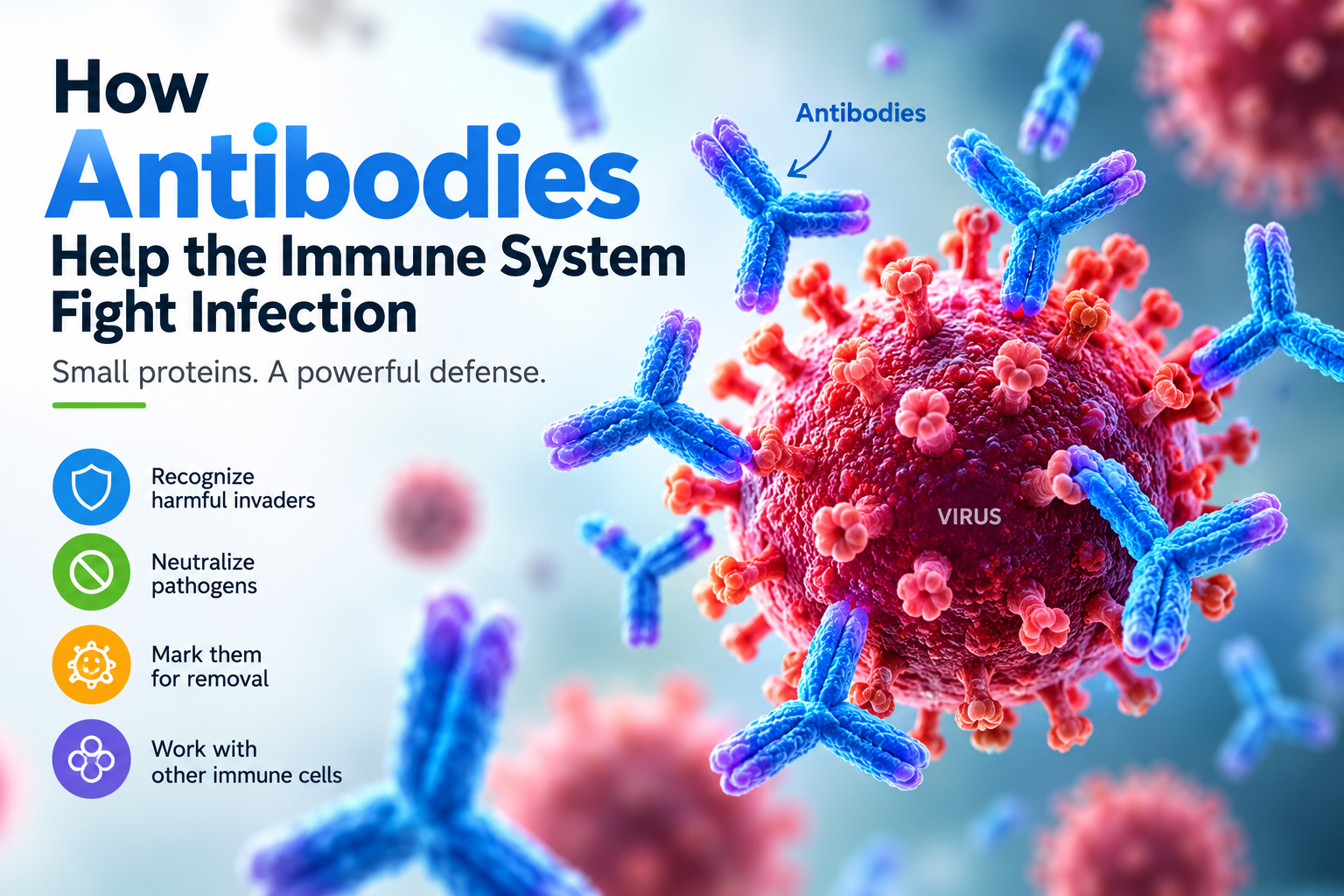
How Antibodies Help the Immune System Fight Infection
Understanding how antibodies work provides a clearer picture of why people develop immunity after certain infections or vaccinations and why the immune system can respond more effectively when it encounters a familiar pathogen again.
Read article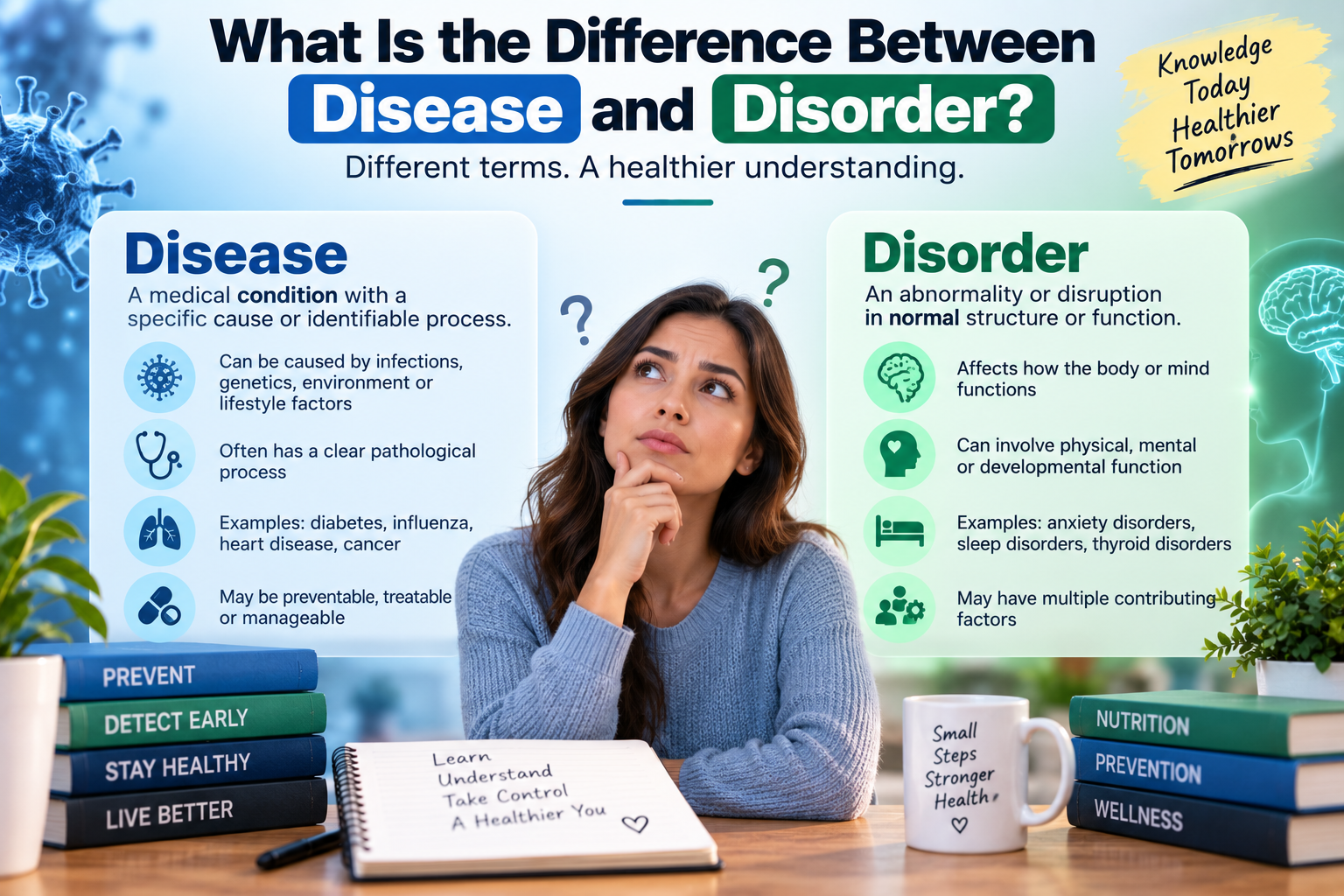
What Is the Difference Between Disease and Disorder
Understanding the distinction can make health information easier to interpret and help explain why doctors sometimes use one term rather than the other.
Read article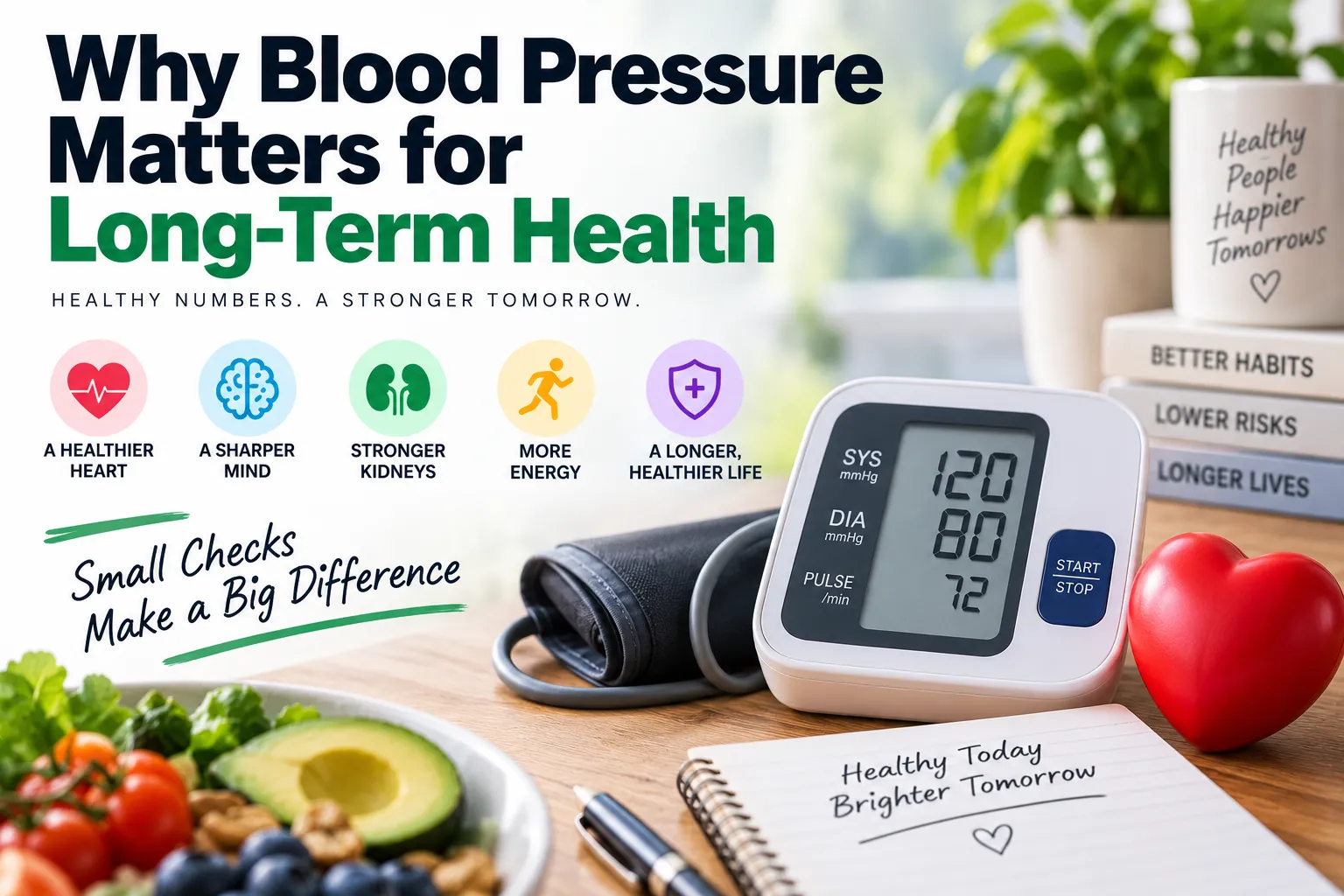
Why Blood Pressure Matters for Long-Term Health
Understanding why blood pressure matters can make it easier to recognize the importance of routine screening, healthy habits and appropriate treatment.
Read article

Join 10,000+ Readers Building Healthier Habits
Get actionable wellness tips every week plus our newest articles delivered straight to your inbox.