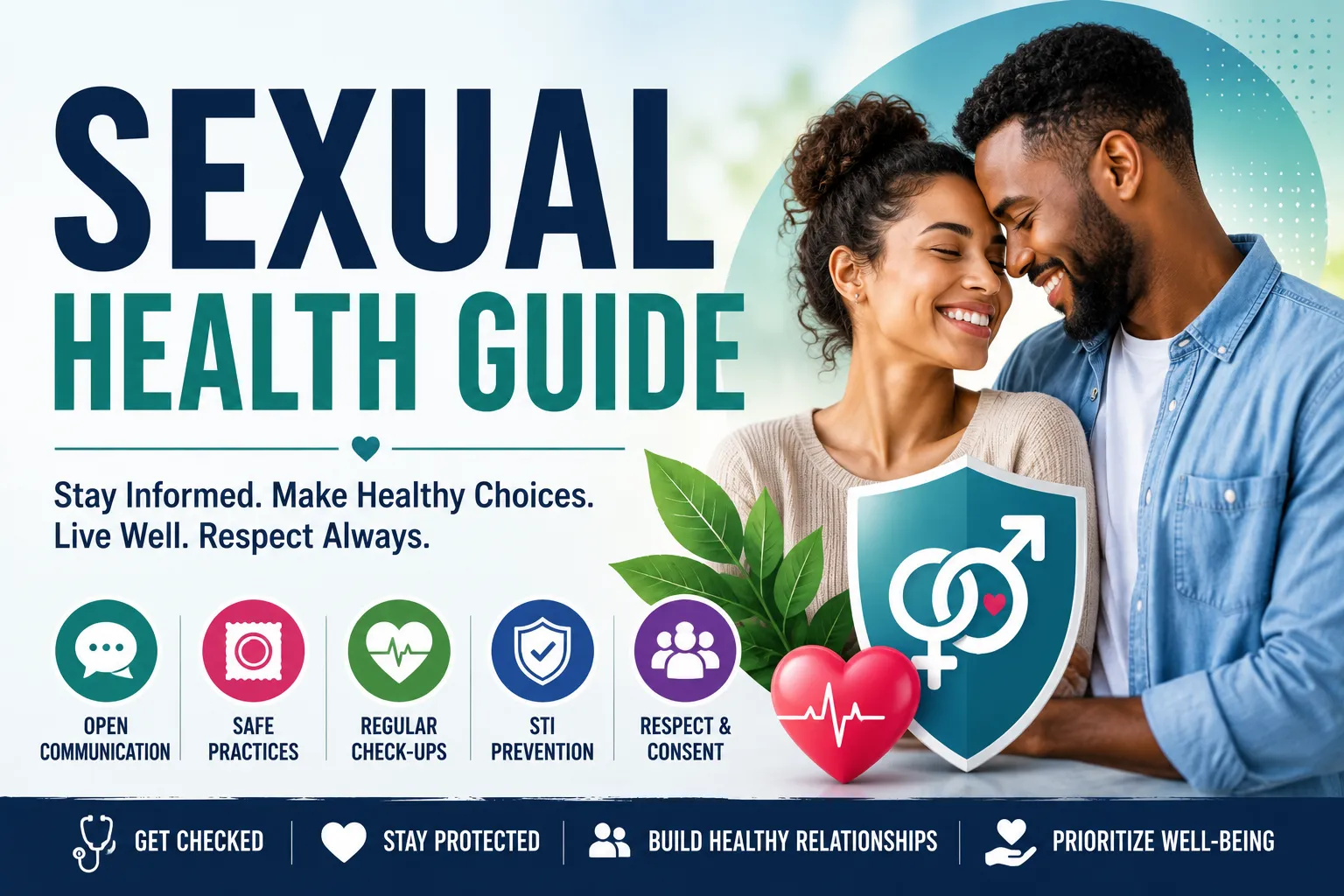

Sexual Health Guide
Sexual health is an important part of overall physical, emotional, and social well-being. It extends beyond the absence of disease or dysfunction and includes healthy relationships, informed decision-making, reproductive health, respect, communication, and access to appropriate healthcare. Maintaining good sexual health can improve quality of life, strengthen relationships, and support long-term wellness for people of all ages.
As public awareness of preventive healthcare continues to grow, healthcare professionals encourage open conversations about sexual health, routine screenings when appropriate, safe practices, and early medical care for any concerns. Accurate information helps reduce stigma and empowers individuals to make informed choices.
This guide explains the fundamentals of sexual health, common health considerations for women and men, preventive care, and practical strategies for maintaining lifelong sexual well-being. For a broader overview of men’s health concerns and related preventive topics, see the Complete Guide to Prostate Health for Men and Common Men’s Health Concerns Explained.
What Is Sexual Health?
According to widely accepted public health definitions, sexual health is a state of physical, emotional, mental, and social well-being related to sexuality.
It involves:
- Respectful relationships
- Personal safety
- Informed decision-making
- Reproductive health
- Disease prevention
- Open communication
- Access to healthcare
- Personal well-being
Sexual health is an ongoing part of overall health throughout life.
Why Sexual Health Matters
Good sexual health contributes to overall wellness in many ways.
Potential benefits include:
- Better physical health
- Stronger relationships
- Improved emotional well-being
- Increased self-confidence
- Healthier family planning
- Early detection of medical conditions
- Reduced risk of sexually transmitted infections (STIs)
- Improved quality of life
Prioritizing preventive care helps identify potential issues before they become more serious.
Sexual Health Throughout Life
Sexual health needs evolve with age and life stage.
Adolescence
Education often focuses on:
- Puberty
- Body changes
- Consent
- Healthy relationships
- Personal boundaries
- Reproductive health
Adulthood
Adults may prioritize:
- Family planning
- STI prevention
- Fertility
- Pregnancy care
- Relationship communication
- Routine screenings
For those considering pregnancy, understanding fertility and reproductive planning can also be an important part of sexual health. The Understanding Fertility for Women and Men guide explores these considerations in greater detail.
Older Adults
Sexual health remains important later in life and may include discussions about hormonal changes, chronic conditions, medications, and maintaining intimacy.
Healthy Relationships
Healthy relationships are a key component of sexual wellness.
Characteristics include:
- Mutual respect
- Honest communication
- Trust
- Consent
- Emotional support
- Shared decision-making
- Personal boundaries
Healthy communication allows partners to discuss expectations, concerns, and healthcare openly.
The Importance of Consent
Consent is the foundation of healthy sexual relationships.
Consent should always be:
- Freely given
- Informed
- Mutual
- Ongoing
- Reversible
Everyone has the right to decide what they are comfortable with, and consent can be withdrawn at any time.
Reproductive Health
Reproductive health involves maintaining the health of the reproductive system throughout life.
It may include:
- Routine medical examinations
- Family planning
- Fertility discussions
- Pregnancy care
- Menstrual health
- Menopause care
- Prostate health
Healthcare recommendations vary depending on age, medical history, and individual circumstances.
Preventing Sexually Transmitted Infections
Sexually transmitted infections (STIs) remain an important public health concern.
Reducing risk may involve:
- Practicing safer sex
- Using barrier protection correctly and consistently
- Regular STI testing when appropriate
- Open communication with partners
- Limiting exposure to known risk factors
- Following healthcare provider recommendations
- Receiving recommended vaccinations where appropriate
Early diagnosis and treatment help reduce complications and transmission.
Routine Health Screenings
Preventive screenings play an important role in sexual health.
Depending on individual circumstances, healthcare providers may recommend:
- STI screening
- Cervical cancer screening
- Breast examinations
- Prostate evaluations
- Testicular examinations
- Reproductive health assessments
Screening schedules should be personalized based on age, health history, and risk factors.
Women’s Sexual Health
Women’s sexual health involves many aspects of reproductive and general health.
Common topics include:
- Menstrual health
- Pregnancy planning
- Fertility
- Contraception
- Menopause
- Pelvic health
- Cervical health
- Breast health
Regular visits with qualified healthcare professionals help support lifelong reproductive health.
Men’s Sexual Health
Men’s sexual health includes preventive care throughout adulthood.
Important considerations include:
- Testicular health
- Prostate health
- Fertility
- Hormonal health
- Sexual function
- Cardiovascular health
- Healthy lifestyle habits
Routine medical care can help identify concerns early. Hormonal health is also an important part of men’s overall well-being, and What Testosterone Does in Men’s Health provides a closer look at testosterone and its role in men’s health.
Lifestyle and Sexual Wellness
General health has a significant influence on sexual well-being.
Healthy habits include:
- Regular physical activity
- Balanced nutrition
- Adequate sleep
- Stress management
- Avoiding tobacco
- Limiting excessive alcohol consumption
- Maintaining a healthy weight
These habits support both physical and reproductive health.
Mental Health and Sexual Well-Being
Emotional wellness is closely connected to sexual health.
Stress, anxiety, depression, relationship difficulties, and other mental health concerns may influence sexual well-being.
Helpful strategies include:
- Open communication
- Stress reduction
- Counseling when appropriate
- Healthy relationships
- Self-care
- Seeking professional support
Addressing emotional health can improve overall quality of life.
Family Planning
Family planning allows individuals and couples to make informed reproductive decisions.
Topics may include:
- Pregnancy planning
- Birth spacing
- Fertility awareness
- Contraceptive options
- Preconception health
Healthcare providers can help individuals choose approaches that align with their health needs and personal goals.
Common Misconceptions
Myth: Sexual Health Only Matters for Young Adults
Sexual health is important throughout every stage of life.
Myth: Feeling Healthy Means Screenings Aren’t Necessary
Some infections and health conditions may not produce noticeable symptoms, making routine screenings valuable.
Myth: Sexual Health Is Only About Reproduction
Sexual health also includes emotional well-being, relationships, communication, consent, and preventive healthcare.
Myth: Talking About Sexual Health Is Embarrassing
Open discussions with qualified healthcare professionals help improve prevention, diagnosis, and treatment.
When to Seek Medical Advice
Consult a qualified healthcare professional if you experience:
- Persistent pain
- Unusual discharge
- Unexplained bleeding
- Sores or skin changes
- Difficulty with sexual function
- Concerns about fertility
- Possible STI exposure
- Questions about contraception or reproductive health
Early medical evaluation often leads to better outcomes.
Technology and Sexual Healthcare
Digital healthcare continues expanding access to sexual health services.
Examples include:
- Telehealth consultations
- Online appointment scheduling
- Digital health education
- Secure patient portals
- Reminder systems for preventive screenings
Technology can improve access while supporting privacy and convenience.
Tips for Maintaining Good Sexual Health
Healthy habits include:
- Schedule routine medical checkups.
- Practice safer sex.
- Stay informed using reliable health information.
- Communicate openly with partners.
- Respect consent and personal boundaries.
- Maintain healthy lifestyle habits.
- Seek medical advice when concerns arise.
- Stay current with recommended preventive screenings and vaccinations.
- Avoid tobacco products.
- Prioritize both physical and emotional well-being.
Small, consistent actions can support lifelong sexual health.
Supporting Sexual Health Across the Lifespan
Sexual health is an essential part of overall health and well-being. It encompasses much more than reproduction or the prevention of disease—it also includes healthy relationships, informed decision-making, emotional wellness, and access to appropriate healthcare. Maintaining good sexual health involves regular preventive care, open communication, healthy lifestyle habits, and seeking medical advice whenever concerns arise.
By staying informed, practicing safer behaviors, and working with qualified healthcare professionals, individuals can support their reproductive health, reduce health risks, and improve their overall quality of life. Like every aspect of preventive healthcare, sexual wellness is best viewed as a lifelong commitment to informed, respectful, and healthy living.
Continue Reading
Similar Posts

How Communication Supports Sexual Health
Whether people are discussing contraception, sexual preferences, STI testing, fertility, consent, or changes in their health, clear communication can play an important role in making sexual relationships safer and healthier.
Read article
Why Health History Matters for Women
For women, keeping an accurate health history can be especially valuable because health needs can change significantly throughout different stages of life.
Read article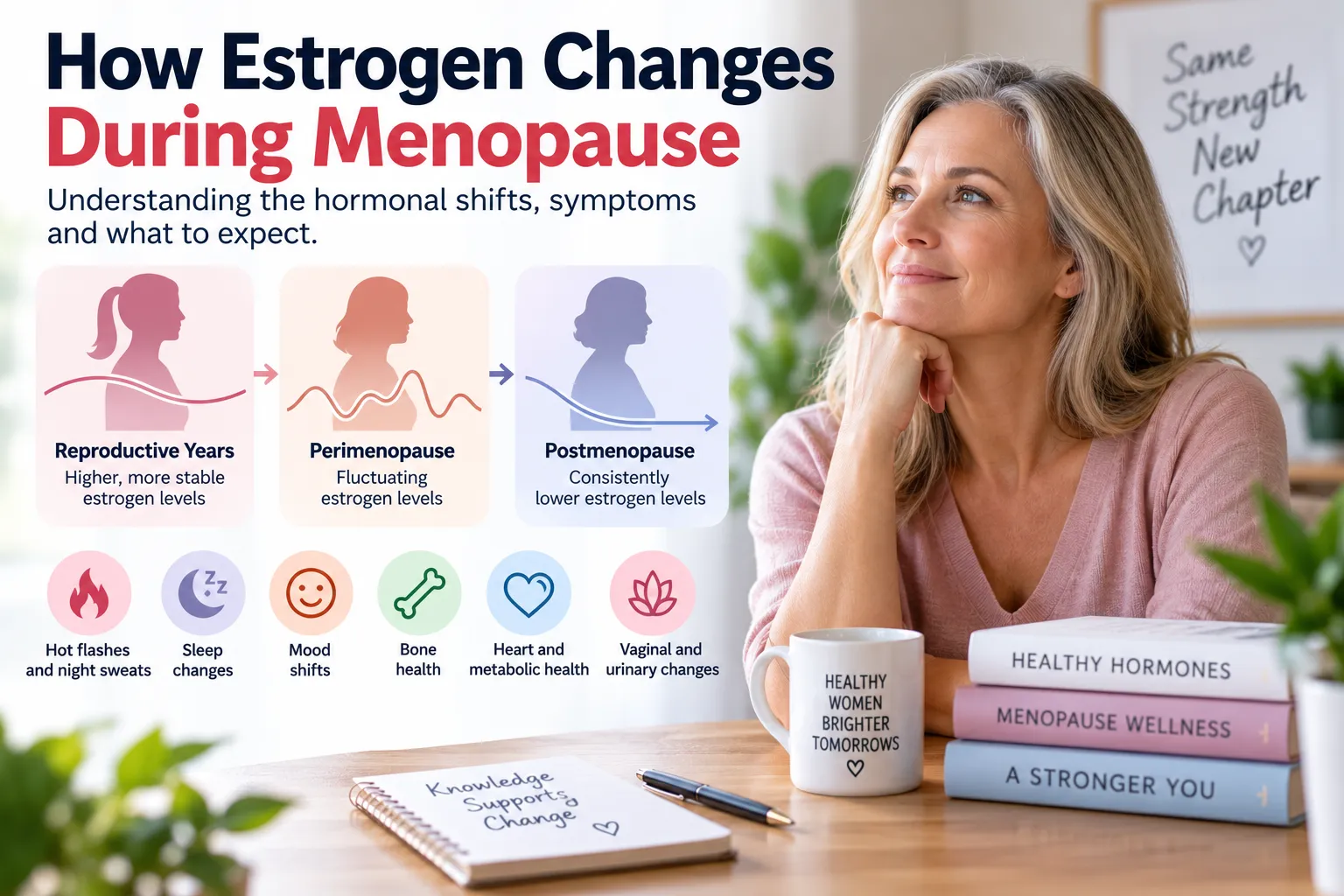
How Estrogen Changes During Menopause
Understanding how estrogen changes can make many of the physical and emotional changes associated with this stage of life easier to recognize and discuss with a healthcare professional.
Read article

Join 10,000+ Readers Building Healthier Habits
Get actionable wellness tips every week plus our newest articles delivered straight to your inbox.