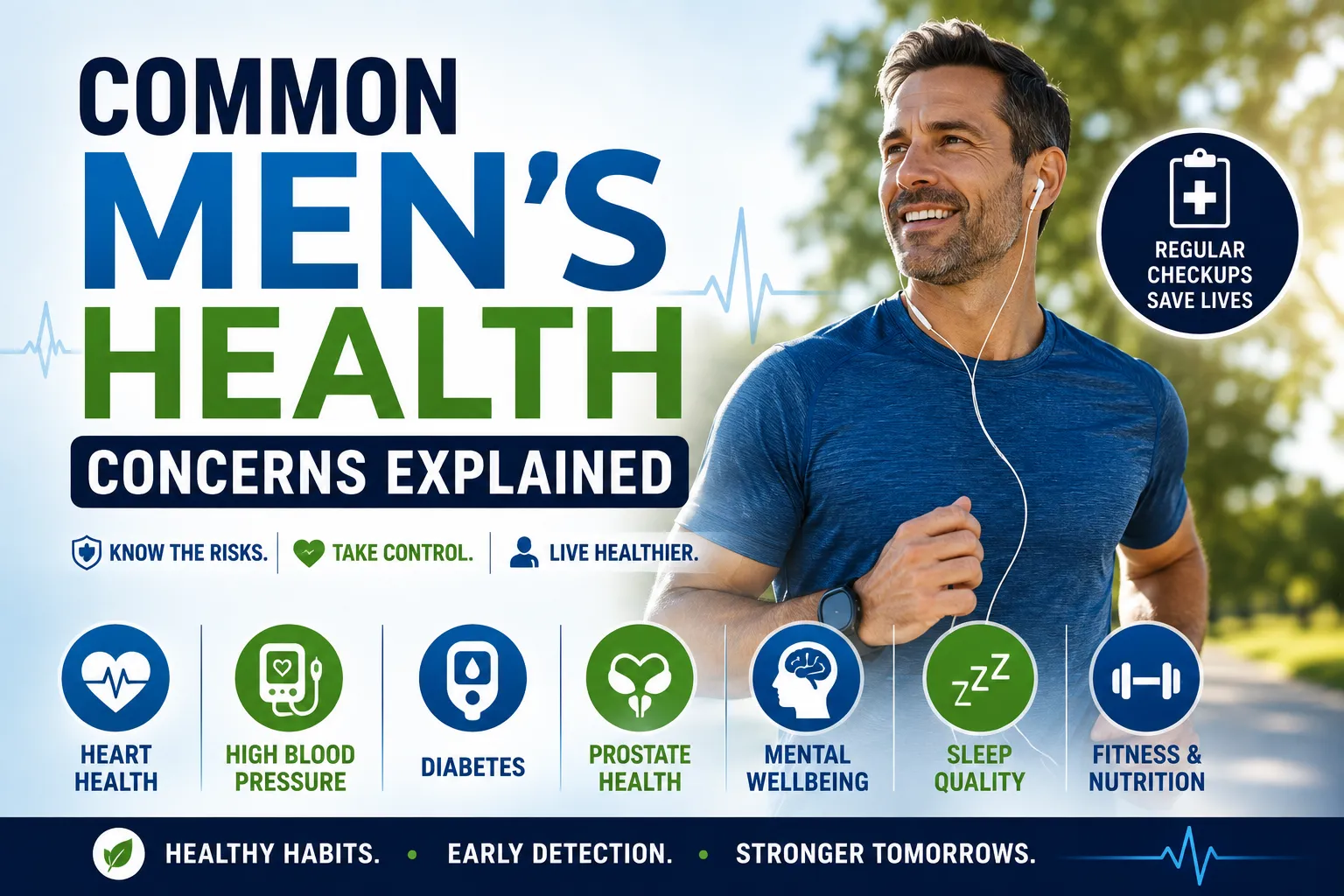

Common Men’s Health Concerns Explained
Men’s health covers far more than fitness, testosterone, or sexual health. Heart disease, high blood pressure, diabetes, prostate problems, mental health conditions, sleep disorders, and certain cancers can all affect men’s quality of life—and many can develop quietly before noticeable symptoms appear.
Understanding the most common concerns can make it easier to recognize warning signs, discuss uncomfortable symptoms with a healthcare professional, and take preventive steps earlier.
This guide explains some of the major health issues men should know about, what symptoms to watch for, and how everyday habits can support long-term health.
Health note: This article is for general education and is not a substitute for personalized medical advice. Screening recommendations can vary based on age, family history, existing conditions, medications, and other risk factors.
Why Men’s Health Deserves Attention
Men can face many of the same health conditions as women, but some conditions affect men differently or are particularly relevant to male anatomy and reproductive health.
One of the biggest challenges is that some serious conditions can remain relatively quiet for years. High blood pressure, elevated cholesterol, diabetes, and some cancers may not cause obvious symptoms early on.
That makes preventive healthcare important even when you feel healthy.
A good men’s health strategy generally involves:
- Regular medical checkups
- Monitoring blood pressure and cholesterol
- Maintaining a healthy weight
- Staying physically active
- Eating a balanced diet
- Avoiding tobacco
- Limiting excessive alcohol consumption
- Getting adequate sleep
- Paying attention to mental health
- Discussing sexual and urinary changes with a healthcare professional
- Following age- and risk-appropriate screening recommendations
Heart Disease and Cardiovascular Health
Heart health should be one of the biggest priorities for men.
Risk factors can include high blood pressure, high cholesterol, smoking, diabetes, excess weight, physical inactivity, and family history.
Diabetes is particularly important because it can damage blood vessels and increase the risk of cardiovascular disease and stroke.
Warning Signs That Should Not Be Ignored
Possible signs of a heart attack can include:
- Chest pressure or discomfort
- Shortness of breath
- Pain or discomfort involving the arms, shoulders, back, neck, or jaw
- Sweating
- Light-headedness
- Nausea
- Unusual or severe fatigue
Sudden symptoms suggestive of a stroke—including facial weakness, weakness or numbness on one side, difficulty speaking, sudden vision problems, severe dizziness, or a sudden severe headache—require emergency medical attention.
Don’t assume serious symptoms will simply disappear.
High Blood Pressure
High blood pressure is often called a “silent” condition because many people do not notice symptoms.
Over time, uncontrolled high blood pressure can place additional strain on the heart and blood vessels and increase the risk of cardiovascular and kidney problems.
Regular blood-pressure checks can therefore be useful even if you feel perfectly well.
Your target blood pressure is not necessarily the same as someone else’s. A healthcare professional can interpret your readings in the context of your age, medical history, medications, and overall cardiovascular risk.
High Cholesterol
Cholesterol is a type of fat found in the blood. Different forms of cholesterol have different effects on cardiovascular risk.
High levels of LDL cholesterol can contribute to plaque buildup in blood vessels.
The important point is that cholesterol problems often don’t produce noticeable symptoms. A blood test may be needed to identify them.
Men with risk factors such as diabetes, smoking, high blood pressure, obesity, or a strong family history of cardiovascular disease may need particularly careful monitoring.
Type 2 Diabetes and Blood Sugar Health
Type 2 diabetes occurs when the body has difficulty using insulin effectively and maintaining healthy blood glucose levels.
Risk factors can include:
- Excess body weight
- Physical inactivity
- Family history
- Increasing age
- Certain dietary and metabolic factors
Diabetes can affect blood vessels and nerves and is associated with complications involving the heart, kidneys, eyes, feet, and sexual health.
Some people may have diabetes or prediabetes without obvious symptoms, which makes appropriate testing important for people with relevant risk factors.
Prostate Health
The prostate is a gland located below the bladder that surrounds part of the urethra.
Common prostate problems include:
- Benign prostatic hyperplasia (BPH)
- Prostatitis
- Prostate cancer
BPH is an enlarged prostate that is not cancer. It becomes increasingly common with age and can cause urinary symptoms.
For a more detailed look at prostate conditions, symptoms, prevention, and evaluation, see this complete guide to prostate health for men.
Common Urinary Symptoms
Men experiencing prostate or urinary problems may notice:
- Frequent urination
- Urgent need to urinate
- Waking frequently at night to urinate
- Difficulty starting urination
- A weak or interrupted stream
- Difficulty completely emptying the bladder
- Urinary leakage
These symptoms can have several causes, so they should not automatically be attributed to an enlarged prostate.
Persistent or worsening urinary symptoms deserve medical evaluation.
Prostate Cancer and Screening
Prostate cancer is an important men’s health concern, but screening decisions are more complicated than simply recommending the same test to every man.
PSA testing, for example, can help identify possible prostate abnormalities, but an elevated PSA does not automatically mean cancer.
The potential benefits and disadvantages of prostate cancer screening should be discussed with a healthcare professional, taking factors such as age, family history, race, overall health, and personal preferences into account.
The right screening strategy can differ substantially between individuals.
Erectile Dysfunction
Erectile dysfunction (ED) means having difficulty getting or maintaining an erection firm enough for sexual activity.
Occasional difficulty does not necessarily mean that a man has a medical disorder. However, persistent problems deserve attention.
ED can have several causes, including:
- Diabetes
- Cardiovascular disease
- High blood pressure
- Obesity
- Certain medications
- Hormonal problems
- Nerve disorders
- Smoking
- Excessive alcohol use
- Anxiety and stress
- Other psychological or emotional factors
Importantly, ED is not considered an inevitable or routine part of aging.
In some cases, erectile difficulties can be an indication that another health problem needs attention.
Testosterone and Hormonal Health
Testosterone plays important roles in male reproductive health, muscle and bone maintenance, and other physiological processes.
However, concerns about “low testosterone” can sometimes be oversimplified online.
Symptoms such as:
- Reduced sexual desire
- Fatigue
- Changes in mood
- Reduced muscle mass
- Erectile difficulties
- Difficulty concentrating
can have many possible causes.
A man should not assume that these symptoms automatically mean he needs testosterone treatment. Proper evaluation generally involves discussing symptoms and medical history and, when appropriate, laboratory testing.
For a focused explanation of testosterone’s functions and its role in men’s health, see what testosterone does in men’s health.
Hormone treatment should be considered with a qualified healthcare professional rather than based solely on symptoms or commercial advertisements.
Mental Health and Emotional Well-Being
Men’s mental health deserves the same attention as physical health.
Depression, anxiety, chronic stress, substance-use problems, and other mental health conditions can affect relationships, work, sleep, physical health, and quality of life.
Some men may hesitate to seek help because of social expectations around masculinity or concerns about appearing vulnerable.
That can make it especially important to recognize changes such as:
- Persistent sadness
- Loss of interest in activities
- Irritability
- Social withdrawal
- Major changes in sleep
- Major changes in appetite
- Difficulty concentrating
- Feelings of hopelessness
- Increased alcohol or drug use
Mental health concerns are medical concerns, not character flaws.
If you are experiencing thoughts of harming yourself or someone else, seek immediate professional or emergency assistance.
Sleep and Men’s Health
Poor sleep is another commonly overlooked health issue.
Adults generally need consistent, adequate sleep, but the amount and quality required can vary.
Persistent sleep problems may affect:
- Mood
- Concentration
- Energy
- Physical performance
- Appetite regulation
- Metabolic health
- Cardiovascular health
What About Sleep Apnea?
Sleep apnea involves repeated interruptions of breathing during sleep.
Possible warning signs include:
- Loud snoring
- Gasping during sleep
- Witnessed pauses in breathing
- Morning headaches
- Excessive daytime sleepiness
- Difficulty concentrating
If these symptoms are present, particularly when combined with other risk factors, discussing them with a healthcare professional can be worthwhile.
Weight, Nutrition, and Metabolic Health
Maintaining a healthy body weight is not simply about appearance.
Excess body fat—particularly when combined with other metabolic risk factors—can increase the likelihood of conditions such as type 2 diabetes, cardiovascular disease, and high blood pressure.
A sustainable eating pattern can emphasize:
- Vegetables and fruits
- Whole grains
- Legumes
- Nuts and seeds
- Appropriate sources of protein
- Healthy fats
- Adequate hydration
Rather than chasing extreme diets, focus on habits that can realistically be maintained over time.
Physical Activity
Regular physical activity supports multiple aspects of men’s health.
It can contribute to cardiovascular fitness, muscle strength, bone health, metabolic health, mobility, and mental well-being.
A balanced exercise routine can include:
- Aerobic activity
- Strength training
- Mobility or flexibility work
- Regular movement throughout the day
If you have a chronic condition or have been inactive for a long time, your healthcare professional can help you determine an appropriate starting point.
Sexual Health and Sexually Transmitted Infections
Sexual health is an important component of men’s overall wellness.
Depending on individual circumstances, sexual health may involve:
- STI testing
- Safer-sex practices
- Contraception
- Erectile function
- Fertility
- Sexual desire
- Relationship and emotional well-being
For a broader look at prevention, sexual function, STIs, fertility, and other concerns, see this sexual health guide.
Some sexually transmitted infections can occur without obvious symptoms. Appropriate testing can therefore be important for people with relevant exposure risks.
Male Fertility
Fertility problems are not exclusively a woman’s issue.
Male fertility can be affected by factors involving sperm production, sperm movement, reproductive anatomy, hormones, certain medications, infections, and other health conditions.
For a broader discussion of fertility factors affecting both partners, see the complete guide to fertility for women and men.
Men who have concerns about fertility should discuss them with an appropriate healthcare professional rather than relying on unverified supplements or online treatments.
Testicular Health
Men should pay attention to changes involving the testicles.
Potential warning signs include:
- A new lump
- Swelling
- Persistent pain
- Changes in size or shape
- A feeling of heaviness
- Sudden severe pain
Sudden, severe testicular pain can represent a medical emergency and should be evaluated immediately.
Not every lump or change is cancer, but a new or persistent change should be assessed rather than self-diagnosed.
Men’s Cancer Prevention
Cancer risk varies considerably between individuals.
Men may be affected by cancers involving areas such as:
- Prostate
- Colon and rectum
- Lung
- Skin
- Testicles
- Bladder
- Head and neck
Some risks can be reduced by avoiding tobacco, limiting excessive alcohol consumption, maintaining healthy lifestyle habits, protecting skin from excessive ultraviolet exposure, and following appropriate screening recommendations.
Screening is not identical for everyone. Age, family history, previous test results, and other risk factors can influence which tests are appropriate.
Digestive and Colorectal Health
Changes in bowel habits are worth paying attention to, especially when they persist.
Potential warning signs include:
- Blood in the stool
- Persistent changes in bowel habits
- Unexplained weight loss
- Persistent abdominal pain
- Unexplained fatigue
- A feeling that the bowel does not empty completely
Colorectal cancer screening can detect certain cancers early and can also identify precancerous growths that may be removed.
The appropriate screening method and starting age depend on individual circumstances and current medical guidance.
Kidney Health
Kidneys help filter waste from the blood and perform several important functions.
Risk factors for kidney disease include conditions such as diabetes and high blood pressure.
People with relevant risk factors may benefit from discussing kidney-health testing with their healthcare provider.
Maintaining healthy blood pressure and blood glucose levels, staying appropriately hydrated, avoiding unnecessary medication use, and following medical advice can all support kidney health.
Liver Health
The liver performs numerous functions involving metabolism, digestion, and processing substances in the body.
Excessive alcohol consumption, certain infections, metabolic conditions, and some medications or toxins can contribute to liver problems.
A healthy lifestyle—including maintaining a healthy weight, being physically active, limiting alcohol, and following appropriate medical advice—can help reduce certain risks.
Men’s Health and Everyday Prevention
Many of the biggest opportunities for improving men’s health are surprisingly ordinary.
Don’t Ignore Checkups
You don’t have to wait until something hurts before seeing a healthcare professional.
Preventive visits can provide opportunities to discuss:
- Blood pressure
- Cholesterol
- Blood sugar
- Weight
- Mental health
- Sleep
- Sexual health
- Family history
- Appropriate cancer screening
- Vaccinations
Know Your Family History
Family history can influence risk for cardiovascular disease, diabetes, certain cancers, and other conditions.
Knowing which relatives have experienced major illnesses—and approximately when they developed them—can help healthcare professionals assess your risk.
Stop Smoking
Smoking affects cardiovascular health and increases the risk of multiple cancers and other diseases.
If you smoke, getting professional help to quit can be one of the most valuable health decisions you can make.
Moderate Alcohol Consumption
Heavy alcohol consumption can contribute to numerous health problems.
If you drink alcohol, discuss what constitutes a lower-risk level with a healthcare professional, particularly if you have existing medical conditions or take medications.
When Should Men See a Doctor?
Some symptoms should not be ignored.
Arrange medical evaluation for persistent or unexplained:
- Chest discomfort
- Shortness of breath
- Unexplained weight loss
- Blood in urine or stool
- Persistent urinary problems
- Erectile difficulties
- Testicular lumps or swelling
- Severe or persistent fatigue
- Significant changes in mood
- Persistent digestive symptoms
- Unusual bleeding
- New or unexplained pain
Some symptoms require urgent attention rather than a routine appointment.
Building a Practical Men’s Health Routine
A simple long-term approach can be more effective than trying to overhaul your entire lifestyle at once.
Every Day
- Eat a balanced diet.
- Stay physically active.
- Drink adequate fluids.
- Avoid tobacco.
- Get enough sleep.
- Pay attention to changes in your physical and mental health.
Regularly
- Check blood pressure when appropriate.
- Keep up with recommended medical and dental care.
- Discuss cholesterol and blood-sugar testing when appropriate.
- Review medications with a healthcare professional.
- Stay current with recommended vaccinations.
- Discuss age- and risk-appropriate cancer screening.
When Something Changes
Don’t automatically blame new symptoms on aging.
A new urinary problem, sexual-health concern, persistent pain, unexplained fatigue, or significant change in mood may have a treatable cause.
The Bigger Picture of Men’s Wellness
Men’s health is not one condition or one annual checkup. It is the combined result of cardiovascular health, metabolic health, mental well-being, sexual and reproductive health, sleep, nutrition, physical activity, preventive care, and early attention to symptoms.
The most useful approach is neither to become anxious about every symptom nor to ignore problems until they become severe. Instead, understand your personal risk factors, maintain healthy daily habits, keep appropriate medical appointments, and speak openly with healthcare professionals about concerns that affect your quality of life.
Taking men’s health seriously does not require perfection. Small, consistent decisions—made years before a major health problem develops—can make a meaningful difference to long-term well-being.
Continue Reading
Similar Posts

How Communication Supports Sexual Health
Whether people are discussing contraception, sexual preferences, STI testing, fertility, consent, or changes in their health, clear communication can play an important role in making sexual relationships safer and healthier.
Read article
Why Health History Matters for Women
For women, keeping an accurate health history can be especially valuable because health needs can change significantly throughout different stages of life.
Read article
How Estrogen Changes During Menopause
Understanding how estrogen changes can make many of the physical and emotional changes associated with this stage of life easier to recognize and discuss with a healthcare professional.
Read article

Join 10,000+ Readers Building Healthier Habits
Get actionable wellness tips every week plus our newest articles delivered straight to your inbox.