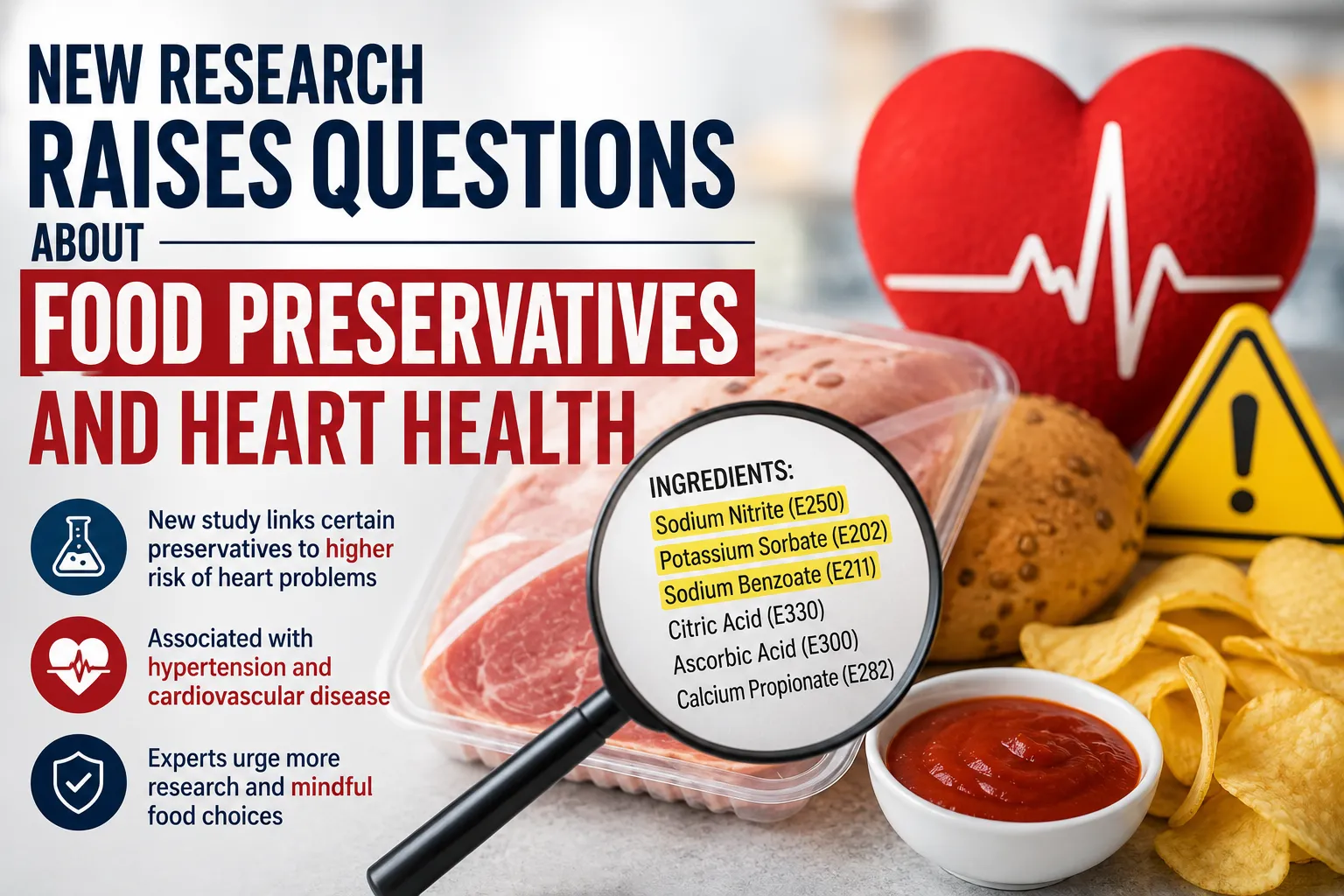

New Research Raises Questions About Food Preservatives and Heart Health
Food preservatives have long played an important role in the modern food supply. They help prevent spoilage, extend shelf life and allow packaged foods to remain safe and usable for longer periods.
But new research is raising questions about whether frequent exposure to some commonly used preservatives could be associated with cardiovascular health problems.
A large French study published in the European Heart Journal examined the diets and health outcomes of more than 112,000 people and found associations between higher exposure to several preservative additives and increased rates of hypertension and cardiovascular disease. The findings do not prove that preservatives directly cause heart problems, but they add to growing scientific interest in the health effects of additives found in heavily processed foods.
The results are particularly notable because researchers attempted to measure exposure to individual additives rather than simply classifying foods as “healthy” or “unhealthy.”
What the New Study Found
Researchers analyzed data from 112,395 participants in France who were part of the NutriNet-Santé cohort.
Participants provided repeated 24-hour dietary records, including information about commercial food brands. Researchers then used food-composition databases and laboratory analyses to estimate exposure to preservatives.
The participants had a median follow-up period of about 7.9 years.
During that period, researchers recorded 5,544 new cases of hypertension and 2,450 cases of cardiovascular disease.
The researchers found that people with higher exposure to total non-antioxidant preservatives had a 29% higher incidence of hypertension and a 16% higher incidence of cardiovascular disease compared with those with lower exposure.
Higher exposure to antioxidant preservatives was also associated with a higher incidence of hypertension.
The study looked at 17 preservatives consumed by at least 10% of the participants. Eight were associated with a higher incidence of hypertension, while one was associated with cardiovascular disease after statistical adjustments for multiple comparisons.
Which Preservatives Were Linked to Higher Risk?
Several individual additives stood out in the research.
Among the substances associated with higher rates of hypertension or cardiovascular outcomes were:
- Potassium sorbate
- Potassium metabisulphite
- Sodium nitrite
- Ascorbic acid used as a food additive
- Sodium ascorbate
- Sodium erythorbate
- Citric acid
- Rosemary extracts
Potassium sorbate, for example, was associated with higher incidence of coronary heart disease and hypertension.
Sodium nitrite was associated with hypertension, while sodium erythorbate was associated with cardiovascular disease, cerebrovascular disease and hypertension.
Importantly, the presence of an additive on this list does not mean that eating a food containing it will cause heart disease.
The study identified statistical associations between exposure and health outcomes. Establishing whether particular additives directly contribute to cardiovascular disease requires additional evidence, including experimental research and confirmation in other populations.
Why Preservatives Are Used in Food
Preservatives serve practical purposes.
Food manufacturers use them to slow microbial growth, prevent oxidation and maintain the quality and shelf life of products.
Without preservation techniques, many foods would spoil more quickly, increasing waste and making distribution more difficult.
Preservatives can therefore provide legitimate technological and food-safety benefits.
The question raised by the new research is not whether preservatives have a purpose. Instead, scientists are asking whether long-term exposure to combinations or high amounts of certain additives could have health effects that are not fully understood.
The Difference Between Preservatives and Ultra-Processed Foods
One of the most important details in interpreting the research is that preservatives are often found in ultra-processed foods.
These foods can include packaged snacks, processed meats, ready-to-eat meals, sweetened products and other industrially formulated foods.
Ultra-processed foods often contain several characteristics that may independently affect cardiovascular health, including high amounts of sodium, added sugars and certain fats.
When evaluating the health effects of ultra-processed foods, traditional nutritional factors such as salt, sugar and fat remain important considerations alongside concerns about additives.
This makes it difficult to determine how much of an observed health association comes from preservatives themselves and how much comes from the overall dietary pattern.
The French researchers attempted to account for a range of potential confounding factors, but observational research cannot completely eliminate this problem.
The distinction also matters because FDA discussions around ultra-processed food definitions could influence how consumers think about healthy eating, while the presence of a preservative alone does not establish that a particular product is unhealthy.
Why Hypertension Matters for Heart Health
The connection between preservatives and hypertension is particularly important because high blood pressure is one of the major risk factors for cardiovascular disease.
Persistently elevated blood pressure puts additional strain on blood vessels and the heart.
Over time, uncontrolled hypertension can increase the risk of conditions such as heart attack, stroke, heart failure and kidney disease.
If future research confirms that certain food additives contribute to elevated blood pressure, reducing exposure could become another component of cardiovascular disease prevention.
For now, however, the evidence is not strong enough to conclude that eliminating specific preservatives will prevent hypertension.
Researchers Are Looking at Possible Biological Mechanisms
Scientists have several hypotheses about how some food additives might influence cardiovascular health.
Some preservatives have been investigated for potential effects involving oxidative stress, inflammation or cellular processes.
Nitrites, for example, have attracted attention because of their biological effects and their use in processed meats.
Other compounds may potentially influence the gut environment or interactions between the digestive system and cardiovascular system.
The researchers emphasize that these mechanisms still need to be investigated experimentally.
Understanding the mechanism is important because it can help determine whether an observed statistical association represents a genuine biological effect.
The Ascorbic Acid Finding Needs Context
One particularly interesting result involved ascorbic acid, a form of vitamin C used as a food additive.
The study associated additive-derived ascorbic acid exposure with higher incidence of cardiovascular disease, cerebrovascular disease and hypertension.
That does not mean that vitamin C-rich foods such as oranges, berries or vegetables are suddenly harmful to the heart.
Ascorbic acid naturally occurs in many nutritious foods, and the study was specifically examining its use as a food additive.
This distinction illustrates why looking at the context in which an ingredient is consumed matters.
An ingredient’s presence on a label does not necessarily tell the entire nutritional story of the food.
The Study Has Important Strengths
The research has several features that make it notable.
The participant group was large, with more than 112,000 people.
Researchers also collected dietary information repeatedly rather than relying entirely on a single questionnaire. They incorporated commercial brand information, which can help improve estimates of the additives people actually consume.
Another strength was the attempt to examine individual preservatives rather than treating every additive as one category.
This allowed researchers to identify potentially different associations among different compounds.
The study also followed participants over several years, making it possible to examine new cases of hypertension and cardiovascular disease over time.
But the Findings Do Not Prove Cause and Effect
The most important limitation is the study’s observational design.
Researchers observed what people consumed and what health outcomes occurred. They did not randomly assign participants to consume different levels of preservatives.
As a result, the findings can identify associations but cannot establish that preservatives directly caused the health problems.
People who consume more preservative-containing foods may differ from people who consume less in many other ways.
They may have different overall diets, activity levels, socioeconomic circumstances or other health-related behaviors.
Although researchers adjusted for numerous potential confounding factors, some influences may remain.
The study authors themselves said the findings need confirmation from other epidemiological studies and additional experimental research.
Why the Research Is Still Significant
Scientific findings do not need to prove causation immediately to be useful.
A large observational study can identify patterns that deserve further investigation.
This research is particularly relevant because people are exposed to many different additives simultaneously.
A person who frequently consumes packaged foods may encounter several preservatives in the same meal or across the same day.
That raises questions about whether researchers should study individual additives in isolation or examine the combined exposure created by modern diets.
Earlier NutriNet-Santé research has also examined mixtures of food additives and their possible relationships with cardiovascular and hypertension risk.
What About Current Food-Safety Regulations?
The findings could eventually contribute to debates about how food additives are evaluated.
The researchers said that, if their results are confirmed, they could support a reassessment of regulations governing certain preservatives.
That does not mean existing food-safety regulations have suddenly been shown to be ineffective.
Regulatory agencies evaluate food additives using toxicological, exposure and safety data, and permitted uses vary between countries.
New epidemiological evidence can nevertheless provide additional information that regulators may consider when reviewing risks.
This is part of the wider discussion surrounding FDA reviews of food additives and renewed attention to ingredient safety.
Should Consumers Avoid All Preservatives?
The new research does not justify eliminating every preservative from the diet.
Preservatives are a broad category of substances with different chemical properties and different uses.
Treating all preservatives as equally harmful would oversimplify the evidence.
Instead, the broader lesson is that dietary quality matters.
Reducing reliance on heavily processed foods can naturally reduce exposure to many additives while also lowering intake of excess sodium, added sugars and other dietary factors associated with poor cardiovascular health.
Reading Food Labels Can Help
Consumers who want to reduce their exposure to additives can start by paying attention to ingredient lists.
Rather than becoming concerned about one unfamiliar chemical name, it may be more useful to consider the overall food.
A product with a long ingredient list is not automatically unhealthy, just as a short ingredient list does not guarantee that a food is nutritious.
Still, frequently choosing foods that are closer to their original form can make it easier to build a diet around vegetables, fruits, whole grains, legumes, nuts, seeds and other minimally processed foods.
For packaged foods, comparing similar products can also help identify options with less sodium, added sugar and unnecessary additives.
For a broader framework for evaluating food choices, including nutrients, dietary patterns and balanced nutrition, see the complete guide to healthy eating and balanced nutrition.
A Balanced Diet Remains the Bigger Picture
Cardiovascular health is influenced by many factors.
Diet is important, but so are physical activity, blood pressure, cholesterol, body weight, smoking, sleep, alcohol consumption, genetics and other aspects of health.
Focusing exclusively on preservatives could distract from better-established cardiovascular risk factors.
For example, reducing excessive sodium intake is already an important strategy for managing blood pressure, regardless of whether the sodium comes from a preservative or another ingredient.
The strongest approach is therefore to consider preservatives as one part of a much larger dietary and lifestyle picture.
What Researchers Need to Learn Next
Several questions remain unanswered.
Future research will need to determine whether similar associations appear in other countries and populations.
Scientists also need to investigate whether particular preservatives have direct biological effects on blood pressure, blood vessels or cardiovascular tissues.
Controlled experimental studies could help identify mechanisms that observational research cannot establish.
Researchers may also need to examine how combinations of additives interact with each other and with the nutritional characteristics of the foods in which they are found.
These questions could ultimately help distinguish which compounds deserve greater attention and which associations may be explained primarily by broader dietary patterns.
A Reason for Caution, Not Panic
The latest research adds an important layer to the growing scientific discussion about processed foods and cardiovascular health.
It suggests that certain commonly consumed preservatives may be associated with higher rates of hypertension and cardiovascular disease, particularly among people with greater overall exposure.
But an association is not proof of causation.
Consumers do not need to panic over every ingredient on a food label, and the findings do not mean that every food containing preservatives is dangerous.
The more practical takeaway is to pay attention to the overall quality of the diet. Regularly choosing minimally processed foods can reduce exposure to numerous additives while also supporting a dietary pattern generally associated with better heart health.
As researchers continue investigating the role of food additives, the most important question may not be whether one preservative is good or bad, but how the combination of ingredients, processing methods and overall dietary patterns affects cardiovascular health over many years.
Continue Reading
Similar Posts
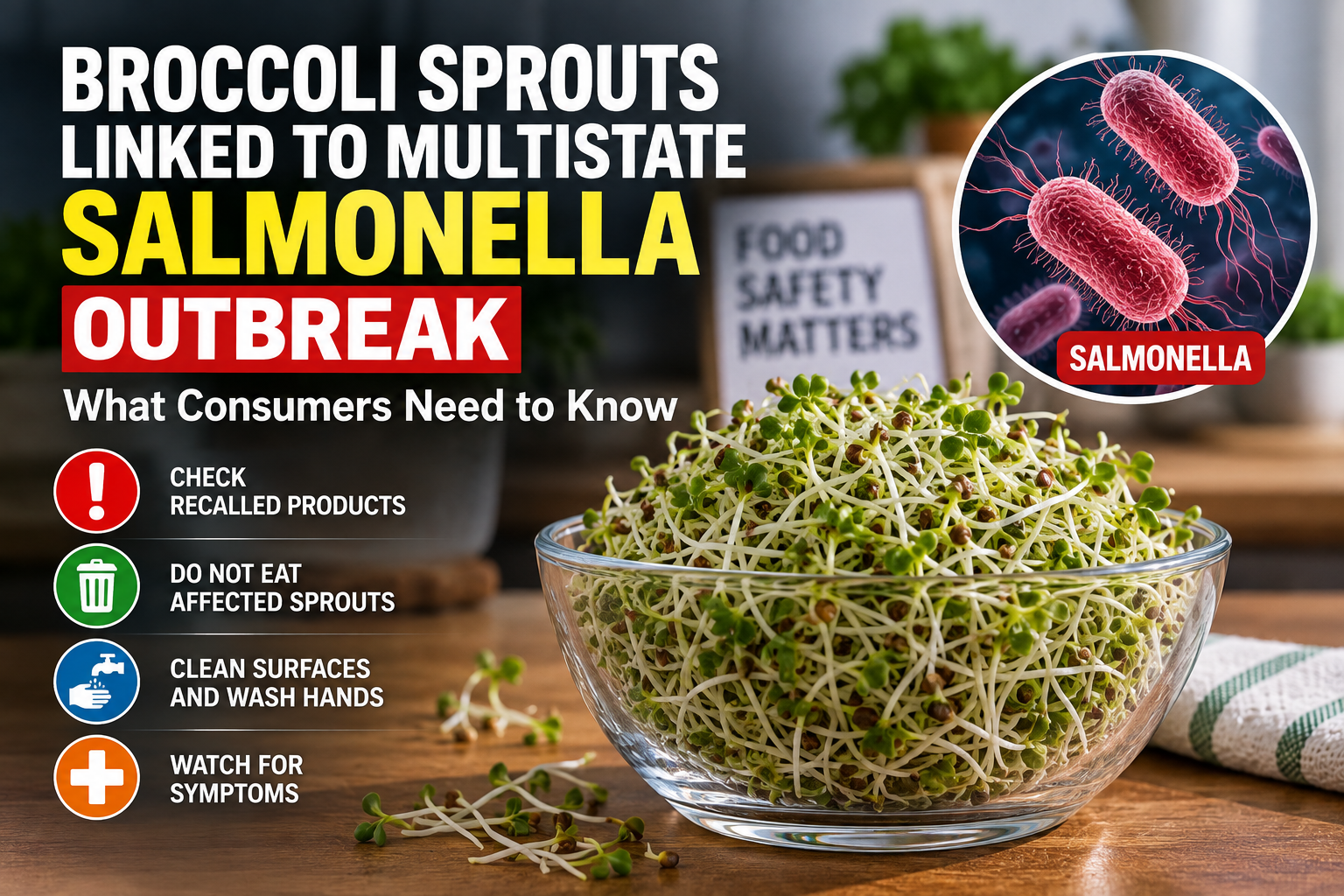
Broccoli Sprouts Linked to Multistate Salmonella Outbreak: What Consumers Need to Know
For consumers, the most important step is to determine whether recalled broccoli sprouts are in the refrigerator, freezer, or kitchen and to avoid eating, serving, or selling them.
Read article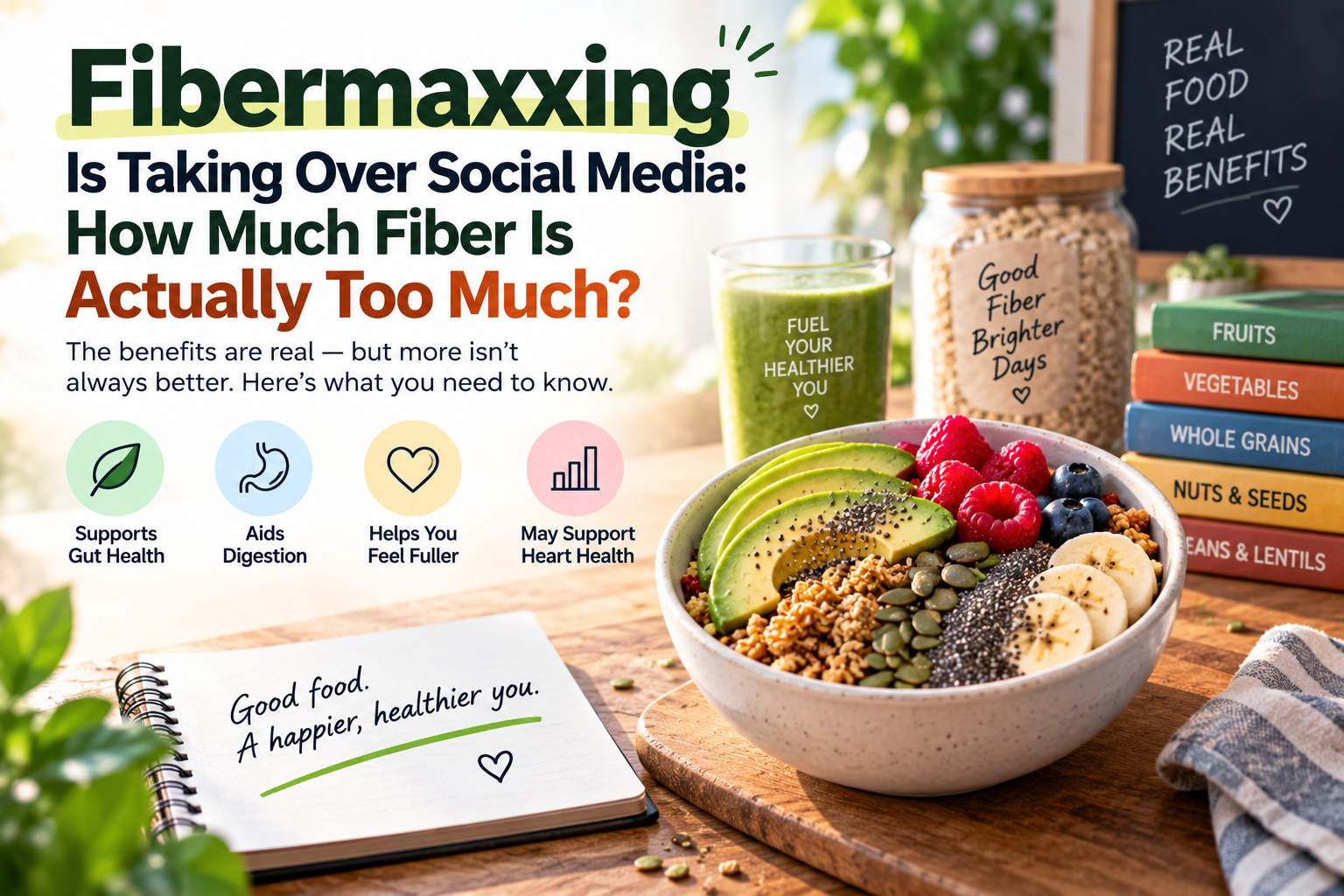
Fibermaxxing Is Taking Over Social Media: How Much Fiber Is Actually Too Much
More is not automatically better. Increasing fiber too rapidly or consuming very large amounts can cause bloating, gas, abdominal discomfort, constipation, or changes in bowel habits.
Read article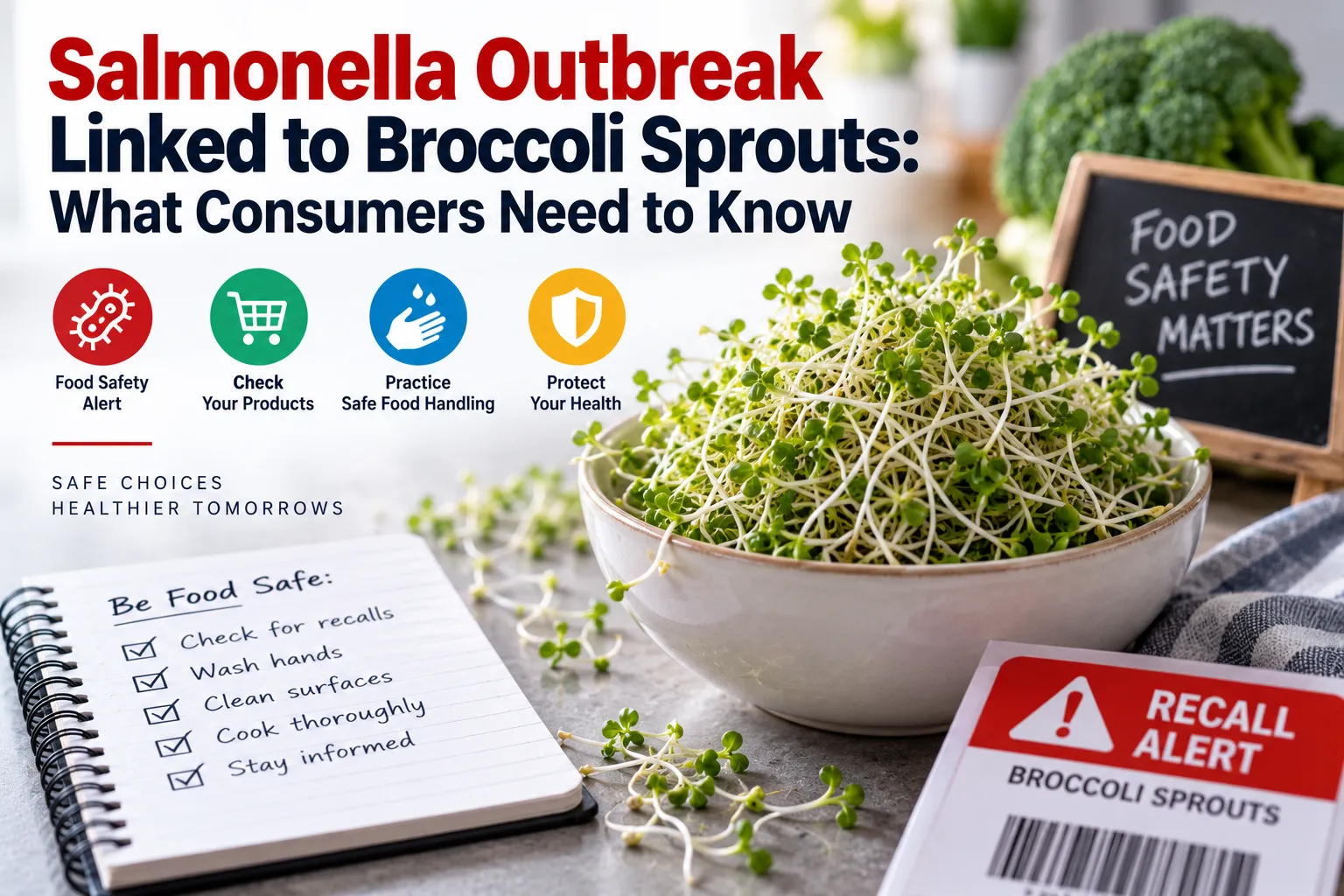
Salmonella Outbreak Linked to Broccoli Sprouts: What Consumers Need to Know
For consumers, the most important issue right now is knowing what products are affected, what symptoms to watch for, and how to reduce the risk of foodborne illness.
Read article

Join 10,000+ Readers Building Healthier Habits
Get actionable wellness tips every week plus our newest articles delivered straight to your inbox.