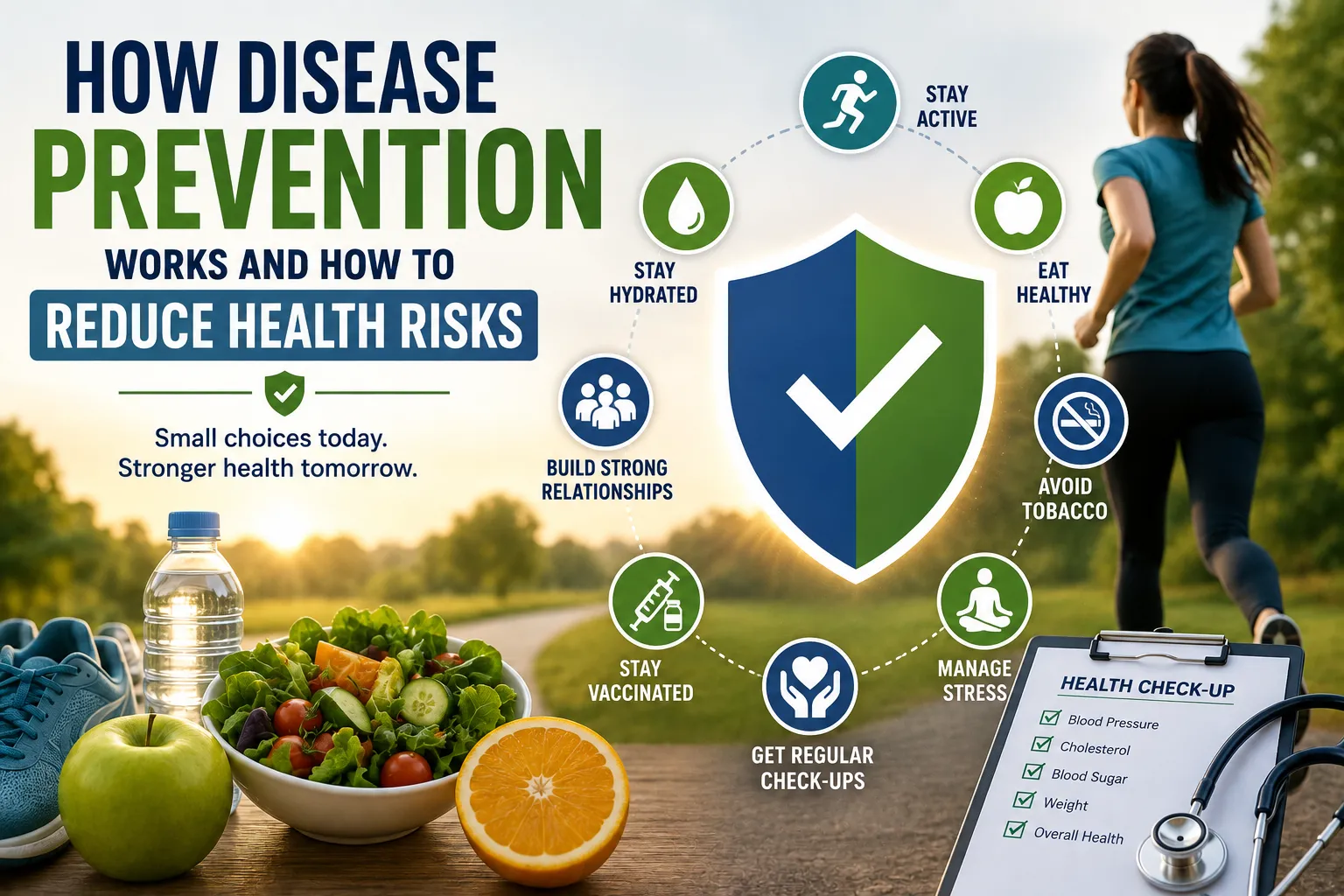

How Disease Prevention Works and How to Reduce Health Risks
Disease prevention is one of the most important parts of maintaining good health. Rather than waiting for an illness to develop and then treating it, prevention focuses on reducing the likelihood of disease, identifying problems early, and limiting complications when conditions do occur.
Prevention is not about eliminating every possible health risk. Genetics, age, environment, income, access to healthcare, and other circumstances can influence health, and many of these factors are outside an individual’s direct control. Health is shaped by a combination of individual behaviors, physical environments, social and economic conditions, genetics, and access to health services.
The most effective approach is therefore a combination of healthy choices, appropriate preventive healthcare, safer environments, and broader public-health measures. For a broader overview of how these areas fit together, see what healthy living is and what it includes.
What Is Disease Prevention?
Disease prevention refers to measures designed to reduce the occurrence of disease, prevent its development, detect it early, or reduce its effects after it has occurred.
This makes prevention broader than simply “avoiding illness.”
It can include:
-
Reducing exposure to known risk factors
-
Vaccination and other protective measures
-
Maintaining healthy behaviors
-
Screening and early detection
-
Managing existing health conditions
-
Preventing complications
-
Improving environmental and workplace safety
-
Addressing social and economic factors that influence health
Prevention can therefore happen at several points throughout a person’s life.
How Disease Prevention Works
At its simplest, disease prevention works by interrupting the chain of events that can lead to illness or by identifying a problem before it becomes more serious.
For example, a person may reduce their risk of cardiovascular disease by avoiding tobacco, remaining physically active, eating a balanced diet, and managing conditions such as high blood pressure when they occur.
Another form of prevention involves detecting a disease at an earlier stage. Screening can sometimes identify a condition before symptoms become obvious, allowing appropriate medical evaluation and treatment.
Prevention also operates at the community level. Clean water, sanitation, vaccination programs, safer workplaces, food-safety measures, pollution controls, and public-health policies can reduce risks across large populations.
The Three Broad Levels of Disease Prevention
Disease prevention is commonly discussed in three broad levels: primary, secondary, and tertiary prevention.
Primary Prevention
Primary prevention aims to prevent a disease or health problem from developing in the first place.
Examples include:
-
Vaccination
-
Avoiding tobacco
-
Regular physical activity
-
Eating a nutritious diet
-
Reducing harmful alcohol use
-
Protecting skin from excessive ultraviolet exposure
-
Using appropriate protective equipment
-
Improving environmental safety
The objective is to reduce exposure to factors that increase the likelihood of disease.
Secondary Prevention
Secondary prevention focuses on early detection.
The idea is to identify a disease or abnormal change before it causes more serious consequences, when early intervention may improve outcomes.
Depending on age, sex, personal risk, and other factors, preventive healthcare can include appropriate screening tests and routine health assessments.
Screening is not the same as diagnosing every person. Different screening tests have specific purposes, benefits, limitations, and eligibility recommendations. A broader preventive healthcare guide explains how routine preventive care fits into a long-term approach to health.
Tertiary Prevention
Tertiary prevention applies after a disease or health condition has already developed.
Its purpose is to reduce complications, slow progression, preserve functioning, or improve quality of life.
Examples can include:
-
Managing chronic diseases
-
Rehabilitation after certain injuries or illnesses
-
Preventing complications from established conditions
-
Supporting medication adherence
-
Physical or occupational rehabilitation
-
Ongoing monitoring by healthcare professionals
This level of prevention demonstrates why prevention does not stop once a diagnosis has been made.
The Most Important Modifiable Health Risks
Some risk factors can be changed or reduced, while others cannot.
Several major preventable risk factors for noncommunicable diseases include tobacco use, physical inactivity, unhealthy diets, harmful alcohol use, and air pollution. These factors contribute to major conditions such as cardiovascular disease, diabetes, cancer, and chronic respiratory diseases.
Reducing these risks can therefore have benefits across multiple areas of health rather than affecting only one disease.
A closer look at major risk factors for disease can help explain how different modifiable and nonmodifiable factors contribute to overall health risk.
Tobacco Exposure
Avoiding tobacco is one of the most significant steps a person can take to reduce health risks.
Tobacco exposure is associated with numerous serious diseases. For people who smoke, quitting can reduce health risks, and healthcare professionals can provide evidence-based support for cessation.
Avoiding secondhand smoke can also reduce exposure for people who do not smoke themselves.
Physical Inactivity
Regular physical activity supports cardiovascular, metabolic, muscular, and overall health.
Physical activity does not necessarily mean intense gym workouts. Walking, cycling, recreational sports, active transportation, household activities, and other forms of movement can contribute to an active lifestyle.
Insufficient physical activity is an important risk factor for noncommunicable diseases.
Unhealthy Dietary Patterns
Diet affects numerous aspects of health, including body weight, blood pressure, blood glucose, and cardiovascular risk.
A generally healthy dietary pattern can emphasize a variety of nutrient-dense foods while limiting excessive intake of foods and drinks that are high in added sugars, unhealthy fats, or sodium.
There is no single diet that works identically for everyone. Nutritional needs can vary according to age, health conditions, culture, activity level, and other circumstances.
Harmful Alcohol Use
Alcohol can contribute to health risks, particularly when consumed heavily or in ways that increase the likelihood of injury or other harm.
Reducing alcohol consumption can therefore be an important component of risk reduction for people who drink.
Air Pollution
Health risks are not determined solely by personal choices.
Air pollution is another important risk factor associated with disease, and exposure can be influenced by where people live and work, transportation systems, industrial activity, household energy sources, and environmental policies.
This is one reason effective disease prevention also requires action at the community and policy levels.
Why Regular Healthcare Matters
Healthy habits are important, but they cannot replace appropriate medical care.
Routine healthcare provides opportunities to:
-
Review personal risk factors
-
Identify changes in health
-
Discuss vaccinations
-
Determine appropriate screening
-
Monitor chronic conditions
-
Review medications
-
Address concerns before they become more complicated
-
Receive personalized preventive advice
The right preventive services vary considerably from one person to another. Age, sex, family history, previous medical conditions, medications, lifestyle, occupation, and geographic location can all affect which interventions are appropriate.
Regular checkups and recommended screenings are particularly important because some conditions can develop without obvious symptoms. The appropriate health screenings for men and women depend on individual circumstances and current medical recommendations.
Understanding Risk Factors
A risk factor is a characteristic, behavior, exposure, or circumstance associated with an increased likelihood of developing a particular health problem.
Risk factors can be divided broadly into several categories.
Modifiable Risk Factors
These are factors that can potentially be changed.
Examples include:
-
Tobacco use
-
Physical inactivity
-
Dietary patterns
-
Harmful alcohol use
-
Some occupational exposures
-
Certain environmental exposures
Changing a risk factor does not guarantee that someone will avoid a disease, but it can reduce risk.
Nonmodifiable Risk Factors
Some factors cannot be changed.
These can include:
-
Age
-
Genetic characteristics
-
Family history
-
Certain biological characteristics
-
Previous medical history
Knowing about nonmodifiable risks can still be useful because it may help healthcare professionals determine whether additional monitoring or preventive measures are appropriate.
Social and Environmental Factors
Health is also influenced by circumstances such as income, education, housing, working conditions, social support, environmental quality, and access to healthcare.
These broader determinants can substantially influence health outcomes.
This is why telling people simply to “make healthier choices” is not always enough. People need reasonable access to safe environments, nutritious food, healthcare, education, and opportunities to live healthier lives.
Prevention Is Not About Perfection
One common mistake is treating disease prevention as an all-or-nothing process.
Health risks rarely work that way.
A person may have several risk factors but still benefit from changing one or two of them. Someone who cannot completely change an environmental exposure may still be able to improve another aspect of their health.
The goal is risk reduction, not a guarantee of perfect health.
For example, becoming more physically active may be beneficial even if someone cannot achieve an ideal exercise routine. Similarly, improving dietary habits gradually can be more realistic than attempting an unsustainable complete lifestyle transformation.
How to Build a Practical Prevention Strategy
A useful prevention strategy can begin with a few basic questions.
1. Know Your Personal Risk Factors
Consider factors such as:
-
Family medical history
-
Current health conditions
-
Tobacco and alcohol use
-
Physical activity
-
Dietary habits
-
Sleep
-
Occupational exposures
-
Environmental exposures
-
Mental and social well-being
A healthcare professional can help interpret which risks matter most for you.
2. Focus on High-Impact Changes
Not every health improvement needs to happen at once.
Prioritize changes that can make a meaningful difference and that are realistic to maintain.
3. Keep Up With Appropriate Preventive Care
Ask a qualified healthcare professional which vaccinations, screening tests, checkups, and monitoring are appropriate for your age and circumstances.
4. Create Safer Everyday Environments
Disease prevention can also involve practical safety measures such as:
-
Using seat belts
-
Wearing appropriate protective equipment
-
Practicing food safety
-
Reducing exposure to harmful substances
-
Maintaining safe working conditions
-
Using appropriate protection from environmental hazards
5. Reassess Over Time
Health needs change throughout life.
A prevention strategy that is appropriate in early adulthood may not be appropriate decades later. New medications, diagnoses, pregnancies, family-history information, or changes in lifestyle can also alter a person’s risk profile.
Disease Prevention Is Both Personal and Collective
One of the most important aspects of prevention is recognizing that individuals do not carry complete responsibility for their health outcomes.
Social, economic, environmental, and commercial conditions can shape people’s exposure to health risks and their opportunities to make healthier choices.
Communities can therefore reduce disease risk through measures such as:
-
Safe drinking water
-
Sanitation
-
Food-safety standards
-
Vaccination programs
-
Clean-air policies
-
Safe roads
-
Workplace protections
-
Accessible healthcare
-
Health education
-
Healthy schools and communities
Broader health-promotion efforts can help enable people and communities to increase control over factors affecting their health.
Prevention and Early Detection Work Together
It is tempting to think of prevention as simply avoiding disease, but modern healthcare takes a broader approach.
Consider the progression:
Reduce risk → detect problems early → treat appropriately → prevent complications → maintain functioning
Each stage can contribute to better health outcomes.
For some diseases, preventing exposure to a risk factor may be highly effective. For others, early detection and treatment may be particularly important. In chronic conditions, ongoing management can help prevent complications.
This combination is why preventive healthcare remains important even for people who already have a diagnosis.
Common Mistakes About Disease Prevention
Waiting Until Symptoms Appear
Some health problems can develop without obvious symptoms. Appropriate preventive care can sometimes identify risks or diseases before a person notices a problem.
Assuming Healthy Habits Eliminate All Risk
Healthy behavior can reduce risk but cannot eliminate genetic, environmental, or other factors.
Relying on One “Superfood” or Supplement
No single food, supplement, or wellness product can replace a comprehensive approach to disease prevention.
Ignoring Mental and Social Health
Mental health, social connection, chronic stress, and living conditions can influence overall health. Factors such as chronic stress, social isolation, poverty, and discrimination can also contribute to health risks.
Following Generic Screening Advice
Preventive screening should be based on appropriate medical recommendations rather than assuming everyone needs every available test.
A Simple Disease-Prevention Checklist
| Prevention area | Practical focus |
|---|---|
| Tobacco | Avoid tobacco and seek evidence-based help to quit |
| Physical activity | Move regularly and reduce prolonged inactivity |
| Nutrition | Maintain a balanced, varied eating pattern |
| Alcohol | Avoid harmful or excessive consumption |
| Vaccination | Keep recommended vaccinations up to date |
| Screening | Follow appropriate age- and risk-based screening recommendations |
| Safety | Reduce injury and occupational hazards |
| Environment | Minimize harmful environmental exposures where possible |
| Chronic conditions | Monitor and manage diagnosed conditions |
| Mental well-being | Maintain supportive relationships and address persistent distress |
| Healthcare | Maintain appropriate preventive and routine care |
What Effective Prevention Really Looks Like
Disease prevention is not a single action. It is a continuing process that combines healthy behaviors, appropriate healthcare, early detection, risk management, and healthier environments.
Some of the most important opportunities involve familiar measures: avoiding tobacco, staying physically active, maintaining a nutritious diet, limiting harmful alcohol use, keeping up with recommended preventive care, and addressing known health risks.
But prevention also requires looking beyond individual behavior. Access to healthcare, safe housing, clean air and water, education, working conditions, income, and social support can all influence a person’s ability to stay healthy.
The most useful goal is therefore not to eliminate every possible risk. It is to understand which risks matter, identify which ones can be changed, use appropriate preventive healthcare, and make practical improvements that can be sustained over time.
Continue Reading
Similar Posts
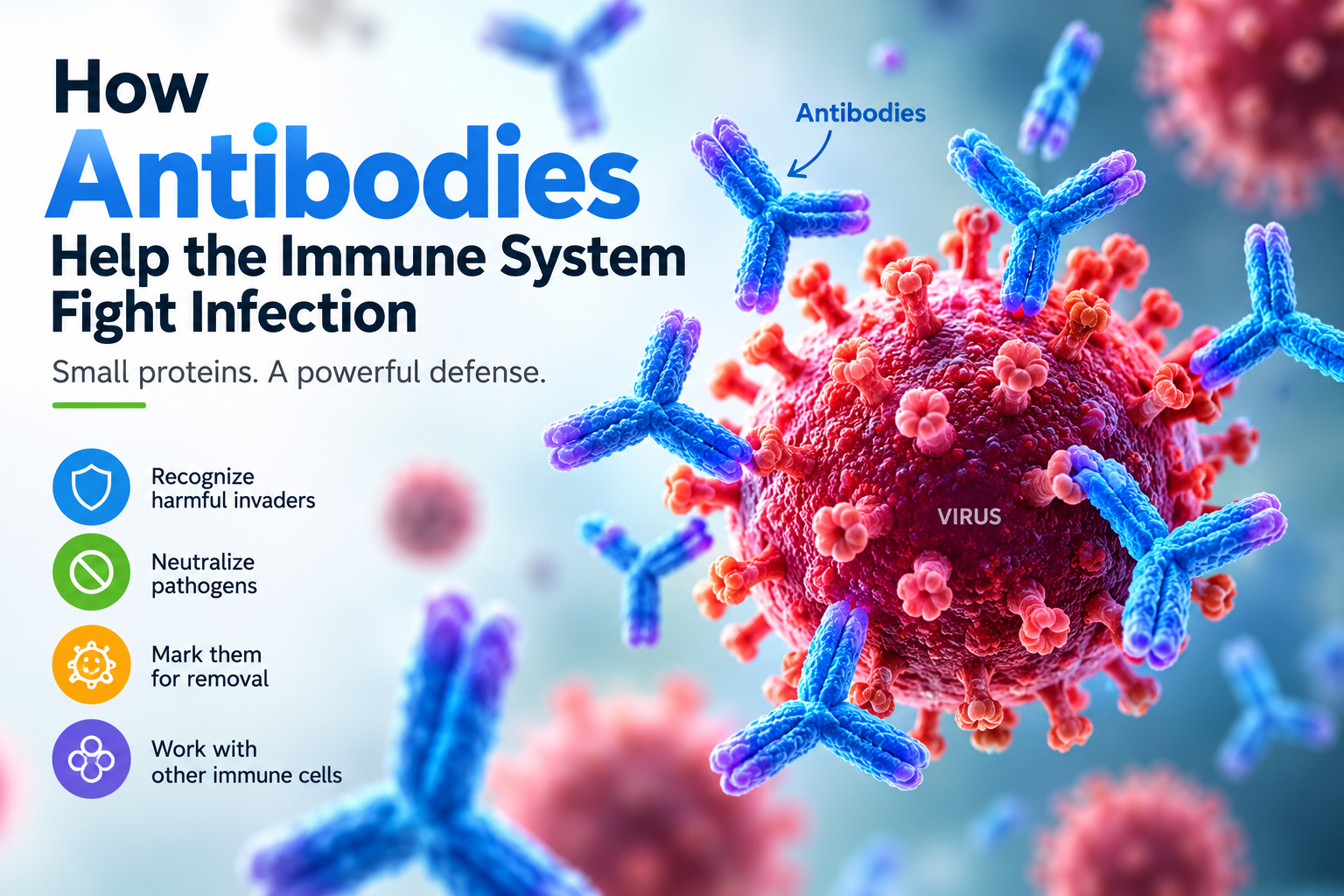
How Antibodies Help the Immune System Fight Infection
Understanding how antibodies work provides a clearer picture of why people develop immunity after certain infections or vaccinations and why the immune system can respond more effectively when it encounters a familiar pathogen again.
Read article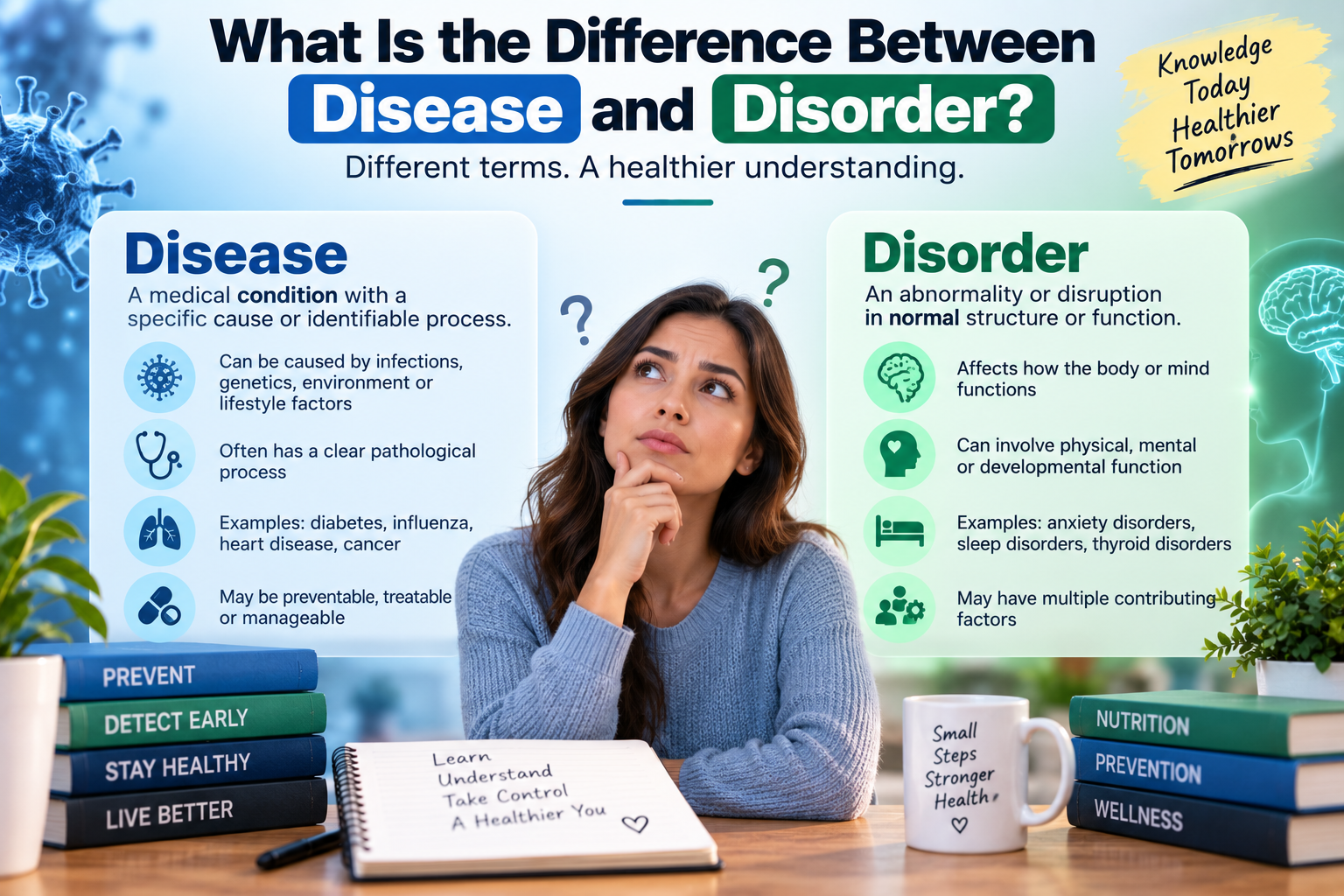
What Is the Difference Between Disease and Disorder
Understanding the distinction can make health information easier to interpret and help explain why doctors sometimes use one term rather than the other.
Read article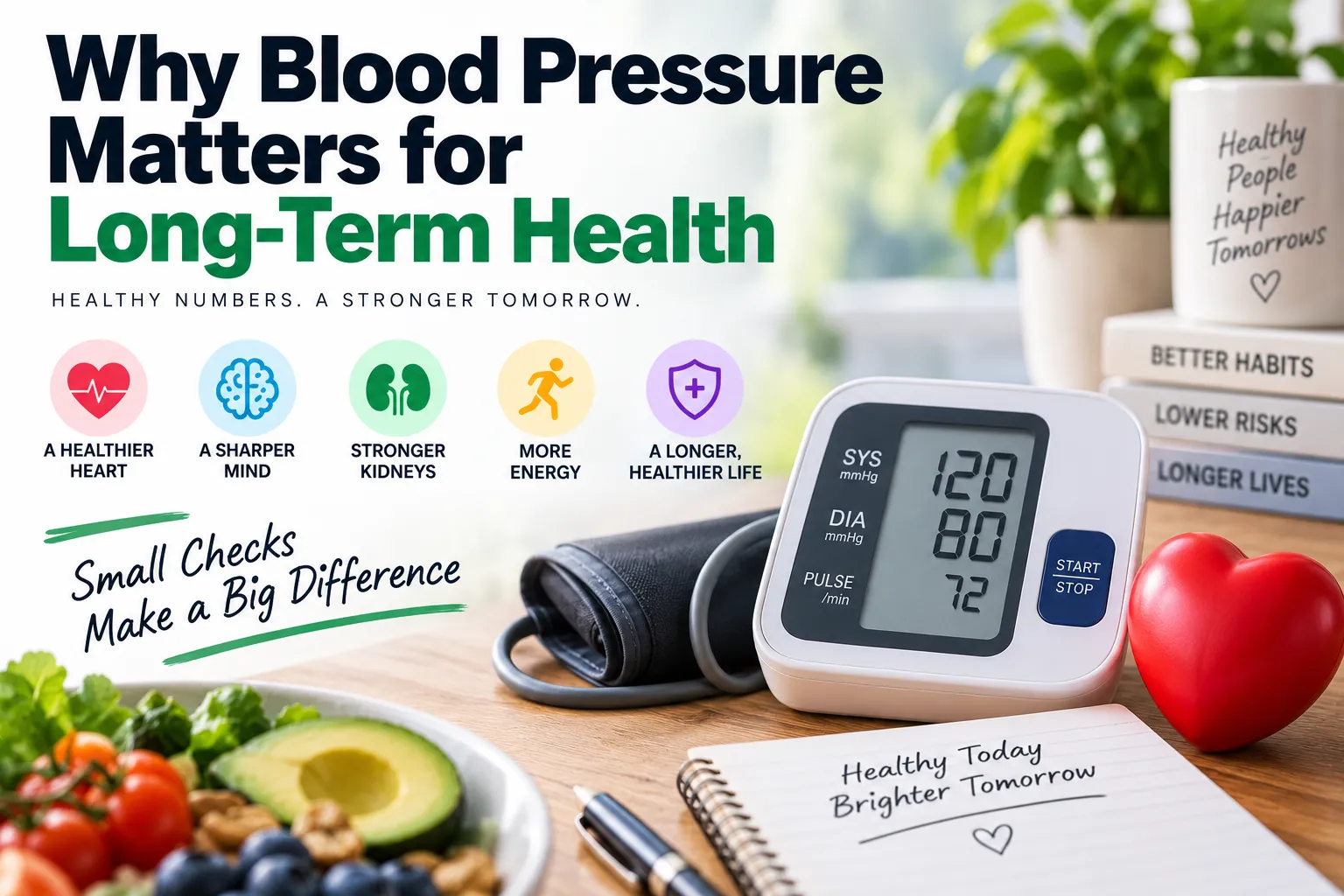
Why Blood Pressure Matters for Long-Term Health
Understanding why blood pressure matters can make it easier to recognize the importance of routine screening, healthy habits and appropriate treatment.
Read article

Join 10,000+ Readers Building Healthier Habits
Get actionable wellness tips every week plus our newest articles delivered straight to your inbox.